A Simple 2-Minute Bedtime Stretch That May Help You Sleep More Comfortably
Many people wake up during the night feeling unsettled, only to struggle when trying to fall asleep again. Broken sleep can leave you exhausted, irritable, and mentally foggy the next day. It often lowers your energy, affects concentration, and makes everyday tasks feel more difficult. In many cases, muscle tension built up during the day does not fully fade by bedtime, making it harder for the body to relax.
What if just two minutes in bed could help release tension in an important muscle that many people rarely think about? This small routine may support a calmer body at night, and the reason behind it is more interesting than you might expect.
Understanding the Psoas Muscle and Its Role in Sleep
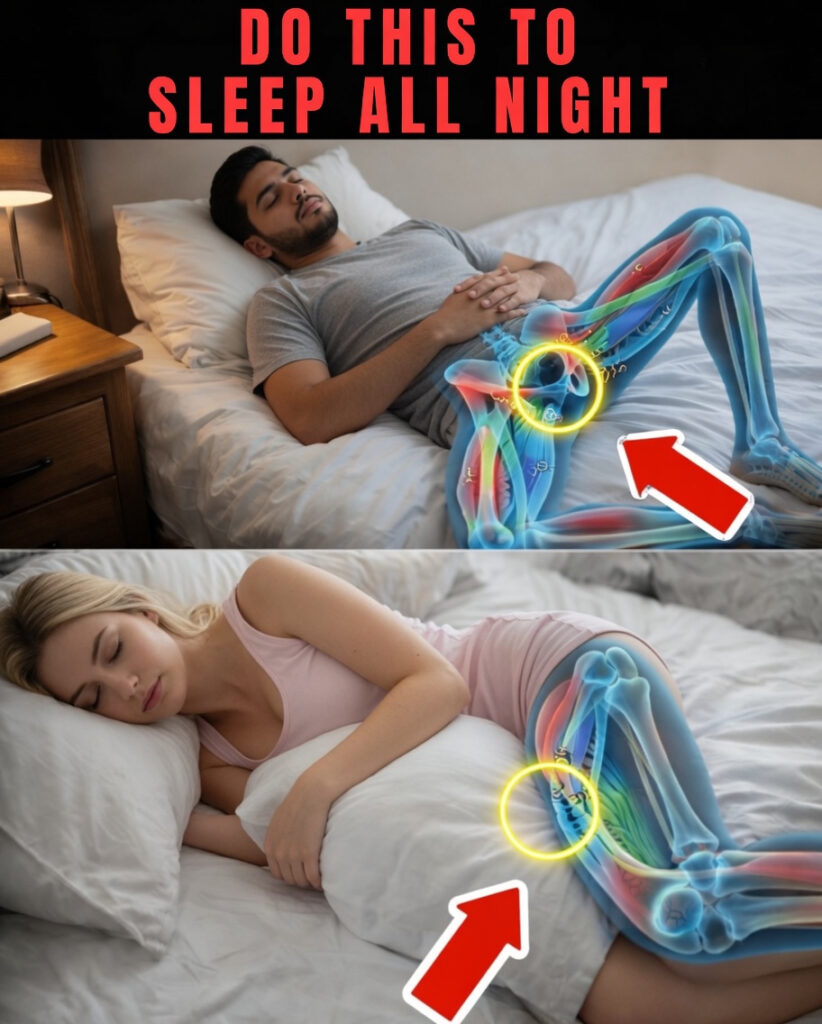
The psoas is a deep muscle in the hip area that runs from the lower spine to the upper thigh. It helps with basic movements such as sitting, standing, walking, and lifting the legs. Because it is involved in so many daily motions, this muscle can easily become tight, especially after long periods of sitting or stress.
When the psoas stays shortened or tense, it may create subtle strain in the hips and lower back. According to musculoskeletal research, tight hip flexors, including the psoas, can contribute to physical discomfort that becomes more noticeable at night. You may not feel obvious pain during the day, but once you lie down and try to rest, that hidden tension can stand out more.
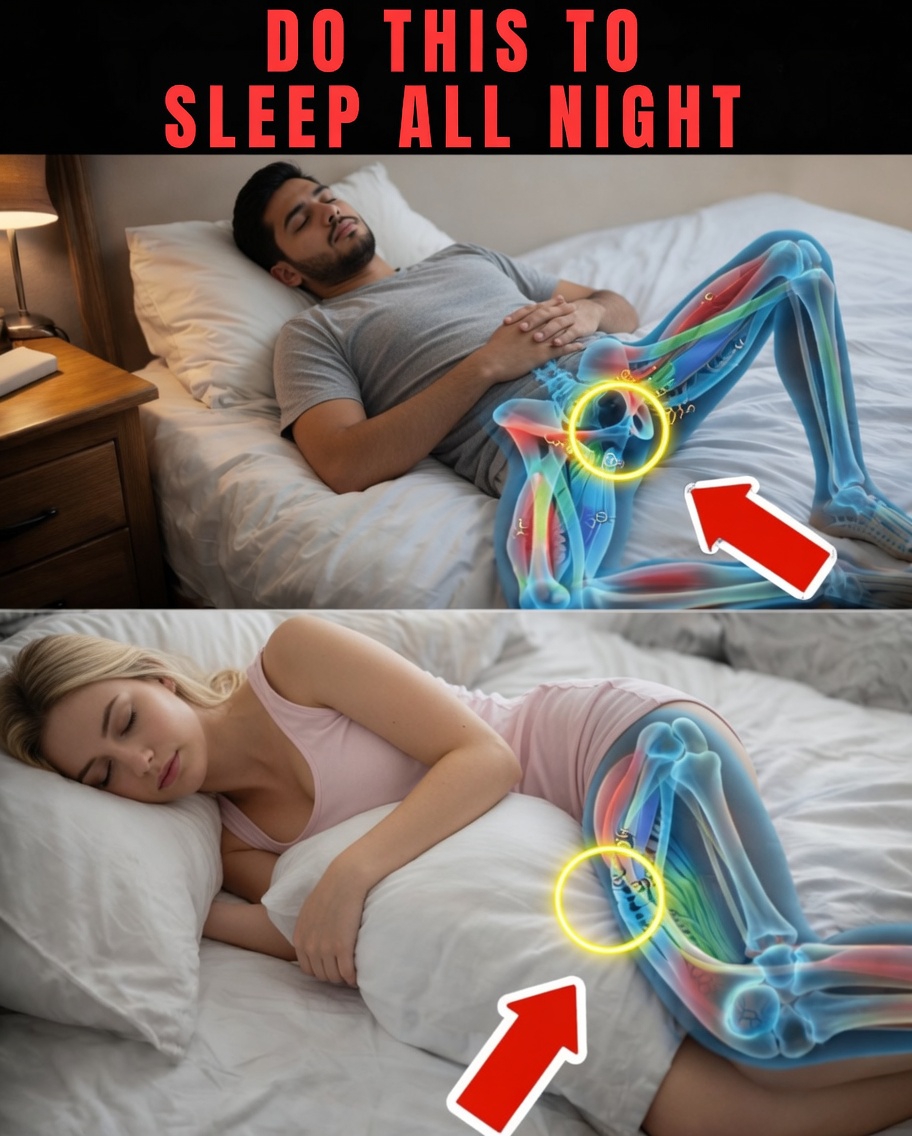
This matters because the body does not instantly let go of everything it has been holding all day. If the psoas remains tight, it can place mild pulling force on the lumbar spine and surrounding structures, which may make it more difficult to fully settle into restful sleep.
Signs Psoas Tightness May Be Affecting Your Nights
Paying attention to a few common patterns can help you figure out whether hip tension might be contributing to poor sleep. Some signs include:
- Lower back stiffness after sitting for a long time
- Tightness in the hips or groin that improves only after moving around
- Difficulty getting comfortable in bed
- Restlessness that interrupts sleep during the night
- Waking up tired even after spending enough time in bed
If several of these sound familiar, a gentle psoas stretch before sleep may be worth trying.
The 2-Minute Bed Stretch for Psoas Release
This easy movement can be done directly on your bed and does not require any equipment. The goal is to lengthen the psoas gently and encourage the body to relax naturally.
Step-by-Step Bedtime Psoas Stretch
- Lie on your back near the center of the bed. Place a pillow under your head if that feels more comfortable.
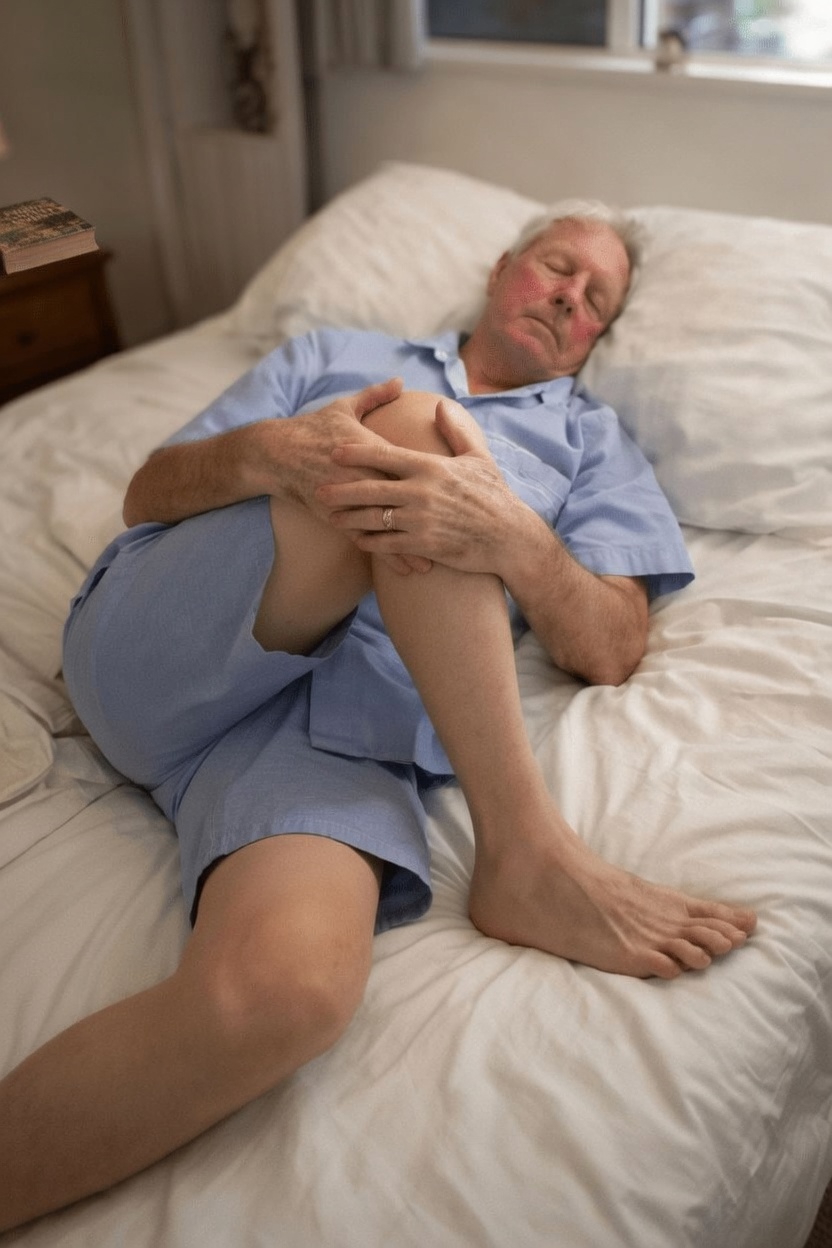
- Bend one knee and slowly draw it toward your chest.
- Hold that knee with both hands while keeping the other leg extended and relaxed.
- Stay in this position for about 60 seconds, breathing slowly and deeply.
- Let your shoulders soften and allow your hips to settle into the mattress.
- Release slowly, then repeat on the other side for another 60 seconds.
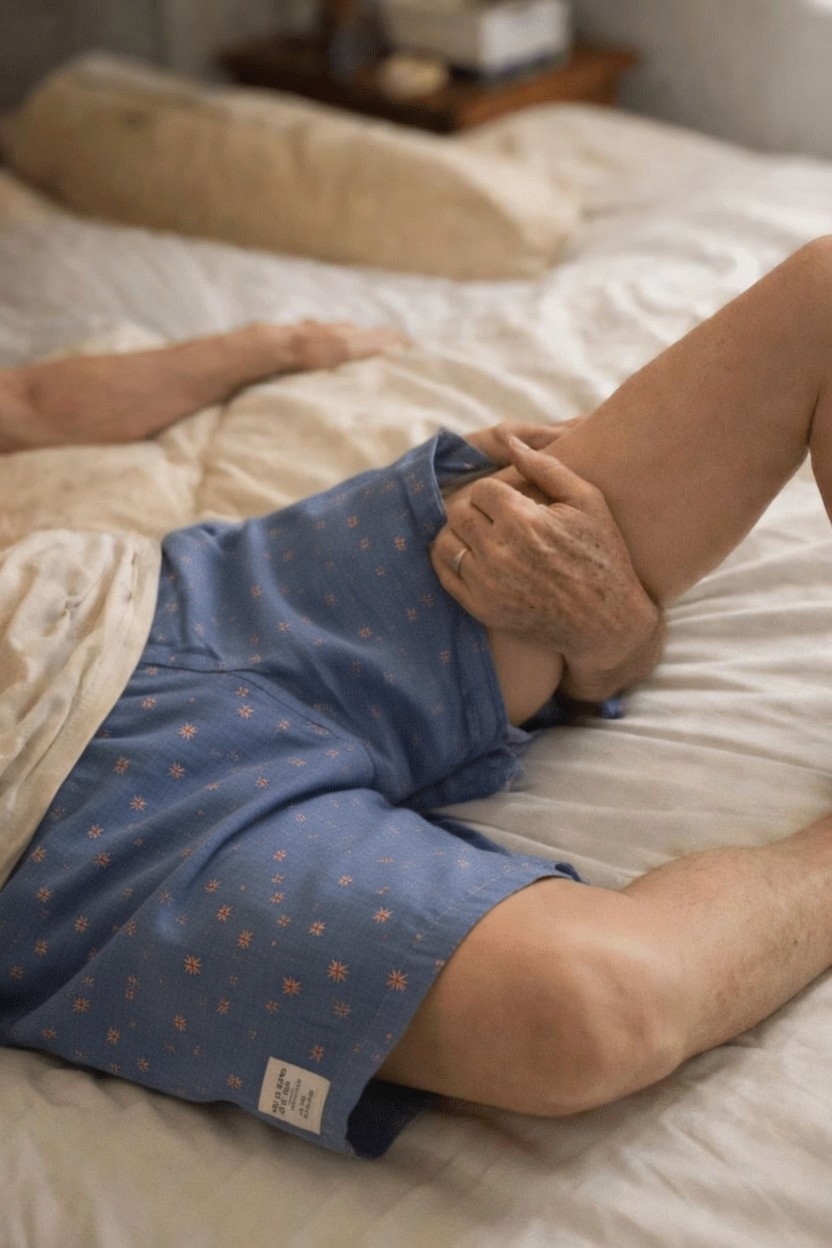
There is also a variation some people find especially helpful. Move closer to the edge of the bed and let the extended leg hang slightly off the side while you hold the opposite knee to your chest. This may create a deeper stretch through the front of the hip. Be gentle, move slowly, and stop right away if you feel sharp pain or significant discomfort. This should feel supportive, never forced.
The biggest benefit often comes from making this stretch a regular part of your bedtime routine rather than doing it only once in a while.
Simple Habits That Can Improve Your Sleep Routine
This stretch can be even more effective when paired with healthy nighttime habits. Consider adding these practices to your evening:
- Go to bed and wake up at the same time each day
- Keep your bedroom cool, quiet, and dark
- Limit screen use for at least one hour before sleep
- Include light daytime movement, such as walking, to reduce hip stiffness
How Small Changes Can Work Together
-
Hip and lower back tension
- Without the routine: discomfort may carry into bedtime
- With the 2-minute stretch: the body may feel looser and more relaxed
-
Time needed to fall asleep
- Without the routine: discomfort may delay relaxation
- With the 2-minute stretch: settling down may feel easier
-
Nighttime comfort
- Without the routine: restlessness may happen more often
- With the 2-minute stretch: the transition into sleep may feel calmer
-
Morning energy
- Without the routine: you may wake up stiff or groggy
- With the 2-minute stretch: mornings may feel more refreshed
Why Experts Support This Kind of Approach
Physical therapists often emphasize hip flexor mobility because the psoas is closely connected to posture, movement patterns, and the body’s stress response. When this muscle relaxes, it may help the nervous system shift into a calmer state that supports rest.
Research on stretching and physical comfort suggests that gentle hip-focused mobility work can improve flexibility and reduce tension. In turn, this may help the body feel more at ease at night. What surprises many people is that a deep muscle they rarely notice during the day can influence how restful their sleep feels.
How to Make It Part of Your Nightly Wind-Down
You can start tonight by setting aside just two minutes before turning off the lights. To make the routine more calming, try combining the stretch with quiet music or slow breathing. Over the next one to two weeks, notice whether you feel more comfortable when lying down and whether you wake up feeling less tense.
The key is consistency. A small habit repeated every evening is often more effective than a longer routine done occasionally.
Frequently Asked Questions
How quickly can this stretch help me feel more relaxed?
Some people notice a small improvement after only a few sessions, while others experience a gradual change over one or two weeks. Results depend on your body, your daily habits, and how much tension you are carrying.
Is this stretch safe for most people?
It is intended to be gentle and accessible, but anyone dealing with a recent injury, chronic hip or back problems, or limited mobility should check with a healthcare professional before trying a new exercise.
Can I do this stretch during the day instead of at night?
Yes. It can be helpful in the morning or afternoon as a way to release tension from sitting. However, many people prefer doing it before bed because it helps the body prepare for sleep.
Final Thoughts
Adding this simple 2-minute psoas stretch to your evening routine may be an easy and practical way to reduce hip tension and support better sleep quality. Small, consistent habits often make a noticeable difference over time. Try it tonight and pay attention to how your body feels before sleep and when you wake up in the morning.