
Cloves for Everyday Wellness: A Simple, Natural Addition to Your Routine
Managing blood sugar and maintaining steady energy throughout the day can sometimes feel like a constant balancing act. For many people, that also comes with occasional digestive discomfort and a growing interest in natural ways to support overall well-being without making life more complicated. In the middle of a busy schedule, simple habits often work best.
One traditional kitchen spice that has drawn growing interest is the clove. Used for generations in both cooking and herbal traditions, cloves contain naturally occurring compounds that may offer gentle support when included thoughtfully in a healthy lifestyle. In this guide, we’ll look at what cloves are, why they matter, and easy ways to use them consistently as part of a daily wellness routine.
What Are Cloves and Why Are People Using Them for Wellness?
Cloves are dried flower buds from the Syzygium aromaticum tree. They are known for their strong aroma, warm taste, and long history in culinary and traditional wellness practices. Originally associated with Indonesia, cloves are now used around the world in both sweet and savory preparations.
What makes cloves especially interesting is their concentration of antioxidants and plant compounds, especially eugenol. These naturally occurring substances have been studied for their possible role in supporting overall health when consumed in moderate amounts as part of a balanced routine.
Today, cloves are often discussed not only as a flavorful spice, but also as a practical addition for people interested in digestion support, metabolic wellness, and simple daily health habits.

Understanding the Natural Compounds in Cloves
Scientific interest in cloves largely focuses on their antioxidant profile. Among common spices, cloves are frequently recognized for their high antioxidant capacity, which may help the body deal with oxidative stress.
Eugenol is one of the most researched compounds found in cloves. Laboratory studies have explored its potential role in supporting cellular function and general wellness. In addition, cloves contain other beneficial plant components such as polyphenols and flavonoids.
Some broad findings from existing research suggest:
- Cloves provide antioxidants that help protect the body from oxidative damage.
- Their plant compounds may influence certain metabolic processes when included regularly in the diet.
- Traditional use has long connected cloves with digestive support and fresher breath.
That said, responses can differ from person to person. Cloves are best viewed as one small part of a larger wellness strategy that includes nutritious eating, movement, and healthy daily habits.
Can Cloves Support a Blood Sugar-Friendly Lifestyle?
People looking for natural ways to support stable energy often wonder whether cloves can play a helpful role. While cloves are not a treatment and should never replace medical care, some early research has looked at how they may affect carbohydrate metabolism and post-meal blood glucose response.
Animal research and a few small human studies have suggested that compounds in clove extracts may help support healthier glucose patterns after eating. However, the evidence is still limited, and much more high-quality human research is needed before firm conclusions can be made.
The practical takeaway is simple: using small amounts of cloves may complement a blood sugar-conscious lifestyle, especially when combined with:
- Balanced meals
- Regular physical activity
- Consistent sleep
- Professional medical guidance when needed
Easy Ways to Add Cloves to Your Daily Routine
If you want to start using cloves, a gentle and practical approach is best. There is no need for complicated preparation or large amounts.
Here are a few simple guidelines:
- Start with a small amount: Begin with 1 to 2 whole cloves daily.
- Choose fresh, high-quality cloves: Whole cloves with a strong fragrance are usually a better choice.
- Use them at a consistent time: Many people prefer mornings or before meals.
- Pair them with other simple habits: Try cloves with warm water, herbal tea, or mixed into meals.
This kind of steady, moderate use is generally more realistic and sustainable than taking too much at once.
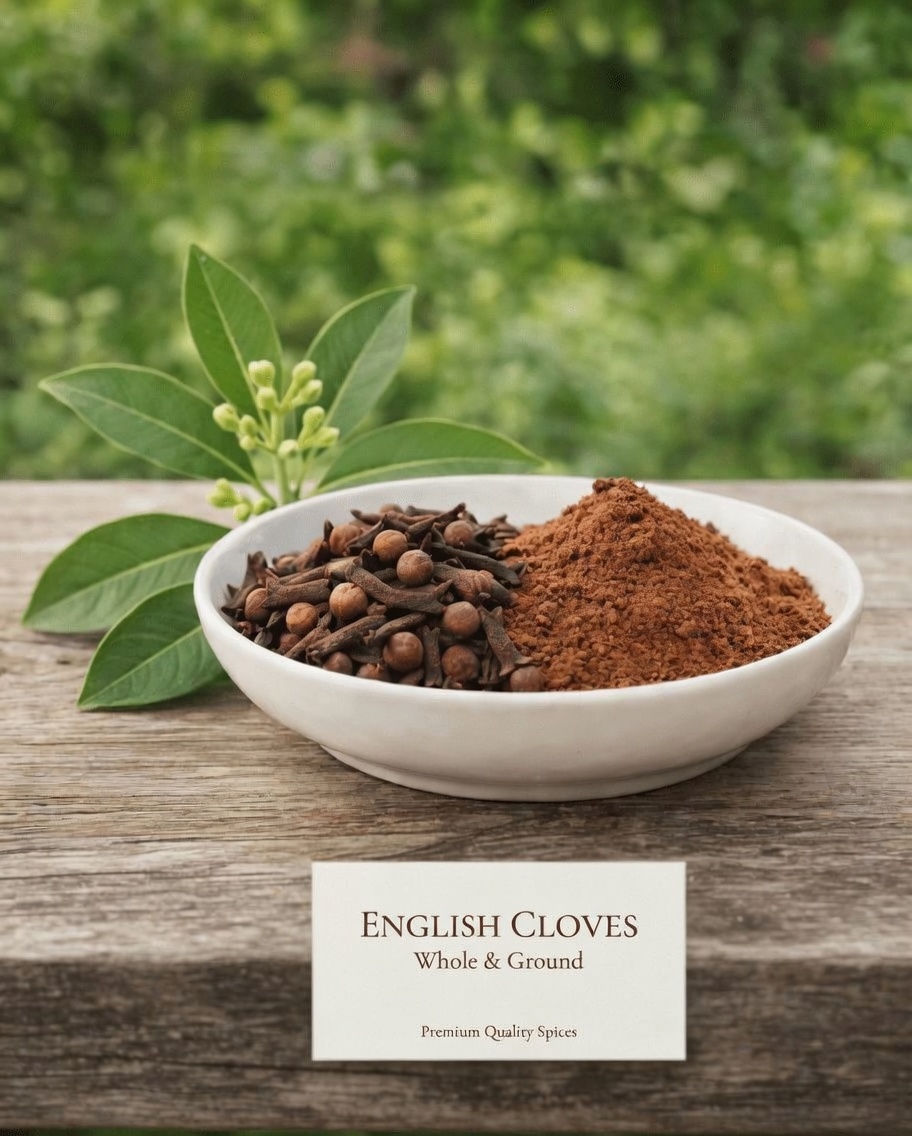
A Simple Daily Clove Habit
One traditional method that many people find easy is chewing 1 to 2 whole cloves each day. It requires almost no preparation and can become a quick reminder to stay committed to your wellness goals.
How to chew cloves properly
- Take 1 or 2 whole cloves, often in the morning after brushing your teeth.
- Chew them slowly so their natural oils are gradually released.
- Once the flavor weakens, either swallow the remaining pieces or spit them out.
- Drink a glass of water afterward if you like.
This habit takes less than a minute, but its simplicity can make it easier to repeat consistently.
Another option: clove tea
If chewing whole cloves feels too strong, clove-infused tea may be a better fit.
How to make it
- Lightly crush 2 whole cloves.
- Add them to hot water.
- Let them steep for 5 to 10 minutes.
- If appropriate for your diet, add a slice of lemon or a small amount of honey.
Helpful tip: Regular, mindful use matters more than taking larger amounts. A modest habit practiced daily is often more useful than an intense routine that is hard to maintain.
Potential Benefits of Cloves Based on General Research
Although individual experiences vary, research and traditional use have linked cloves with several possible wellness benefits.
1. Antioxidant support
Cloves are often ranked among the top spices for antioxidant potential. This is commonly measured using ORAC values, which estimate a food’s ability to neutralize free radicals.
2. Digestive comfort
In traditional practice, cloves have frequently been used to support digestion. Some people report less bloating or improved comfort after meals when cloves are included in moderation.
3. Oral freshness and gum comfort
Clove compounds have also been studied for their role in oral care. Their strong aroma and natural properties may help support fresher breath and a more comfortable mouth environment.
It is important to remember that these effects are most meaningful when cloves are part of an overall healthy lifestyle rather than used as a standalone solution.
Safety Tips and Best Practices
Like any natural ingredient, cloves should be used carefully and in reasonable amounts.
Keep these points in mind:
- Use moderation: For most adults, about 1 to 3 cloves per day is generally considered a small, practical range.
- Be cautious with certain health conditions: People who are pregnant, breastfeeding, have bleeding disorders, or take blood-thinning medication should speak with a healthcare professional before using cloves regularly.
- Watch for sensitivity: If you tend to react to spices, try a very small amount first.
- Avoid overuse: High amounts of eugenol may irritate the digestive system or mouth.
The best approach is to pay attention to how your body responds and seek professional advice when needed.

Cloves Compared with Other Popular Wellness Spices
Cloves can be used alongside other familiar spices as part of a varied and enjoyable routine.
| Spice | Main Compound | Common Wellness Focus | Typical Daily Use |
|---|---|---|---|
| Cloves | Eugenol | Antioxidant and metabolic support | 1 to 2 whole cloves |
| Cinnamon | Cinnamaldehyde | Blood sugar support and flavor | 1/2 to 1 teaspoon powder |
| Ginger | Gingerol | Digestion and stomach comfort | 1 to 2 grams fresh or dried |
| Turmeric | Curcumin | Inflammation support and general health | About 1 teaspoon with black pepper |
This comparison shows that cloves can fit naturally into a broader spice-based wellness routine.
What People Often Notice
Many individuals who add cloves to their day describe small but encouraging changes, such as feeling more refreshed or noticing improved digestion. These personal reports are not the same as clinical proof, but they do reflect an important idea: simple habits are often easier to stick with than complicated wellness plans.
A common pattern appears in many of these experiences:
- Start with a small amount
- Keep the habit easy
- Stay consistent over time
That consistency is often what makes a routine feel useful and sustainable.
Frequently Asked Questions
How many cloves should I chew each day?
A common starting point is 1 to 2 whole cloves daily. This amount is usually enough to introduce the spice without being too intense. You can adjust depending on your comfort level, but professional guidance is always wise if you have health concerns.
When is the best time to take cloves?
Many people prefer cloves in the morning or before main meals. This timing may fit well with digestion and daily routine, but the most important thing is choosing a time you can follow consistently.
Can I use clove powder instead of whole cloves?
Yes. Clove powder can be used in food or tea. However, whole cloves may provide a slower release of their natural oils when chewed. If using powder, begin with a very small amount, such as 1/8 teaspoon.
Final Thoughts: Small Habits Can Support Long-Term Wellness
Adding cloves to your daily routine is not a cure-all, but it can be a simple and thoughtful way to support overall wellness. With their antioxidant content, traditional digestive uses, and easy preparation, cloves offer a practical option for people seeking natural additions to healthy living.
The key is to keep expectations realistic and focus on consistency. A small habit, such as chewing 1 to 2 cloves or drinking clove tea, may become a useful part of a bigger plan that includes nutritious meals, physical activity, and regular medical care.
When wellness feels overwhelming, simple habits often make the biggest difference. Cloves may be one of those small daily choices that help you stay more mindful, more consistent, and more connected to your long-term health goals.