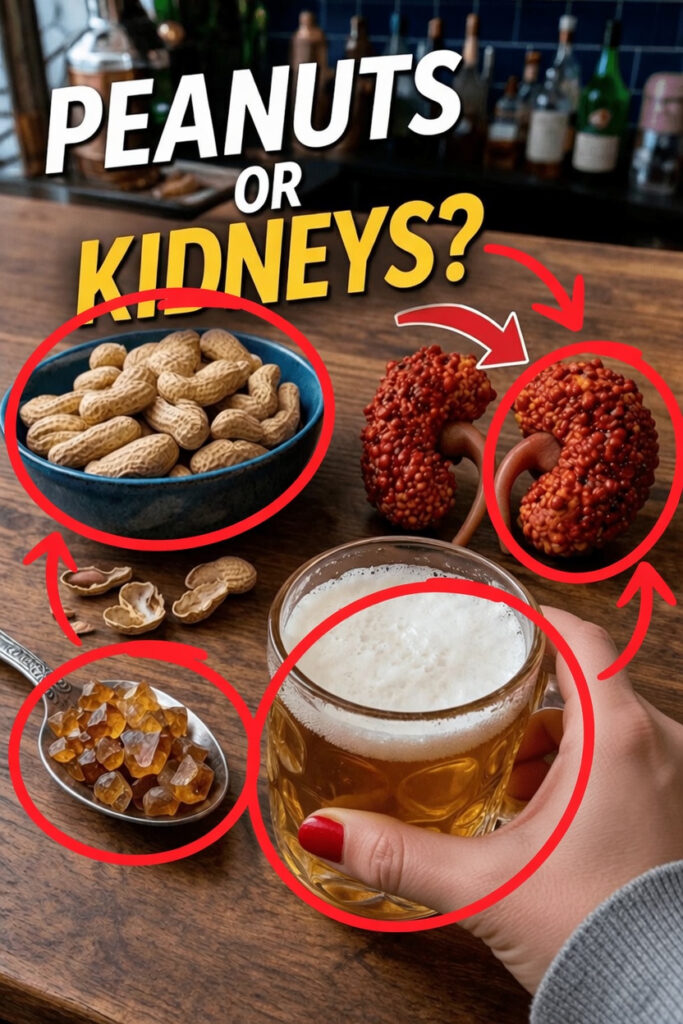
Safe and Risky Fats for Kidney Health: What to Choose More Often
If you are concerned about kidney health, it is easy to start questioning every food choice you make, especially when it comes to fats. That kind of daily uncertainty can feel exhausting. The good news is that fats are not all alike. Once you understand which types are more supportive and which ones are better limited, meal planning becomes much simpler and less stressful. By the end, you may even find that one small everyday swap can make healthy eating feel surprisingly easy.
Why Fats Matter for Kidney Health
Fat is a necessary part of a balanced diet. It gives your body energy and helps absorb important vitamins. For people paying attention to kidney function, the type of fat they eat can also matter for heart health, and heart health is strongly connected to kidney wellness.
According to information from the National Kidney Foundation, choosing healthier fats may help support better cholesterol levels and overall cardiovascular function. In contrast, diets high in saturated and trans fats may raise cholesterol over time. Unsaturated fats, on the other hand, are generally considered a more helpful option for long-term balance.
Understanding these differences can make everyday food decisions feel much more manageable.
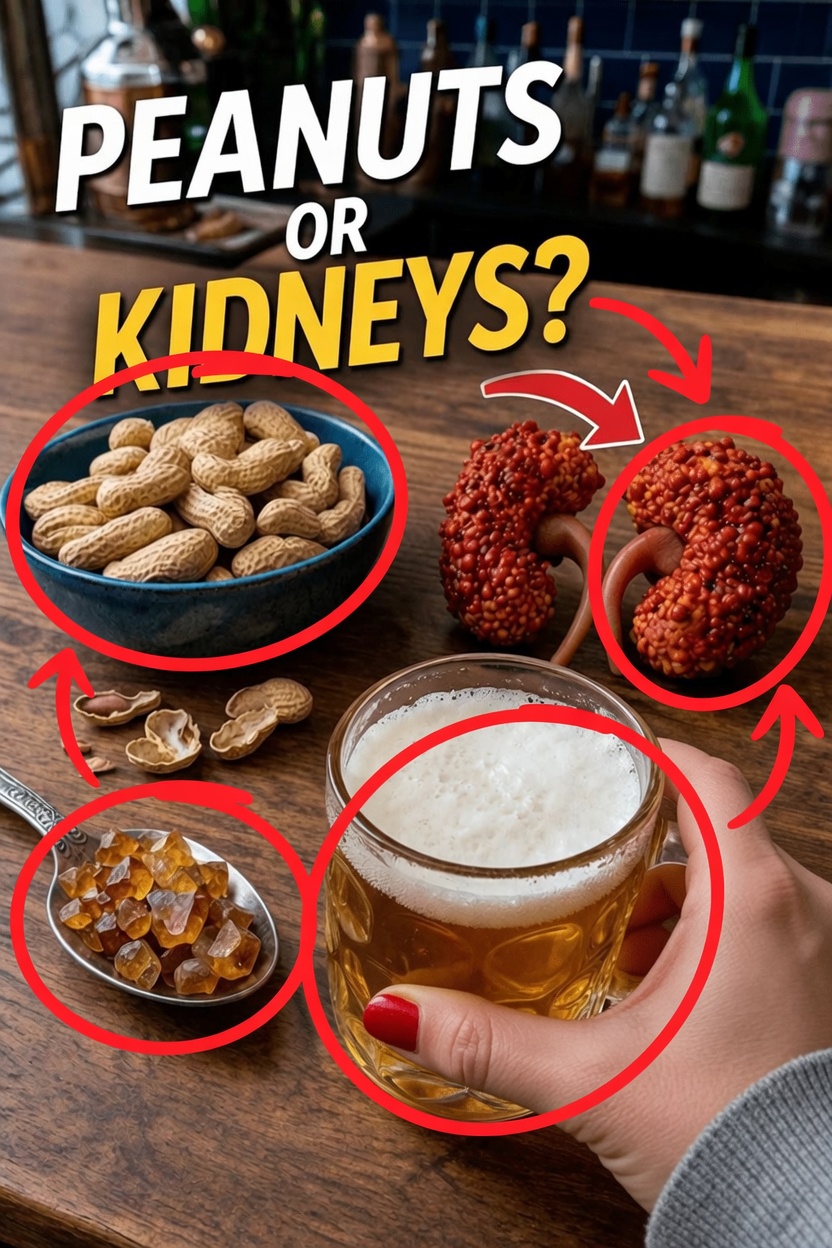
4 Safer Fats to Include More Often
Health experts often recommend unsaturated fats because they are usually liquid at room temperature and commonly come from plants or certain types of fish. Research shared by the National Institute of Diabetes and Digestive and Kidney Diseases suggests that these fats may help support healthier cholesterol patterns.
Here are four better fat choices to consider for a kidney-friendly eating routine.
1. Olive Oil
Olive oil is a well-known source of monounsaturated fat. Its mild taste and flexibility make it useful in many meals. It works especially well for salad dressings, drizzling over cooked vegetables, or light sautéing. Some research also suggests it may help reduce inflammation.
2. Canola Oil
Canola oil is another monounsaturated fat with a neutral flavor. Because it does not strongly affect taste, it is a practical replacement for less healthy fats in baking, stir-fries, and everyday cooking. It can help you improve your meals without changing your favorite recipes too much.
3. Avocado Oil
Rich in monounsaturated fats, avocado oil is another smart option. It has a higher smoke point than some other oils, which makes it suitable for cooking at higher temperatures. Many people also enjoy the smooth, slightly rich flavor it adds to meals.
4. Omega-3 Fats from Flaxseeds or Fatty Fish
Omega-3 fatty acids are polyunsaturated fats found in foods like salmon and flaxseeds. Studies suggest these fats may support heart health, which is especially important when kidney health is a concern. Including small, appropriate portions of these foods can be a useful addition to your diet.
4 Fats to Watch More Carefully
Some fats deserve more caution. These are often solid at room temperature or found in processed foods, and they tend to be higher in saturated or trans fats. Organizations such as the American Heart Association and kidney health experts recommend limiting these fats to reduce unnecessary strain on the heart and blood vessels.
1. Trans Fats in Fried and Processed Foods
Trans fats are commonly found in packaged snacks, commercial baked goods, and many fast foods. These fats are best kept to a minimum because they do not offer the same benefits as unsaturated fats and may negatively affect cholesterol levels.
2. Saturated Fats from Butter and Lard
Butter and lard are traditional cooking fats, but they are high in saturated fat. They can quickly increase your total intake if used often. Using smaller amounts can help maintain better balance while still allowing flavor in your meals.
3. Coconut Oil and Palm Oil
Although coconut oil and palm oil are popular in some recipes and packaged products, both are high in saturated fat. Many nutrition professionals advise using them less often and choosing oils with a stronger unsaturated fat profile instead.
4. Fat from High-Fat Meats and Full-Fat Dairy
Fatty cuts of meat and full-fat dairy products can also add significant saturated fat to your diet. Choosing leaner meat, trimming visible fat, or selecting lower-fat dairy options can make a meaningful difference.
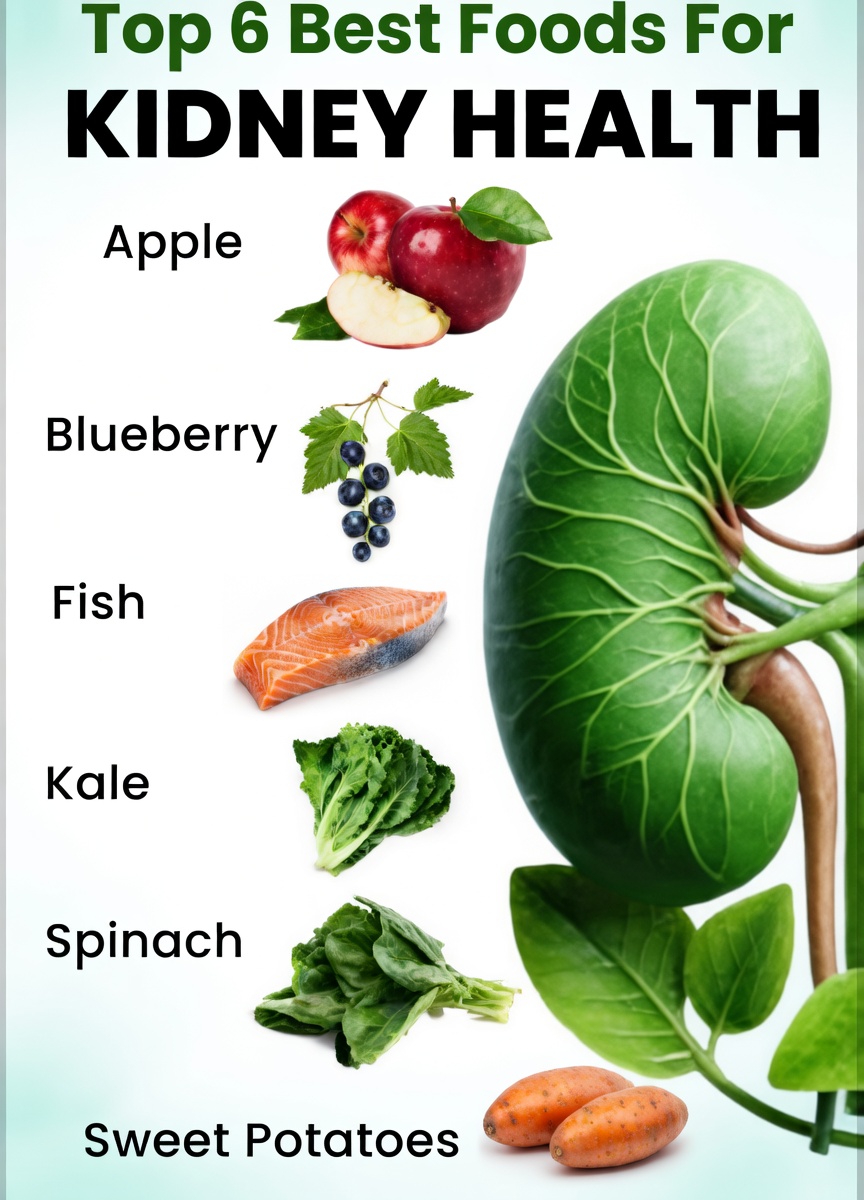
Safe vs. Risky Fats at a Glance
| Category | Safer Choices | Fats to Limit | Why It Matters |
|---|---|---|---|
| Type of fat | Olive oil, canola oil | Butter, lard | Can support healthier cholesterol balance |
| Common food sources | Avocados, flaxseeds, fatty fish | Fried foods, processed snacks | May help lower inflammation concerns |
| Everyday use | Moderate portions | Less frequent use | Supports heart and kidney wellness |
Even small adjustments in these areas can add up over time without making your diet feel restrictive.
Everyday Tips for Choosing Better Fats
Knowing the difference is helpful, but daily habits are what make the biggest impact. These practical steps can help you make better fat choices more consistently:
- Read nutrition labels on packaged foods and cooking oils.
- Check saturated fat and trans fat amounts before buying.
- Replace butter with a light amount of olive oil when cooking vegetables.
- Use canola oil in baking instead of less heart-friendly fats.
- Choose unsalted peanuts or seeds for a snack in moderate portions.
- Bake, grill, or roast foods instead of frying them.
Another easy change is making simple dressings at home. For example, avocado oil mixed with lemon juice and herbs can be a fresh alternative to bottled dressings that may contain less desirable fats.
You can also pay attention to how your body feels after making these swaps for a week or two. Many people find that emphasizing food quality instead of strict restriction makes eating feel more satisfying and sustainable.
Easy Meal Ideas Using Safer Fats
Healthy fat choices do not require complicated cooking. You can work them into meals you already enjoy.
- Breakfast: Cook eggs in a teaspoon of canola oil and add sliced avocado on top for extra texture and satisfaction.
- Lunch: Make a salad with olive oil dressing, flaxseeds, and grilled fish for a simple meal with omega-3 benefits.
- Dinner: Stir-fry vegetables in avocado oil and serve them with lean protein and a small portion of peanuts or seeds for crunch.
These meal ideas are straightforward, flavorful, and aligned with more kidney-conscious fat choices.
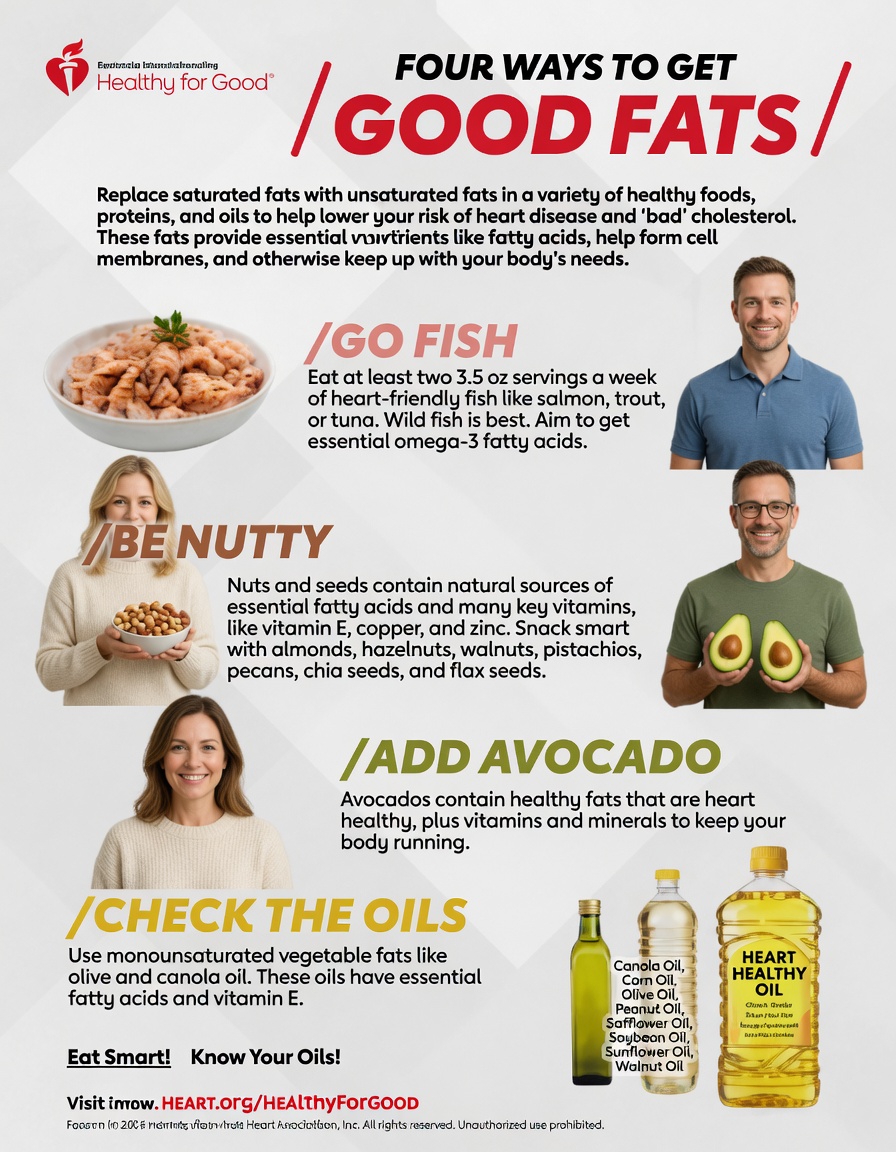
What to Remember Going Forward
Choosing fats that better support kidney health does not have to be difficult. Once you know what to reach for, everyday decisions become much easier. Olive oil, canola oil, avocado oil, and omega-3-rich foods are flexible options that fit naturally into many meals. At the same time, being more mindful of trans fats, butter, lard, coconut oil, palm oil, and heavily fried or processed foods can help you reduce less helpful fats.
Simple habits such as reading labels, changing the oils you cook with, and enjoying nuts or seeds in moderate portions can become part of your normal routine. Often, the most surprising part is how easily these improvements fit into foods you already like.
FAQ
Can I still eat nuts like peanuts if I am monitoring kidney health?
Yes, in moderation. Peanuts contain monounsaturated fats that many experts consider a better choice. It is best to choose unsalted versions and keep portions reasonable.
Is olive oil the best option for all cooking?
Not always. Olive oil is excellent for lower-heat cooking and dressings, while canola oil and avocado oil may be better for higher-temperature cooking. The best option depends on the recipe and your personal taste.
How can I tell if a food contains too many risky fats?
Start with the nutrition facts label. Look at the saturated fat and trans fat content. If the ingredient list includes hydrogenated oils or large amounts of butter or palm oil, it may be a food to eat less often.
Important Note
This article is for informational purposes only and does not replace professional medical advice. Always speak with your healthcare provider or a registered dietitian before making dietary changes, especially if you have kidney-related health concerns.