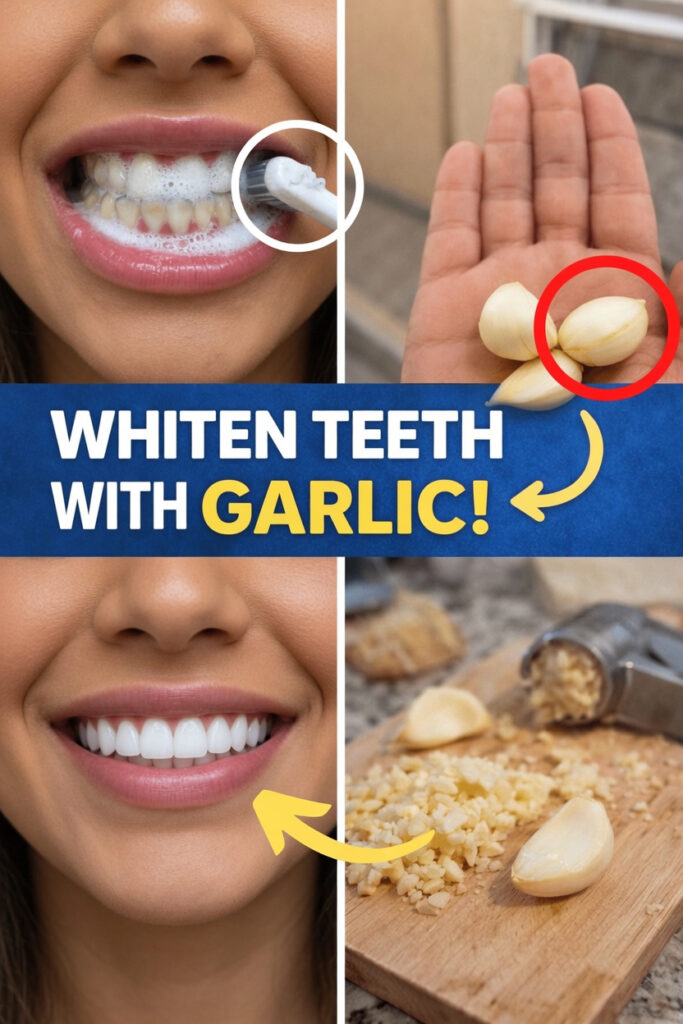
Garlic for Teeth Care: Can It Help Support a Cleaner, Brighter Smile?
Many people become uneasy when they notice yellow tones or buildup on their teeth, especially during face-to-face conversations or when smiling for pictures. Over time, daily habits such as drinking coffee or tea, or eating richly colored foods, can gradually stain the teeth and make them appear less bright. For some, that change can affect confidence in social settings. This leads to an interesting question: could a familiar kitchen staple like garlic have a place in an oral care routine?
Garlic has long been used in traditional wellness practices, and early scientific interest has focused on its natural compounds and how they may support oral hygiene. But can it truly contribute to a brighter-looking smile? To answer that, it helps to look at the causes of tooth discoloration, the science behind garlic, and the safest ways to use it at home.
Why Teeth Become Discolored
Tooth staining is extremely common and often develops little by little. The enamel can collect surface stains from foods, drinks, and lifestyle habits. In addition, tartar—hardened plaque—can leave teeth looking darker, rougher, and less polished.
Some people choose whitening strips, gels, or professional dental treatments. Others prefer to try milder, home-based options before moving on to stronger methods. Garlic, despite being best known for its bold taste and smell, contains active compounds that have attracted attention in oral health discussions.
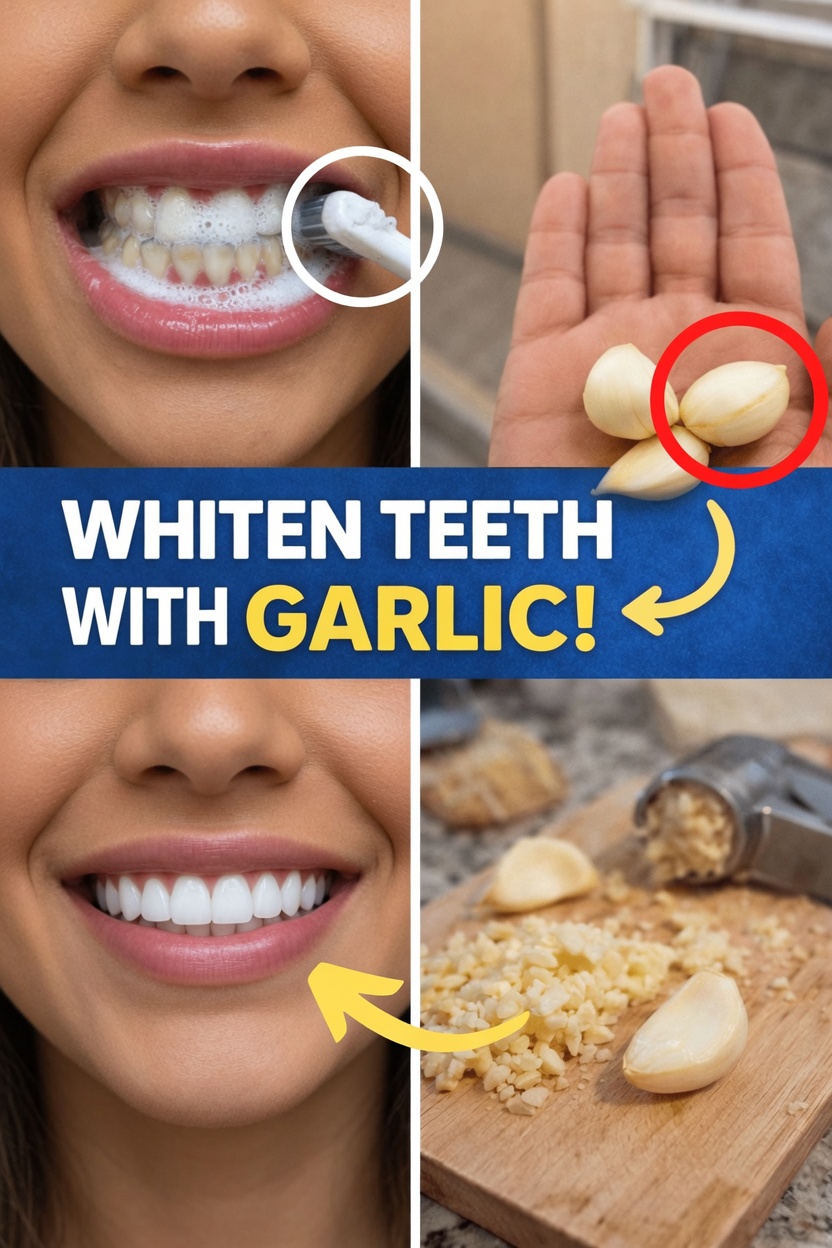
Garlic and Oral Health: What the Science Suggests
When garlic is chopped or crushed, it produces allicin and other sulfur-based compounds. These substances have been studied for their antimicrobial effects in different health contexts.
In oral care research, plant-derived ingredients have been explored for their ability to reduce bacteria linked to plaque buildup. Garlic is not a substitute for brushing, flossing, or professional dental care, but some early findings suggest it may help support a healthier environment in the mouth when used carefully.
A few small studies on natural antimicrobial agents have also suggested possible benefits related to fresher breath and gum support. Still, the evidence is limited and mixed, so garlic should be viewed as a complementary option rather than a proven treatment.
Can Garlic Actually Make Teeth Look Whiter?
Home remedy discussions often describe garlic as a natural aid for whiter teeth. The idea is not that garlic bleaches the enamel, but that its natural compounds may help reduce bacteria or support cleaner surfaces, which could make teeth appear less dull over time.
It is important to keep expectations realistic. Garlic does not work like peroxide-based whitening products and does not contain the same kind of bleaching ingredients used in professional treatments. If it offers any visible benefit, that effect would likely be indirect and modest rather than dramatic.
Some people who use natural methods consistently say their teeth feel cleaner afterward. However, outcomes vary widely depending on diet, brushing technique, plaque buildup, and overall oral hygiene habits.
Simple Ways to Add Garlic to Your Oral Care Routine
If you want to experiment with garlic in a cautious and practical way, there are a couple of gentle methods to consider. These should be treated as supportive home practices, not medical solutions.
Step-by-Step Garlic Rinse
One of the easiest approaches is a diluted garlic rinse.
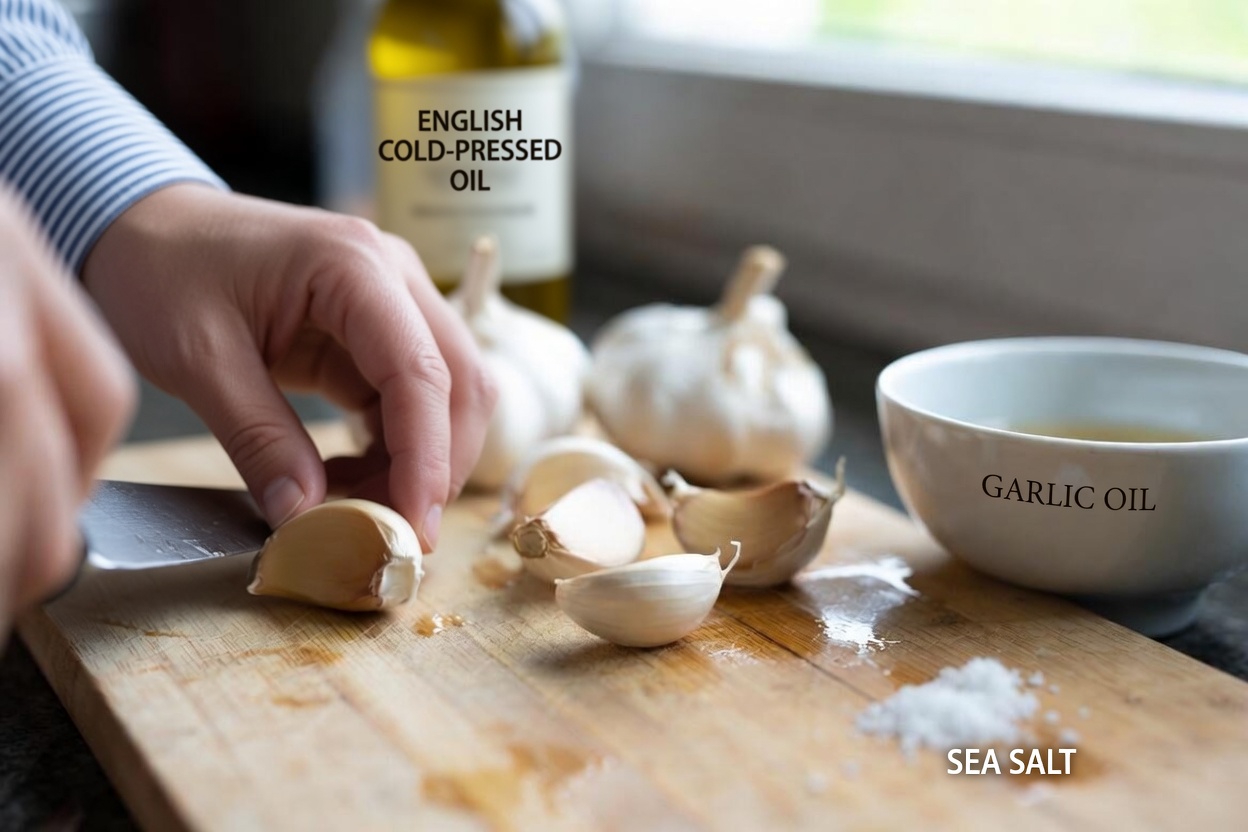
- Take 1 fresh garlic clove, peel it, and crush it well.
- Let the crushed garlic rest for 5 to 10 minutes so the active compounds can fully develop.
- Add it to about 1 cup of warm water.
- Mix in a small pinch of sea salt if desired for a mild soothing effect.
- Swish the mixture gently around your mouth for 30 to 60 seconds.
- Spit it out and rinse thoroughly with plain water.
- Brush your teeth right away with fluoride toothpaste.
This method is quick, inexpensive, and easy to prepare with common household ingredients.

Garlic and Baking Soda Paste
Another widely discussed option combines garlic with baking soda. Baking soda is known for its mild polishing action and may help lift some surface stains.
- Finely crush 1 garlic clove.
- Mix it with 1/2 teaspoon of baking soda.
- Add a few drops of water until it forms a soft paste.
- Apply a very small amount to the teeth using a clean finger or a soft toothbrush.
- Brush gently for about 1 minute.
- Rinse your mouth well afterward.
- Limit use to 2 or 3 times per week.
Before using this method fully, test a small area first. Stop immediately if you notice burning, irritation, or sensitivity.
Important Safety Tips Before Trying Garlic on Teeth
Even though garlic is a common food, direct contact with the mouth can still cause irritation. Its active compounds are strong, and some people—especially those with sensitive gums, dental work, or oral inflammation—may react more easily.
Keep these precautions in mind:
- Do not use pure garlic oil or highly concentrated garlic extracts in the mouth.
- Avoid frequent use, since overdoing it may irritate the gums or contribute to enamel wear when combined with abrasive ingredients.
- Talk to your dentist first if you have braces, implants, crowns, veneers, or recent dental treatment.
- Stop using it right away if you feel pain, swelling, burning, or lasting sensitivity.
- Continue to prioritize brushing, flossing, and routine dental checkups over any home remedy.
Garlic vs. Other Natural Teeth-Care Options
Many people compare garlic with other kitchen-based oral care ideas. Each has different strengths and limitations.
- Garlic: Valued for antimicrobial potential; has a strong taste and smell; best used occasionally.
- Baking soda: Offers gentle surface polishing; widely used in oral care; can help remove light external stains.
- Strawberry mash: Contains malic acid, which is sometimes linked to stain reduction; taste is more pleasant, but use is less practical year-round.
- Oil pulling with coconut oil: May help reduce bacteria through extended swishing; mild in flavor, though it takes more time.
None of these methods should be seen as replacements for professional whitening or a consistent daily hygiene routine.
A Better Daily Routine for a Healthier Smile
If your goal is cleaner, brighter-looking teeth, the most effective strategy is to combine any natural remedy with strong daily habits.
- Brush twice a day for a full two minutes using a soft-bristled toothbrush.
- Use fluoride toothpaste regularly.
- Floss every day to remove plaque between teeth.
- Reduce intake of staining drinks and foods when possible.
- Rinse with water after consuming coffee, tea, or deeply pigmented meals.
- Drink enough water to support saliva production, which helps naturally clean the mouth.
- Visit your dentist every six months for professional cleaning and routine exams.
These basic practices make the biggest difference and create the best conditions for any supportive ingredient, including garlic, to have a possible benefit.
Frequently Asked Questions
How often can garlic be used safely for oral care?
In most cases, garlic-based rinses or pastes should be limited to no more than 2 to 3 times per week. Using them every day may increase the chance of gum irritation or sensitivity.
Will garlic whiten teeth like professional whitening treatments?
No. Garlic does not deliver the same kind of brightening effect as dental whitening products or in-office procedures. At most, it may support a cleaner-feeling mouth and contribute subtly to a healthier-looking smile over time.
Is a strong garlic taste or smell normal?
Yes. Garlic naturally contains sulfur compounds that create its noticeable flavor and odor. Rinsing thoroughly and brushing afterward usually helps reduce the lingering smell.
Final Thoughts
Using garlic as part of a home oral care routine can be an interesting natural approach, especially for those who prefer simple kitchen-based remedies. Its antimicrobial compounds may offer some supportive value, but it should not be relied on as a primary whitening solution.
For a smile that looks and feels its best, the real foundation remains consistent brushing, flossing, healthy daily habits, and professional dental guidance. If you choose to try garlic, do so carefully, pay attention to how your mouth responds, and keep your routine balanced and safe.