Nighttime Diabetes Symptoms: 9 Warning Signs That Often Appear After Dark
Many people wake up several times during the night feeling thirsty, uneasy, overheated, or just not quite right, then spend the next day exhausted and mentally drained. What seems like a small sleep problem can gradually turn into ongoing fatigue that affects focus, mood, work, and everyday well-being.
These disturbed nights may feel unpredictable at first, but they can sometimes reflect blood sugar changes that become more noticeable in the evening, when the body should be recovering and resting. The good news is that recognizing these patterns early may help you make simple daily changes that improve sleep and how you feel overall. There is also one easy evening habit, often overlooked, that can make nights feel much more comfortable.
Why Diabetes Symptoms Often Feel Stronger at Night
Blood sugar does not remain constant throughout the day and night. Some effects become especially noticeable when you are trying to sleep. According to findings highlighted by the American Diabetes Association, high glucose levels can make the kidneys work harder, causing the body to lose more fluid. This can lead to a frustrating cycle of thirst and repeated trips to the bathroom that interrupts sleep.
At the same time, nerve-related discomfort linked to elevated blood sugar may seem more intense at night because there are fewer distractions than during the day. What makes this especially important is that these nighttime changes may show up before clearer daytime symptoms develop, giving you an early chance to pay attention.
9 Diabetes Symptoms That Commonly Show Up at Night
Below are nine of the most commonly reported nighttime signs linked to diabetes. Understanding them can help you recognize what may be affecting your rest and why it matters.
1. Frequent Nighttime Urination
If you get out of bed two or more times to urinate, even without drinking much in the evening, high blood sugar may be a factor. Excess glucose can pull more water into the urine, forcing the kidneys to keep filtering.
Research published in the Journal of Clinical Sleep Medicine suggests that this pattern can significantly reduce sleep quality. One simple step to try is setting a fluid cutoff in the evening, such as after 7 p.m., to see whether bathroom visits become less frequent.
2. Strong Thirst and Dry Mouth
Waking up desperate for water, despite drinking enough before bed, can also point to fluid loss overnight. Frequent urination may leave you dehydrated, which then triggers intense thirst.
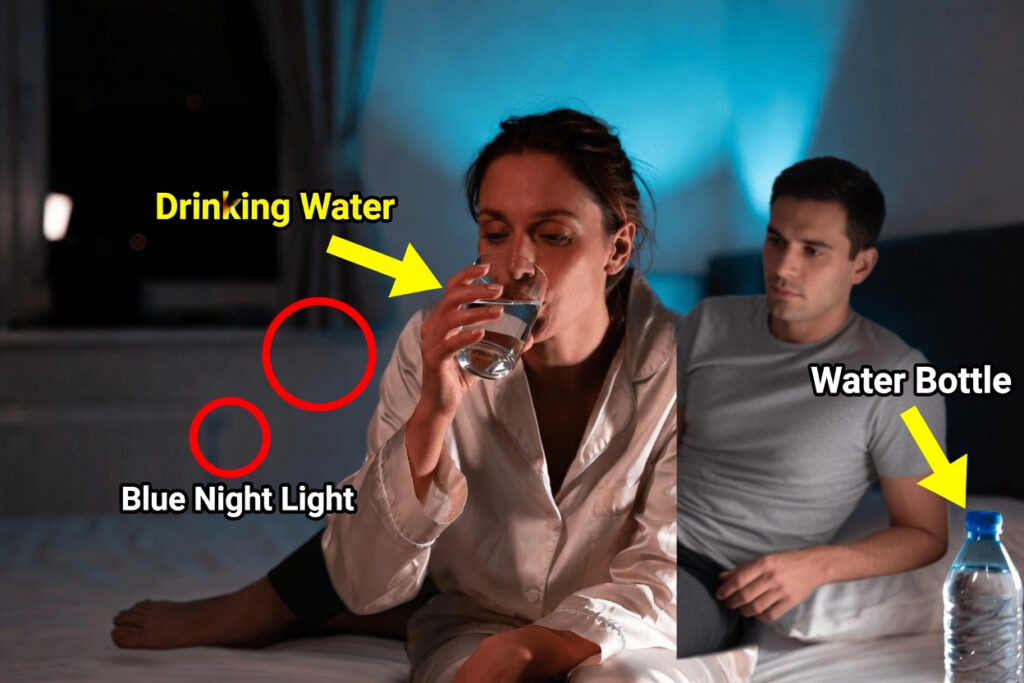
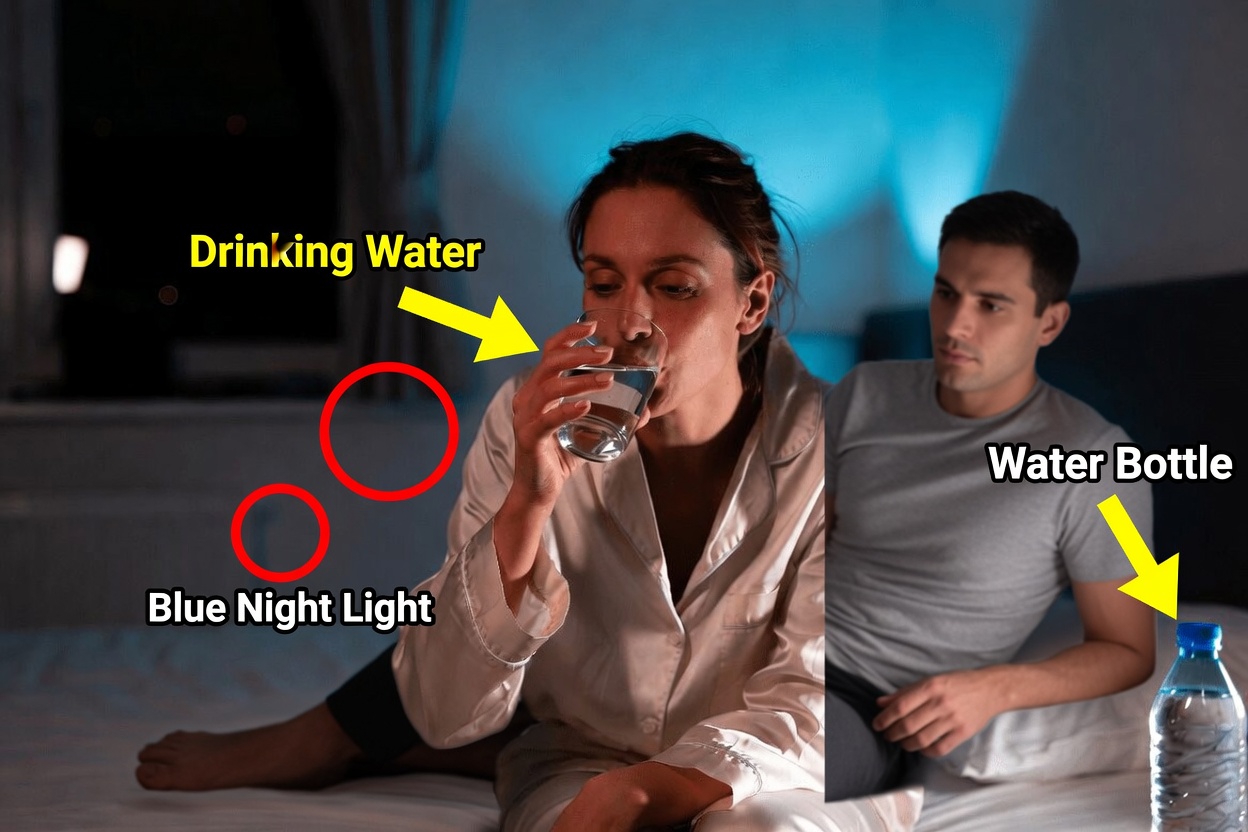
This often creates a cycle: you drink more water, then need to urinate again. Many people do better by keeping a small glass of water nearby and taking small sips instead of drinking too much at once.
3. Tingling, Burning, or Pain in the Feet and Legs
A prickling, burning, or painful feeling in the lower legs or feet can make it hard to relax in bed. This is commonly associated with nerve changes that may feel worse when the body is still.
Simple habits such as gentle stretching before sleep or slightly elevating your legs may help reduce discomfort for some people.
4. Night Sweats or Feeling Suddenly Hot
If you wake up sweaty or feel overly warm even when the room is cool, changing blood sugar levels may be involved. The body can respond to these shifts by producing extra sweat as it tries to regain balance.
Using breathable bedding and keeping air circulating with a fan can help improve comfort during the night.
5. Leg Cramps That Wake You Up
Sudden cramping in the calves or feet can interrupt sleep without warning. Dehydration and changes in electrolyte balance linked to blood sugar fluctuations may make cramps more likely overnight.
A quick stretch for the calves can bring relief, and some people find that a magnesium-rich snack earlier in the evening helps, if approved by their doctor.
6. Restless Legs That Will Not Calm Down
An urge to move your legs, especially when trying to fall asleep, can be another nighttime issue. This feeling may overlap with nerve discomfort and often becomes more noticeable during quiet, inactive moments.
Light walking before bed or soaking the feet in warm, not hot, water may help ease the sensation.
7. Trouble Falling Asleep or Staying Asleep
Even if you are not waking to use the bathroom, blood sugar changes can still interfere with restful sleep. Some people find themselves unusually alert at bedtime or waking repeatedly through the night.
Because blood sugar swings can affect natural sleep rhythms and hormones, a regular evening routine may help. Dimming the lights and reducing stimulation about an hour before bed can support better sleep over time.
8. Morning Headaches or Waking Up Exhausted
Sometimes the first clue appears in the morning. You may wake up with a headache, low energy, or a heavy, drained feeling even after spending enough time in bed.
Overnight glucose fluctuations can leave the body without stable energy, which may explain that worn-out feeling. Writing down how you feel each morning can help reveal patterns worth discussing with a healthcare provider.
9. Blurry Vision or Trouble Focusing at Night
If things seem slightly blurred when you get up during the night or glance at the clock, blood sugar-related fluid changes in the eyes may be responsible. These shifts can be easier to notice in dim lighting.
In many cases, vision improves once blood sugar is more stable, but recurring episodes should still be noted.

Quick List of Nighttime Diabetes Warning Signs
For easy reference, here are the nine signs again:
- Frequent trips to the bathroom during the night
- Ongoing thirst or dry mouth
- Tingling, burning, or pain in the feet or legs
- Night sweats or feeling too warm
- Sudden leg cramps
- Restless legs
- Difficulty falling asleep or staying asleep
- Morning fatigue or headaches
- Blurred vision in low light
Simple Steps You Can Start Tonight
You do not need extreme changes to improve your nights. A few practical habits may help you feel more rested:
- Stop drinking large amounts of fluid after dinner
- Choose water instead of sugary or caffeinated beverages in the evening
- Spend five minutes stretching your legs and feet before bed
- Use breathable cotton sheets and keep the bedroom slightly cooler
- If your doctor agrees, have a small early-evening snack with protein and healthy fat
- Go to bed and wake up at the same time each day to support a steady routine
There is also one surprisingly helpful habit that many people ignore: checking your feet every evening and applying a light moisturizer with a gentle massage. This can help reduce neuropathy-related discomfort while also promoting relaxation before sleep.
How These Symptoms Can Affect Daily Life
Nighttime diabetes symptoms can do more than interrupt sleep. Over time, they can influence concentration, emotional balance, physical energy, and overall quality of life. The most important step is to notice recurring patterns without panicking.
Small, consistent adjustments can make a real difference. Working with your healthcare team can also help you understand what your symptoms mean and which strategies are most appropriate for you.
Frequently Asked Questions
Can these nighttime symptoms happen even if blood sugar is normal?
Yes. Occasional thirst, cramps, or poor sleep can also be linked to stress, diet, dehydration, or other health issues. But if several of these symptoms happen often or appear together, it is a good idea to speak with your doctor.
Do I need special devices to monitor these symptoms at home?
No. You do not need advanced equipment to start noticing patterns. A simple notebook can be enough to record how often you wake up, what symptoms you feel, and how you feel in the morning.
Can changing my evening routine really make a difference?
For many people, yes. Habits such as limiting late fluids, stretching gently, and following a consistent bedtime routine can reduce nighttime disruptions. Results vary, so professional medical guidance is always the best approach.
Important Note
This article is for informational purposes only and should not replace professional medical advice. Always consult a qualified healthcare provider for guidance about your symptoms, blood sugar concerns, and overall health.