
5 Common Changes After 80 and Simple Ways to Feel Better Every Day
As the years go by, it is natural for your body to change in ways that influence movement, sleep, energy, and daily comfort. After 80, these shifts can become more noticeable. You may feel more tired, less flexible, or find that routine activities take a bit more effort than they once did.
The encouraging news is that many of these age-related changes can be managed with awareness and a few gentle lifestyle adjustments. When you understand what your body is going through, it becomes easier to support your wellbeing and stay active for longer.
In this guide, we will look at five common changes many adults experience after age 80 and share practical tips to help improve comfort and quality of life. At the end, you will also learn about one simple daily habit that can have a surprisingly positive impact.
Why the Body Changes After 80
Turning 80 is a major life milestone and something to be proud of. Along with that achievement, the body naturally begins to function differently. Skin may become thinner, energy may drop more quickly, sleep can become lighter, and circulation may not feel the same as before.
Researchers suggest that these changes are often connected to slower cellular repair, reduced circulation, and shifts in the way the body handles inflammation. Even so, many older adults continue to live comfortably and actively by making small, consistent choices that support their health.
Let us take a closer look at some of the most common experiences.
1. Skin Becomes Thinner and Bruises More Easily
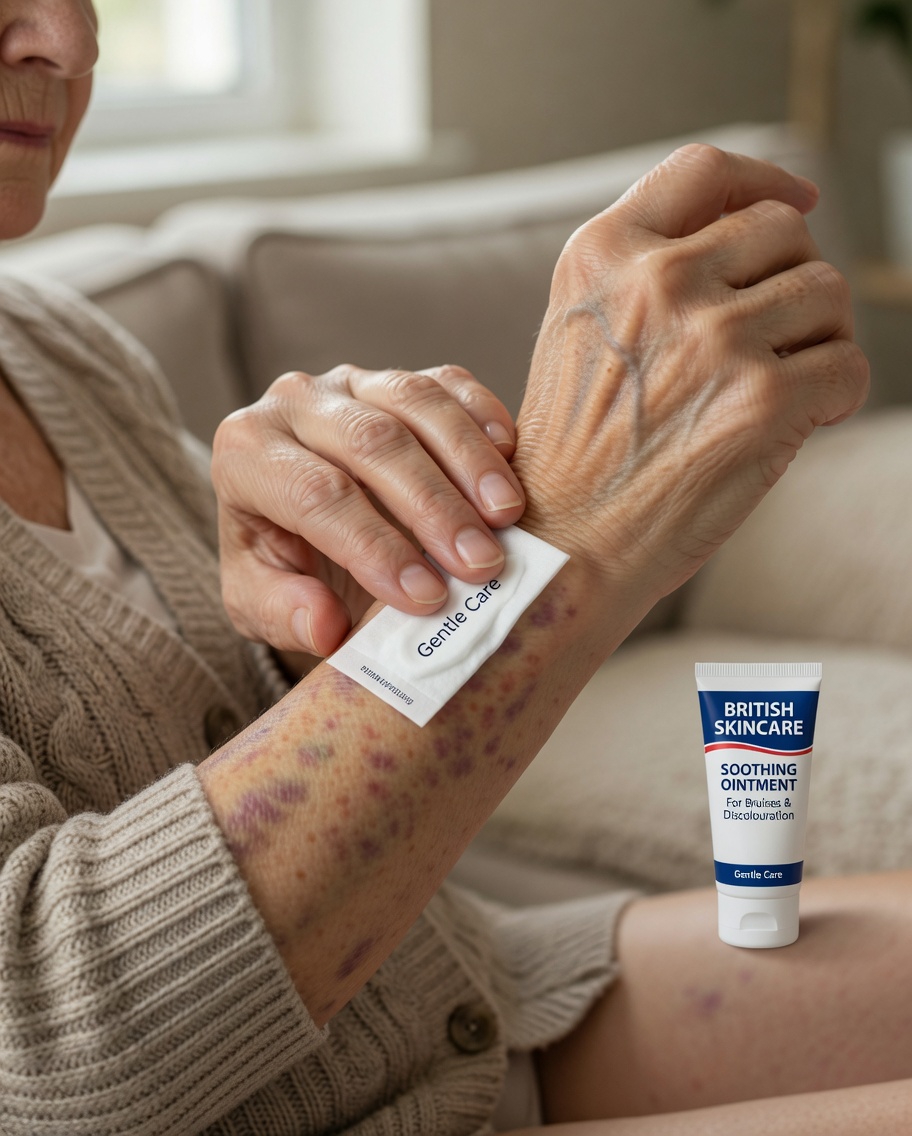
A common early sign of aging after 80 is more delicate skin. You may notice that minor bumps, light pressure, or small accidents leave visible marks more often than before. Bruises may also take longer to disappear.
This happens because the protective fat layer beneath the skin becomes thinner with age, while blood vessels grow more fragile. Skin also loses some elasticity, making it less resilient in everyday life.
To help protect aging skin:
- Apply a gentle, fragrance-free moisturizer every day
- Wear long sleeves or long pants outdoors to reduce accidental contact
- Drink water regularly to support skin hydration
- Choose warm showers instead of very hot ones, which can increase dryness
These simple habits can help improve comfort and lower the chance of frequent bruising.

2. Circulation May Slow and Veins Become More Noticeable
Another change many people notice is increased swelling in the feet or legs, especially after sitting or standing for too long. Veins may also appear more visible than before. These changes are often linked to reduced flexibility in blood vessels and slower circulation.
Poorer circulation can create a heavy feeling in the legs and occasional discomfort. Fortunately, light movement can make a meaningful difference.
Try these supportive habits:
- Take short walks around your home, yard, or hallway several times a day
- Raise your legs while sitting to help reduce swelling
- Ask your doctor whether compression socks may be helpful for you
- Add gentle stretching in the morning and evening
Many seniors say they feel less sluggish and more comfortable when they include regular movement in their daily routine.
3. Muscles and Joints Often Feel Stiffer
After 80, it is very common to wake up feeling stiff or to notice more tightness after sitting or resting. This is partly because muscles naturally lose strength and mass over time, while joints may not move as smoothly as they once did.
Even though stiffness can be frustrating, it does not mean you should stop moving. In fact, gentle daily activity is one of the best ways to support mobility and ease discomfort.
Helpful ways to stay flexible include:
- Begin the day with 5 to 10 minutes of easy stretching, even while still in bed
- Practice basic balance exercises, such as standing on one foot while holding a chair
- Join a senior exercise or movement class if one is available nearby
- Use a warm compress on sore or stiff areas for 10 to 15 minutes
The key is not intensity but consistency. A little movement every day can help your body feel looser and more capable.

4. Sleep Patterns Can Change With Age
Many adults over 80 notice that sleep becomes lighter and less predictable. You may find it harder to fall asleep, wake up more during the night, or rise earlier than you would like. As a result, mornings may feel less refreshing.
These sleep changes are often linked to natural shifts in hormones and the body’s sleep cycle. While this is common, there are still ways to improve the quality of your rest.
To support better sleep:
- Go to bed and wake up at the same time each day
- Create a calming evening routine with lower lights and no screens before bedtime
- Avoid caffeine and heavy meals later in the day
- Keep your bedroom cool, dark, and quiet
Better sleep can support mood, energy, concentration, and overall wellbeing.
5. Energy Drops Faster and Recovery Takes Longer
You may also notice that daily tasks leave you more tired than they used to. Activities that once felt easy may now require more rest afterward. Recovery can take longer because the body repairs itself more slowly with age, and energy production is not as efficient as it once was.
Although this is a normal part of aging, there are natural ways to support steadier energy levels.
Consider these strategies:
- Eat balanced meals with protein, healthy fats, and a variety of colorful vegetables
- Schedule short breaks during the day instead of pushing through exhaustion
- Stay socially connected with loved ones to keep your mind active and uplifted
- Practice deep breathing or a few minutes of quiet meditation each day
These gentle habits can help many older adults feel more stable, positive, and capable throughout the day.
The Simple Daily Habit That Can Make a Real Difference
One of the most helpful habits for overall comfort after 80 is combining gentle daily movement with proper hydration and regular skin care. Research continues to show that light physical activity, along with meeting your body’s basic needs, can support better comfort, mobility, and energy over time.
You do not need to change everything at once. Start with one or two small actions from this article and build from there. A short daily walk, more water, or moisturizing your skin each morning may seem minor, but these small routines can add up quickly.
After just a few days of consistency, you may begin to notice a real difference in how you feel.
Frequently Asked Questions
What is one of the most common changes people notice after 80?
More fragile skin and easier bruising are among the changes many older adults notice first. Daily skin care can help reduce discomfort and protect the skin.
Can I still stay active after 80 if my body feels different?
Yes. Gentle activity that matches your comfort level can help support strength, mobility, and energy. It is always best to speak with your healthcare provider before starting any new exercise routine.
Does sleep really affect how I feel during the day?
Absolutely. Good sleep is closely connected to mood, physical comfort, and energy. Even small improvements to your evening routine may help you rest better.
What should I do first if I want to feel more comfortable?
A good place to begin is with simple daily habits such as moisturizing your skin, drinking enough water, and taking short gentle walks. These steps are easy to start and often bring noticeable benefits.
Final Note
Everyone experiences aging differently. The information in this article is meant for general educational purposes only and should not replace professional medical advice. For guidance that fits your personal health needs, speak with your doctor or healthcare provider.