
Ibuprofen After 60: What Older Adults Should Know About Pain Relief and Heart Health
As people age, many adults over 60 rely on familiar over-the-counter medicines such as ibuprofen to relieve everyday joint stiffness, minor muscle soreness, and other common aches. While that may seem like a simple and convenient solution, aging can change how the body responds to medication, especially in relation to cardiovascular health.
That is why paying closer attention matters. Small daily choices can shape long-term comfort, mobility, and energy more than many people realize. The encouraging part is that staying informed can help you and your healthcare provider find practical, personalized ways to manage discomfort while supporting overall wellness.
Why Pain Relief Choices for Seniors Are Getting More Attention
Current health conversations increasingly focus on how common medications affect the body later in life. Ibuprofen is part of a category called nonsteroidal anti-inflammatory drugs, or NSAIDs, which are widely used for temporary pain relief.
However, research discussed by organizations such as the U.S. Food and Drug Administration suggests that adults over 60 may need to think more carefully about these medicines, particularly when heart health is involved. This does not mean ibuprofen is unsafe for everyone. It means that age, medical history, and medication use all matter, making doctor guidance especially important.

What Research Says About Ibuprofen in Older Adults
Medical reviews have examined how NSAIDs like ibuprofen may influence blood pressure, circulation, and blood vessel function over time. These concerns are especially relevant for people who already have risk factors tied to cardiovascular health.
Some findings suggest that using ibuprofen at higher doses or for longer periods may affect how the heart and blood vessels function in older adults. At the same time, many healthcare professionals view short-term, occasional use differently, particularly when it is done under medical supervision. The main point is that there is no one-size-fits-all answer.
Another important factor is how the body changes with age. Older adults often process medications more slowly than they did decades earlier. A medicine that felt routine in your 40s may deserve a second look in your 60s or beyond. For this reason, many cardiologists remind patients to treat over-the-counter medicines with the same caution they would give prescription drugs.
Questions Many Seniors Ask Their Doctors
If you are over 60 and use ibuprofen from time to time, it can help to bring specific questions to your next appointment. Common examples include:
- How could my ibuprofen use affect my blood pressure?
- Could it interfere with heart medications or other prescriptions I take?
- Would another pain relief strategy be safer or more effective for me now?
- What warning signs should I watch for if my routine needs to change?
Preparing a short list like this can make a regular checkup much more useful and help you leave with clearer guidance.
Why Heart Health Needs Extra Attention After 60
The cardiovascular system naturally changes with age. Kidney function may decline, circulation can shift, and chronic conditions may become more common. Because of these changes, certain medications can act differently than they once did.
This is one reason many health professionals advise older adults to review all over-the-counter products at least once a year. A simple medication review can uncover issues that might otherwise go unnoticed. Often, just becoming more aware of your habits can lead to small adjustments that support comfort and overall vitality.
Smart Steps You Can Take Right Now
You do not need to make major changes overnight. A few practical actions can help you stay proactive and informed:
- Schedule a medication review with your primary care doctor or cardiologist.
- Bring all medicines you use regularly, including ibuprofen and other nonprescription products.
- Keep a one-week record of when you take pain relievers and note changes in comfort, sleep, or energy.
- Ask whether a lower dose or shorter-term use might be a better fit for occasional pain.
- Discuss non-drug strategies such as gentle stretching or warm compresses for mild discomfort.
- Revisit your routine every six months, or sooner if your health changes.
Many older adults feel more confident after taking these simple steps, and even one conversation with a healthcare professional can bring valuable peace of mind.
Natural Lifestyle Habits That May Support Comfort
Medication is only one part of the picture. Many adults over 60 also find that healthy daily habits can help ease discomfort and support better overall function.
Low-impact activity, such as walking or swimming, may improve circulation and joint mobility without putting too much strain on the body. Eating a balanced diet with colorful vegetables and foods rich in omega fatty acids can also contribute to general wellness.
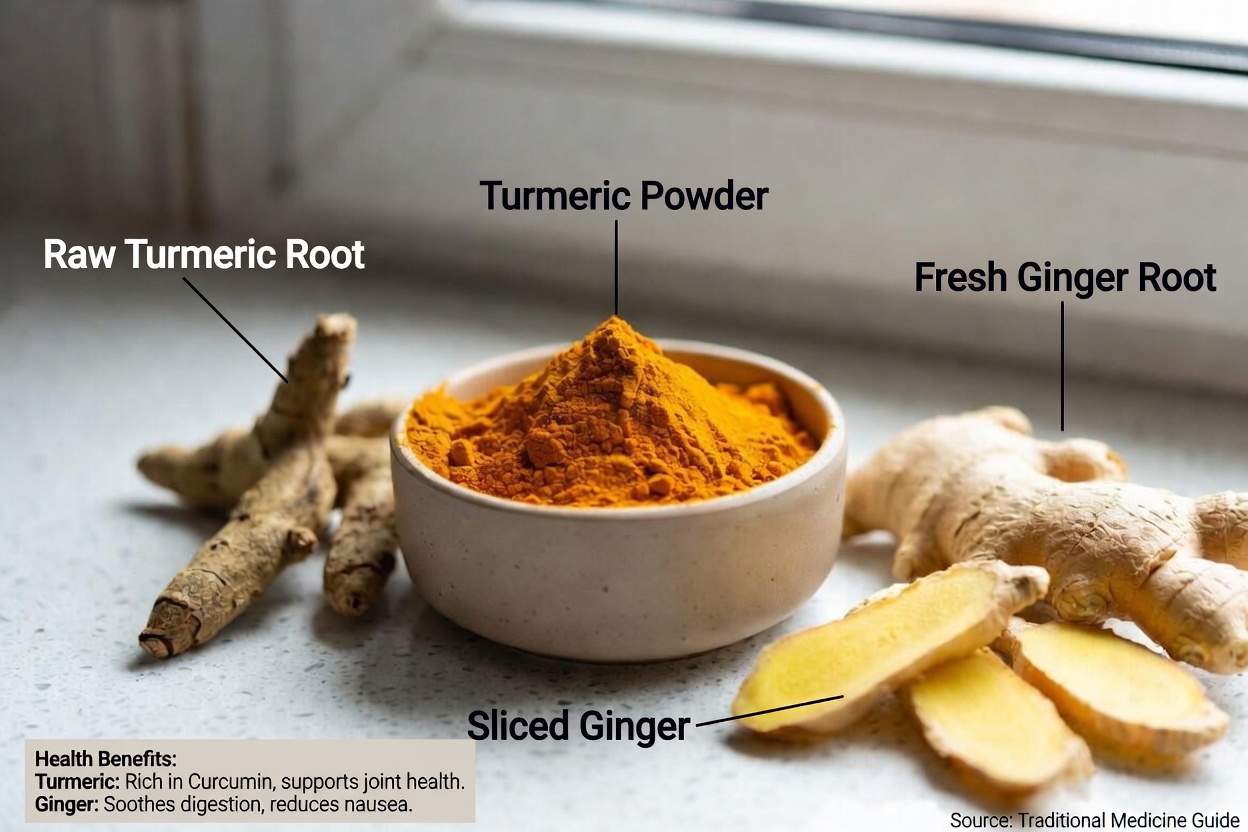
Some people also choose to include ingredients often used in traditional cooking that are now being discussed more often in wellness settings. Turmeric, known for its bright golden color, and fresh ginger are two common examples. Research has explored their potential role in supporting a healthy inflammatory response. They are not substitutes for medical treatment, but they may fit into a broader wellness routine when approved by a healthcare provider.
Two additional habits that are easy to overlook can also make a difference:
- Staying well hydrated throughout the day
- Prioritizing consistent, good-quality sleep
Together, these habits may help the body recover more efficiently from everyday wear and tear.
Comparing Common Approaches to Everyday Discomfort
Looking at different options side by side can make decision-making easier for older adults:
-
Ibuprofen and similar NSAIDs
- Can provide quick relief for occasional aches
- Best reviewed regularly with a doctor if used often or long term
-
Gentle movement and exercise
- Helps build strength gradually
- Supports mobility and cardiovascular health without medication
-
Cooking with ingredients like turmeric or ginger
- Easy to add to meals
- May offer supportive benefits according to some observational research
-
Physical therapy
- Provides a personalized plan
- Can help address the underlying cause of discomfort instead of only the symptoms
This kind of comparison shows that a balanced approach is possible. Pain management does not have to depend on only one strategy.

What This Means for Daily Life After 60
Taking a closer look at pain relief habits can have a meaningful impact on how you feel day to day. The goal is not necessarily to stop using familiar options like ibuprofen altogether. Instead, it is about using them wisely and pairing them with supportive habits that fit your age, health status, and lifestyle.
Many seniors who discuss these issues with their doctors and make a few practical adjustments say they feel more confident, more comfortable, and better informed about their choices.
FAQ
Is it safe to keep using ibuprofen if I am over 60 and do not have heart problems?
Many people continue to use ibuprofen occasionally without issues. Still, groups such as the American Heart Association recommend checking with your doctor to confirm that it remains appropriate for your individual health profile, especially if other risk factors are present.
What should I do if I notice changes after starting or stopping a pain reliever?
Contact your healthcare provider as soon as possible. They can help determine whether the change may be connected to the medication and guide you on the next steps based on your full medical history.
Are there natural ingredients that may help support general comfort?
Some adults like adding turmeric, ginger, or tart cherries to meals as part of a balanced diet. Early research suggests they may offer mild supportive benefits for some people. However, it is still important to ask your doctor first, especially if you take other medications.
Important Note
This article is intended for informational purposes only and should not be used as medical advice, diagnosis, or treatment. Always speak with a qualified healthcare professional before making changes to your medication or wellness routine.