Why Bad Breath May Not Be Coming From Your Teeth
You brush carefully, use mouthwash, and still wake up with stubborn bad breath every morning. Even gum and repeated rinsing only seem to help for a short time. Over time, this can become embarrassing and make everyday conversations feel uncomfortable.
What many people do not realize is that the source of the odor may have nothing to do with their teeth. In some cases, the problem comes from tiny deposits hidden inside the tonsils, where they often go unnoticed until symptoms become more obvious.
So what are these small deposits, and why do they appear? Here is a clear and simple guide to understanding them.
What Are Tonsil Stones?
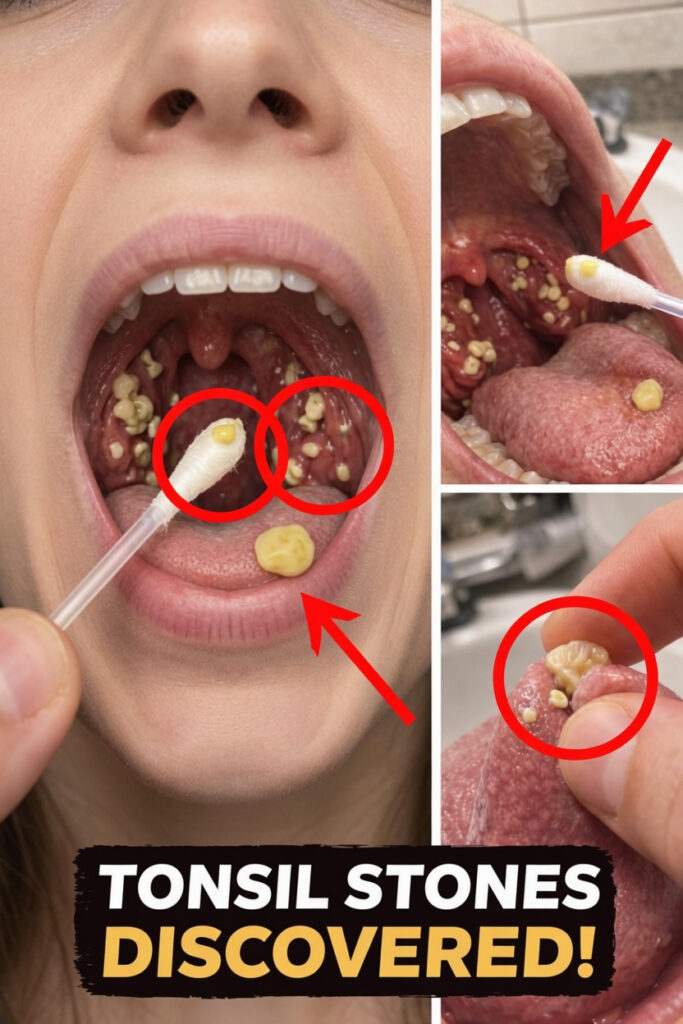
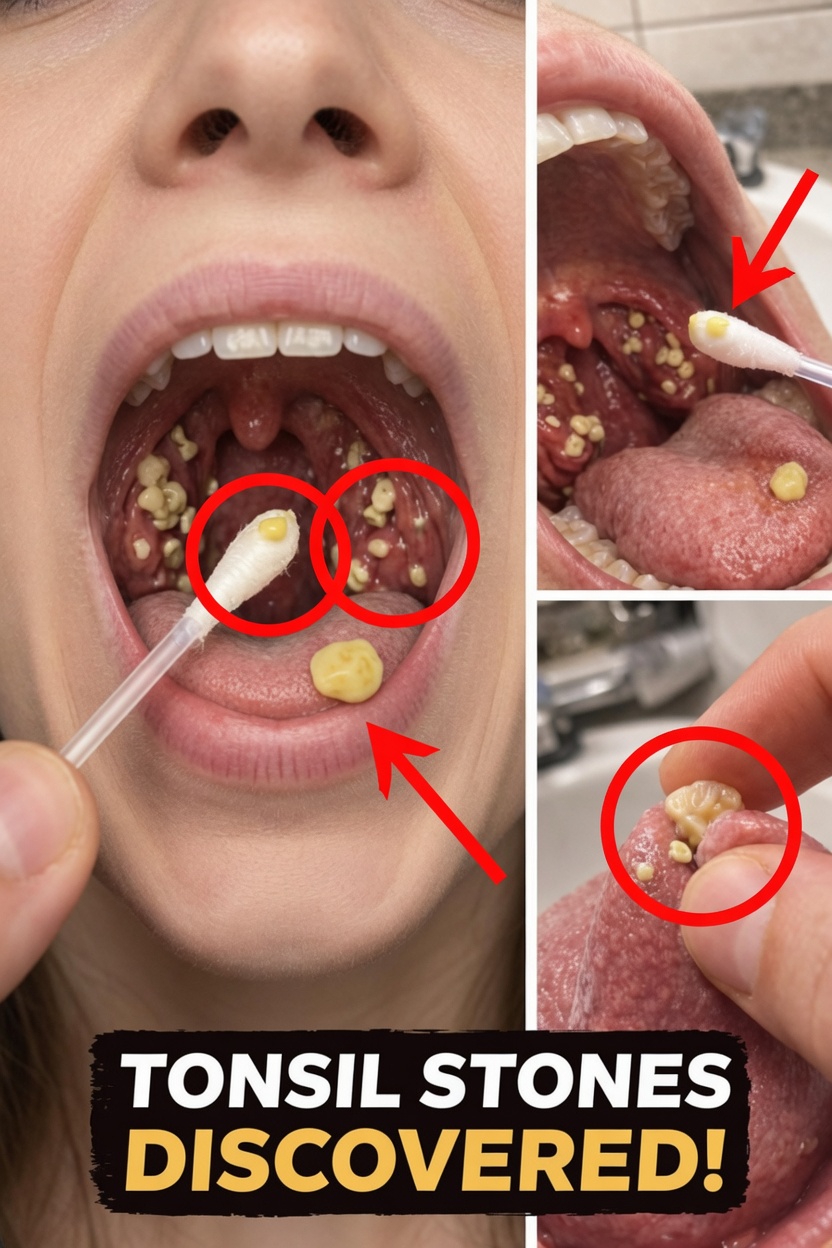
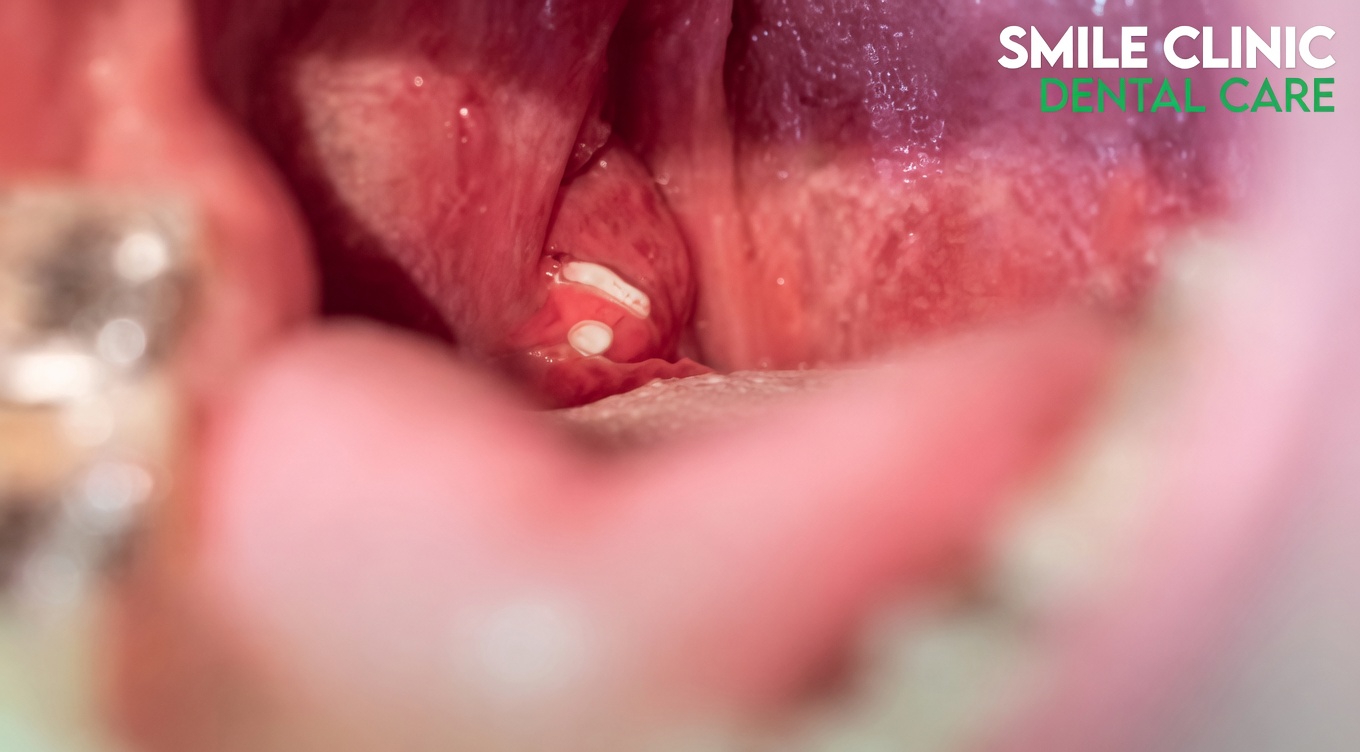
Tonsil stones, medically called tonsilloliths, are small hardened clusters that form inside the natural pockets of the tonsils. These pockets are known as tonsil crypts, and they can collect particles over time. The stones are usually white or yellow and may be as small as a grain or large enough to notice easily.
A lot of people have tonsil stones without knowing it. Some only experience mild throat irritation or a strange taste in the mouth. However, the symptom reported most often is persistent bad breath that does not fully improve with normal oral hygiene.
Experts believe these stones develop when bits of food, mucus, dead cells, and bacteria become trapped in the tonsils and gradually harden. This tends to happen more often in people with deeper tonsil crypts or recurring tonsil irritation.
Why Tonsil Stones Lead to Bad Breath
The main reason tonsil stones smell so unpleasant is the bacteria inside them. These bacteria release volatile sulfur compounds, which are the same odor-causing chemicals linked to strong bad breath. So even if your teeth and tongue are clean, the smell can continue because it is coming from deeper in the throat.
Some people also notice other symptoms, such as:
- A feeling that something is stuck in the throat
- Mild pain or irritation when swallowing
- Occasional discomfort that comes and goes
In many situations, tonsil stones stay small and fall out on their own without creating serious problems.
Research also shows that certain conditions may make tonsil stones more likely, including:
- Poor oral hygiene
- Long-term sinus issues
- Post-nasal drip
These problems can increase the amount of material available to collect in the tonsil crypts.
Signs You May Have Tonsil Stones
There are several common clues that may suggest tonsil stones are present:
- Bad breath that does not go away with brushing
- A bad or metallic taste in the mouth
- White or yellow spots near or on the tonsils
- A sore throat or repeated mild irritation
- The sensation of a foreign object in the throat
If these signs sound familiar, checking your tonsils in a mirror under bright light may sometimes reveal the deposits.
How Tonsil Stones Form
Tonsil stones do not appear instantly. They develop little by little as material becomes trapped in the folds of the tonsils. Although the tonsils help the body capture bacteria and fight infection, their structure can also allow debris to build up.
Common materials involved include:
- Leftover food particles
- Mucus from allergies, colds, or sinus drainage
- Dead skin cells from the mouth
- Naturally occurring bacteria in the throat
As time passes, this trapped matter can harden, especially when minerals such as calcium in saliva contribute to the process. That is why some people seem to get tonsil stones repeatedly while others rarely notice them.
Factors That May Increase the Risk
Several conditions can make tonsil stones more likely to form:
- Large tonsil crypts: More room for debris to collect
- Frequent throat infections: More inflammation and buildup
- Post-nasal drip: Additional mucus reaching the tonsils
- Dehydration: Thicker saliva that traps particles more easily
These factors do not guarantee tonsil stones, but they can create an environment where they develop more easily.
Safe Home Care for Tonsil Stones
It is not always possible to stop tonsil stones completely, but certain gentle habits may help reduce how often they appear. The goal is to support a cleaner, healthier mouth and throat.
Here are a few simple practices worth trying:
- Drink enough water during the day to support normal saliva flow
- Gargle gently with warm salt water after eating
- Use a soft toothbrush and clean the tongue regularly
- Try a water flosser on a low setting aimed carefully at the tonsil area, using proper technique
Many people notice fewer problems when they stay consistent with daily oral care.
Diet may also play a role. Some individuals find that cutting back on sugary foods or dairy products for a period helps reduce mucus or bacterial buildup, although results can differ from person to person.
When to Get Professional Advice
If tonsil stones become large, painful, or keep coming back often, it is a good idea to speak with a dentist or doctor. A professional can look for contributing causes and recommend the most suitable next steps for your situation.
Treatment suggestions depend on the severity and frequency of the problem, but the priority is always safe and appropriate care rather than quick at-home fixes.
Prevention Habits That Can Help
Long-term habits can make a real difference in reducing buildup and supporting better oral health overall. Consider adding these to your routine:
- Brush and floss consistently
- Clean your tongue as part of daily oral care
- Rinse your mouth with water after meals
- Address allergies and sinus concerns early
- Avoid smoking and limit alcohol, since both can dry out the mouth
These everyday actions can make the mouth and throat less favorable for debris accumulation.
Tonsil Stones FAQ
How common are tonsil stones?
They are fairly common, especially in adults who have deeper tonsil crevices. Many people experience them at some point without serious complications.
Can tonsil stones disappear on their own?
Yes. Small tonsil stones often come loose naturally while eating, swallowing, or coughing. Larger stones may require more attention.
Are tonsil stones contagious?
No. Tonsil stones are not contagious. They form from substances that are already naturally present in the mouth and throat.
Final Thoughts
Tonsil stones are a common yet often overlooked cause of ongoing bad breath. Learning what they are and how they develop can help you better understand the source of the problem and feel more in control of it.
With good daily habits and the right professional support when needed, tonsil stones can often be managed effectively. Keep in mind that each person’s experience is different, so the best approach may vary from one individual to another.