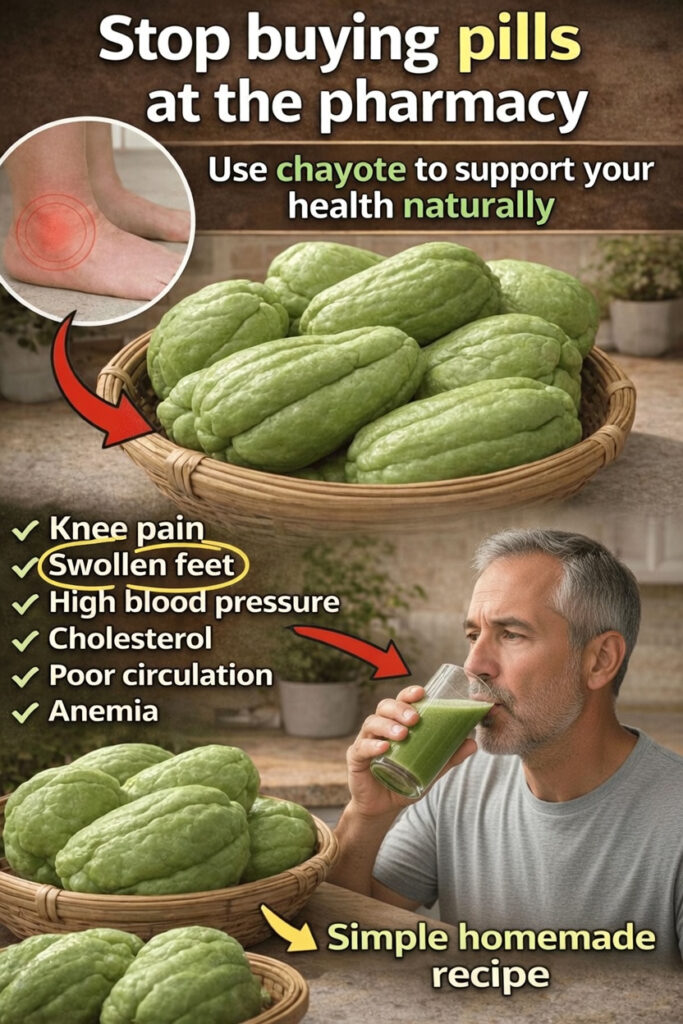
Chayote Squash: A Refreshing, Nutrient-Rich Vegetable for Everyday Wellness
Many people are looking for easy, natural ways to support daily wellness through better food choices. With busy schedules, work demands, and family responsibilities, it is not always simple to maintain steady energy and a strong sense of vitality. Adding nutrient-dense vegetables such as chayote squash to your meals can be a practical step toward a more balanced lifestyle. And if you keep reading, you will also find a simple recipe that many people enjoy as a fresh and hydrating addition to their routine.
What Is Chayote Squash?
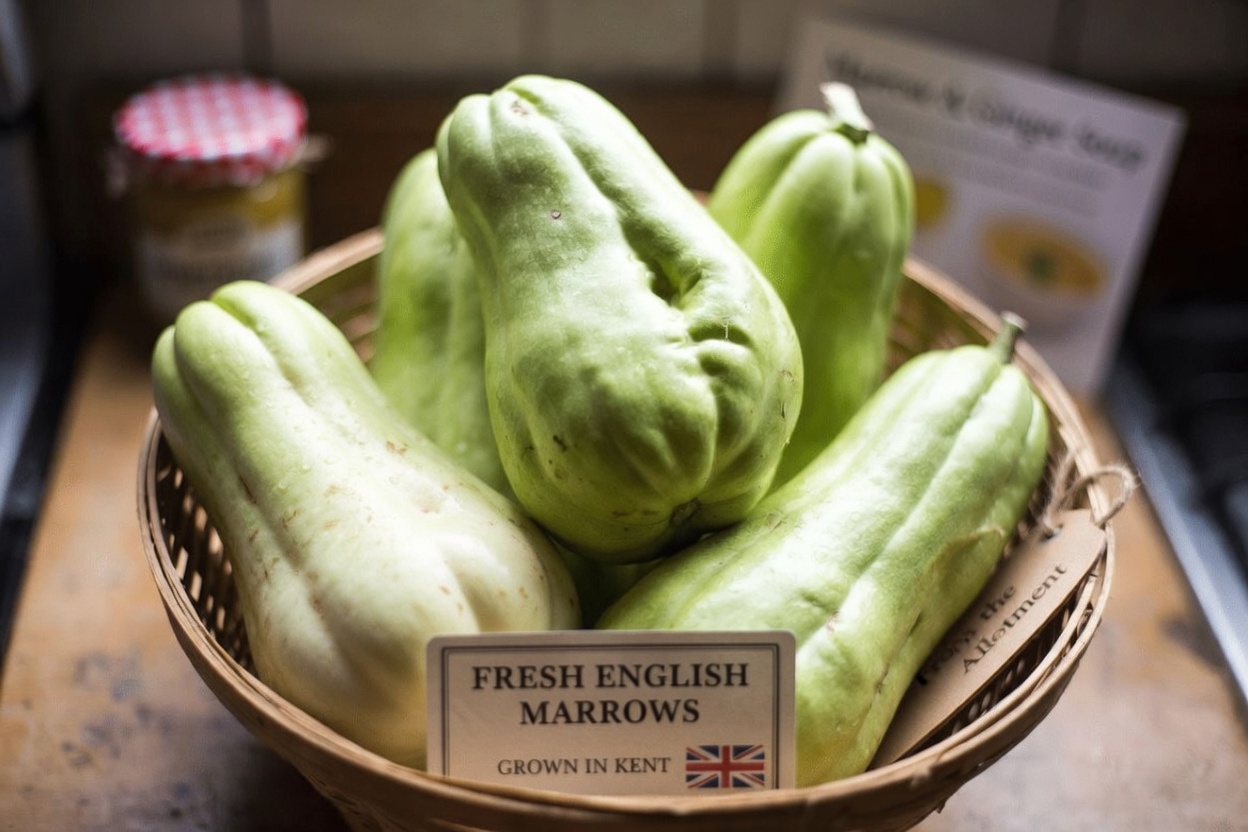
Chayote squash, sometimes called mirliton or vegetable pear, is a member of the gourd family and originally comes from Central America. It has pale green skin that may be either smooth or lightly wrinkled. Inside, the flesh is crisp, juicy, and mild in taste, with a flavor often compared to a blend of cucumber and potato. Although the whole plant is edible, the fruit is the part most commonly used in cooking around the world.
Its mild taste makes chayote especially versatile. It can be eaten raw, steamed, roasted, stir-fried, or blended into drinks. Because it absorbs herbs, spices, and seasonings well, it complements many different dishes without overpowering them.
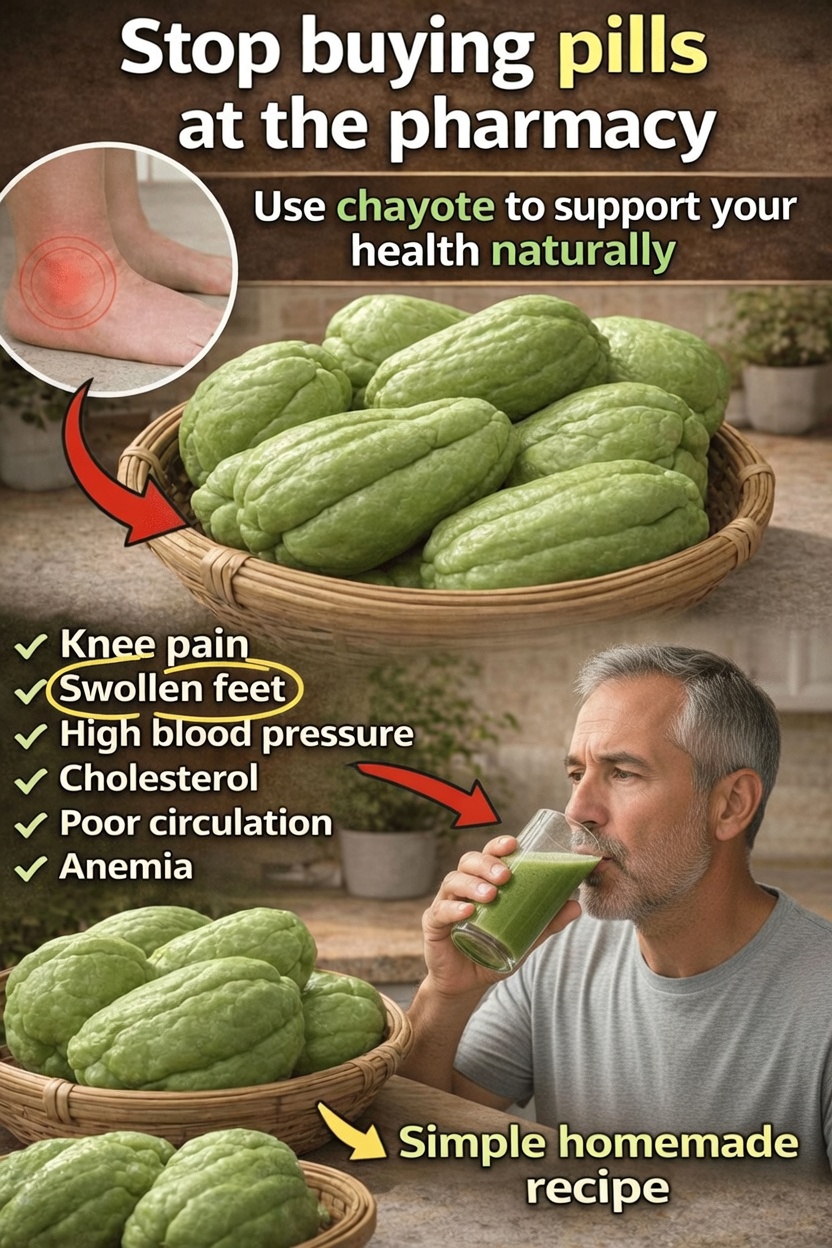
Chayote has become a favorite in Latin American and Asian cuisines, as well as in modern wellness-focused cooking. It is simple to prepare, easy to grow, and does not require complicated handling. That makes it a convenient choice for both beginner cooks and experienced home chefs who want to include more plant-based ingredients in everyday meals.
Key Nutritional Benefits of Chayote Squash
One reason chayote stands out is that it offers valuable nutrition while remaining low in calories. A medium chayote delivers hydration and useful nutrients without feeling heavy. Some of its main nutritional highlights include:
- Dietary fiber that helps support healthy digestion
- Vitamin C, an antioxidant that helps protect cells
- Folate, important for normal cell function
- Potassium, which supports fluid balance in the body
- Smaller amounts of vitamin K, copper, and manganese
- Natural flavonoids and other plant compounds
Because chayote is made up mostly of water, it also has a naturally refreshing quality. Health-focused sources such as Healthline and WebMD often note that it fits well into a nutrient-dense eating pattern. Research on similar vegetables also points to the importance of antioxidants in helping the body respond to everyday oxidative stress.
How Chayote Supports a Healthy Lifestyle
The combination of fiber, potassium, and antioxidant compounds in chayote has attracted attention in nutrition discussions about smart daily food choices. For example, potassium may help support normal blood pressure when included in a diet that is lower in sodium and rich in whole foods. Some studies involving related plant compounds have also explored possible benefits for metabolic health markers, especially in older adults, although outcomes vary and depend on overall lifestyle habits.
That said, no single food is a miracle solution. Chayote works best as part of a varied, balanced diet that includes colorful fruits, vegetables, whole grains, and lean protein sources. Its fiber content and relatively low glycemic impact may help support more stable energy levels, while its high water content contributes to hydration, something many people do not get enough of during the day.
Scientific reviews have examined chayote’s bioactive compounds and noted antioxidant activity in laboratory studies. Including this vegetable several times a week can be a smart complement to other healthy habits such as regular exercise, quality sleep, and stress management. This growing interest is one reason more home cooks are finding creative ways to use chayote in their kitchens.
Tips for Buying, Storing, and Preparing Chayote
The good news is that chayote is very easy to shop for and prepare. You do not need special tools or advanced cooking skills to use it successfully. Here are a few simple tips:
- Choose chayotes that feel firm and have even-colored skin
- Avoid any that show soft areas, bruises, or visible blemishes
- Store them in a plastic bag in the refrigerator for up to two weeks
- Rinse well under running water before cutting or peeling
- Peel the skin if you want a softer texture, or leave it on for extra crunch and fiber
- Slice around the center seed for most recipes, though the seed is edible when the squash is young
These basic habits make it easier to keep chayote available without wasting food. A simple way to start is to add it to one meal each week, then use it more often as you become comfortable with it.
Easy Chayote Green Juice Recipe
If you want a fast and refreshing way to enjoy this vegetable, this green juice is a great place to begin. It is light, hydrating, and simple to make with everyday ingredients.
Ingredients for 2 Servings
- 2 medium chayote squash, peeled and chopped
- 1 small cucumber or a handful of fresh spinach
- Juice of 1 lime
- 2 to 3 cups cold water or coconut water
- A few mint leaves or a small piece of ginger for extra freshness
- A little honey or another natural sweetener, if desired
How to Make It
- Wash and peel the chayote, then cut it into small chunks.
- Place the chopped chayote in a blender with the cucumber or spinach, lime juice, and water or coconut water.
- Add mint, ginger, or sweetener if you like.
- Blend on high speed until the mixture is smooth.
- If needed, add a bit more liquid to thin it out.
- Strain for a lighter juice, or leave it unstrained for a thicker smoothie with more fiber.
- Serve over ice and drink right away for the freshest flavor.
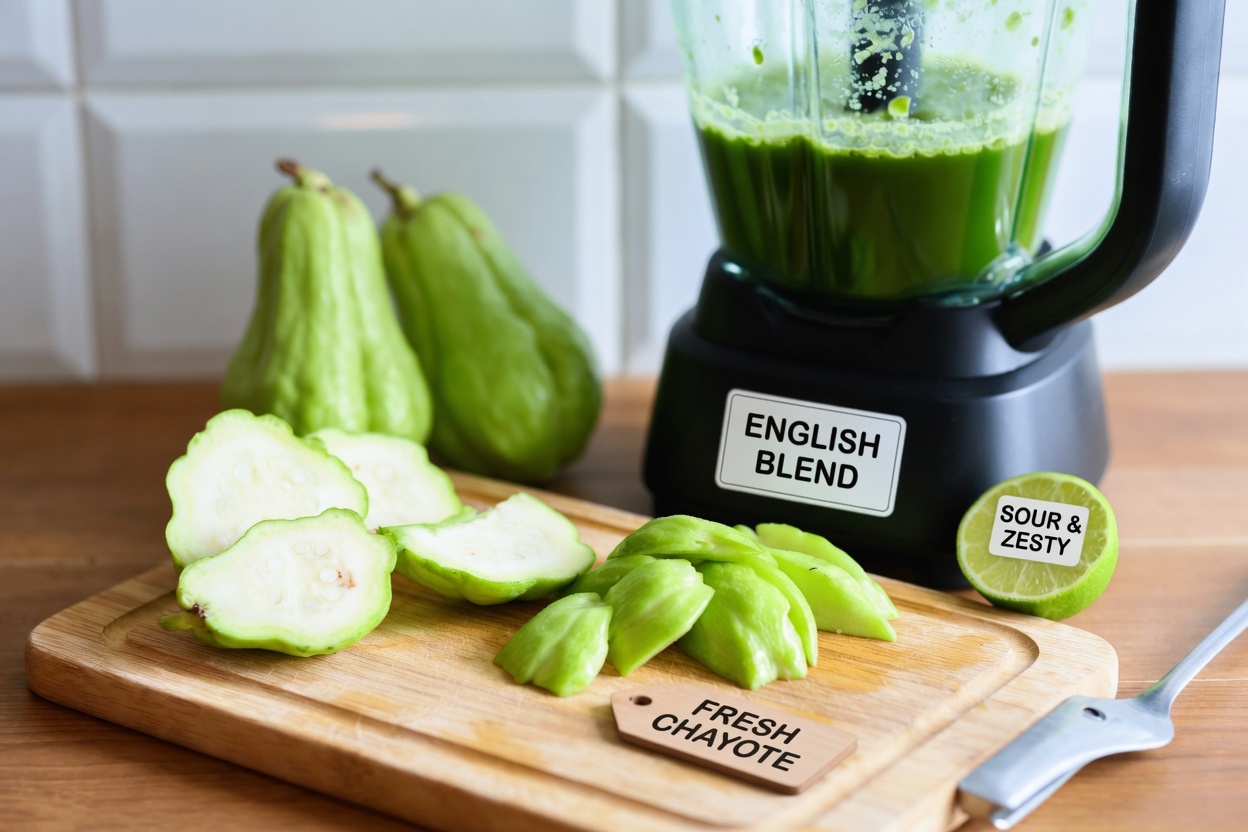
This drink is light, cooling, and easy to enjoy in the morning or as an afternoon refresh. You can also adjust the greens, citrus, or sweetness to better suit your taste and make it part of your own wellness routine.
More Delicious Ways to Use Chayote Squash
Chayote is not just for juices and smoothies. It also works beautifully in savory dishes. If you want more variety, try these ideas:
- Add diced chayote to soups and stews for extra texture and volume
- Roast chunks with olive oil and herbs for a simple side dish
- Slice it thinly and toss it into fresh salads
- Stir-fry strips with garlic and soy sauce for an Asian-inspired dish
- Stuff halved chayotes and bake them for a fun family meal
Using different cooking methods throughout the week can keep meals interesting and help chayote become a regular part of your kitchen.
Frequently Asked Questions About Chayote Squash
How often can I eat chayote?
Most people can enjoy chayote several times a week as part of a balanced diet. Regular, moderate use is usually more helpful than eating a large amount all at once.
Is chayote a good vegetable for beginners?
Yes. Its mild flavor and flexible texture make it a great option for anyone who wants to start eating more vegetables without trying something too strong or unfamiliar.
How should I store leftover chayote?
Place cut or cooked chayote in an airtight container and refrigerate it. For best quality, use it within two to three days.
Final Thoughts
Chayote squash is a simple and practical way to increase your intake of fiber, vitamins, and antioxidants through both meals and beverages. Whether you try the green juice recipe or add chayote to soups, salads, and roasted dishes, this versatile vegetable can fit naturally into a healthy routine.
Small, consistent habits often lead to the most meaningful long-term results. Combined with regular movement, good sleep, and stress management, smart food choices can make a real difference. Try chayote this week and discover how easy it is to bring something fresh, nourishing, and adaptable to your table.