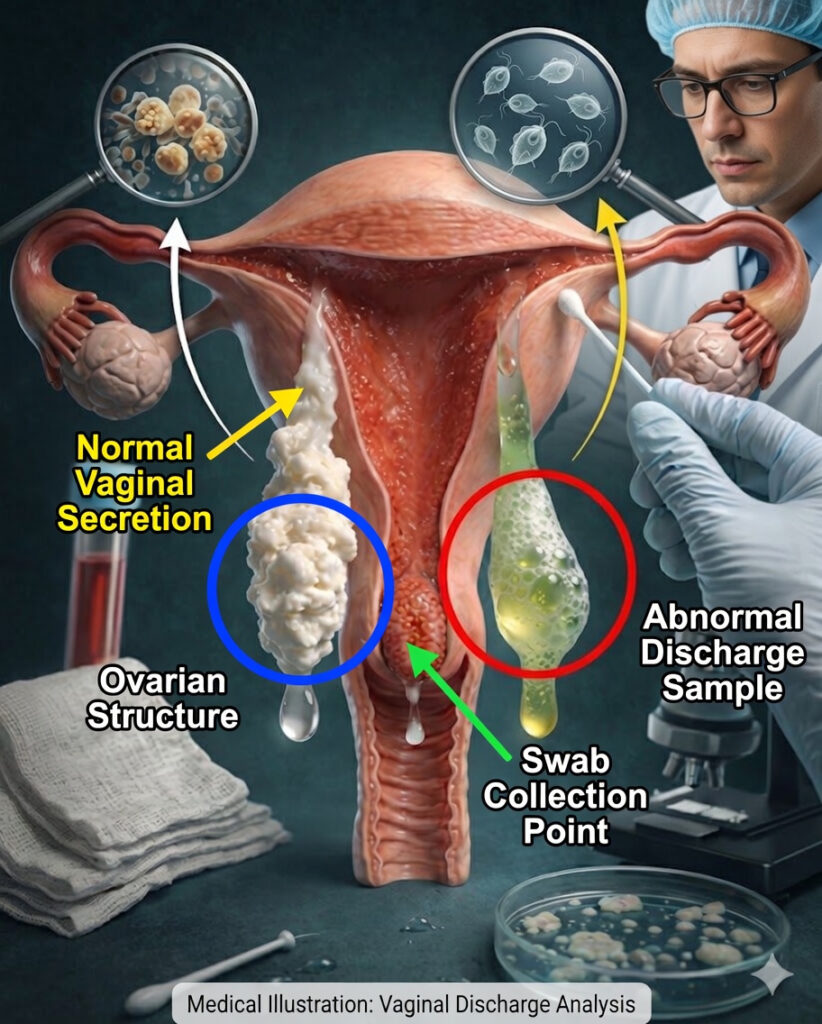
Itching or Unusual Odor? Your Body May Be Sending a Signal
Introduction
For many people, vaginal discharge is still an uncomfortable topic to discuss. Yet it is a completely natural part of intimate health and plays an important role in the female body. From puberty to menopause, these secretions act like a quiet messenger, offering clues about what is happening internally.
Understanding how vaginal discharge works can help reduce unnecessary worry and make it easier to spot signs of a possible imbalance early.
Many women become concerned when they notice changes such as heavier discharge, a different color, or an unfamiliar smell. In many situations, these shifts are perfectly normal. However, some changes can point to an underlying issue.
That is why it is helpful to know what vaginal discharge is, why it occurs, and how to tell the difference between normal variations and warning signs.
What Is Vaginal Discharge?
Vaginal discharge is a natural fluid produced by glands in the cervix and vagina. Its main job is to keep the intimate area clean, moist, and protected from infection.
These secretions help remove dead cells and harmful bacteria, supporting a healthy vaginal environment. Rather than being something “unclean,” discharge is actually a sign that the body is functioning as it should.
Why Does Vaginal Discharge Change Throughout the Month?
Vaginal discharge naturally changes for several reasons, including:
- Hormonal fluctuations
- The menstrual cycle
- Stress
- Lifestyle habits
Around ovulation, discharge often becomes clear, stretchy, and slippery, similar to egg white. This type of texture helps support fertility.
At other points in the cycle, it may appear thicker, creamier, and more white in color. After menstruation, some women notice mild dryness before discharge gradually returns.
These variations are normal and usually reflect a healthy cycle.
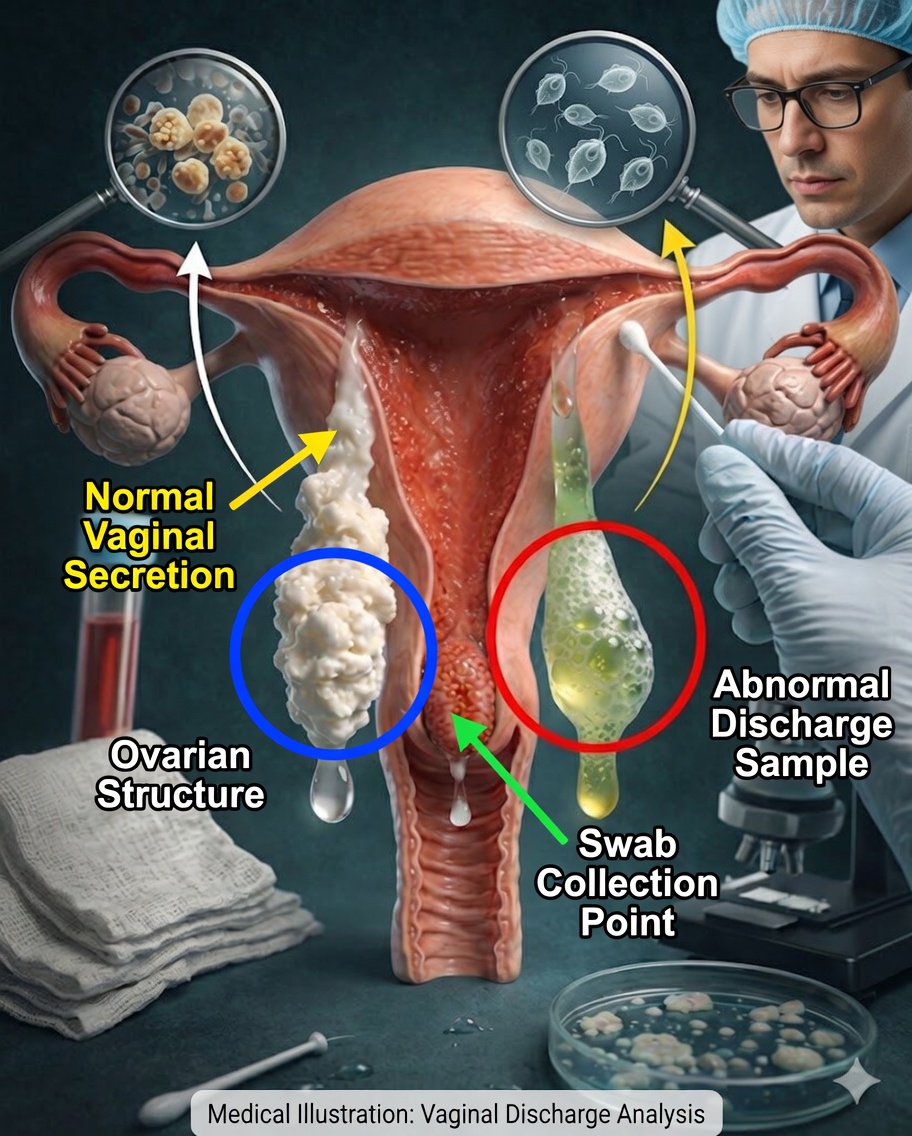
What Does Normal Vaginal Discharge Look Like?
Although every woman is different, healthy vaginal discharge often has these characteristics:
- Clear or white color
- Very mild odor, or no odor at all
- No itching or burning
- No irritation
These signs usually indicate that the vaginal balance is healthy.
When Should You Be Concerned?
It is important to pay attention to sudden changes, especially when they come with discomfort. Some symptoms should not be ignored, such as:
- Yellow, green, or gray discharge
- A strong smell, especially a fishy odor
- Itching
- Burning sensations
- Redness or swelling
- Pain during urination or sex
If these symptoms appear, it is best to seek advice from a healthcare professional instead of self-medicating.
The Most Common Vaginal Infections
Yeast Infection
A yeast infection, also known as candidiasis, is very common. It often causes thick white discharge along with intense itching and burning. It may develop after taking antibiotics, during hormonal changes, or when immunity is lowered.
Bacterial Vaginosis
Bacterial vaginosis happens when the natural vaginal flora becomes unbalanced. The discharge is often grayish and may have a strong odor, especially after sexual intercourse.
Sexually Transmitted Infections
Some sexually transmitted infections, including trichomoniasis, chlamydia, and gonorrhea, can lead to abnormal discharge. It may appear yellowish or greenish and can be accompanied by pain.
Early detection is very important.
Other Factors That Can Affect Vaginal Discharge
Several other elements can influence vaginal balance and discharge, including:
- Hormonal birth control
- Pregnancy
- Long-term stress
- Diet and lack of sleep
All of these factors can change the vaginal environment.
Why Intimate Hygiene Matters
The vagina has a natural self-cleaning system. In most cases, it is enough to wash the external area with water and a mild, fragrance-free soap.
Using too many harsh or scented products can disrupt the natural flora and increase the risk of infection.
Choosing the Right Underwear
Tight clothing and synthetic fabrics can trap heat and moisture, creating conditions that may encourage irritation or infection. Cotton underwear is usually a better option because it allows better airflow.
Vaginal Discharge at Different Stages of Life
During Menstruation
Discharge can mix with menstrual blood, which may make the odor seem stronger. This is generally normal.
During Adolescence
Discharge often appears as one of the early signs of puberty.
During Menopause
As discharge decreases, vaginal dryness and discomfort can become more common.
Listen to Your Body
Knowing your body is essential. When you understand what is normal for you, it becomes easier to notice anything unusual quickly.
If you are ever unsure, consulting a healthcare professional is always the safest choice.
Conclusion
Vaginal discharge is not a problem in itself. It is a valuable indicator of women’s intimate health. Learning to recognize and understand it can help you take better care of your body.
Open conversations about intimate health help break taboos, ease fear, and encourage a calmer, more informed, and more respectful approach to female well-being.