
Turmeric Interactions You Should Know About
Turmeric is a staple in many kitchens and wellness routines, valued for its bold golden color, warm earthy taste, and growing popularity in supplements. Yet when this spice is combined with certain medications or foods, the effects may be less straightforward than many people expect. Knowing where these interactions can happen makes it easier to use turmeric wisely without unnecessary concern.
What may surprise many people is this: three turmeric pairings come up often enough in daily life that they deserve closer attention.
Why Turmeric Interactions Matter
Turmeric contains curcumin, the natural compound responsible for its bright yellow-orange color. Researchers have studied curcumin for how it behaves in the body, especially how it may interact with metabolic pathways, enzymes, and other compounds consumed at the same time.
That does not mean turmeric needs to be avoided. In most cases, the goal is simply to stay aware. With the right approach, you can still enjoy turmeric in meals and traditional wellness practices while being more informed about possible interactions.
1. Turmeric and Blood-Thinning Medications
One of the most important combinations to note involves blood-thinning medications. These medicines are commonly used under medical supervision to help support healthy circulation. Turmeric has also been studied for its potential influence on platelet activity in certain situations.
For anyone taking these medications, overall turmeric intake is worth monitoring. This does not automatically mean turmeric must be removed from the diet. For most people, small culinary amounts used in food are generally seen as part of normal eating habits.
The issue becomes more relevant because turmeric can easily add up through everyday choices such as:
- Smoothies
- Herbal teas
- Golden milk
- Wellness shots
- Concentrated supplements

2. Turmeric and Some Diabetes Medications
Another pairing to watch involves certain diabetes medications. These drugs help manage blood sugar, and some research suggests curcumin may affect pathways related to glucose metabolism.
If you are already working to maintain stable blood sugar, it may be wise to be more cautious with high-dose turmeric supplements. Using turmeric in cooking, such as in curries, soups, or rice dishes, is usually quite different from taking concentrated extracts.
This is an important distinction many people miss:
- Cooking with turmeric usually involves small amounts
- Supplements may deliver much larger, more concentrated doses
Because dosage can significantly change how the body responds, the form in which turmeric is consumed matters just as much as the ingredient itself.
3. Turmeric and Stomach Acid Reducers
A third combination that deserves attention is turmeric with acid-reducing medications, often used for heartburn or acid reflux. These medicines lower stomach acid production. Curcumin has also been examined for its effects on digestion, and in some cases it may influence how these medications work.
People who depend on these remedies may notice changes if they suddenly start using large amounts of turmeric, especially in supplement form. As with many food-drug interactions, consistency and moderation are key.
Still, medication is only part of the story. Food pairings can matter too.
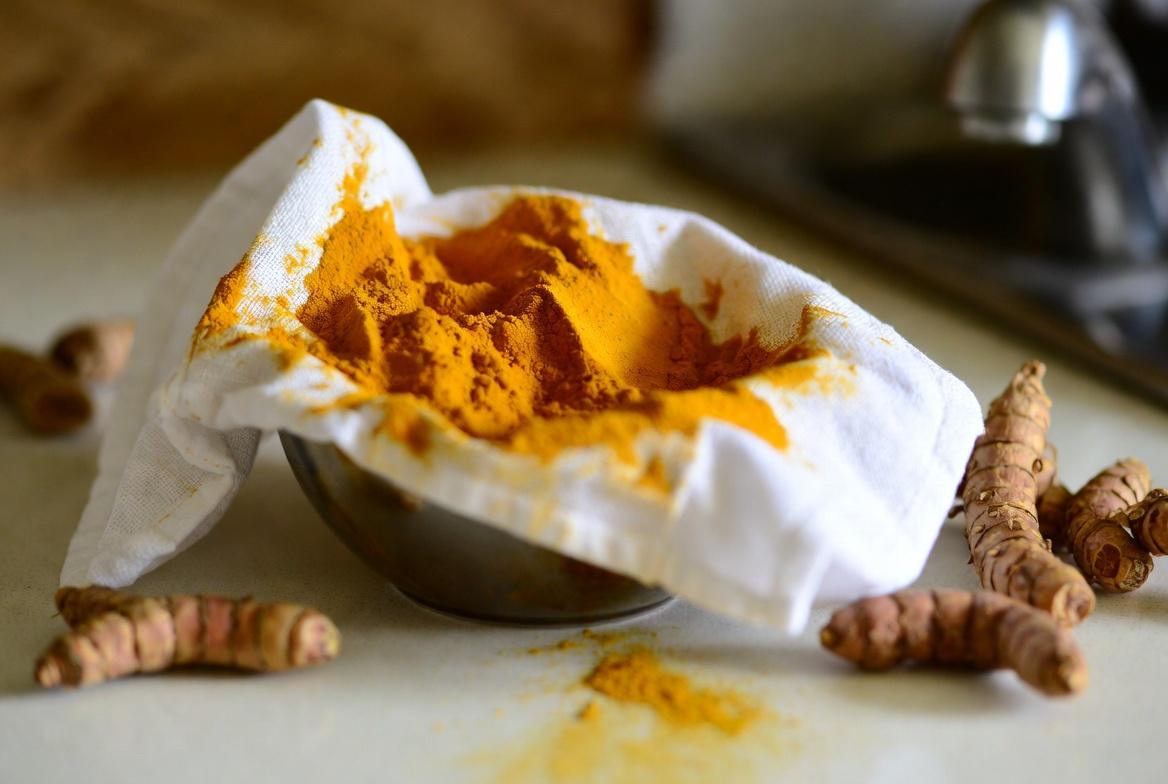
Food Combinations with Turmeric That May Affect the Body
Outside of medications, a few common turmeric pairings are often discussed in nutrition and wellness circles. Two examples stand out.
Black Pepper
Black pepper is frequently combined with turmeric because it may improve curcumin absorption. This is why the two are often paired in supplements, teas, and traditional recipes.
While this combination is not automatically harmful, people taking specific medications may want to avoid overdoing it, especially in concentrated forms.
High-Fat Foods or Oils
Turmeric is also commonly eaten with oils or high-fat foods because fat may improve curcumin bioavailability. This is a normal part of many cooking styles, but it may also influence how the body handles other substances consumed around the same time.
These combinations are not inherently risky for everyone. They simply show why your total daily intake matters more than one single serving.
Signs to Notice and When to Slow Down
The body often gives subtle clues when something in your routine changes. You might notice shifts such as:
- Changes in digestion
- Different energy levels
- Feeling unusual after meals
- New patterns after starting supplements
Of course, these experiences are not always caused by turmeric alone. But if symptoms appear consistently after increasing turmeric use, it may help to keep track of what you are eating and taking.
A simple food and supplement journal can make it easier to identify patterns without making things complicated.
Practical Tips for Using Turmeric Safely
If you want to keep turmeric in your routine while staying cautious, these steps can help:
- Start with small amounts in food instead of immediately using supplements
- Leave a few hours between turmeric intake and medication when possible, unless your healthcare provider advises otherwise
- Favor recipes that use turmeric as a seasoning rather than relying only on capsules or concentrated powders
- Tell your doctor or pharmacist about the herbs, spices, and supplements you use regularly
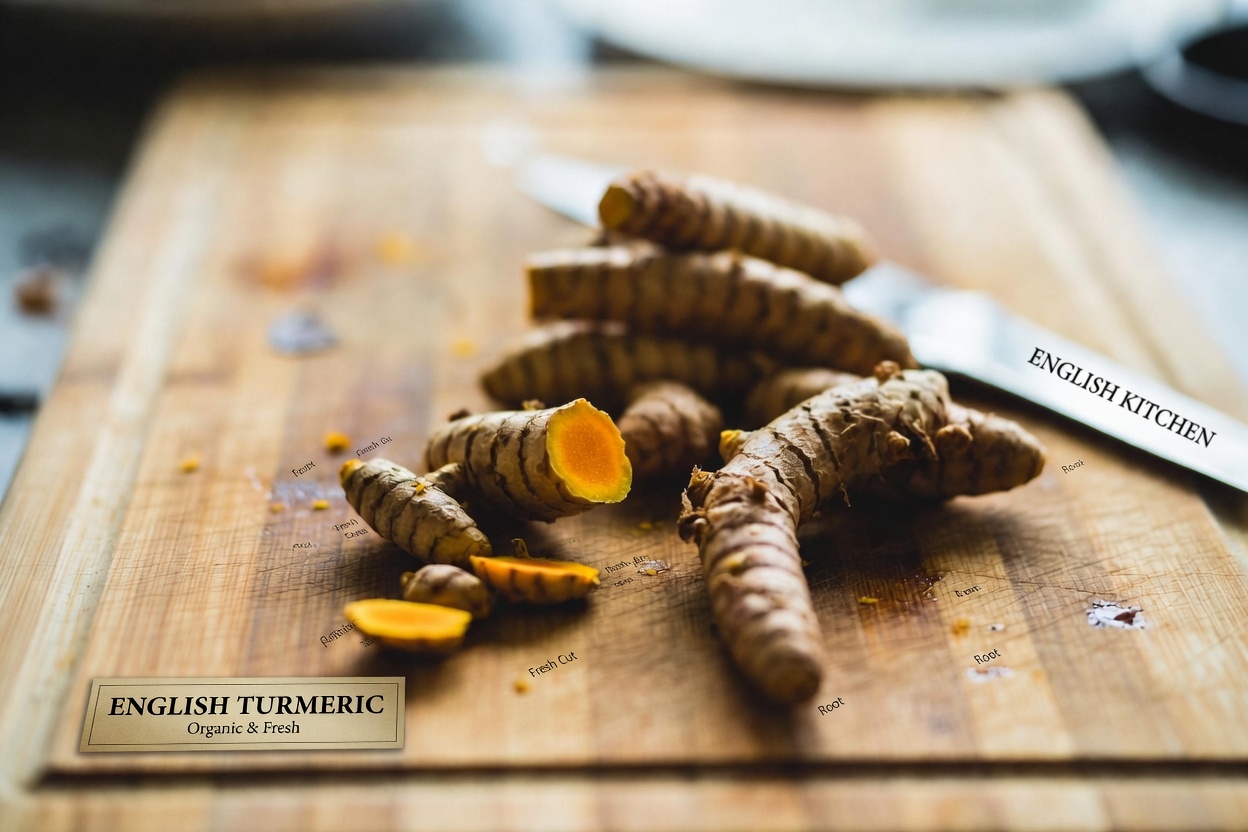
- Choose fresh or dried turmeric root in meals for a more traditional, lower-dose approach
These simple habits can help you enjoy turmeric without losing balance in your daily routine.
Everyday Cooking vs. Turmeric Supplements
The context in which turmeric is used makes a big difference. Here is a simple comparison.
Everyday Cooking Use
- Typical amount: 1/4 to 1 teaspoon per serving
- Common uses: curries, soups, rice, stews
- Absorption: naturally consumed with food
- General note: usually well tolerated by most people
Supplement Form
- Typical amount: 500 mg to 2000 mg of curcumin extract per day
- Common forms: capsules, powders, drink mixes
- Absorption: often enhanced with black pepper or fats
- General note: may require extra caution if you take medications
This comparison helps explain why turmeric in a home-cooked meal is not the same as turmeric in a concentrated supplement.
What Research Says About Curcumin
Researchers have explored how curcumin interacts with the body, including how it may affect liver enzymes involved in processing medications. Much of this information comes from laboratory studies and smaller human trials. These findings are useful for identifying possible concerns, though they do not mean everyone will experience the same effect.
One area of interest is the CYP450 enzyme system, which helps break down many commonly used drugs. Because curcumin may influence this system, healthcare professionals sometimes advise caution with highly concentrated turmeric products.
At the same time, turmeric is eaten daily by millions of people around the world without problems. In many cases, the difference comes down to:
- Dosage
- Personal health status
- Current medications
- Overall dietary patterns
The Factor Many People Overlook
Perhaps the most important point is that individual responses vary. A turmeric routine that feels completely fine for one person may not work the same way for someone else. Age, body chemistry, medical history, and lifestyle all play a role.
That is why there is no perfect one-size-fits-all rule for turmeric and medication interactions. Staying informed and paying attention to your own experience is often the smartest approach.
Easy Ways to Enjoy Turmeric More Mindfully
You do not need to remove turmeric from your kitchen to be cautious. Instead, consider these practical habits:
- Use turmeric mainly as a seasoning in everyday meals
- Make golden milk with moderate amounts rather than drinking it constantly
- Pair turmeric with vegetables, grains, and proteins in balanced dishes
- Read labels on spice blends, wellness drinks, and supplements
- Reevaluate your turmeric intake from time to time, especially if your medications or health needs change
These small adjustments can make turmeric use more sustainable and more realistic for everyday life.
Final Thoughts: A Smarter Approach to Turmeric
Understanding how turmeric may interact with certain medications and food combinations allows you to make more confident decisions. In most cases, the goal is not avoidance but moderation, awareness, and communication.
The key takeaway is simple: turmeric can still have a place in your routine, but using it thoughtfully matters most.