Tired for No Clear Reason? This Quiet Deficiency Could Be the Missing Link to Restoring Your Energy Naturally
Did you know that many adults—especially those over 50—may have a vitamin B12 deficiency without realizing it? On the outside, you may look perfectly healthy, while inside your body is operating like a battery running close to empty.
Take a moment and ask yourself: on a scale from 1 to 10, how energized do you truly feel each day? If constant fatigue, mood swings, or unusual sensations seem like just a normal part of aging, this article may change your perspective. Read to the end—you may uncover a cause you have never seriously considered.
Why a B12 Deficiency Can Affect the Whole Body
Vitamin B12 is essential for producing red blood cells, supporting the nervous system, and helping maintain mental and emotional balance. When levels drop too low, the effects can show up in your energy, mood, memory, and even your skin.
The important thing to understand is this: the issue is not always what you eat, but what your body is actually able to absorb. Aging, certain medications, and digestive conditions can all reduce B12 absorption.
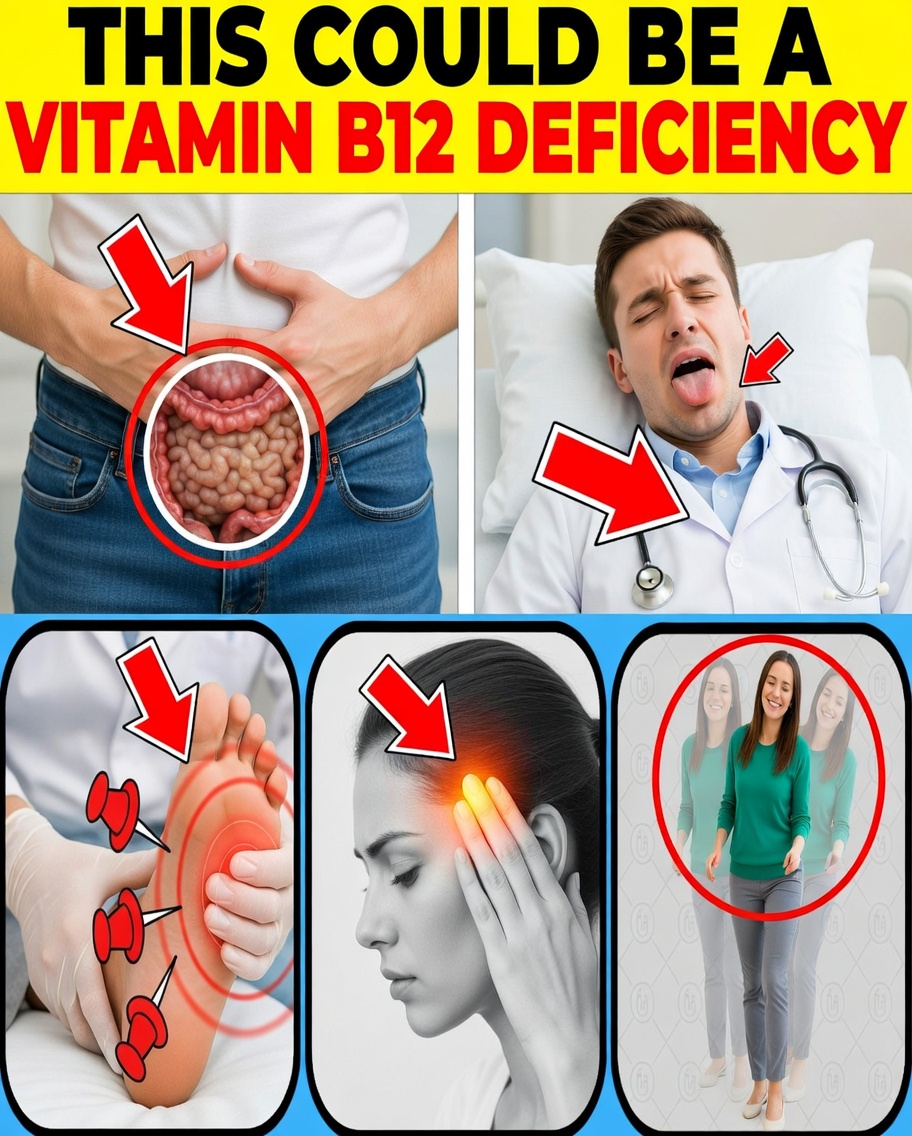
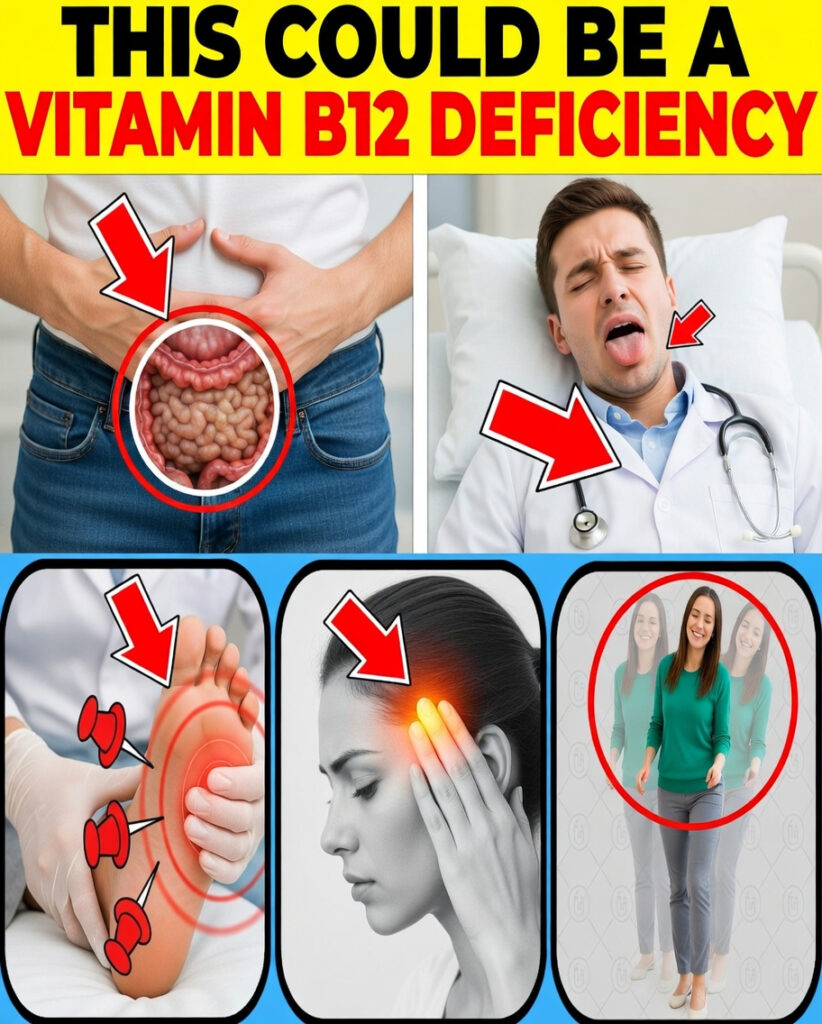
8 Common Signs of Vitamin B12 Deficiency
1. Ongoing Fatigue Even After Rest
You sleep through the night, yet still wake up feeling drained. This kind of deep exhaustion may be linked to poor oxygen delivery caused by a low red blood cell count.
2. Irritability or Mood Changes
Have you been feeling more anxious, short-tempered, or emotionally off without a clear reason? Vitamin B12 has a direct impact on brain function and emotional regulation.
3. Pale or Yellow-Tinted Skin
A dull, pale, or slightly yellow complexion may be connected to a form of anemia associated with low B12 levels.
4. A Sore Tongue or Mouth Ulcers
If your tongue feels tender, smooth, or burning, or if you develop frequent mouth sores, it could be a sign of a nutritional imbalance.
5. Tingling or Numbness
Pins-and-needles sensations in the hands or feet may point to nerve involvement linked to vitamin B12 deficiency.
6. Heart Palpitations
If your heart feels like it is racing for no obvious reason, anemia related to low B12 could be a contributing factor.
7. Brain Fog and Forgetfulness
Trouble focusing, mental sluggishness, and memory lapses can all be connected to the role B12 plays in cognitive health.
8. Weakness and Poor Balance
A gradual loss of stability or muscle strength may also appear when B12 levels are too low.
How to Support Your Body Naturally
The first and most important step is to speak with a healthcare professional if you suspect a deficiency. Proper testing is essential. That said, there are natural ways to support your body.
Foods Naturally Rich in Vitamin B12
- Eggs
- Fish such as sardines and salmon
- Dairy products
- Fortified foods, especially helpful for vegetarians
Simple Practical Tips
- Include a source of vitamin B12 in your daily diet
- Track your energy and symptoms for one week
- Avoid taking high-dose supplements on your own without medical advice
Important Precaution
Be careful with self-supplementation. Taking the wrong type or amount of B12 may hide other underlying health issues. Always seek guidance from a qualified healthcare professional.
Final Thoughts
If several of these symptoms sound familiar, do not ignore them. Your body may be trying to tell you something important. Sometimes the problem is not just stress or getting older—it may be a correctable imbalance.
Start today:
- Review your diet
- Pay attention to changes in your body
- Consult a healthcare professional if needed
A small step now could make a meaningful difference in how you feel.
Disclaimer: This article is for informational purposes only and does not replace professional medical advice.