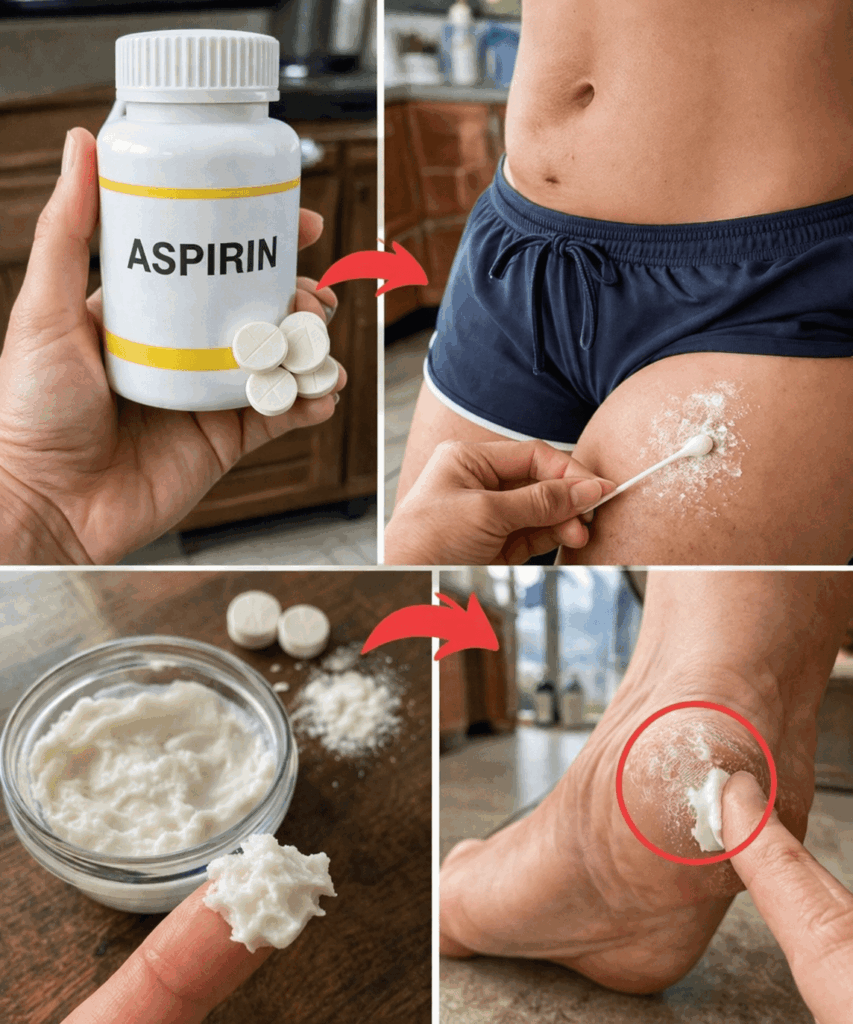
Simple Aspirin Home Care Ideas for Smoother Feet and Hands
Many women experience dry, rough patches on their feet or hands that can make daily life feel less pleasant. Thickened skin on the heels, soles, elbows, or palms may feel uncomfortable in sandals, during home pedicures, or even while doing routine tasks. Flaky, hardened areas can also affect how confident you feel about your skin. The encouraging part is that one familiar item from your medicine cabinet may offer a gentle, affordable way to support softer-looking skin as part of an easy at-home care routine.
Aspirin is best known for its common uses, but it has also appeared in many home skin care conversations. Below, you will find practical, step-by-step methods that some women include in their weekly self-care habits. One especially unexpected combination near the end may give you a fresh idea for your next relaxing beauty ritual.
Why Aspirin Is Often Mentioned in Home Skin Care
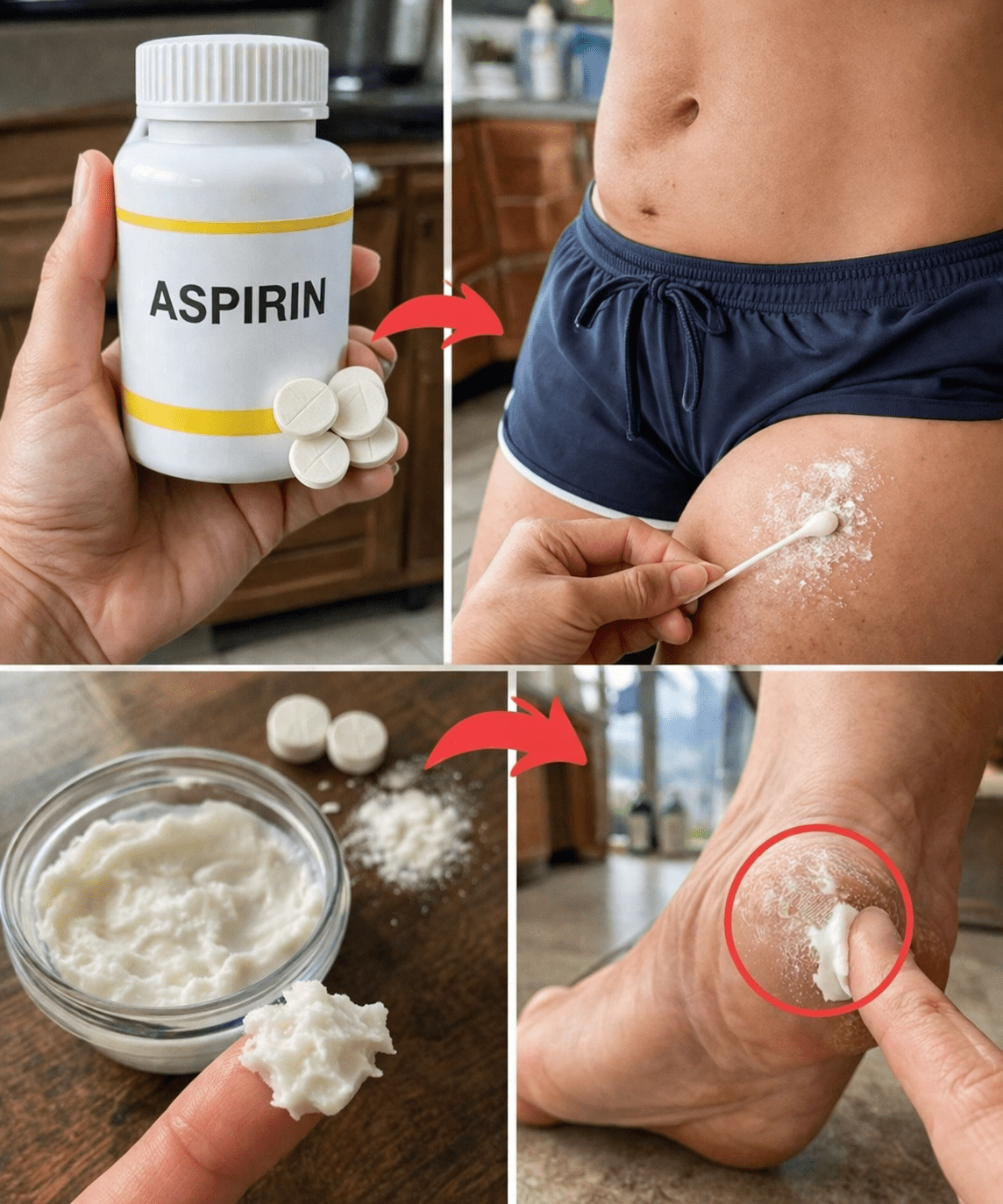
Aspirin contains acetylsalicylic acid, which is related to salicylic acid, an ingredient widely recognized for helping exfoliate the skin. In dermatology, salicylic acid and similar compounds have been studied for their ability to loosen dead skin cells and help soften rough surface buildup. This is one reason crushed aspirin dissolved in water or mixed with mild ingredients is often discussed in home routines for areas such as the feet.
That connection helps explain its popularity in do-it-yourself foot and hand care. It is low-cost, easy to find, and simple to include in a quick evening routine. Still, results are different for everyone, and aspirin works best when combined with regular moisturizing rather than used as a miracle solution on its own.
How to Prepare Aspirin for Topical Use Safely
If you want to try an aspirin-based mixture at home, start with plain, uncoated tablets. Avoid coated, flavored, or specialty versions because they may contain extra ingredients that are not ideal for skin contact.
Safe preparation guidelines
- Crush 3 to 6 plain aspirin tablets into a very fine powder using a spoon, mortar, or a sealed plastic bag.
- Add a small amount of liquid to create either a paste or a soak mixture.
- Test the mixture on a small area of your inner arm first.
- Wait 24 hours to make sure your skin does not react.
- Make a fresh batch each time instead of storing leftovers.
It is important to remember that homemade mixtures are not regulated like professional skin care products. Begin with small amounts and pay attention to how your skin feels afterward.
A Gentle Foot Soak for Rough Heels
One of the most common ideas is an aspirin foot soak designed to help soften thick, dry areas on the heels and soles.
How to do it
- Fill a basin with warm water, making sure it is not too hot.
- Crush 5 to 6 uncoated aspirin tablets.
- Add the powder to the water along with the juice from half a lemon.
- Soak clean feet for 10 to 15 minutes.
- After soaking, use a pumice stone or soft foot file on damp skin to gently remove loosened flakes.
- Rinse thoroughly, pat dry, and apply a rich moisturizer immediately.
Many women say the warm water and mild acidity help rough skin feel softer after several sessions. This method is usually best limited to once or twice per week, followed by generous hydration. Wearing cotton socks overnight can help seal in moisture and boost comfort.
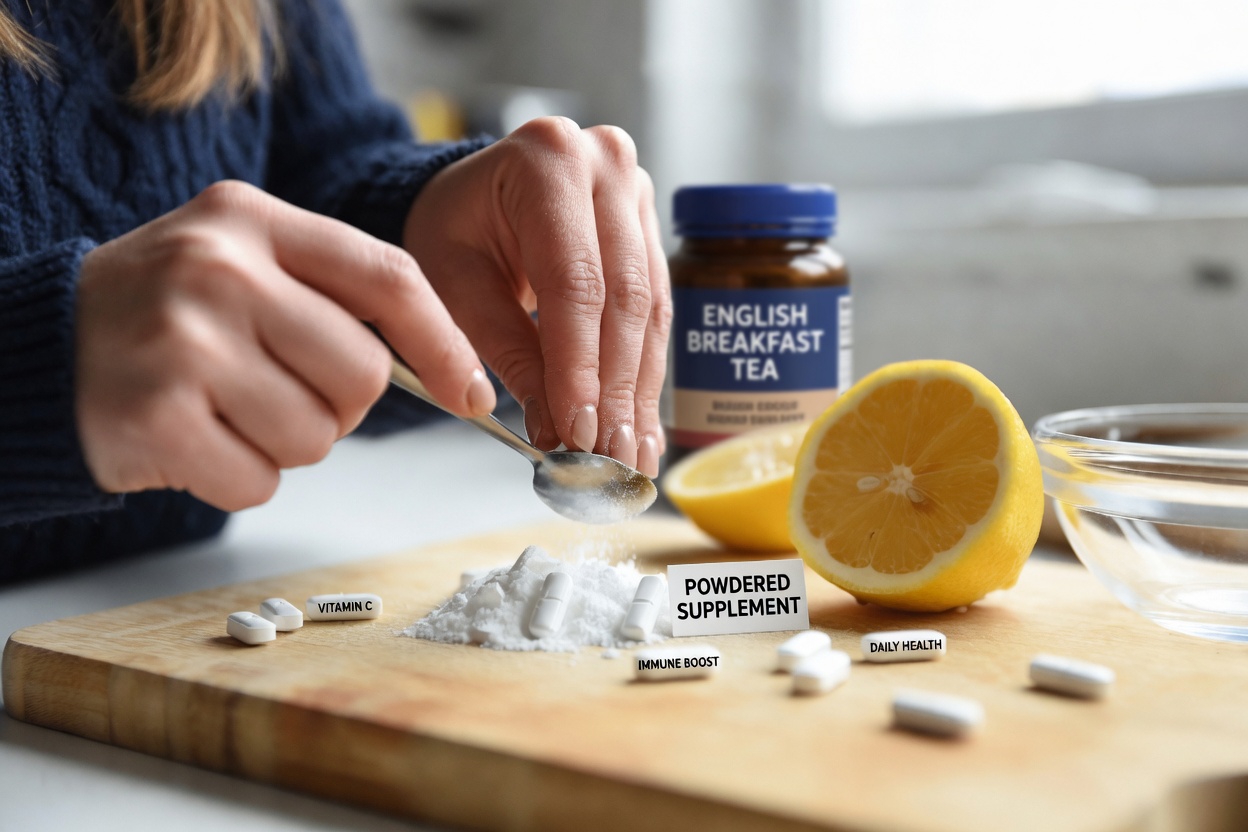
Aspirin Paste for Small Rough Patches
When dryness or thickened skin is limited to a small area, some women prefer a more targeted aspirin paste rather than a full soak.
Step-by-step method
- Crush 3 aspirin tablets into a fine powder.
- Mix with 1 tablespoon of fresh lemon juice.
- Add a few drops of water until the texture becomes spreadable.
- Apply a thin layer directly to the rough patch.
- Cover loosely with plastic wrap or a bandage for about 10 minutes.
- Rinse well with lukewarm water.
- Finish with a foot cream, hand cream, or body lotion.
Lemon juice adds mild natural acids that may help soften the skin, while the aspirin contributes light exfoliating action. This should only be used on unbroken skin. Avoid cracked, irritated, or inflamed areas.
Why some women like this method
- It may gradually reduce the feel of built-up skin
- It is an inexpensive addition to a regular home pedicure routine
- It can be done easily while relaxing at home
Mixing Aspirin With Moisturizing Ingredients
Not everyone wants a strong exfoliating-style treatment. Some women combine crushed aspirin with richer, soothing ingredients for a gentler experience.
Popular combinations
- Crushed aspirin with a spoonful of coconut oil or shea butter for dry heels
- Crushed aspirin with honey for a hydrating hand mask
- Crushed aspirin with plain yogurt for a cooling treatment on elbows
Apply a light layer, leave it on for no longer than 10 minutes, and rinse gently. The oils, honey, or yogurt may help balance some of the dryness that exfoliation can cause. Afterward, always use a generous moisturizer.
Other Everyday Aspirin Skin Care Ideas
In addition to foot care, some women experiment with highly diluted aspirin mixtures for rough areas elsewhere on the body. These are personal home care ideas rather than standard medical recommendations.
Examples often discussed
- Mixing a very small amount of crushed aspirin into body wash for occasional use on rough knees or elbows
- Dissolving one crushed tablet in a large bowl of warm water for a hand soak after gardening or cleaning
These routines are generally used to support a smoother skin texture, not to treat a specific skin condition.
How Often Should You Use Aspirin on Skin?
Most home care advice suggests using aspirin-based treatments only 1 to 2 times per week. Using them too often may weaken the skin barrier and lead to dryness, irritation, or stinging because of the acidic nature of the ingredients.
Watch closely for signs that your skin is unhappy. If you notice redness, burning, sensitivity, or excessive dryness, stop right away and return to gentle cleansing and intensive moisturizing. For many women, the best long-term results come from combining occasional exfoliation with daily foot or hand cream.
Aspirin Home Care vs Regular Foot and Hand Care
Aspirin treatments are often compared with standard foot care methods because they are simple and inexpensive.
Quick comparison
- Cost: Aspirin is usually much cheaper than salon treatments or specialty foot peel products.
- Time: Most routines take only 10 to 20 minutes.
- Convenience: The ingredients are often already available at home.
- Maintenance: Ongoing moisturizing matters more than one single treatment.
At the same time, professional pedicures and over-the-counter products made specifically for callus care remain dependable choices for many women.
Tips to Improve Comfort and Results
A few small habits can make a noticeable difference when caring for rough skin on feet and hands.
- Exfoliate only when the skin is damp after soaking
- Apply a thick cream right after rinsing, especially formulas with urea or lactic acid if they suit your skin
- Wear breathable cotton socks or gloves after treatment to help lock in moisture
- Drink enough water and choose comfortable shoes to reduce friction
- Keep treated skin out of strong direct sun because mild acids can increase sensitivity
These simple steps often do more for daily comfort than occasional treatments alone.
Common Questions About Aspirin for Home Skin Care
Can aspirin mixtures be used on the face?
Most experts suggest avoiding homemade aspirin treatments on the face unless a dermatologist recommends it. Facial skin is more delicate, and it is difficult to control the strength of a DIY mixture.
Is topical aspirin safe for everyone?
No. Anyone with an aspirin allergy, very sensitive skin, asthma, or certain medical concerns should avoid these home uses. Pregnant or breastfeeding women should ask a doctor before trying them. These mixtures are also not suitable for children.
How soon can you expect smoother skin?
Some women notice a softer feel after a few consistent treatments, especially when they moisturize well afterward. However, the timeline depends on how thick the rough skin is and how regularly you maintain it. Aspirin may support upkeep, but it is not an instant fix.
Final Thoughts
Using aspirin in home skin care routines can be an interesting, budget-friendly option for women who want softer feet, hands, or elbows. Whether used in a warm foot soak, a targeted paste, or a moisturizing blend, it is best approached gently and in moderation. The most noticeable improvements usually come from consistency, careful exfoliation, and daily hydration.
For many women, the real secret is not just the aspirin itself, but the combination of exfoliating care and deep moisturizing. That simple pairing can make your weekly self-care routine feel more effective, more relaxing, and much kinder to rough, dry skin.