A Natural Way to Support Knee Comfort After 60
As people age, it is common for the knees to feel tighter, less mobile, and more uncomfortable than before. Everyday activities such as climbing stairs, standing up after sitting, or taking a morning walk may start to feel more difficult. For many adults over 60, this shift can affect both daily comfort and independence.
There is, however, a natural food that has gained growing interest among those looking for a gentle, food-based way to care for their joints. In this guide, you will learn what it is, how it may support joint health, and simple ways to include it in your daily routine.
Why Knee Comfort Often Declines With Age
Over time, the joints naturally go through changes. Cartilage, the smooth tissue that allows bones to glide with less friction, may gradually wear down. When that happens, stiffness can become more noticeable, especially in the morning or after long periods of sitting.
Many older adults respond by moving less, which can make the problem worse. Lower activity levels may reduce flexibility and strength, creating a cycle that makes everyday movement feel harder. Recognizing this pattern is an important first step in supporting better mobility.
What surprises many people is that some common foods contain nutrients linked to joint maintenance. One option, in particular, stands out because of its collagen content and supportive amino acids.
The Traditional Food Drawing Attention: Bone Broth and Gelatin
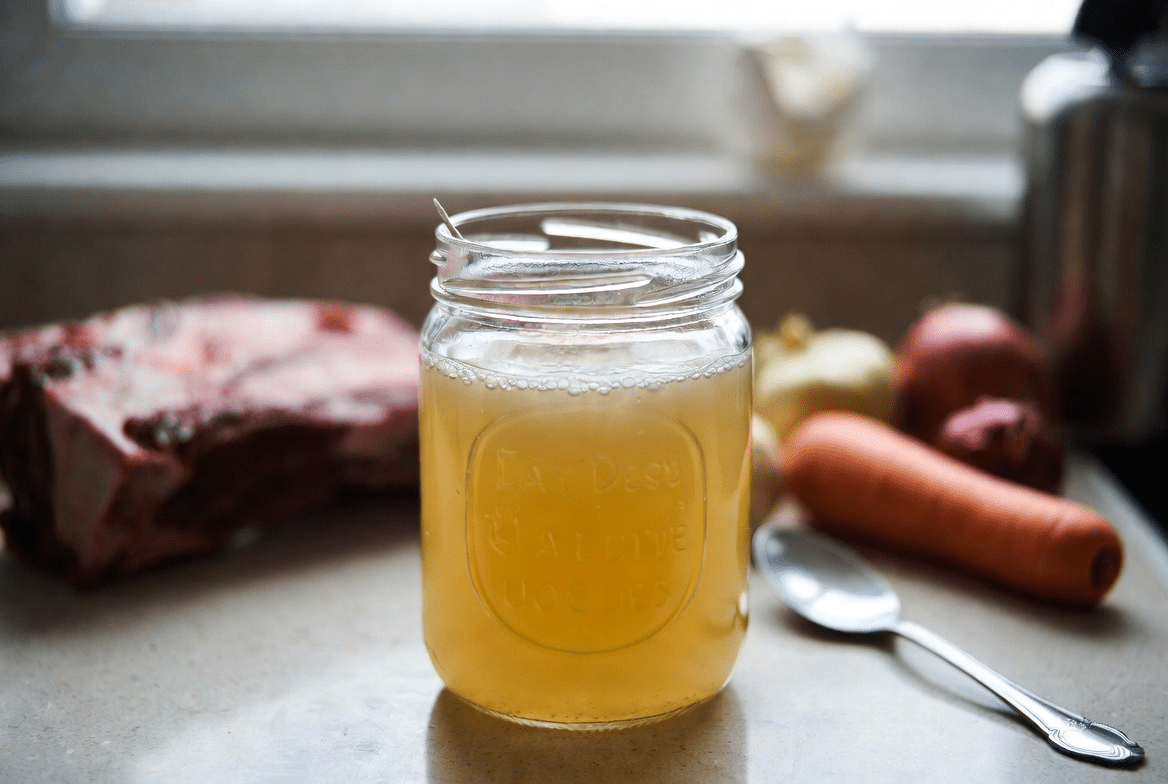
The food many people are talking about is collagen-rich bone broth or plain gelatin. Often seen as a traditional home remedy, it has recently become popular again because of its natural supply of collagen peptides and other compounds that may benefit connective tissue.
Collagen is one of the main proteins found in joints, tendons, and other supportive structures in the body. Some research suggests that consuming collagen peptides may help encourage the body’s natural production of similar proteins over time.
Bone broth and gelatin also contain amino acids such as glycine and proline. These nutrients are involved in maintaining cartilage and the connective tissues that support comfortable movement.
How Collagen-Rich Foods May Help Joints
Researchers have explored collagen supplementation for its possible role in joint comfort. Some reviews suggest that regular collagen intake may be associated with improvements in how people describe stiffness and mobility during daily activities.
Another reason for the interest is absorption. In an easily digestible form, collagen peptides may help signal the body to support collagen-building processes in joint-related tissues.
Many seniors find this approach appealing for several reasons:
- It comes from a food-based source instead of a synthetic product
- It is easy to prepare at home
- It can be added to an existing meal routine without much effort
Even so, results are not the same for everyone. Diet quality, exercise habits, age, and overall health all influence how much benefit a person may notice.
Easy Ways to Add Bone Broth or Gelatin to Your Day
You do not need an elaborate recipe to start using this food regularly. Some people simply take a small serving of prepared gelatin each morning, while others prefer a warm cup of bone broth.
Here is a straightforward way to begin:
- Choose a good-quality bone broth or unflavored gelatin, ideally from grass-fed sources if available.
- If using gelatin powder, mix 1 to 2 tablespoons into warm water or another warm drink.
- Stir well until it fully dissolves.
- Add a little honey or fresh lemon if you want a milder flavor.
- Use it consistently each day, ideally around the same time.
- Begin with a smaller amount and increase gradually if needed.
Homemade bone broth is another popular option. By simmering bones for several hours, you can create a rich broth that naturally contains collagen-related nutrients. For those with limited time, store-bought versions may be a practical alternative.
Habits That Can Improve Your Joint Support Routine
While collagen-rich foods may be helpful, they often work best alongside other healthy habits. A more complete routine can offer stronger support for knee comfort and mobility.
Consider these simple strategies:
- Stay active with gentle exercise like walking, stretching, or swimming
- Eat a balanced diet with plenty of vegetables and fruit
- Drink enough water throughout the day
- Maintain a healthy weight to reduce strain on the knees
- Prioritize restful sleep to support recovery and repair
When combined, these habits can help create a better environment for joint health.
What Research Says About Collagen and Joint Health
Scientific studies have examined the relationship between collagen peptides and joint comfort. A 2019 review published in Nutrients reported positive links between collagen intake and improved joint comfort in active adults.
Other research involving older adults found that consistent use over a period of months was associated with better self-reported mobility during everyday tasks.
It is important to keep expectations realistic. Research highlights general trends and possibilities, not guaranteed outcomes. Each person’s body and health history are different, so personal results can vary.
Frequently Asked Questions
How long does it take to notice changes?
Some people say they feel small improvements after a few weeks of regular use. For others, it may take longer. Consistency matters more than expecting immediate results.
Is bone broth or gelatin suitable for special diets?
Many gelatin and bone broth products are naturally low in carbohydrates and gluten-free. Still, it is important to read labels carefully, especially if you have food sensitivities or follow a specific eating plan.
Can it be used with medications or supplements?
It is always best to speak with a healthcare professional before adding new foods or supplements to your routine, especially if you take medication or have an existing medical condition.

Final Thoughts
Including a collagen-rich food such as bone broth or gelatin in your daily routine is a simple step that many older adults are exploring for natural joint support. When paired with regular movement, balanced nutrition, and healthy daily habits, it may help make everyday activities feel more comfortable.
The key is consistency. Lasting support usually comes from steady habits over time, not instant results.