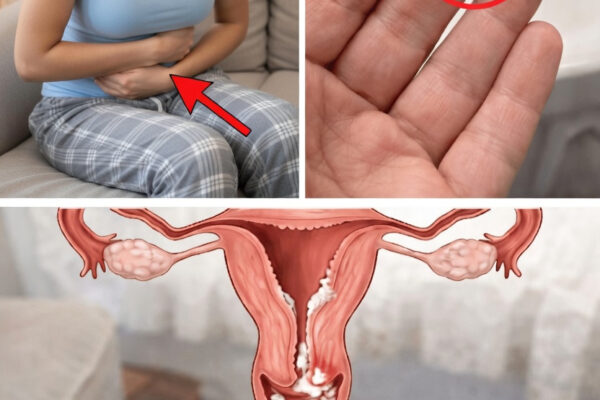
When Period Pain Feels Like More Than “Just Part of Life”
Month after month, you may tense up and assume it is simply another difficult period. But when the discomfort lasts longer than expected and starts disrupting everyday activities, it may be a sign of something more. Many women try to normalize ongoing pain, fatigue, and pelvic discomfort, even when it begins to affect mood, confidence, and close relationships.
It can also feel uncomfortable or even embarrassing to talk about these symptoms. Still, when your body keeps sending the same warning signs, they deserve attention. Understanding what may be happening is the first step toward feeling more informed and more in control.
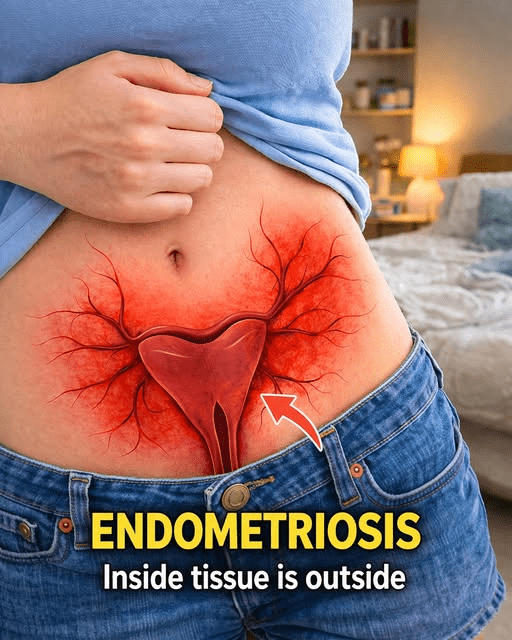
What Is Endometriosis?
Endometriosis is a health condition in which tissue that resembles the lining of the uterus grows outside the uterus. Instead of remaining in its usual place, this tissue may attach to the ovaries, fallopian tubes, or other areas within the pelvis.
The important thing to know is that this tissue still responds to the menstrual cycle. It thickens, breaks down, and bleeds, much like the uterine lining does each month. The difference is that this blood and tissue cannot exit the body in the normal way.
This can lead to:
- Inflammation
- Irritation
- Scar tissue formation over time
Many women live with endometriosis for years without recognizing it. Symptoms are often dismissed as normal period pain, stress, or a routine part of getting older. Although millions of women around the world are affected, awareness of the condition remains limited, especially among older adults.
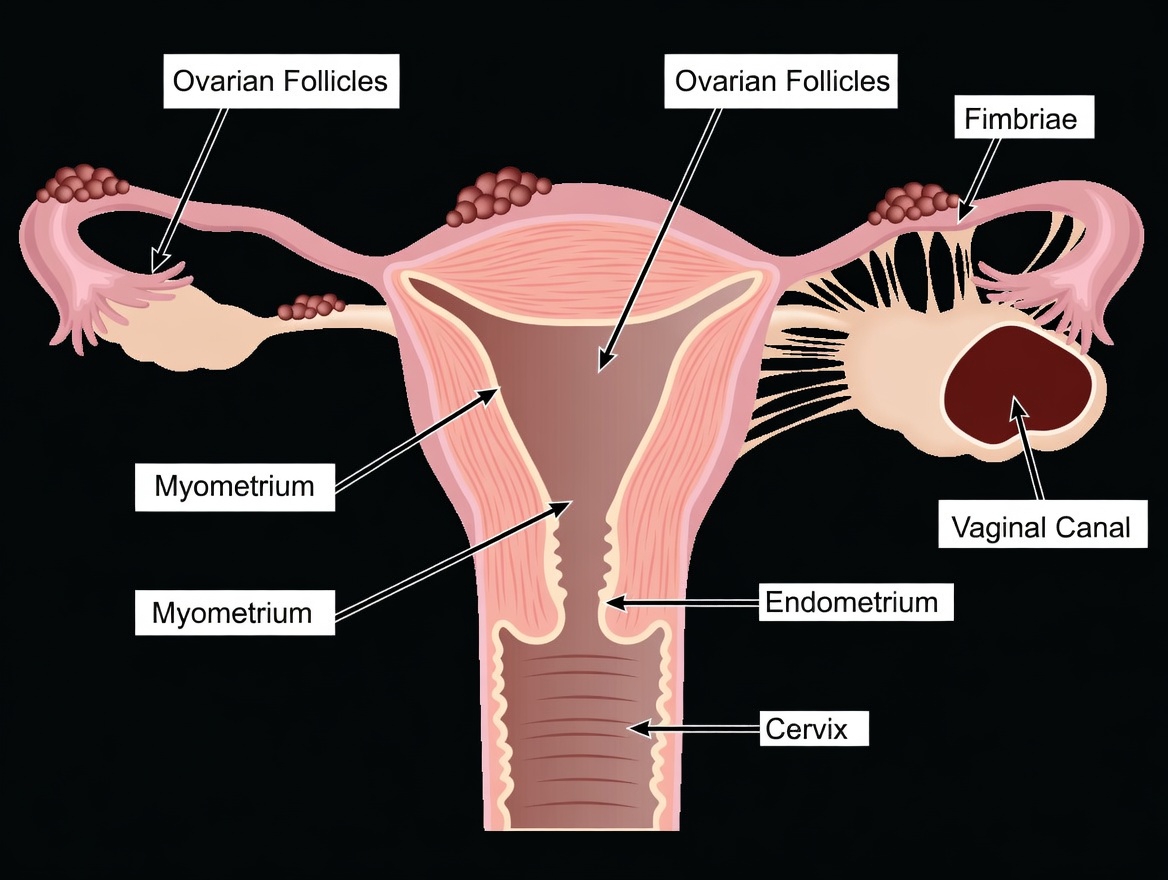
Common Symptoms You Should Not Ignore
Endometriosis does not look the same for everyone. Some women experience severe pain, while others notice only mild or occasional changes.
Common signs may include:
- Ongoing pelvic pain that continues even after your period
- Pain during routine activities such as walking or sitting for long periods
- Constant tiredness, even after getting enough rest
- Bloating, digestive discomfort, or changes in bowel habits
- Lower back pain or leg discomfort connected to the menstrual cycle
One surprising fact is that symptom intensity does not always reflect how advanced the condition is. A woman with mild endometriosis may experience significant pain, while someone with more extensive tissue growth may have fewer symptoms.
That is why paying attention to your own body matters more than comparing your experience with someone else’s.
Why So Many Women Delay Taking Action
Many women are raised to believe that menstrual pain is simply something they must tolerate. Over time, this message can make it easy to overlook important warning signs.
Some common reasons women ignore symptoms include:
- Social and cultural silence around women’s health
- Fear of not being taken seriously
- Believing pain is just part of aging
- A busy lifestyle that leaves little room for self-care
The truth is simple: ignoring symptoms does not stop the problem. In many cases, it allows the condition to continue unnoticed and potentially worsen. Awareness can make a powerful difference.

What Happens Inside the Body
It helps to understand what is happening internally when endometriosis develops. The misplaced tissue responds to hormonal changes during the menstrual cycle, which can trigger several physical reactions.
These may include:
- Inflammation in nearby tissues
- Irritation of surrounding nerves
- Gradual buildup of scar tissue
This is one reason the pain can feel deeper and more persistent than typical menstrual cramps. The body is not “broken.” It is reacting to tissue that is growing where it should not be.
Seeing the condition this way can make it easier to approach symptoms with clarity rather than fear.
Everyday Habits That May Worsen Symptoms
Certain daily habits may quietly increase discomfort, especially over time. While these habits do not necessarily cause endometriosis, they may influence how strongly symptoms are felt.
| Habit | Possible Effect |
|---|---|
| Eating a lot of processed foods | May contribute to inflammation |
| Limited physical activity | Can reduce circulation and slow recovery |
| Poor sleep habits | May affect hormone regulation |
| High stress levels | Can intensify discomfort and pain perception |
| Ignoring recurring symptoms | May delay awareness and proper care |
This does not mean you need to completely change your life overnight. Small, steady improvements are often more helpful than extreme changes that are hard to maintain.
Practical Steps You Can Start Today
The encouraging news is that there are simple ways to better support your body. Daily habits may not cure endometriosis, but they can improve overall well-being and help reduce discomfort for many women.
1. Track your patterns
Pay attention to when symptoms appear, how long they last, and what seems to trigger them. A symptom journal can be useful when speaking with a healthcare professional.
2. Add gentle movement
Walking, stretching, or other low-impact exercise may support circulation and help the body feel less tense.
3. Improve your meals
Try to include more whole foods such as:
- Vegetables
- Fruits
- Healthy fats
- Minimally processed ingredients
4. Make rest a priority
Good sleep is essential for recovery and may help support hormone balance.
5. Reduce stress where possible
Breathing exercises, short breaks, or quiet time can help calm the nervous system and lower tension.
The most important idea is this: consistency matters more than perfection.
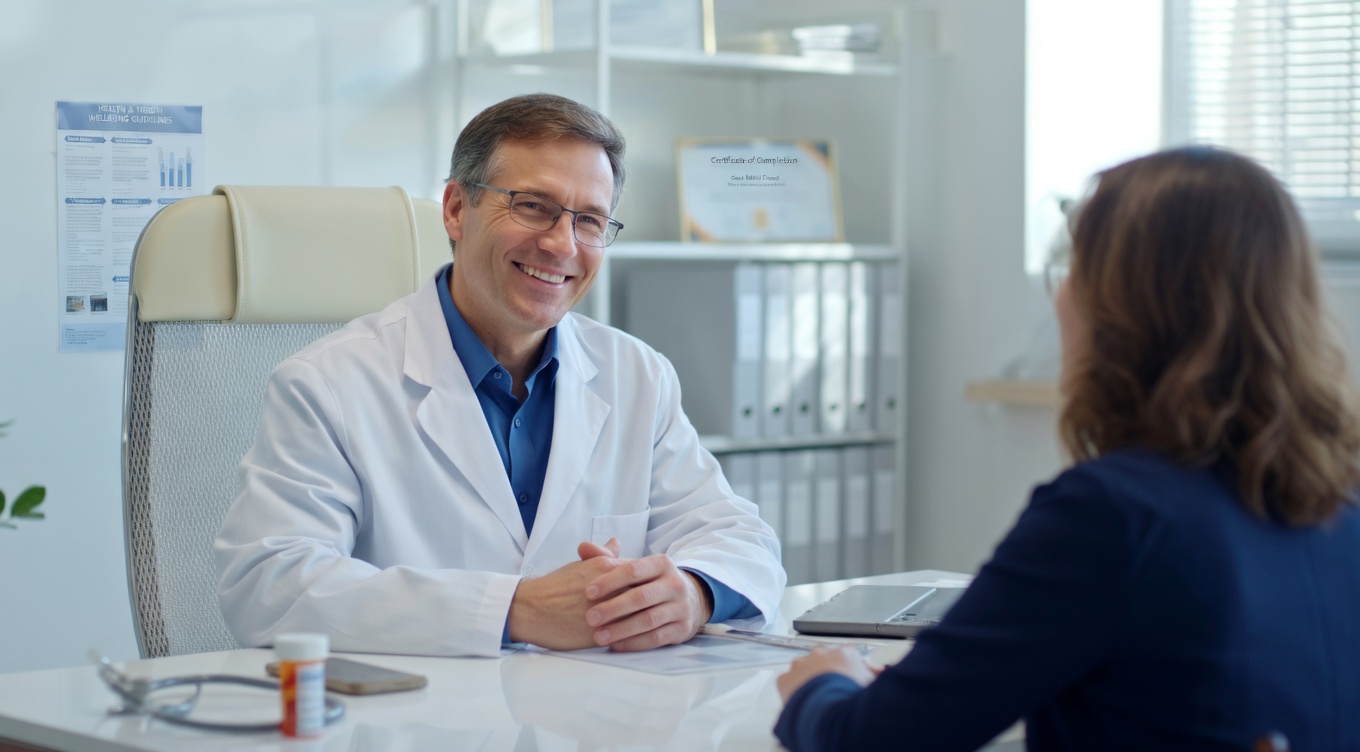
When to Talk to a Doctor
If pain or discomfort is interfering with daily life, it is worth discussing with a qualified healthcare provider. Speaking up is not overreacting. It is a responsible step toward protecting your health.
You should consider medical advice if:
- Pain becomes more frequent or more severe
- Symptoms disrupt sleep, work, or your usual routine
- Your menstrual cycle changes in unusual ways
- Over-the-counter remedies no longer provide relief
A healthcare professional can help assess your symptoms and guide you toward the next steps.
The Emotional Impact Many People Miss
Endometriosis is not only a physical condition. It can also create an emotional burden that is often overlooked.
Many women report feeling:
- Frustrated because others do not understand their pain
- Anxious about recurring symptoms
- Emotionally drained from dealing with long-term discomfort
Recognizing this emotional side is important. Health is not only about physical symptoms. It is also about how you feel mentally and emotionally from day to day.
Final Thoughts
Endometriosis is more common than many people realize, yet it often remains hidden behind symptoms women are taught to tolerate. Your body has its own way of communicating, and those signals deserve attention.
By noticing symptoms early, making supportive lifestyle adjustments, and seeking help when needed, you can take meaningful steps toward feeling more balanced, informed, and in control.
Sometimes, the smallest daily change is the one that brings the greatest relief over time.
Frequently Asked Questions
Is endometriosis a normal part of aging?
No. Some types of discomfort may become more noticeable with age, but persistent or severe symptoms should never be dismissed as normal.
Can lifestyle changes really make a difference?
They may not eliminate the condition itself, but healthy habits can improve overall well-being and help reduce discomfort for many people.
Should I worry if my symptoms are mild?
Not always. However, it is still wise to monitor patterns and talk to a healthcare professional if symptoms change or become more frequent.
Disclaimer
This article is for informational purposes only and is not a substitute for professional medical advice. Always consult a qualified healthcare provider about any concerns related to your health.