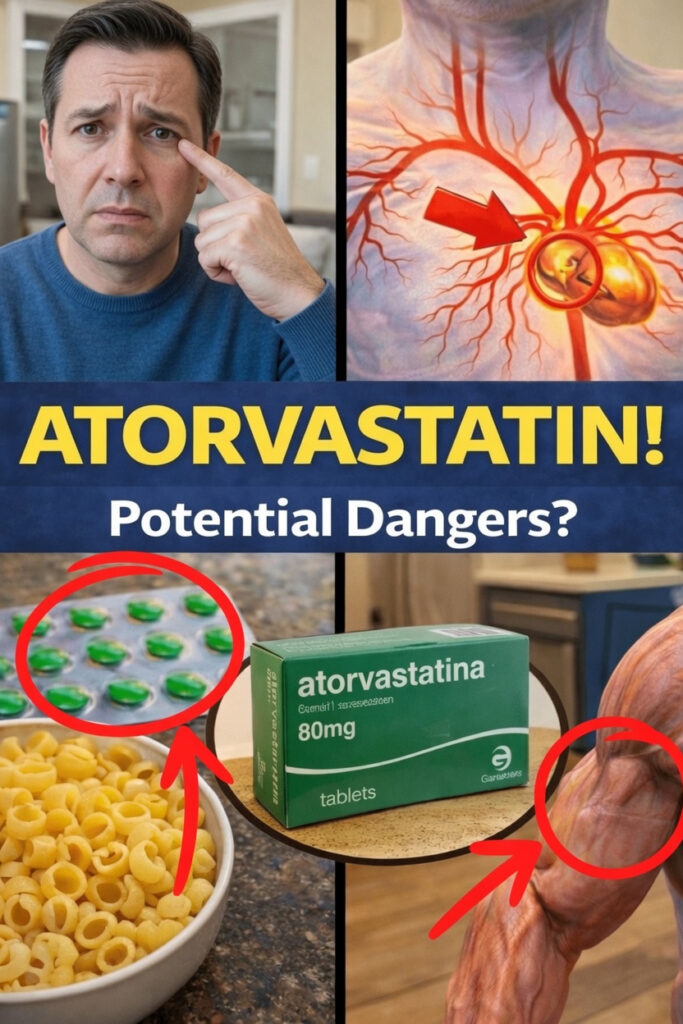
Atorvastatin Side Effects: What to Know Before and During Treatment
Atorvastatin is one of the most commonly prescribed statins for lowering cholesterol and protecting cardiovascular health. It can play a major role in reducing the risk of heart attack, stroke, and other heart-related complications. Even so, some people notice side effects while taking it, ranging from mild annoyances to symptoms that deserve closer medical attention.
Muscle soreness, stomach discomfort, and headaches are some of the complaints reported most often. Learning about these possible reactions can help you recognize what is normal, what may improve over time, and when it is important to speak with a healthcare professional.
This guide covers both common and less talked-about side effects of atorvastatin using information supported by trusted medical sources. You will also find practical ways to reduce discomfort and understand why regular communication with your doctor is so important.
What Is Atorvastatin and Why Do Doctors Prescribe It?
Atorvastatin is part of the statin family, a group of medicines used to lower cholesterol. It works by blocking a liver enzyme involved in cholesterol production. As a result, it helps reduce LDL, often called bad cholesterol, and triglycerides, while also supporting higher HDL, known as good cholesterol.
Doctors commonly prescribe atorvastatin for people who:
- Have high cholesterol
- Have a history of heart disease
- Face a higher risk of heart attack or stroke
- Need long-term support for cardiovascular prevention
Medical organizations such as the Mayo Clinic have reported that statins can meaningfully reduce the risk of serious cardiovascular events in the right patients. Still, as with any medication, side effects can occur, and each person may respond differently.

Common Side Effects of Atorvastatin
Many people take atorvastatin without major problems. When side effects do happen, they are often mild and may lessen after the body adapts to treatment. According to sources like the NHS and WebMD, the most frequently reported effects include:
- Muscle pain or weakness that is usually mild
- Digestive issues such as nausea, diarrhea, indigestion, or gas
- Headaches
- Joint discomfort
- Cold-like symptoms, including a sore throat or runny nose
- Tiredness
- Sleep disturbances in some users
These symptoms often appear during the earlier stage of treatment and may improve with time. For many people, they do not last long or require stopping the medication.
Less Common but Important Side Effects
Although uncommon, there are some side effects that should not be ignored. These reactions may not happen often, but they are still worth understanding because they may require medical review.
Some less common concerns linked to atorvastatin include:
- Higher blood sugar levels, which can slightly increase the risk of type 2 diabetes in people already predisposed
- Memory changes or confusion, although large reviews have not shown a strong connection between statins and dementia
- Changes in liver enzymes, which is why doctors may order blood tests before and during treatment
The reassuring news is that severe complications, such as major liver injury or serious muscle breakdown, are very rare, especially when the medication is used under proper supervision.
15 Possible Side Effects of Atorvastatin
Clinical findings and patient experiences point to a range of side effects that may occur with atorvastatin. Here are 15 possible reactions to be aware of:
- Muscle aches or pain
- Joint pain
- Diarrhea
- Nausea or stomach upset
- Headache
- Fatigue
- Indigestion or heartburn
- Gas or bloating
- Runny nose or sore throat
- Insomnia or sleep-related issues
- Increased blood sugar
- Elevated liver enzymes
- Mild memory fog or forgetfulness
- Skin rash, including rare allergic reactions
- Dizziness
In many cases, these effects are temporary and reversible. Some medical journal reviews also suggest that certain symptoms reported with statins appear at similar rates in people taking a placebo. This means expectations, awareness, or the nocebo effect may sometimes influence how symptoms are experienced.
Serious Side Effects: When to Get Medical Help Right Away
Some symptoms should never be ignored. Stop taking atorvastatin and contact your doctor immediately if you develop any of the following:
- Severe unexplained muscle pain, tenderness, or weakness, especially if paired with dark urine
- Yellowing of the skin or eyes, dark urine, or pale-colored stools, which may suggest liver problems
- Severe stomach pain
- Signs of an allergic reaction, such as swelling, rash, or difficulty breathing
These reactions are rare, but early action matters.
How to Manage Mild Side Effects More Comfortably
If your symptoms are mild, there are several simple strategies that may help. Always check with your healthcare provider before making changes.
Helpful steps may include:
- Take atorvastatin at the same time every day
- Many people take it in the evening, since cholesterol production is often higher at night
- Drink enough water throughout the day
- Choose light, simple meals if you are dealing with digestive discomfort
- Try gentle exercise, such as walking, if your doctor agrees
- Keep a symptom journal to track patterns and timing
- Ask your doctor whether a dose adjustment or a different statin might be more suitable
Research indicates that, for most patients who need atorvastatin, the cardiovascular benefits are greater than the risks when the medicine is taken correctly.
Lifestyle Habits That Can Improve Cholesterol Control
Medication often works best when it is combined with healthy daily habits. If you are taking atorvastatin, these lifestyle changes can support better results:
- Eat a heart-healthy diet with fruits, vegetables, whole grains, and lean protein
- Get regular physical activity, aiming for about 150 minutes of moderate exercise each week
- Work toward a healthy body weight
- Limit alcohol intake
- Avoid smoking
Using atorvastatin alongside positive lifestyle choices often leads to stronger and more lasting cholesterol improvement.
Frequently Asked Questions
Is muscle pain from atorvastatin always serious?
No. Most muscle discomfort linked to atorvastatin is mild and may improve over time or after treatment adjustments. However, severe pain or weakness, especially with other symptoms, should be evaluated immediately.
Can atorvastatin cause diabetes?
It may slightly raise blood sugar levels in some individuals, especially those who already have diabetes risk factors. Even so, for many high-risk patients, the heart-protective benefits still outweigh this concern.
Should I stop taking atorvastatin if I get side effects?
Do not stop taking atorvastatin without speaking to your doctor. Suddenly stopping treatment can interfere with cholesterol management. Your healthcare provider can help decide whether to adjust the dose, monitor symptoms, or try another option.
Final Thoughts
Atorvastatin remains one of the most researched and widely used cholesterol-lowering medications available today. For many people, it provides meaningful protection against serious heart problems. Knowing the possible side effects can help you feel more prepared and confident while taking it.
If you notice anything unusual, do not stay silent. A conversation with your doctor can help determine whether your symptoms are temporary, manageable, or a sign that your treatment plan should be adjusted. Staying informed and working closely with your healthcare team is the best way to use atorvastatin safely and effectively.