Guava Leaves for Oral Care: A Natural Option to Support Daily Dental Hygiene
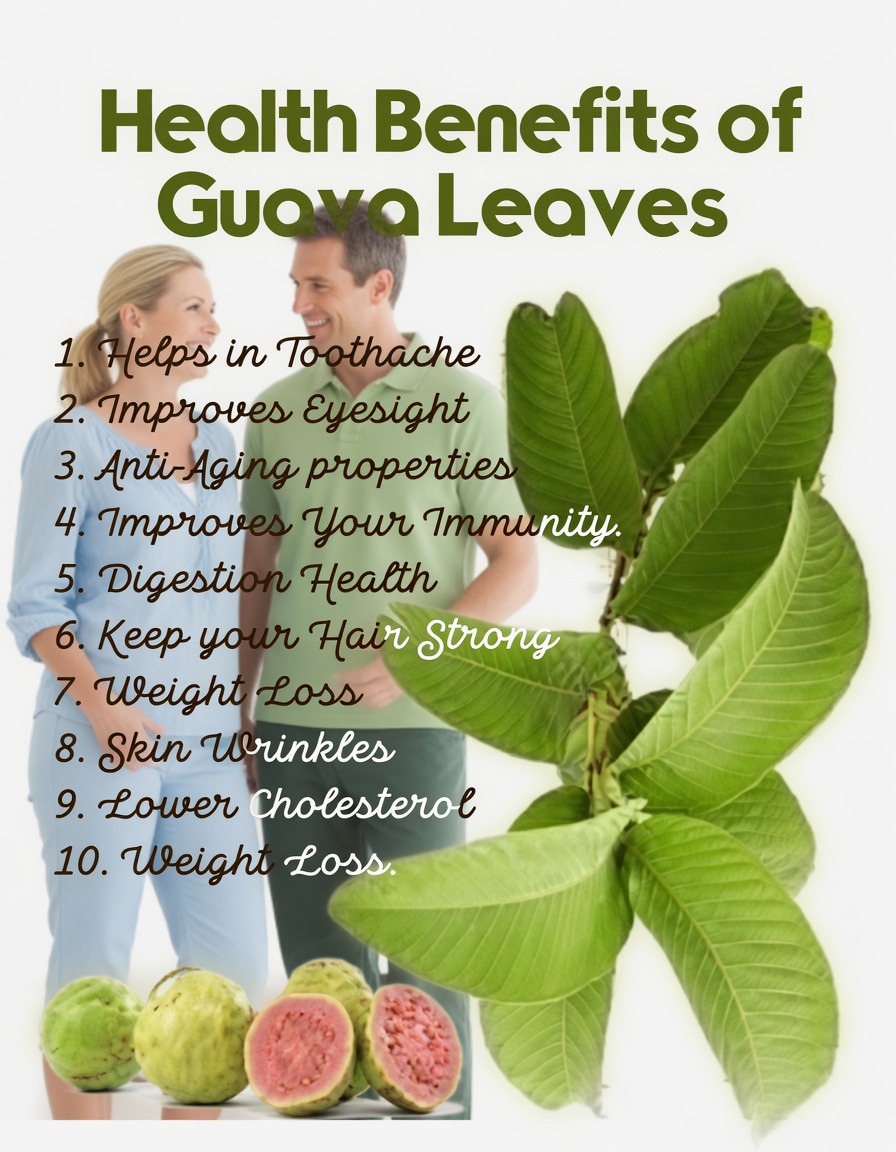
Tooth decay is still one of the most widespread oral health problems worldwide. It affects millions of people and often causes pain, sensitivity, and more frequent dental appointments. Even a small cavity can make simple activities like eating or drinking uncomfortable, while concerns about worsening damage can add unnecessary stress to everyday life. Because of this, many people look for mild, natural ways to complement their regular oral care routine. Guava leaves are one traditional remedy that continues to attract attention. This guide explores practical uses of guava leaves, drawing from traditional practices as well as developing scientific evidence, including one preparation detail that is often missed.
Why Guava Leaves Are Gaining Attention in Oral Wellness
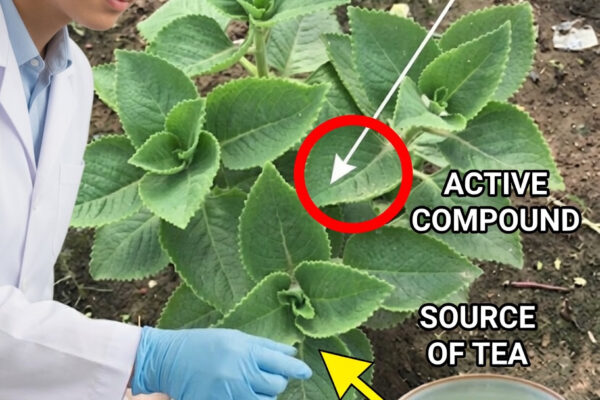
Leaves from the Psidium guajava tree have been used in many cultures to help maintain oral freshness. They contain plant compounds such as flavonoids, tannins, and quercetin, which are now being examined for their possible benefits in supporting a healthier oral environment.
Researchers have found that guava leaf extracts may have antimicrobial activity against certain bacteria found in the mouth, including Streptococcus mutans, one of the main microbes involved in plaque formation. Some studies suggest that guava leaf rinses may help limit bacterial attachment and encourage a more balanced oral microbiome.
Another reason guava leaves stand out is their availability. In many places, guava trees grow in home gardens, and the leaves can also be obtained at a low cost. That makes them appealing to people who want a simple, natural addition to brushing and flossing.
What Science Says About Guava Leaves and Dental Health
Both laboratory studies and small clinical investigations have pointed to the potential value of guava leaves in oral care. Researchers have tested guava leaf extracts for their ability to reduce the growth of bacteria associated with plaque and tooth decay.
In one randomized study, a mouthwash made with guava leaf extract showed a reduction in plaque levels over time when compared with a placebo rinse. Other laboratory research has reported that certain concentrations of guava extract performed similarly to common oral care agents in suppressing Streptococcus mutans activity on surfaces.
Guava leaves may also offer anti-inflammatory support. Compounds like quercetin have been linked to soothing effects on irritated tissues, which may be useful for gums and other soft tissues in the mouth. These findings have appeared in peer-reviewed journals and research reviews focused on medicinal plants in modern dentistry.
It is important to remember that guava leaves are only a supportive option. They should not be seen as a substitute for professional dental treatment, diagnosis, or evidence-based care.
Key Compounds Found in Guava Leaves
Here are some of the main plant compounds often discussed in guava leaf research:
- Flavonoids, including quercetin: known for antioxidant effects and possible support in controlling oral bacteria
- Tannins: valued for their astringent properties, which may help support tissue firmness
- Essential oils: contribute to the overall antimicrobial effect found in guava leaf extracts
These natural components are part of the reason guava leaves continue to be studied for oral health applications.
3 Easy Ways to Use Guava Leaves in Your Routine
If you want to try guava leaves at home, start with clean, properly sourced leaves. If you have allergies, sensitivities, or medical concerns, speak with a healthcare professional before using them regularly.
1. Guava Leaf Mouth Rinse
This is the most common and beginner-friendly method.
- Take 8 to 10 young guava leaves.
- Rinse them well under clean running water.
- Boil the leaves in 2 cups of water for about 10 to 15 minutes, until the liquid turns a light brown shade.
- Allow it to cool, then strain out the leaves.
- Pour the liquid into a clean container.
- Use it as a mouth rinse once or twice a day after brushing. Swish for 30 to 60 seconds, then spit it out.
Many people enjoy its mild herbal flavor, and similar preparations have been studied for their possible role in reducing plaque buildup.
2. Chewing Fresh Guava Leaves
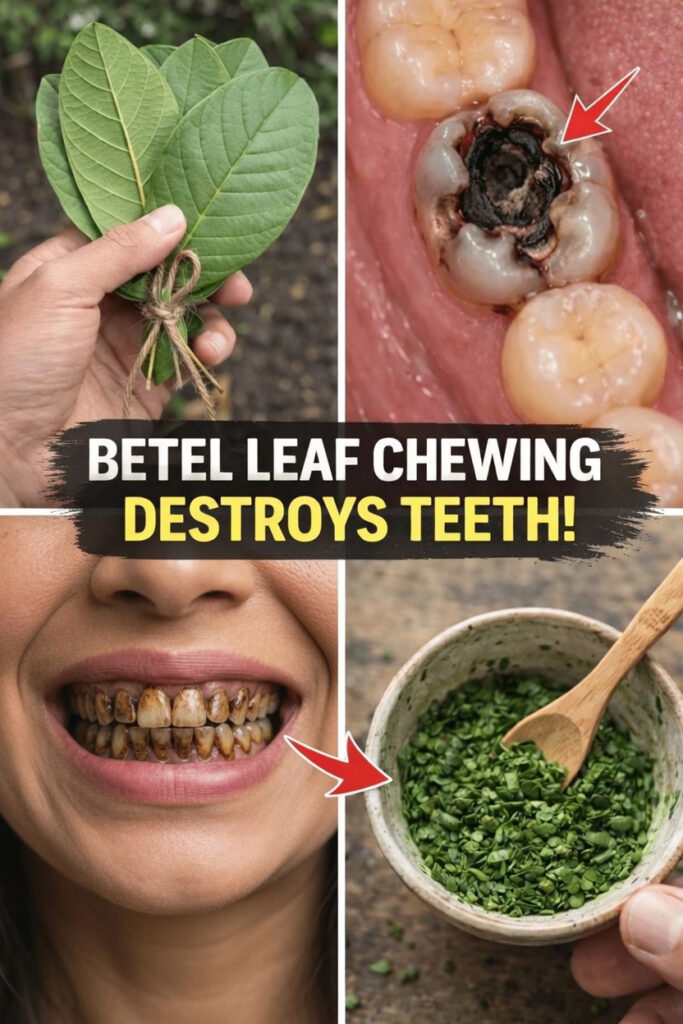
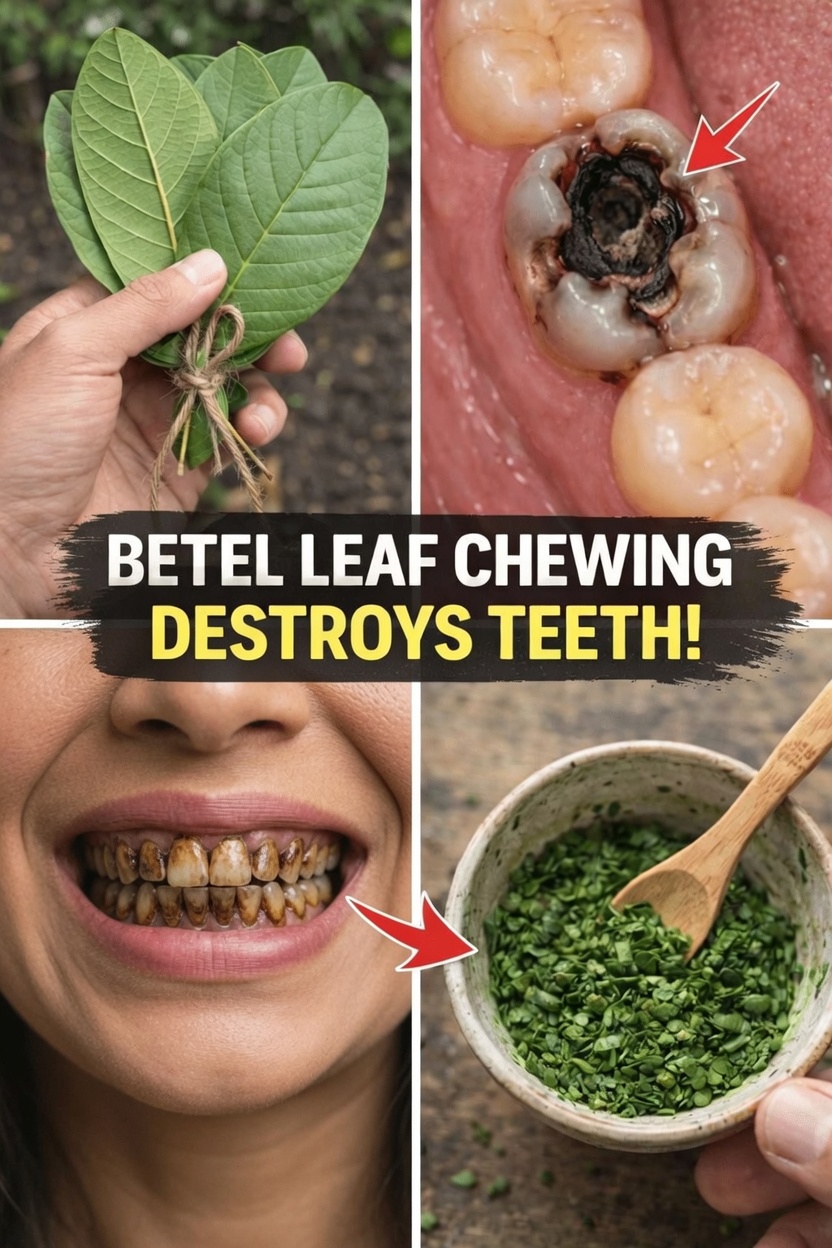
In traditional practice, some people chew tender guava leaves directly for a short time.
- Choose 2 to 3 soft, young leaves that are clean and free from pesticides.
- Chew them gently for 1 to 2 minutes to release their natural juices.
- Spit out the remaining leaf material instead of swallowing large amounts.
- Continue with your normal brushing routine.
This method allows the mouth to come into direct contact with the leaf compounds quickly. Although it is common in traditional use, it appears less often in formal clinical research.
3. Guava Leaf Powder for Paste or Rinse
Drying the leaves is useful if you want a preparation that lasts longer.
- Wash the leaves and let them dry in the shade until crisp, usually 3 to 5 days.
- Grind the dried leaves into a fine powder using a blender, grinder, or mortar and pestle.
- Mix a small amount with water to make a paste, or stir it into warm water for a rinse.
- If using as a paste, apply it gently to the teeth and gums with a clean finger.
- Leave it in place for about 2 minutes, then rinse thoroughly.
This option works well for people who do not have access to fresh leaves every day. Drying may still preserve many of the active plant compounds, according to phytochemical studies.
How to Improve Your Guava Leaf Preparation
A few simple details can make your preparation more effective and practical:
- Choose younger leaves whenever possible, as they may contain higher levels of beneficial compounds
- Do not boil for too long, since excessive heat can reduce some delicate plant components
- Keep up standard oral hygiene, including brushing twice a day with fluoride toothpaste, flossing, and seeing your dentist regularly
- Store rinses in the refrigerator and use them within 3 days
- Prepare small fresh batches often for better quality
One overlooked tip is to avoid overcooking the leaves. A gentle boil is usually enough to extract the useful compounds without unnecessarily degrading them.
Quick Comparison of the 3 Methods
Each preparation has its own advantages:
- Fresh rinse: simple to make, requires little equipment, suitable for everyday use
- Chewing leaves: fast and direct, convenient when you are away from home
- Dried powder: easy to store and flexible for making either a paste or rinse
Choosing the right option depends on your lifestyle, access to fresh leaves, and personal preference.
What You May Notice When Using Guava Leaves
People who use guava leaves as part of their oral care routine often describe a fresher, cleaner feeling in the mouth. Results vary from person to person, but many appreciate the herbal simplicity of this traditional approach.
Guava leaves are best viewed as a supportive habit rather than a cure. They can be an interesting addition to a broader oral hygiene routine, especially when paired with proven dental practices.
Frequently Asked Questions
How often can guava leaf preparations be used?
Most common recommendations suggest using them once or twice daily. It is wise to begin slowly and watch for any signs of irritation or sensitivity.
Are there any side effects?
Guava leaves are generally considered safe when used in moderate amounts. However, swallowing too much may lead to mild stomach discomfort in some people. Stop use if you notice irritation or any unusual reaction.
Can guava leaves replace dental visits?
No. Regular dental examinations and professional cleanings are still necessary for complete oral care and early treatment of problems like cavities and gum disease.
Final Thoughts
Guava leaves offer a simple, affordable, and plant-based option for people interested in natural oral care support. Their long history in traditional use, combined with growing scientific interest, makes them worth exploring as a complement to brushing, flossing, and regular dental checkups. For anyone looking to add a gentle, nature-inspired step to their daily routine, guava leaves may be a practical place to start.