
Understanding Irregular Periods
Irregular periods describe menstrual cycles that change noticeably from month to month. This may mean cycles that are shorter than 21 days, longer than 35 days, or bleeding patterns that suddenly become different in timing or flow. Scientific findings suggest that everyday habits—especially diet and stress levels—can affect hormone signaling from the hypothalamus and pituitary gland, both of which help control ovulation and menstruation.
Keeping daily routines steady can do more than support a more predictable cycle. It may also help improve energy, emotional balance, and overall wellness. Research has also linked anti-inflammatory eating patterns and stress-relief habits with healthier hormonal function over time.

Ginger and Menstrual Support
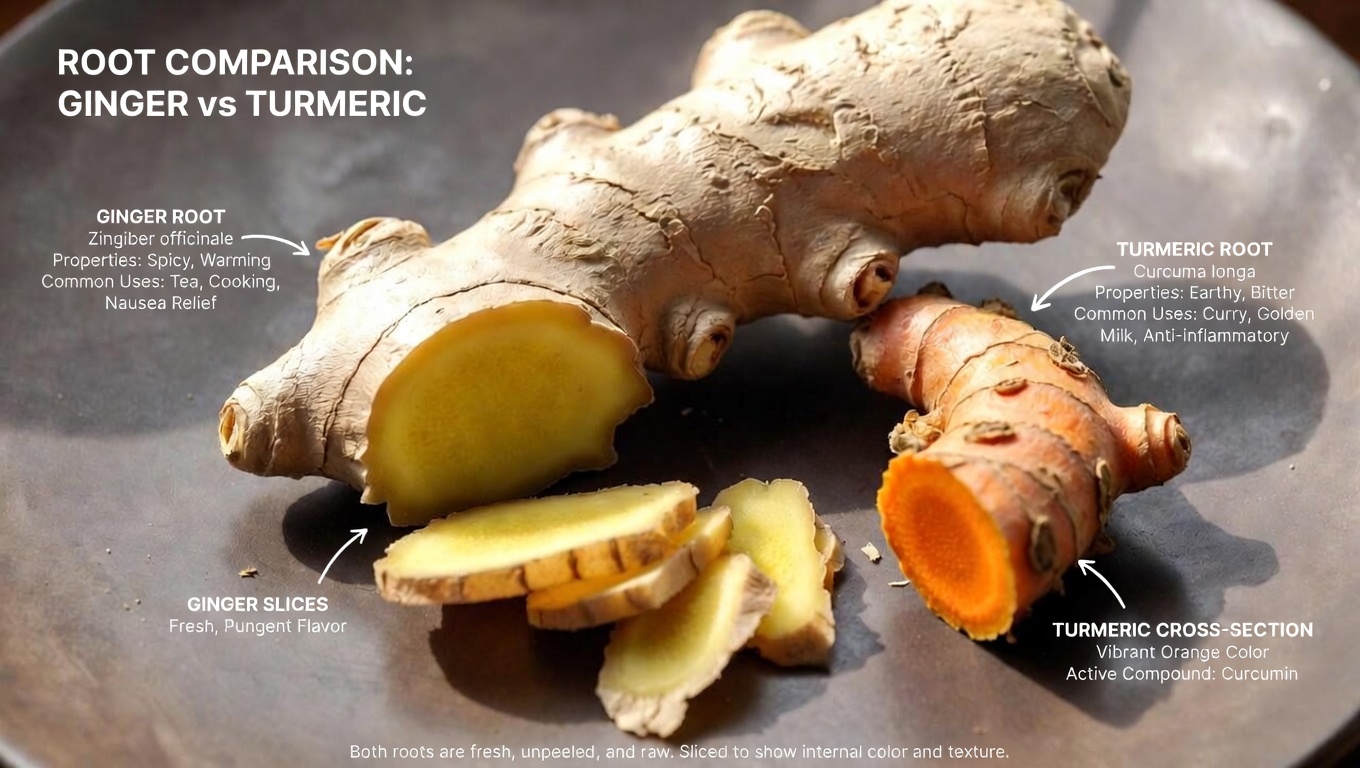
Ginger (Zingiber officinale) has a long history of traditional use and has also been studied for its role in menstrual comfort. Reviews of clinical research and meta-analyses suggest that ginger may help reduce common period-related discomfort, including cramps, largely because of its anti-inflammatory compounds such as gingerols.
Some studies also indicate that ginger may indirectly support cycle health by improving digestion, easing bloating, and possibly influencing uterine muscle activity. In several trials, amounts ranging from 750 to 2000 mg of ginger powder per day were used during the first few days of the menstrual cycle to help manage symptoms.
Easy Ways to Add Ginger to Your Routine
- Make fresh ginger tea by slicing a 1–2 inch piece of peeled ginger root, simmering it in water for about 10 minutes, then straining it. Add lemon or honey if desired.
- Mix freshly grated ginger into smoothies, soups, stir-fries, or other everyday meals.
- Begin with a small daily amount, around 1 gram, and monitor how your body responds over several weeks.
Ginger can be helpful on its own, but pairing it with other supportive ingredients may strengthen your wellness routine.
How Turmeric May Support Period Comfort
Turmeric is widely known for its anti-inflammatory and antioxidant effects, especially because of its active compound, curcumin. Clinical studies and research reviews have explored curcumin for menstrual pain and premenstrual symptoms, with findings showing it may help lessen discomfort and support mood stability.
Although there is less direct evidence that turmeric regulates cycle timing, its influence on inflammation—and its possible estrogen-like effects reported in some studies—suggests it may help create conditions that support hormonal balance. A common approach is 500–1000 mg of curcumin per day, often paired with black pepper extract, or piperine, to improve absorption.
Practical Ways to Use Turmeric
- Prepare golden milk by warming dairy or plant-based milk with 1 teaspoon of turmeric powder, a small pinch of black pepper, and optional honey or cinnamon.
- Add turmeric to curries, rice meals, soups, or herbal teas for a simple daily boost.
- If food sources are not enough, supplements may be considered, but it is best to speak with a healthcare professional first.
One appealing option is to combine ginger and turmeric in a soothing warm drink.
Ginger and Turmeric Tea for Daily Support
This homemade tea is simple to prepare and is a popular part of many wellness routines for menstrual comfort.
Ingredients
- 1-inch piece of fresh ginger, peeled and sliced
- 1 teaspoon turmeric powder, or a 1-inch piece of fresh turmeric root, peeled and sliced
- 2 cups water
- Optional: a pinch of black pepper, honey to taste, and a slice of lemon
How to Prepare It
- Bring the water to a boil in a small saucepan.
- Add the ginger and turmeric. If using black pepper, add it now.
- Lower the heat and let the mixture simmer for 10–15 minutes.
- Strain into a cup.
- Add honey or lemon if you like, then drink slowly.
- Enjoy 1–2 cups a day, preferably in the morning or evening.
Many people find this tea calming and comforting, and research on both ingredients supports their gentle role in menstrual wellness.
Lifestyle Habits That May Encourage More Regular Cycles
Herbs and spices can be useful, but broader lifestyle choices are just as important. These evidence-based habits may help support more consistent menstrual cycles:
- Reduce stress: Activities such as meditation, yoga, and deep breathing may lower cortisol levels, which can affect reproductive hormones. Consistent stress management has been linked to more predictable cycles.
- Eat a balanced diet: Focus on whole foods that provide iron, omega-3 fats, and essential vitamins. Leafy greens, nuts, seeds, and fatty fish are especially valuable for hormone support.
- Exercise in moderation: About 30 minutes of movement most days—such as walking, swimming, or gentle yoga—can help without putting too much strain on the body.
- Get enough sleep: Aim for 7–9 hours each night, as sleep is closely tied to hormonal regulation.
- Track your cycle: A period-tracking app can help you recognize patterns, changes, and possible triggers.
Small habits may not create instant results, but over several months they can make a meaningful difference.
What Results to Expect
Natural strategies do not work at the same speed for everyone. Some people notice improved comfort within a few weeks, while cycle regularity may take longer to change. The most important factors are patience and consistency.
Frequently Asked Questions
Can ginger and turmeric help if periods have been absent for several months?
These ingredients may support general wellness, inflammation balance, and menstrual comfort, but missing periods for months at a time should not be ignored. Amenorrhea can be linked to conditions such as PCOS, thyroid problems, or other underlying issues that require medical assessment.
Is it safe to drink ginger-turmeric tea every day?
For most people, moderate daily use is considered safe. However, too much ginger may cause heartburn in some individuals, and turmeric can interact with blood-thinning medications. Anyone with a medical condition or prescription treatment should check with a doctor first.
How long should these habits be followed before expecting changes?
Many people notice benefits over the course of 1–3 menstrual cycles. Long-term improvements are more likely when ginger and turmeric are combined with healthy lifestyle habits such as stress management, better sleep, and balanced nutrition. Tracking your progress can help you see what works best.
Important Note
This article is intended for informational purposes only and should not replace professional medical advice. If you have ongoing irregular periods, severe pain, or other concerning symptoms, consult a healthcare provider for a proper evaluation and personalized guidance.