
5 Everyday Spices That May Support Kidney Health Naturally
As people age or deal with the effects of stress, diet, and busy routines, concern about kidney health often grows. The kidneys perform essential work around the clock: removing waste, regulating fluid balance, and helping maintain stable blood pressure. Over time, however, challenges such as excess sodium, ongoing inflammation, and oxidative stress can place extra pressure on these organs.
If you sometimes feel low on energy, notice occasional puffiness, or simply want to support your body in a gentle, practical way, small dietary changes can help. One easy place to start is your spice cabinet. Several common spices are valued not only for flavor, but also for their antioxidant and anti-inflammatory properties, which may contribute to overall wellness, including kidney support.
What may surprise you is that some of the most familiar seasonings in your kitchen could offer more than just taste. Below are five spices worth considering.
Why Spices Can Be Helpful for Kidney Wellness
Spices do much more than make food taste better. According to guidance from organizations such as the National Kidney Foundation, herbs and spices are naturally low in sodium, making them useful alternatives to salt for people trying to reduce intake. That alone can be beneficial for long-term health.
Many spices also contain plant compounds that help the body manage oxidative stress. This matters because oxidative stress has been associated with a range of health issues, including those that may affect kidney function.
Research also suggests that certain spices may help calm inflammation and support the body’s natural cleansing processes. By helping neutralize free radicals, their antioxidants may reduce some of the burden placed on major organs, including the kidneys.
Another important advantage is practical: flavorful meals are easier to enjoy consistently. When healthy food tastes good, it becomes much easier to maintain better habits over time.

The Top 5 Spices to Consider for Kidney Support
These five spices have been widely studied for their wellness benefits and may play a supportive role in a balanced, kidney-conscious diet.
1. Garlic
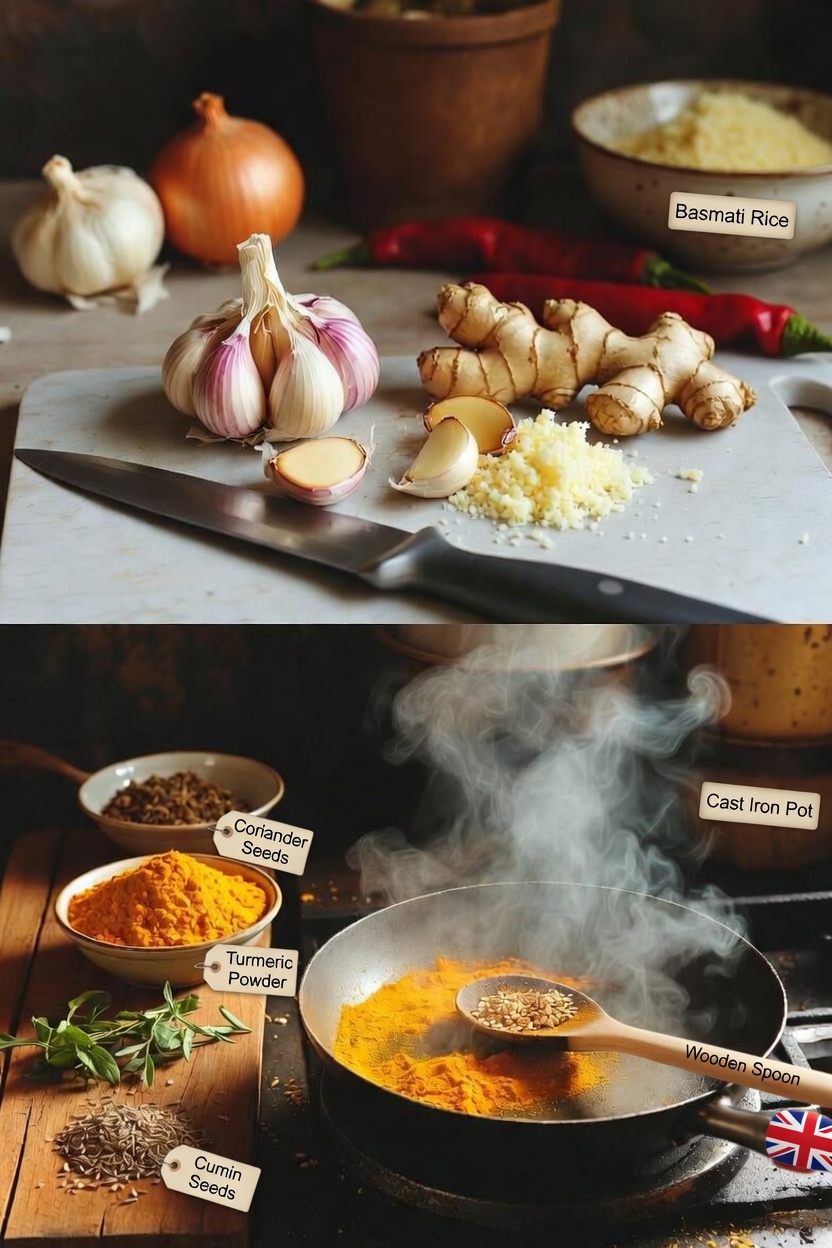
Garlic is one of the most researched kitchen staples for overall health. When fresh garlic is chopped or crushed, it produces allicin, a compound linked to antioxidant and anti-inflammatory effects. Studies suggest garlic may also support heart health, which is closely connected to kidney function.
Because it adds strong flavor without relying on salt, garlic is a smart choice for soups, sautéed vegetables, grain bowls, and roasted dishes.
How to use it:
- Add 1 to 2 fresh cloves to meals each day
- Mix minced garlic into soups, sauces, or stir-fries
- Use garlic powder lightly if fresh garlic feels too intense
2. Ginger
Ginger is best known for soothing digestion and easing nausea, but its benefits may extend further. Compounds such as gingerol are associated with anti-inflammatory and antioxidant activity. Early animal research suggests ginger may offer protective effects in situations involving kidney stress.
Its warm, fresh flavor makes it easy to include in both drinks and meals, making it a simple option for daily wellness.
Try it this way:
- Steep a 1-inch piece of fresh ginger in hot water for tea
- Grate it into smoothies or marinades
- Add thin slices to soups or vegetable dishes
3. Turmeric
Turmeric stands out for its bright golden color and its active compound, curcumin. Curcumin has been widely studied for strong antioxidant and anti-inflammatory properties. Some research has explored its potential role in supporting healthy kidney markers by helping reduce inflammation and improve overall balance in the body.
For better absorption, turmeric is often paired with black pepper.
Simple ways to use it:
- Stir 1/2 teaspoon into rice, curries, or soups
- Add it to warm milk or a golden milk drink
- Combine with a small pinch of black pepper when cooking

4. Cumin
Cumin is commonly used in Indian, Middle Eastern, and Mediterranean cuisine. It contains antioxidants and is often appreciated for helping support digestion. Research on black cumin, or Nigella sativa—a related but different spice—has shown possible protective effects against kidney injury in laboratory studies, largely due to thymoquinone. While standard cumin is not identical, it still offers valuable wellness-supporting properties.
Its earthy flavor works well in savory dishes and is easy to incorporate regularly.
Easy ideas:
- Lightly toast cumin seeds before adding them to meals
- Sprinkle 1/2 to 1 teaspoon into soups, lentils, or roasted vegetables
- Mix ground cumin into grain bowls or salad dressings
5. Cinnamon
Cinnamon is often associated with sweet dishes, but it may offer health benefits beyond flavor. It has antioxidant properties and may help support healthy blood sugar balance. This is important because elevated blood sugar over time can place stress on the kidneys.
Cinnamon is also naturally low in sodium and potassium, which can make it a suitable addition to many kidney-friendly eating patterns.
Simple serving ideas:
- Sprinkle about 1/2 teaspoon daily on oatmeal or yogurt
- Add it to baked apples or fruit compotes
- Mix a dash into smoothies or nut-based snacks
Why These 5 Spices Stand Out
These spices are especially appealing because they offer several practical benefits at once:
- Rich in antioxidants, which help fight oxidative stress
- Helpful for inflammation support, especially garlic, ginger, and turmeric
- Low in sodium, making them excellent alternatives to salt
- Easy to find and use, since most are already common kitchen staples
Together, these qualities make them realistic choices for everyday cooking.
Simple Ways to Add Them to Your Daily Routine
If you want to start using these spices right away, keep it simple. Small changes are often the easiest to maintain.
A practical daily plan
- Morning: Sip ginger tea or turmeric tea
- Lunch: Add garlic and cumin to vegetables, beans, or grains
- Dinner: Use turmeric in soups or sauces
- Dessert or snack: Sprinkle cinnamon on apple slices, oatmeal, or yogurt
- Extra tip: Start with small amounts and notice how your body responds
It also helps to stay well hydrated. Pairing these habits with adequate water intake can support overall wellness.
The key is consistency, not large amounts. Over time, modest changes in how you season food can improve both flavor and healthy eating habits.
Important Things to Keep in Mind
In normal cooking amounts, these spices are generally considered safe for most people. Still, individual needs vary. If you have an existing kidney condition or follow a medically prescribed diet, it is best to speak with your healthcare provider before making significant dietary changes.
This is especially important if you are thinking about using concentrated spice supplements rather than food-based amounts. High doses may interact with medications or certain health conditions.
Conclusion
Supporting your kidneys does not always require complicated changes. Sometimes, simple choices in the kitchen can make a meaningful difference. Garlic, ginger, turmeric, cumin, and cinnamon all bring flavor to meals while offering researched antioxidant and anti-inflammatory benefits that may help support overall wellness.
Using these spices regularly is an easy, natural way to make healthy meals more enjoyable while giving your body gentle support.
FAQ
What makes spices useful for kidney support?
Many spices are naturally low in sodium and rich in antioxidants. They may help the body manage inflammation and oxidative stress without adding extra dietary strain.
Can people with chronic kidney disease use these spices?
In typical cooking amounts, many of these spices are considered kidney-friendly by sources such as the National Kidney Foundation. However, anyone with chronic kidney disease should check with a doctor or dietitian for advice tailored to their condition.
How much is safe to use each day?
For most people, culinary amounts are well tolerated. A total of about 1/2 to 2 teaspoons per day, spread across different spices, is a practical range. Variety is generally better than taking large amounts of one spice.