Why Urine Looks Foamy: Common Causes, Warning Signs, and Simple Ways to Check
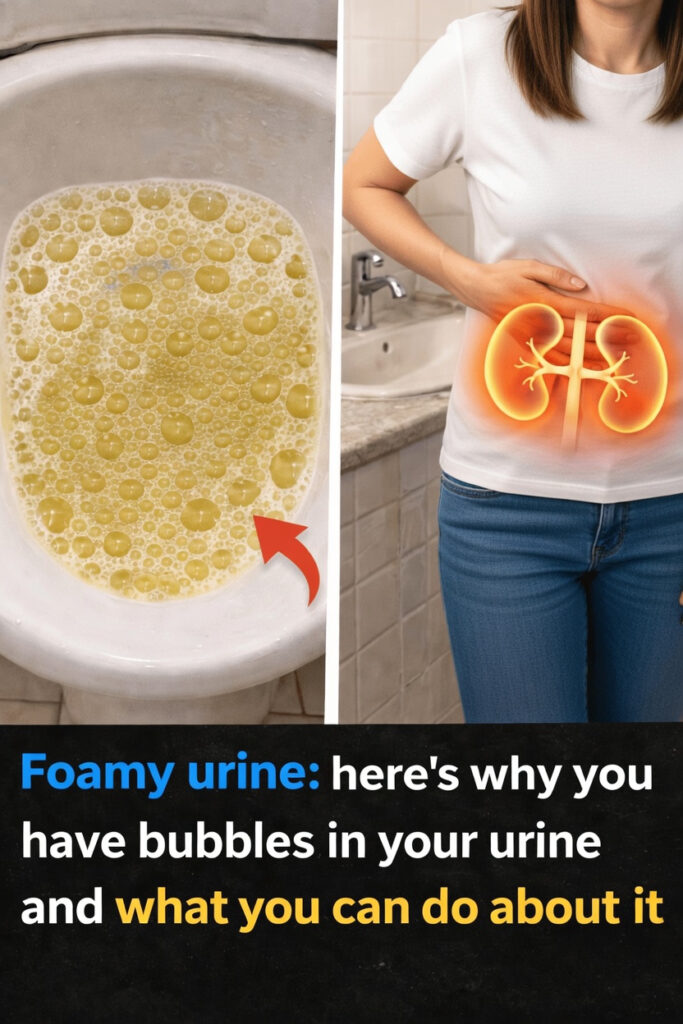
Have you ever noticed bubbles or a foamy layer in the toilet after urinating that does not disappear right away? This is a fairly common experience, and it can understandably cause concern, especially if you start seeing it more often. That frothy look may make you wonder whether something in your body has changed. In many cases, occasional bubbles are harmless. Still, knowing what can cause foamy urine can help you feel more reassured and know when it may be worth paying closer attention.
This article explains the usual everyday reasons urine may appear foamy, when it could suggest something that needs further evaluation, and what simple habits you can start using today. By the end, you will also learn about some surprising daily factors that can affect urine appearance and easy ways to keep track of changes.
What Is Foamy Urine?
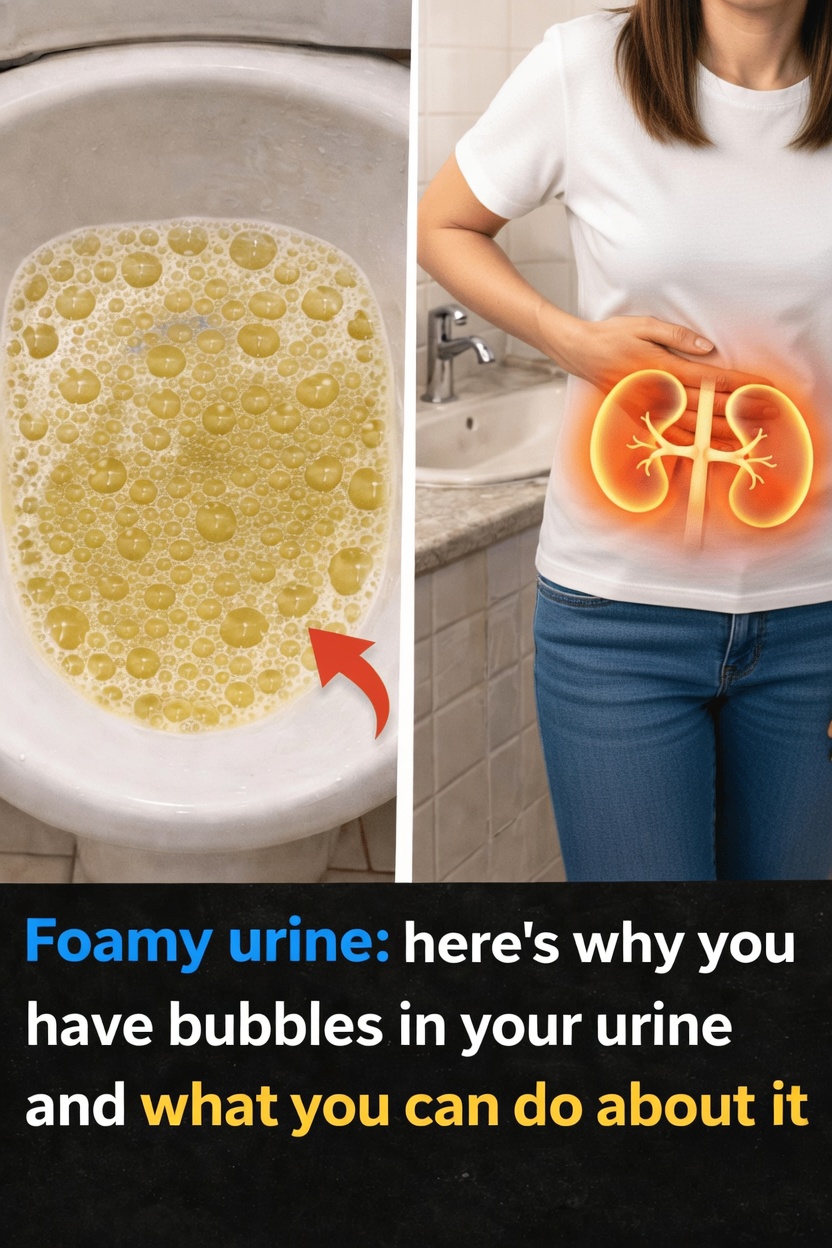
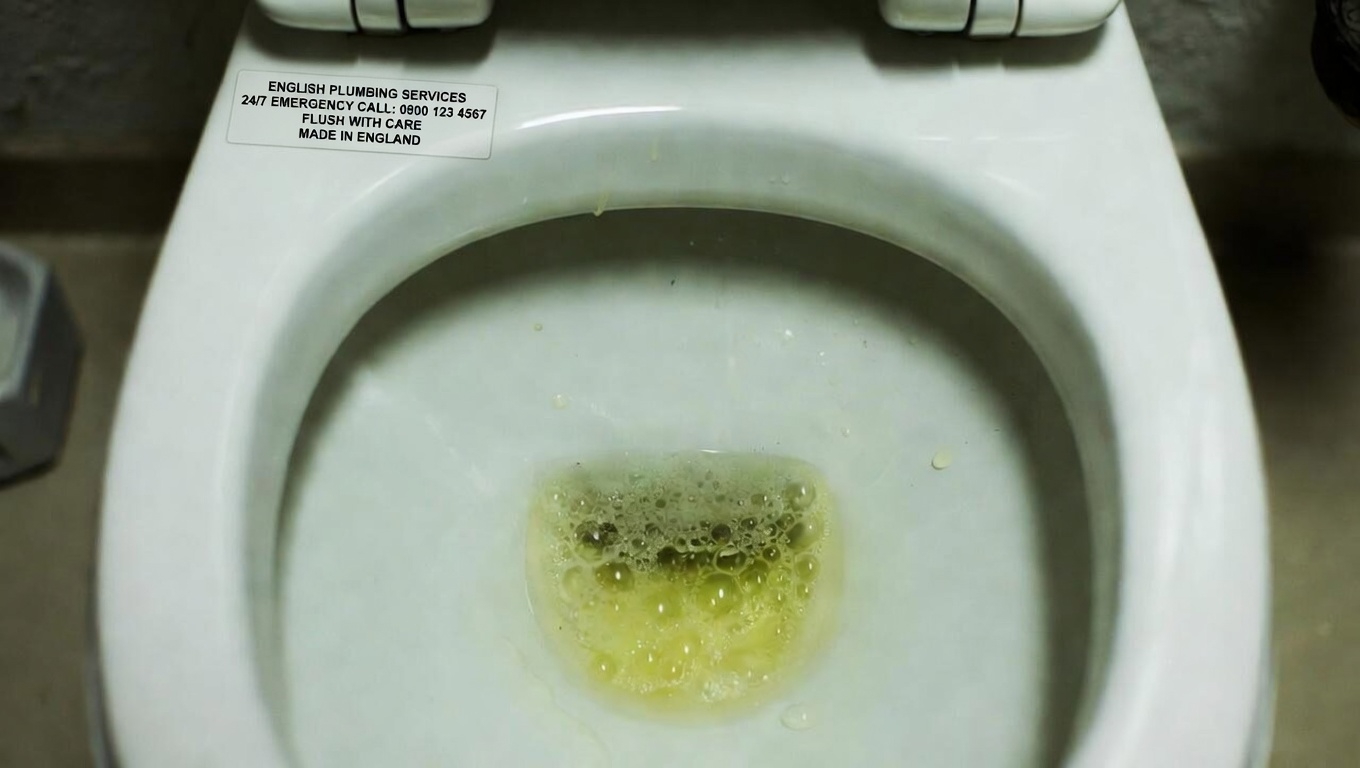
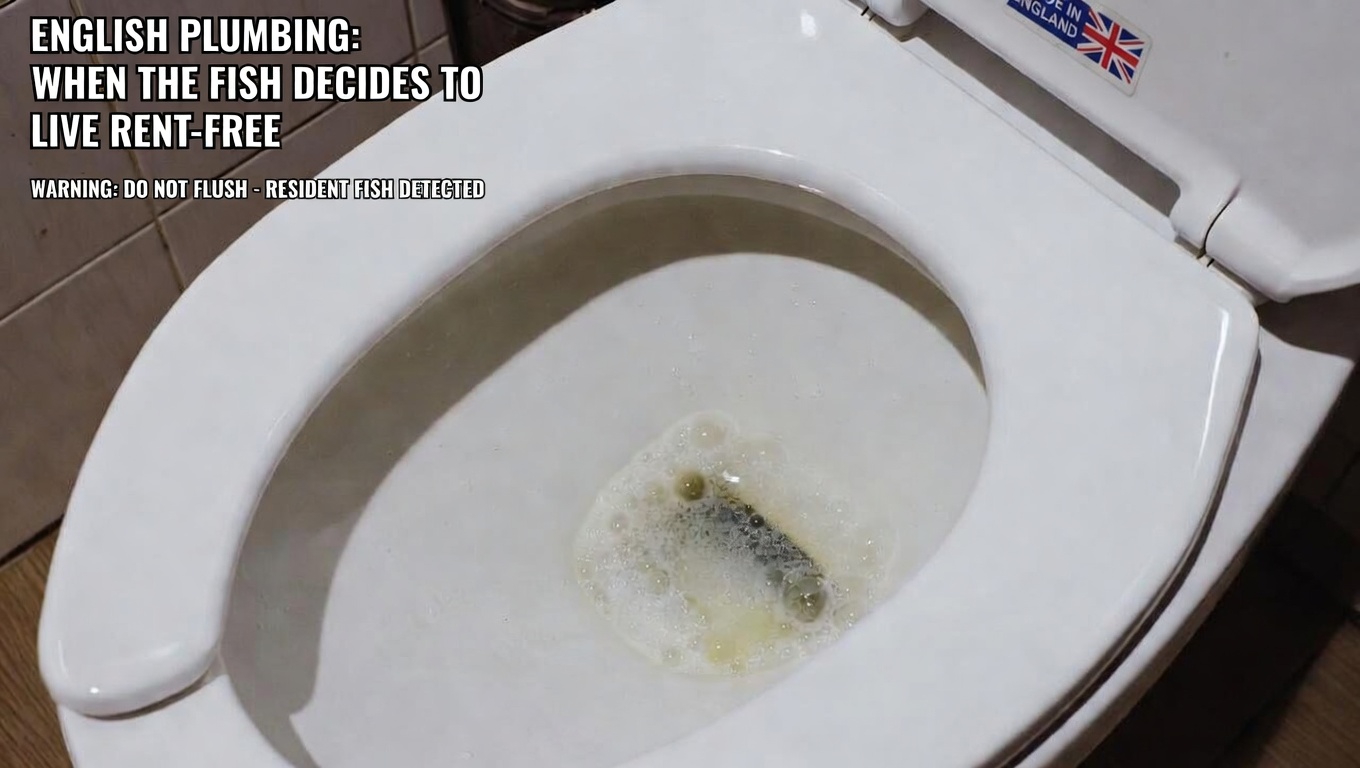
Foamy urine is urine that leaves behind a layer of white or pale bubbles on the surface of the toilet water, and those bubbles tend to linger rather than disappear quickly. This is different from ordinary bubbles, which are often larger, more transparent, and fade almost immediately.
According to information from trusted medical sources such as the Cleveland Clinic and Mayo Clinic, occasional bubbling can happen to anyone. What matters most is how often it happens and whether the foam stays around consistently. In some cases, it is simply related to the force of urination or how urine mixes with water. In others, it may reflect something happening inside the body.
Everyday, Harmless Reasons Urine May Look Foamy
A lot of the time, foamy urine is linked to temporary and non-serious causes that improve on their own.
Urinating Very Fast or With Strong Pressure
If your bladder is extremely full, your urine stream may hit the toilet water with more force than usual. That impact can trap air and create bubbles, much like water foams when poured quickly. Medical references often list this as one of the most common harmless explanations.
Dehydration and More Concentrated Urine
Not drinking enough water can make urine more concentrated. When that happens, it may appear darker yellow and look more bubbly or frothy. Improving hydration often helps reduce this effect.
Cleaning Products or Toilet Residue
Sometimes the issue is not your body at all. Toilet bowl cleaners or leftover chemical residue can react with urine and produce more bubbles. If you notice foamy urine in one bathroom but not another, this may be the reason.
These situations help explain why foam may appear from time to time without indicating a health problem.
When Foamy Urine May Mean More Than Just Bubbles
Although occasional foam is usually not a problem, persistent or increasing foam can sometimes be associated with excess protein in the urine, called proteinuria. Proteins such as albumin can behave somewhat like surfactants, which means they can help bubbles form and stay longer, similar to soap suds.
Health organizations including the Mayo Clinic and Cleveland Clinic note that protein in the urine can be related to kidney function. Normally, the kidneys filter waste while keeping important substances like protein in the bloodstream. When that filtering process is affected, small amounts of protein may leak into the urine.
This may be associated with conditions such as:
- Diabetes
- High blood pressure
- Certain autoimmune disorders
- Other issues that affect kidney health
Persistent proteinuria is worth monitoring because early recognition can support better long-term health outcomes. Still, foamy urine by itself does not automatically mean there is a serious condition. It is only one possible clue.
Other Symptoms to Notice Alongside Foamy Urine
If the foam keeps coming back, it is a good idea to watch for other changes at the same time. Medical sources commonly mention symptoms such as:
- Swelling in the feet, hands, legs, or face
- Unusual tiredness or fatigue
- Changes in how often you urinate
- Changes in the amount of urine
- Unexplained weight changes
If you notice persistent foamy urine together with any of these signs, it may be helpful to speak with a healthcare provider. A simple urine test, such as a urinalysis, can often provide useful answers.
Practical Things You Can Do Right Now
The encouraging news is that many common causes of foamy urine can be addressed with small daily adjustments. Here are some easy steps to try.
1. Drink More Water
Try aiming for around 8 glasses of water a day, or more if you exercise often or live in a hot climate. After a few days of better hydration, check whether your urine looks lighter in color and less foamy.
2. Pay Attention to How You Urinate
If you tend to hold your urine for a long time and then empty your bladder quickly, that stronger stream may be causing the bubbles. Try going sooner or urinating more gently when possible. Notice whether the foam appears mainly when you are very full or dehydrated.
3. Review Diet and Exercise
A high-protein diet or very intense physical activity can sometimes temporarily change urine concentration. Keeping meals balanced with fruits, vegetables, and proper recovery may help.
4. Keep a Simple One-Week Record
Write down a few observations each day, such as:
- When foam appears
- The color of your urine
- How much water you drank
- Any other symptoms you noticed
This can help you spot patterns and give clearer information if you decide to speak with a doctor.
Normal Bubbles vs. Persistent Foam
The chart below can help you compare what you are seeing.
| Feature | Normal Bubbles | Persistent Foam |
|---|---|---|
| Appearance | Large, clear, spread out | White, frothy, more uniform |
| Duration | Goes away quickly after flushing | Stays longer, may need multiple flushes |
| Common triggers | Fast urine stream, toilet cleaners | Dehydration, possible protein in urine |
| When to pay attention | Happens occasionally | Happens often or seems to worsen |
Daily Habits That Support Healthy Urine and Kidney Function
In addition to the basics, a few healthy lifestyle habits can make a meaningful difference over time.
- Eat a balanced diet with fewer highly processed foods
- Support healthy blood pressure and blood sugar levels
- Exercise regularly while staying hydrated
- Manage stress, which can indirectly affect hydration and overall wellness
Research suggests that these consistent habits can help support kidney health over the long term.
Frequently Asked Questions
What is the difference between urine bubbles and foamy urine?
Regular bubbles are usually larger, clearer, and disappear quickly. Foamy urine tends to look whiter, denser, and lasts longer on the water’s surface. It can sometimes be linked to concentrated urine or other underlying factors.
Can dehydration cause foamy urine?
Yes. When you are not drinking enough fluids, your urine becomes more concentrated, and that can make it appear foamier. Drinking more water often improves the situation fairly quickly.
Should I worry if my urine is only foamy once in a while?
Occasional foam is often harmless, especially if it happens after urinating forcefully or when you are dehydrated. If it becomes frequent, continues even after better hydration, or appears with symptoms like swelling or fatigue, it is a good idea to get checked.
Does foamy urine always mean something serious?
No. Many cases are temporary and not dangerous. However, if the change is persistent or getting worse, it is worth paying attention and discussing with a healthcare professional.
Final Note
Foamy urine is often caused by simple factors like dehydration, a strong urine stream, or even toilet cleaning chemicals. But if the foam keeps returning or appears along with swelling, fatigue, or changes in urination, it may be a sign that further evaluation is needed. Paying attention early and making a few practical lifestyle changes can help you better understand what your body is telling you.
This content is for general information only and is not medical advice. For personal guidance about symptoms or health concerns, always consult a qualified healthcare professional.