Natural Herbs for Leg Circulation: Plant-Based Ways to Support Comfort and Healthy Blood Flow
Do your legs ever feel unusually heavy after hours of sitting or standing? Maybe your ankles look a little puffier in hot weather, or your lower legs seem more tired than they used to. These are very common issues, and they are often linked to everyday habits such as lack of movement, long workdays on your feet, or age-related changes in circulation.
Because these signs can seem minor at first, many people ignore them until leg discomfort begins to affect daily life. The encouraging part is that gentle, steady changes can make a difference. Along with movement, hydration, and a balanced diet, certain herbs with a long history of traditional use—and growing scientific interest—may help support blood flow and improve leg comfort.
If you are looking for simple, plant-based options that can fit into your routine, the herbs below are among the best known for circulation support. You will also find practical advice on how to use them safely.
Why Leg Circulation Matters
Good circulation is essential for overall vascular health. Blood carries oxygen and nutrients to tissues and helps remove metabolic waste. When blood flow becomes less efficient, the legs may begin to feel heavy, sluggish, or mildly uncomfortable. Over time, some people also notice swelling or more visible veins.
Common factors that may contribute to reduced leg circulation include:
- Long periods of sitting
- Standing for extended hours
- Carrying extra body weight
- Limited physical activity
- Changes in vein function with age
Research referenced by organizations such as the National Institutes of Health suggests that inflammation and the flexibility of blood vessels both play important roles in circulation. While persistent or severe symptoms should always be evaluated by a medical professional, natural strategies may help complement healthy lifestyle habits.
Best Herbs for Supporting Leg Circulation
Several herbs and plant extracts have been widely discussed for their potential to promote vascular function and leg comfort. Below is a closer look at the most researched options.
Ginger: A Daily Warming Herb for Blood Flow
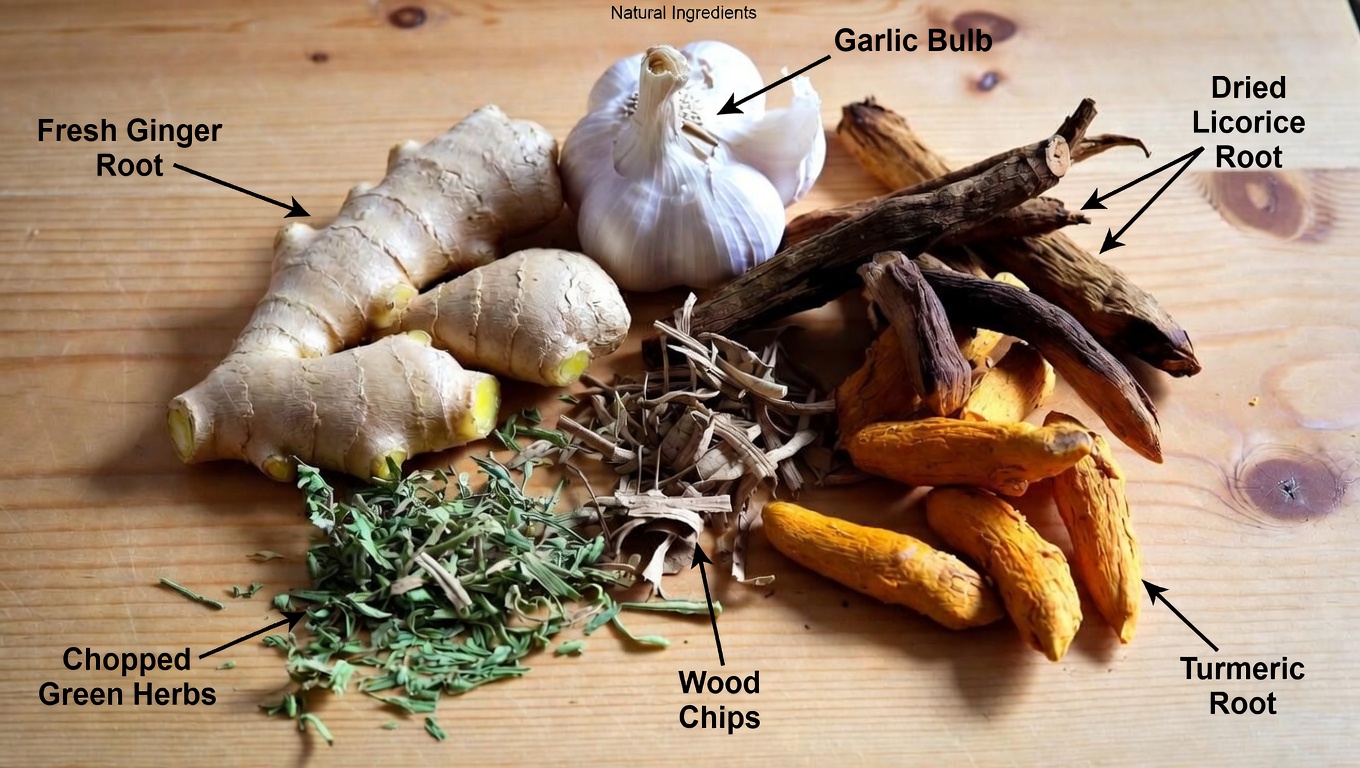
Ginger is one of the easiest herbs to include in an everyday wellness routine. It contains active compounds such as gingerol, which have shown anti-inflammatory effects in both laboratory and human studies. Some research suggests ginger may help support blood vessel relaxation and encourage better circulation, especially in the hands and feet.
Ways to use ginger:
- Add fresh slices to hot water for tea
- Use grated ginger in soups, stir-fries, and sauces
- Blend it into smoothies
A simple ginger tea can be made by steeping 1 to 2 inches of sliced fresh ginger in hot water for about 10 minutes. Lemon or honey can be added for flavor. Starting with one cup per day is a practical approach.
Garlic: A Familiar Food with Vascular Benefits
Garlic is a kitchen staple, but it is also well known for its potential heart and circulation benefits. Sulfur-containing compounds like allicin have been associated with healthy blood vessel function and normal platelet activity. Population-based studies have linked regular garlic intake with favorable circulation-related markers.
To get the most from fresh garlic:
- Crush or chop it before cooking
- Let it rest for about 10 minutes
- Add it to soups, dressings, roasted vegetables, or stir-fries
For people who do not enjoy the strong smell or taste, aged garlic extract is a common supplement option. As with any supplement, product quality matters.
Turmeric: Antioxidant Support for Vascular Health
Turmeric is valued for curcumin, its main active compound. Curcumin is known for its antioxidant and anti-inflammatory effects, and studies suggest it may help support blood vessel dilation while reducing oxidative stress.
Simple ways to use turmeric include:
- Mixing it into soups or curries
- Blending it into smoothies
- Making a warm golden milk drink
For better absorption, turmeric is often paired with black pepper. A common method is to stir 1 teaspoon of turmeric powder and a pinch of black pepper into warm milk or a plant-based alternative.
Cayenne Pepper: A Spicy Option for Circulation Support
Cayenne pepper contains capsaicin, a compound that may help stimulate nitric oxide activity and support blood vessel relaxation. Traditionally, cayenne has been used to create a warming sensation in the body and encourage peripheral circulation.
If you want to try it, start small:
- Sprinkle a little into soups
- Add a pinch to eggs
- Mix lightly into savory dishes
Because cayenne is strong, it is best to begin with very small amounts and increase slowly to avoid stomach irritation.
Horse Chestnut Seed Extract: Well Known for Vein Support
Among herbal options for leg heaviness and swelling, horse chestnut seed extract is one of the most studied. Standardized extracts containing aescin have been used for chronic venous insufficiency and related symptoms, including swelling, tired legs, and a feeling of pressure.
European reviews have supported its use for helping maintain vein tone and leg comfort.
When choosing a product:
- Look for standardized extracts
- Check for aescin content, often 50 to 75 mg per dose
- Follow dosing directions carefully
Many vein-support formulas combine horse chestnut with flavonoids or other plant compounds for broader vascular support.
Butcher’s Broom: Traditional Herb for Heavy, Swollen Legs
Butcher’s broom is a Mediterranean plant traditionally used to support venous health. It contains ruscogenins, compounds that may help gently tighten vein walls and encourage better return blood flow from the legs.
Clinical studies have noted its potential benefits for:
- Leg heaviness
- Mild swelling
- General venous discomfort
Typical extract doses often range from 150 to 300 mg daily. It is also commonly paired with vitamin C in circulation-support supplements.
Other Herbs and Plant Extracts Worth Considering
In addition to the main herbs above, a few other natural options are often mentioned for circulation and vein support:
- Ginkgo biloba: May help support microcirculation in some individuals
- Grape seed extract: Rich in antioxidants that may help strengthen blood vessels
- Gotu kola: Traditionally used to support vein wall integrity and connective tissue health
When using any herbal supplement, choosing reputable brands and discussing it with a healthcare professional is important.
Lifestyle Habits That Improve Leg Circulation
Herbs tend to work best when they are combined with healthy daily habits. If you want better leg circulation, these simple steps can make a meaningful difference.
1. Elevate Your Legs
Raising your legs for 15 to 20 minutes each day may help encourage fluid drainage and reduce feelings of heaviness.
2. Walk Regularly
A brisk 30-minute walk on most days is one of the most effective ways to support circulation. Movement helps the muscles pump blood back toward the heart.
3. Drink Enough Water
Hydration matters more than many people realize. When you are dehydrated, blood flow may become less efficient. Aim for at least 8 glasses of water a day unless your doctor advises otherwise.
4. Consider Compression Socks
If you stand for long periods or travel often, compression socks may be helpful when recommended by a healthcare provider.
5. Eat More Anti-Inflammatory Foods
A circulation-friendly diet should include foods that support blood vessels and reduce inflammation, such as:
- Berries
- Leafy greens
- Nuts and seeds
- Olive oil
- Fatty fish
Quick Guide: Best Herbs for Leg Circulation at a Glance
Here is a simple comparison of the herbs covered above:
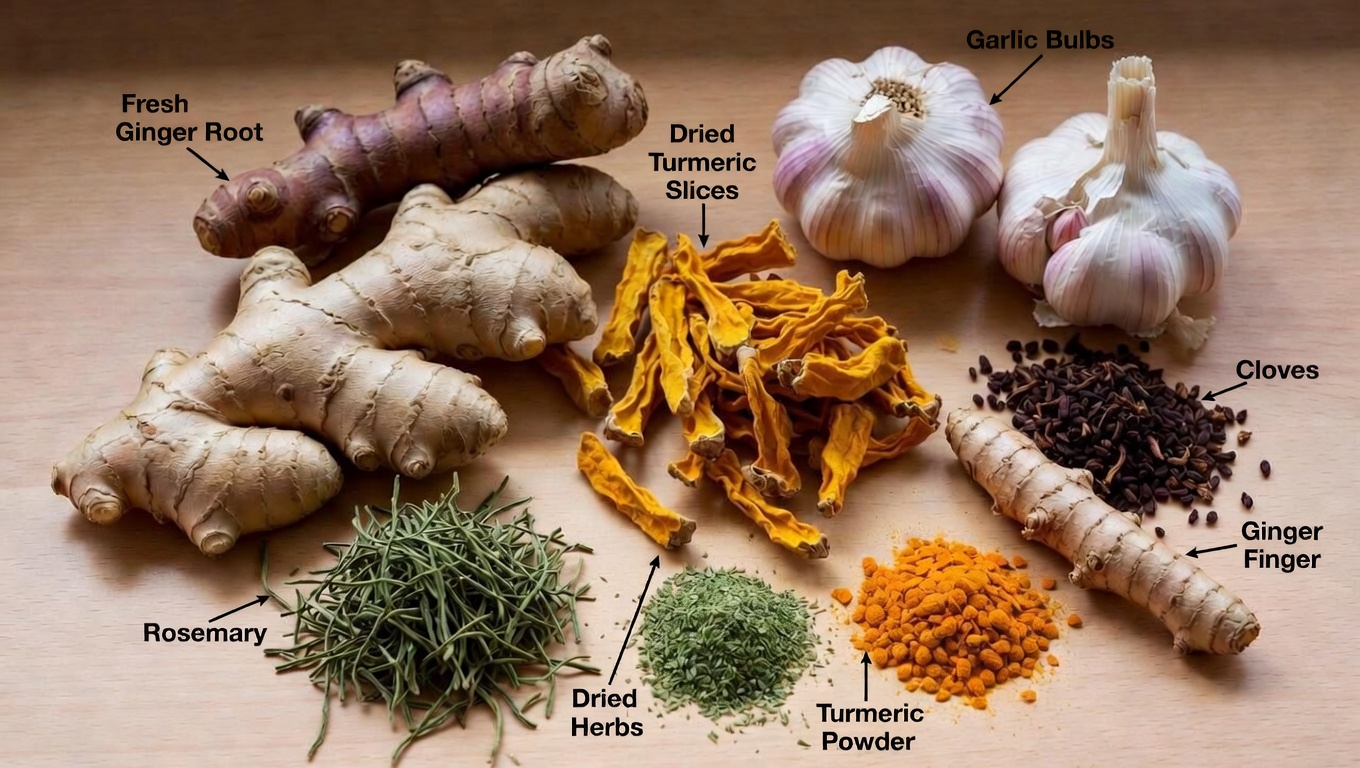
- Ginger: Easy to find, warming, and simple to use in tea or meals
- Garlic: Affordable and widely available, with strong support for vascular health
- Turmeric: Rich in antioxidants and easy to combine with food
- Cayenne: Provides a fast warming effect, but should be started in small amounts
- Horse chestnut: More targeted for vein-related leg heaviness and swelling
- Butcher’s broom: Often used for swelling support and leg comfort
Safety Tips Before You Start
Even natural remedies should be used thoughtfully. The safest approach is usually to begin with one herb at a time so you can monitor how your body responds.
Keep these precautions in mind:
- Food forms are generally the gentlest option for most people
- Herbal supplements can interact with medications, especially blood-thinning or circulation-related drugs
- Pregnant or breastfeeding individuals should speak with a healthcare provider first
- People with ongoing swelling, pain, numbness, or significant vein issues should get medical advice
A good strategy is to combine one herb with supportive daily habits, then track changes in how your legs feel over 4 to 6 weeks.
Conclusion: Small Changes Can Lead to Lighter, More Comfortable Legs
Improving leg circulation does not have to involve drastic measures. Often, the best results come from simple habits practiced consistently. Adding herbs like ginger, garlic, turmeric, cayenne, horse chestnut, or butcher’s broom to a balanced routine may help support blood flow, reduce feelings of heaviness, and improve day-to-day comfort.
Start slowly, choose quality products, stay active, and pay attention to your body’s signals. Over time, even small steps can help your legs feel lighter and more energized.
FAQ
What are the early signs of poor leg circulation?
Common early signs include heavy legs, mild swelling after sitting or standing, occasional tingling, and visible vein changes. These symptoms may improve with movement and circulation-supportive habits.
How long does it take for circulation-support herbs to work?
Results vary from person to person. Some people notice subtle improvements within 4 to 8 weeks, especially when herbs are combined with regular exercise, hydration, and a healthy diet.
Can I use more than one herb at the same time?
Yes, many people combine herbs, such as ginger and turmeric. However, it is best to add them gradually and consult a healthcare provider first, especially if you take medications or have an existing health condition.