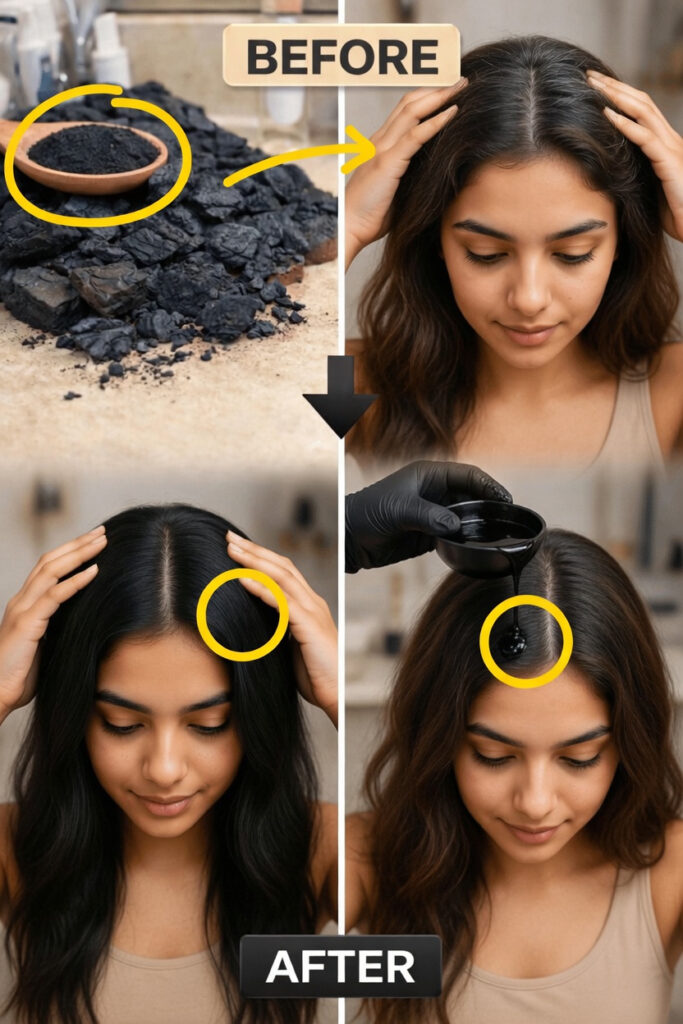
Gray Hair and Activated Charcoal: A Gentle, Temporary Way to Refresh Your Hair
Gray hair appears when the melanocytes inside hair follicles begin producing less melanin, the pigment that gives hair its natural color. This shift is a normal part of aging, although the timing can be affected by genetics, oxidative stress, and nutritional status.
Many people use standard hair dyes to cover gray strands, but ingredient concerns often lead others to look for milder, more natural options. One ingredient gaining attention is activated charcoal. Widely recognized for its absorbent qualities in skincare and wellness products, it is now being explored in hair care as well. Early research and user feedback suggest that it may help soak up excess oil, cleanse the scalp, and leave a faint dark tint on lighter or gray hair because of its rich black color.
Current studies mostly highlight activated charcoal for clarifying oily scalps rather than permanently changing hair color. Still, many DIY beauty enthusiasts report using it in hair masks for short-term color blending. The outcome depends on several factors, including hair texture, porosity, and how the mask is applied. It is not a permanent fix, but it can be a simple, low-risk way to test a subtle darkening effect.
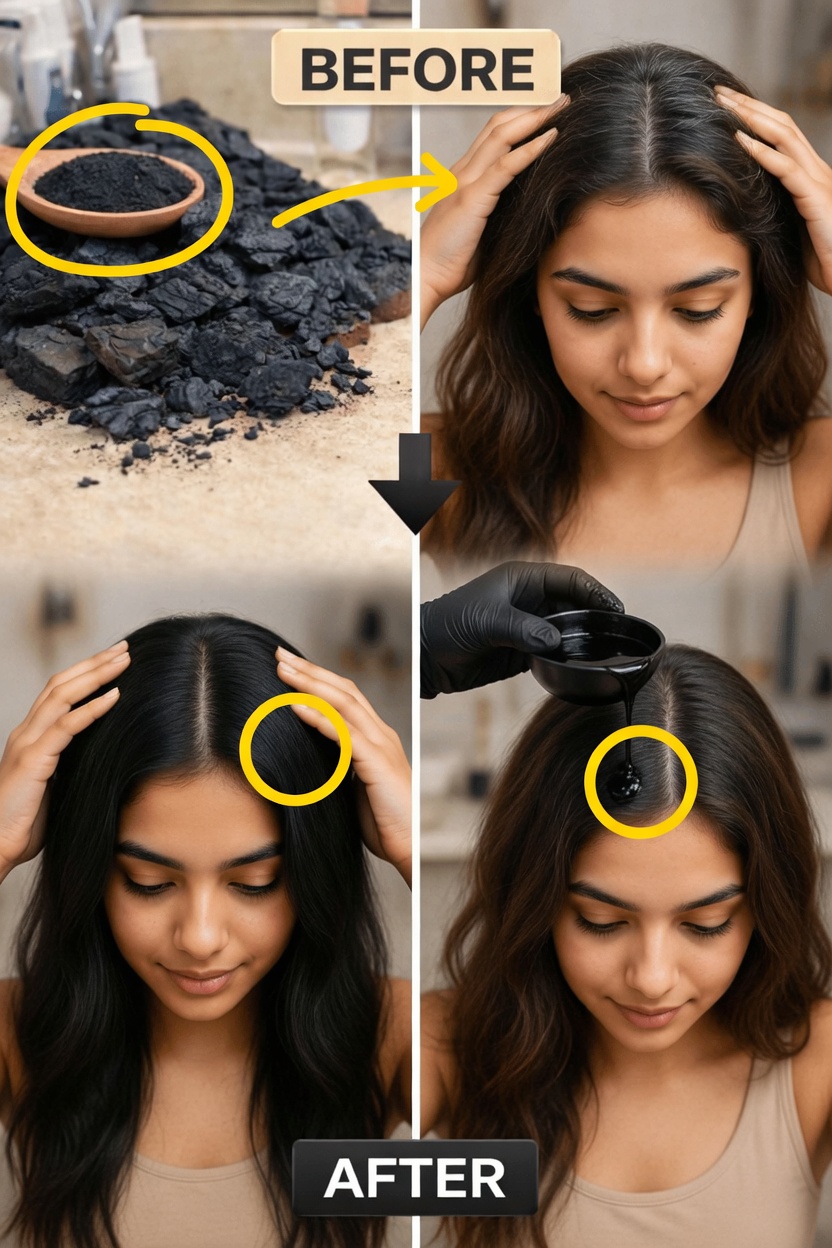
Why Activated Charcoal Is Popular in Hair Care
Activated charcoal is valued for its highly porous surface, which allows it to bind to impurities efficiently. When used on hair and scalp, it may offer several benefits:
- Help lift away buildup from styling products
- Remove traces of pollution and dirt
- Reduce excess oil for a cleaner, fresher scalp
- Add a muted, smoky-dark tone that can soften the contrast of gray strands
Unlike conventional dyes, activated charcoal fades away with washing and does not rely on harsh chemical colorants. Many people mix it with conditioner or nourishing oils to make application easier and reduce dryness.
Another reason it appeals to clean beauty fans is its natural origin, making it an attractive option for those who prefer simpler ingredients in their routine.
Potential Benefits of Activated Charcoal for Gray Hair
Activated charcoal cannot stop or reverse the graying process. Based on current evidence, no food or topical product can fully do that. However, it may improve the overall look and feel of your hair in several ways:
- Temporary darkening: The fine black powder can lightly coat porous or gray hairs, creating a more blended appearance.
- Scalp purification: Its adsorptive properties may help draw out oil and debris, supporting a cleaner scalp environment.
- More body and lift: By clearing away buildup, hair may feel lighter, fresher, and more voluminous.
It is important to keep expectations realistic. The effect is usually temporary and may last only a few washes. Those with darker hair may notice very little visible change, while lighter, porous, or gray-heavy hair is more likely to show a tint.
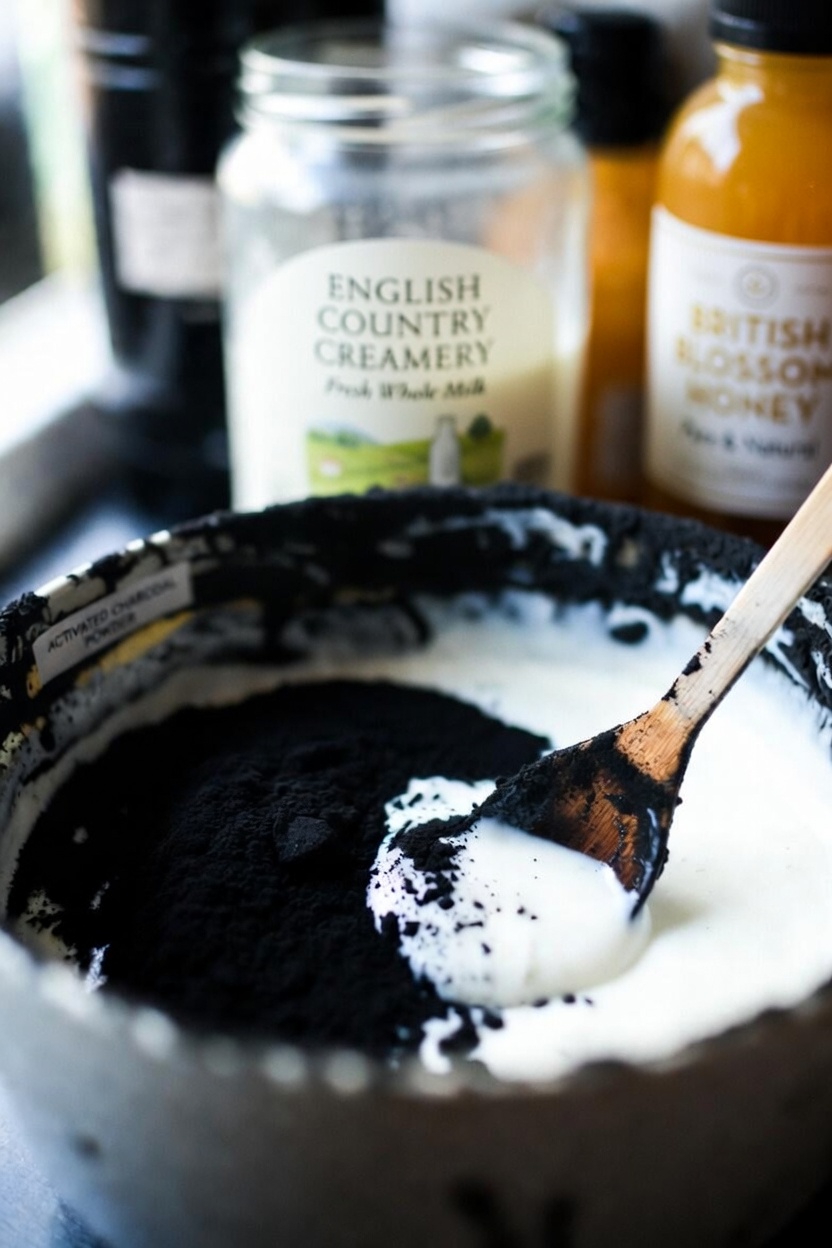
How to Make an Activated Charcoal Hair Mask at Home
If you want to try this method, start with a simple homemade mask using common ingredients. Before applying it to your scalp or hair, do a patch test to check for any sensitivity.
Ingredients
- 2 to 3 tablespoons food-grade activated charcoal powder
- 1/4 cup plain yogurt or conditioner
- 1 tablespoon coconut oil
- Optional: a small amount of honey for extra nourishment
Instructions
-
Prepare the mixture
In a non-metal bowl, combine the activated charcoal, yogurt or conditioner, and coconut oil. Mix until smooth. If the paste feels too thick, add a little more conditioner. -
Apply to clean, damp hair
Divide the hair into sections and spread the mask evenly, paying extra attention to gray areas or roots. Wear gloves to prevent staining your hands. -
Leave it on
Cover your hair with a shower cap and let the mask sit for 20 to 45 minutes. A longer wait may create a deeper tint. -
Rinse thoroughly
Wash the mask out with cool water and a gentle shampoo. Finish with conditioner to help restore softness and hydration.
For maintenance, this treatment can be used once a week or as needed. The visual effect often builds gradually with repeated use.
Tips for Better Results and Safe Use
To get the best outcome while protecting your hair and scalp, keep these tips in mind:
- Use only food-grade or pharmaceutical-grade activated charcoal
- Avoid charcoal meant for grilling, since it may contain harmful additives
- Protect your skin, clothes, and surfaces because the powder stains easily
- Follow up with moisturizing products, as charcoal can leave hair feeling dry
- Skip this treatment if your hair is already very damaged or brittle, since it may make rough texture more noticeable
- Support hair health from the inside with a nutrient-rich diet that includes antioxidants, biotin, and essential minerals
Activated Charcoal vs Other Natural Options
If you are considering natural ways to blend gray hair, activated charcoal is not the only choice. Here is a quick comparison:
- Activated Charcoal: temporary dark tint, clarifies the scalp, affordable, washes out easily
- Coffee Rinse: soft brown tones, may help stimulate the scalp, adds mild shine
- Black Tea: subtle darkening effect, contains antioxidants, simple to prepare
- Sage Infusion: a traditional herbal option, gradual darkening over time
These methods can be alternated or combined depending on your hair goals and personal preferences.
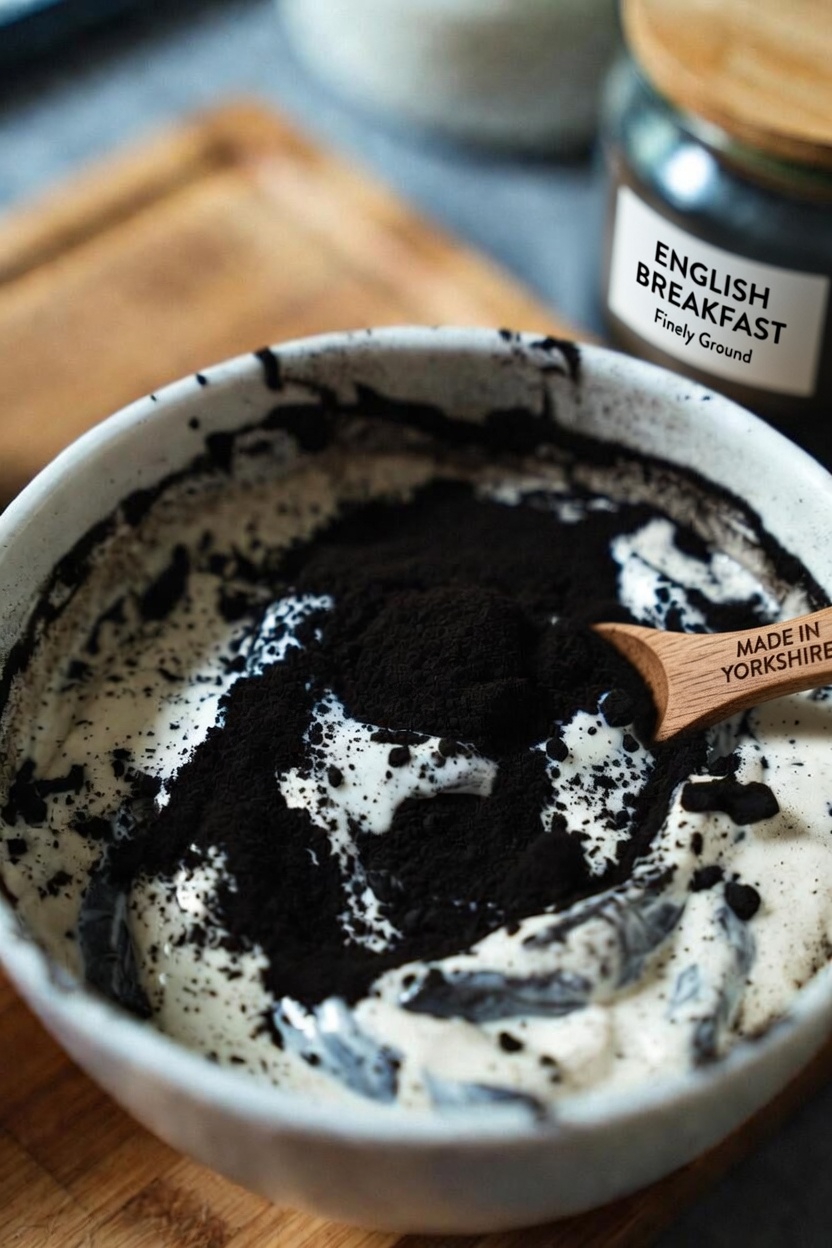
What Science and Hair Experts Say
There is still limited large-scale clinical research on activated charcoal specifically for covering gray hair. However, its role in clarifying shampoos and oil-control formulas is supported by dermatological understanding of how it binds to surface impurities.
Broader research on melanin production points more strongly to lifestyle factors than quick topical fixes. Stress levels, overall nutrition, and long-term hair care habits appear to matter more than any single miracle ingredient.
Because of this, experts generally view activated charcoal and similar natural treatments as supportive tools rather than true solutions. Consistent care usually delivers the best long-term cosmetic results.
A Natural Way to Refresh Your Look
Trying activated charcoal can be a gentle and accessible way to manage gray strands while giving your hair routine a fresh twist. When used carefully, it offers practical benefits with relatively low commitment and minimal risk.
Most importantly, changing hair color is a personal choice, not a requirement. Whether you want to soften gray strands or fully embrace them, small adjustments to your routine can help you feel more confident and comfortable every day.
FAQ
Is activated charcoal suitable for every hair type?
Most people can use it without issue, but those with very dry hair or a sensitive scalp should begin with a shorter application time and watch for any irritation.
How long will the darkening effect remain?
In most cases, the tint lasts around 1 to 5 washes. The exact duration depends on hair porosity, product buildup, and how often you shampoo.
Can activated charcoal be used every day?
Daily use is not advised. Limiting it to 1 or 2 times per week is usually best to avoid dryness. Always pair it with moisturizing care afterward.