Prickly Pear Cactus for Blood Sugar Support: What to Know About Nopal
For many people, blood sugar swings can make everyday life harder. A sharp rise after meals may lead to fatigue, irritability, uneven energy, and concerns about long-term health. Alongside a balanced eating pattern, some traditional foods may offer gentle support. One of the most talked-about options is the prickly pear cactus, often called nopal.
Used for generations in regions such as Mexico, nopal has attracted scientific interest for its possible role in supporting healthier blood sugar responses after meals. Researchers have especially focused on the cactus pads rather than the fruit. At the same time, many people are also interested in practical ways to use nopal at home, including in juices, smoothies, and simple meals.
Why Nopal Stands Out for Blood Sugar Management
Prickly pear cactus belongs to the Opuntia family and thrives in dry climates. Its edible pads, known as cladodes, are rich in fiber, antioxidants, and plant compounds that may be helpful for metabolic health.
Studies suggest that nopal pads may help reduce the rise in blood glucose that often happens after eating. This effect is thought to be linked largely to their soluble fiber, which may slow digestion and reduce how quickly glucose is absorbed in the digestive tract.
Researchers have also observed an important difference between the pads and the fruit. The pads tend to show more reliable short-term effects on post-meal glucose levels, while the fruit often appears less consistent in this area.
Nutrients in Nopal That May Help
Nopal pads contain several components that make them a valuable addition to a healthy diet:
- Dietary fiber: Especially soluble fiber, which may help slow the entry of sugar into the bloodstream.
- Antioxidants and polyphenols: These may help counter oxidative stress, which is often elevated in people keeping an eye on blood sugar.
- Low glycemic impact: Nopal itself does not appear to trigger large blood sugar increases, making it suitable for balanced meals.
Research published in journals such as Medicina suggests that these properties may contribute to modest improvements in glycemic control when nopal is eaten regularly as part of an overall healthy routine.
What Research Says About Nopal and Blood Glucose
Human studies have examined how prickly pear cactus affects blood sugar, especially after meals. Some findings are especially noteworthy:
- Type 2 diabetes trials: In certain studies, adding around 300 grams of nopal to breakfast significantly reduced post-meal glucose spikes.
- Review findings: Analyses of multiple studies show that nopal pads often lower postprandial glucose in short-term settings.
- Preliminary medical guidance: Sources such as Mayo Clinic note early evidence that prickly pear cactus may help reduce blood sugar after eating in people with type 2 diabetes.
Even so, results are not identical for everyone. Outcomes may depend on:
- How the nopal is prepared
- The portion size used
- The rest of the meal
- Individual metabolism and health status
Easy Ways to Prepare Nopal at Home
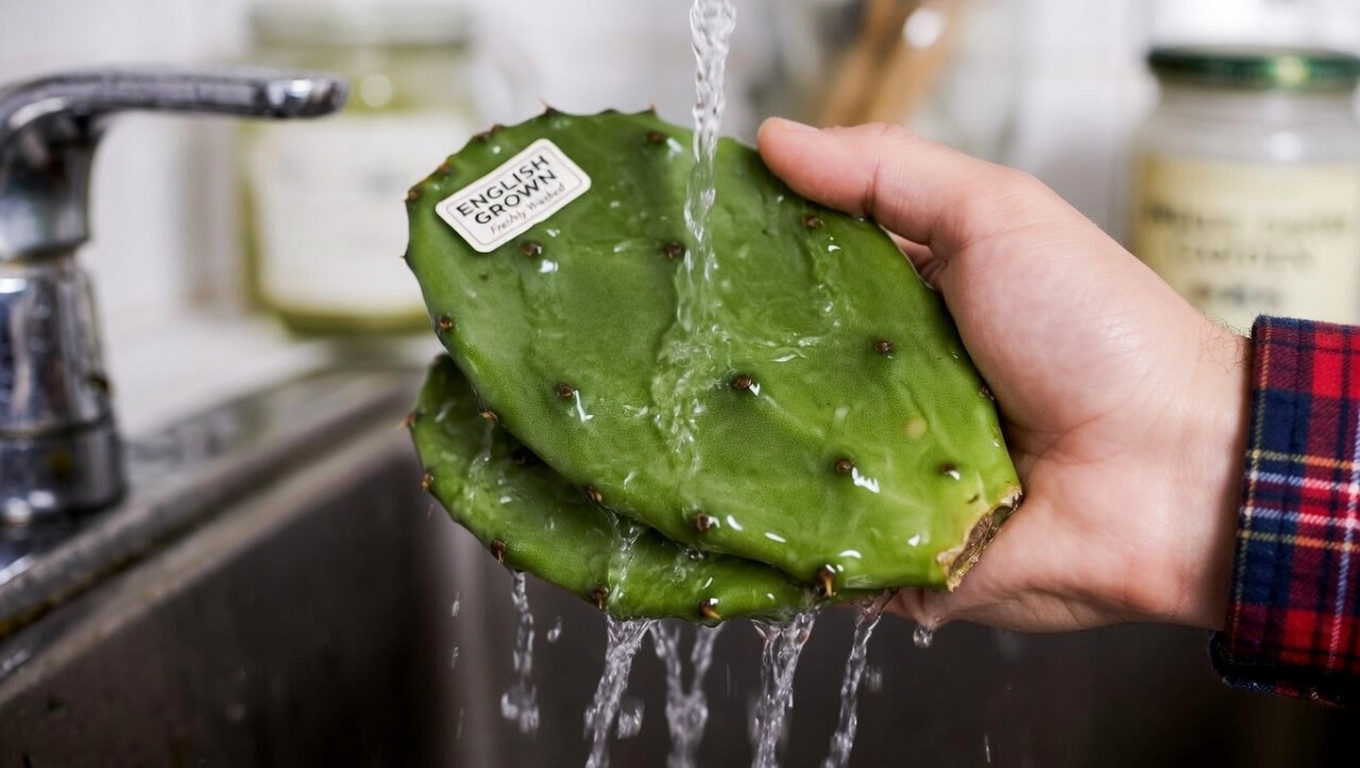
If you want to add nopal to your diet, begin with fresh cactus pads from a trusted market or supplier. Proper cleaning is essential because the pads contain small spines and tiny hair-like glochids.
Basic Preparation Steps
- Choose young, fresh pads for a milder flavor and softer texture.
- Trim the edges with a knife.
- Scrape away any remaining spines or glochids carefully.
- Rinse thoroughly under running water.
- Slice or dice the pad.
- Boil or grill for 10 to 15 minutes to soften it and reduce the natural slimy texture.
- Add the cooked nopal to salads, eggs, tacos, or blended drinks.
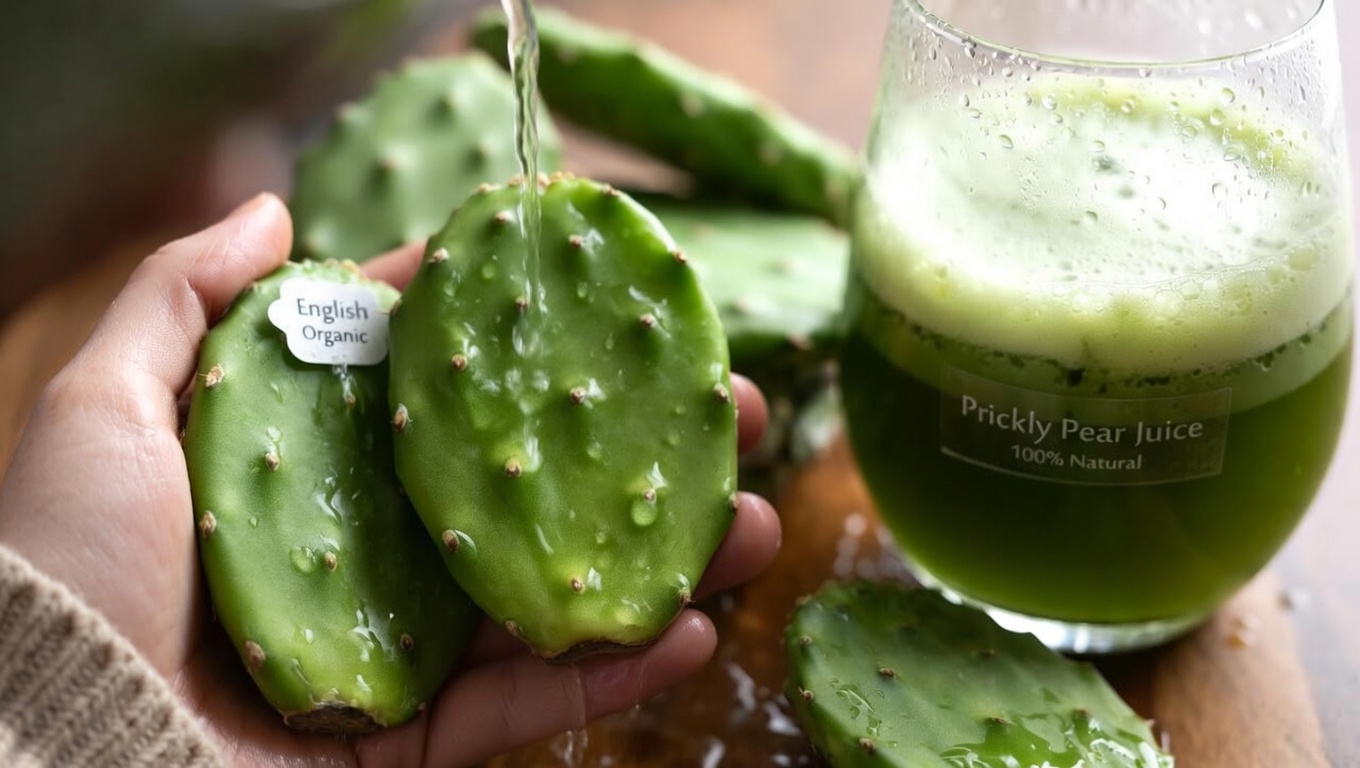
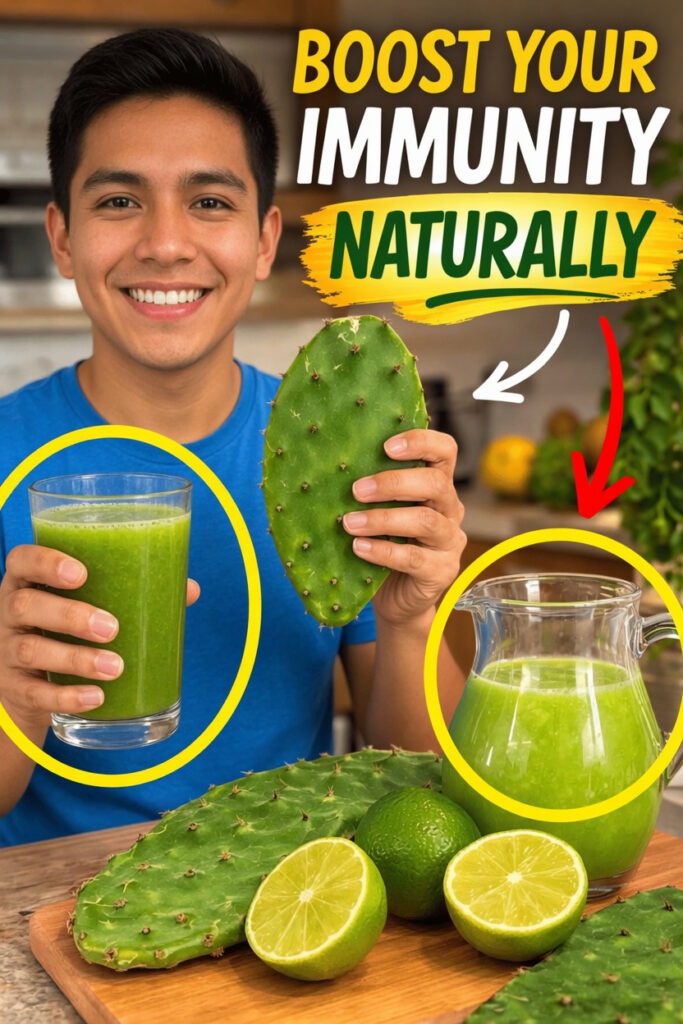
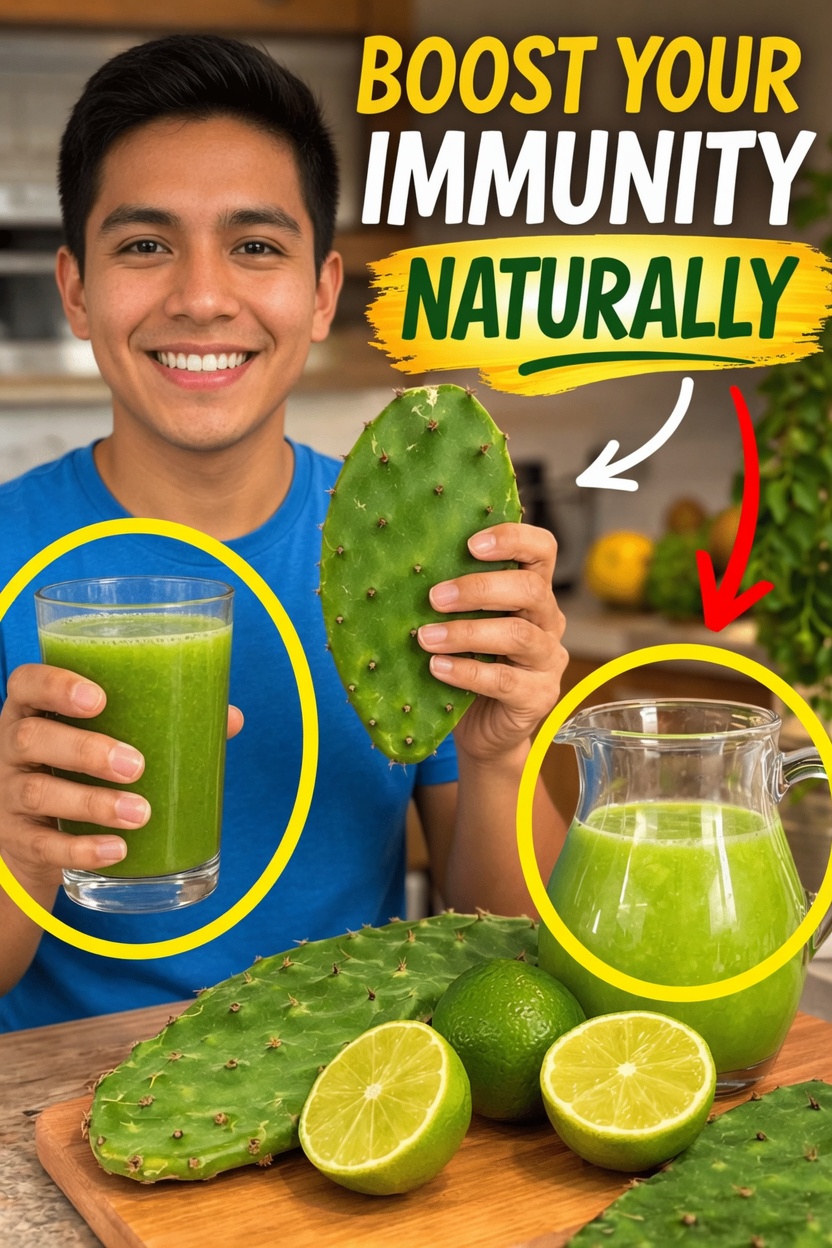
Simple Nopal Green Drink
A homemade nopal beverage can be an easy way to try it:
- 1 to 2 cleaned nopal pads
- Cucumber
- Celery
- Fresh lime juice
- Water
Blend everything until smooth. If you prefer a lighter texture, strain it before drinking. Many people enjoy it fresh before or alongside a meal.
Nopal Pads vs. Prickly Pear Fruit
The following comparison helps explain why blood sugar research tends to focus more on the pads than the fruit.
| Aspect | Nopal Pads (Cladodes) | Prickly Pear Fruit |
|---|---|---|
| Fiber content | High in soluble fiber | Moderate |
| Effect on post-meal glucose | Often helps reduce spikes in studies | Less consistent or limited effect |
| Common preparation | Boiled, grilled, blended, added to meals | Eaten fresh or used in juice |
| Research emphasis | More studies on acute glucose response | More attention on antioxidant properties |
| Taste and texture | Mildly tangy, can be slightly slimy raw | Sweet and juicy |
Tips for Using Nopal Safely and Effectively
As with any food change, it is best to start gradually and see how your body responds. Nopal should support a healthy diet, not replace good eating habits or medical care.
Practical Tips
- Begin with small servings
- Use nopal as part of a balanced meal
- Pair it with protein and healthy fats for steadier energy
- Prepare several servings in advance and refrigerate cooked pads for 3 to 4 days
- Try it in different dishes such as:
- scrambled eggs
- tacos
- salads
- smoothies
If you take blood sugar medication, speak with a healthcare professional before using nopal regularly, since combining food-based support with medication may affect glucose levels.
Other Health Benefits of Nopal
The interest in nopal goes beyond blood sugar support. It also provides:
- Vitamin C
- Useful minerals
- Fiber that supports digestion
- Antioxidants that contribute to overall wellness
This makes nopal a versatile plant food for people looking to improve their diet naturally.
Final Thoughts
Prickly pear cactus, especially the nopal pads, is a promising traditional food for people interested in more natural ways to support healthy blood sugar levels. Current research suggests it may help reduce glucose spikes after meals, particularly when eaten with carbohydrate-rich foods.
Still, nopal works best as part of a broader healthy lifestyle that includes balanced meals, regular movement, and professional guidance when needed. For those curious about practical nutrition strategies, nopal can be a simple and useful addition to everyday eating.
FAQ
Can I drink nopal juice every day?
Many people use nopal juice regularly in moderate amounts as part of their diet. Pay attention to how you feel, and seek personalized guidance from a healthcare professional if needed.
Is nopal safe for everyone?
In food amounts, nopal is generally well tolerated. Some people notice mild digestive changes when they first start eating it. Those taking diabetes medication should be especially careful because of possible interactions with blood sugar control.
What is the best way to prepare nopal at home?
Clean it very well, remove all spines, and cook it first to reduce sliminess. After that, you can add it to meals or blend it into drinks for an easy way to enjoy it.