Stroke Warning Signs: Early Clues, Fast Action, and Practical Ways to Lower Risk
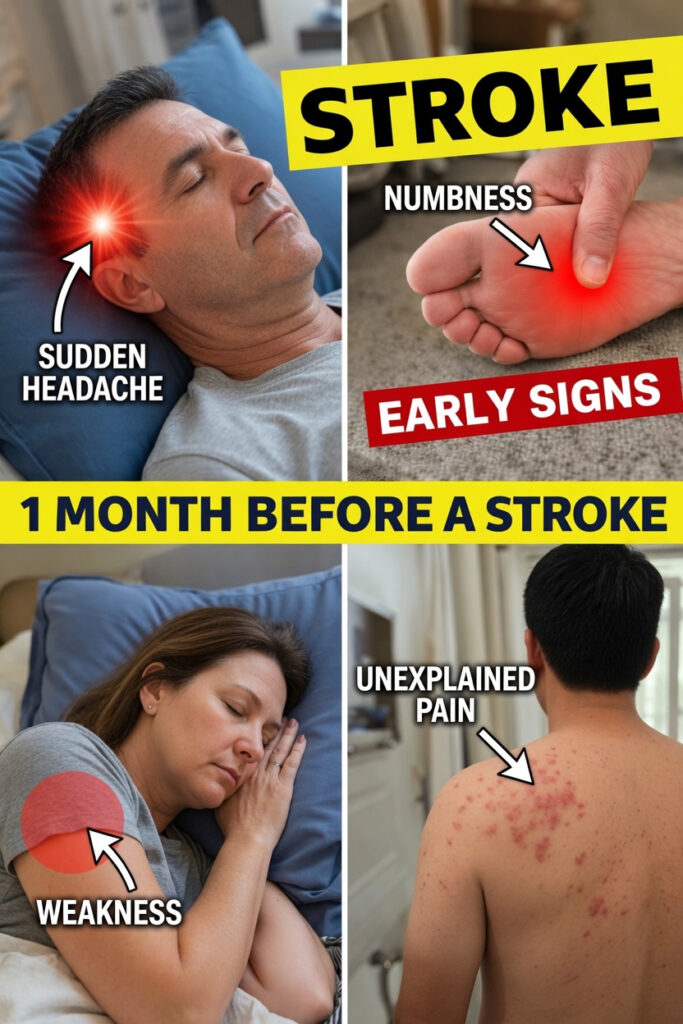
Stroke is still a major cause of death and long-term disability across the globe, and it can happen with little obvious warning. Many people believe stroke symptoms only begin at the exact moment of the event, but in some cases, subtle signals may appear beforehand. These early clues are often linked to transient ischemic attacks, or TIAs, sometimes called mini-strokes. Although they may pass quickly, they can point to a serious underlying problem.
Missing these warning signs can have serious consequences. Acting early and addressing risk factors can greatly improve outcomes. According to research from organizations such as the American Heart Association, as many as 80% of strokes may be preventable through greater awareness and healthier daily habits.
What if spotting these patterns sooner gave you a critical advantage? This guide looks at possible early warning signs and outlines practical steps that can help protect brain health.
What a Stroke Is and Why Early Recognition Is So Important
A stroke occurs when blood flow to part of the brain is disrupted. This may happen because of a blocked artery, known as an ischemic stroke, or because of bleeding in the brain, called a hemorrhagic stroke. While the most recognized symptoms usually come on suddenly, some individuals may notice brief, recurring, or mild symptoms days or even weeks earlier.
These episodes are often associated with TIAs. A TIA can resemble a stroke, but the symptoms disappear after a short time. Even so, it should never be dismissed. A TIA is a serious warning that stroke risk is elevated. Studies suggest that nearly 1 in 5 people who experience a TIA may go on to have a full stroke within the following months if the issue is not addressed.
The goal is not to diagnose yourself. The real priority is to stay alert, notice unusual changes, and seek medical advice quickly. Early evaluation can lead to prevention strategies that may reduce future risk.
8 Possible Early Stroke Warning Signs You Should Not Ignore
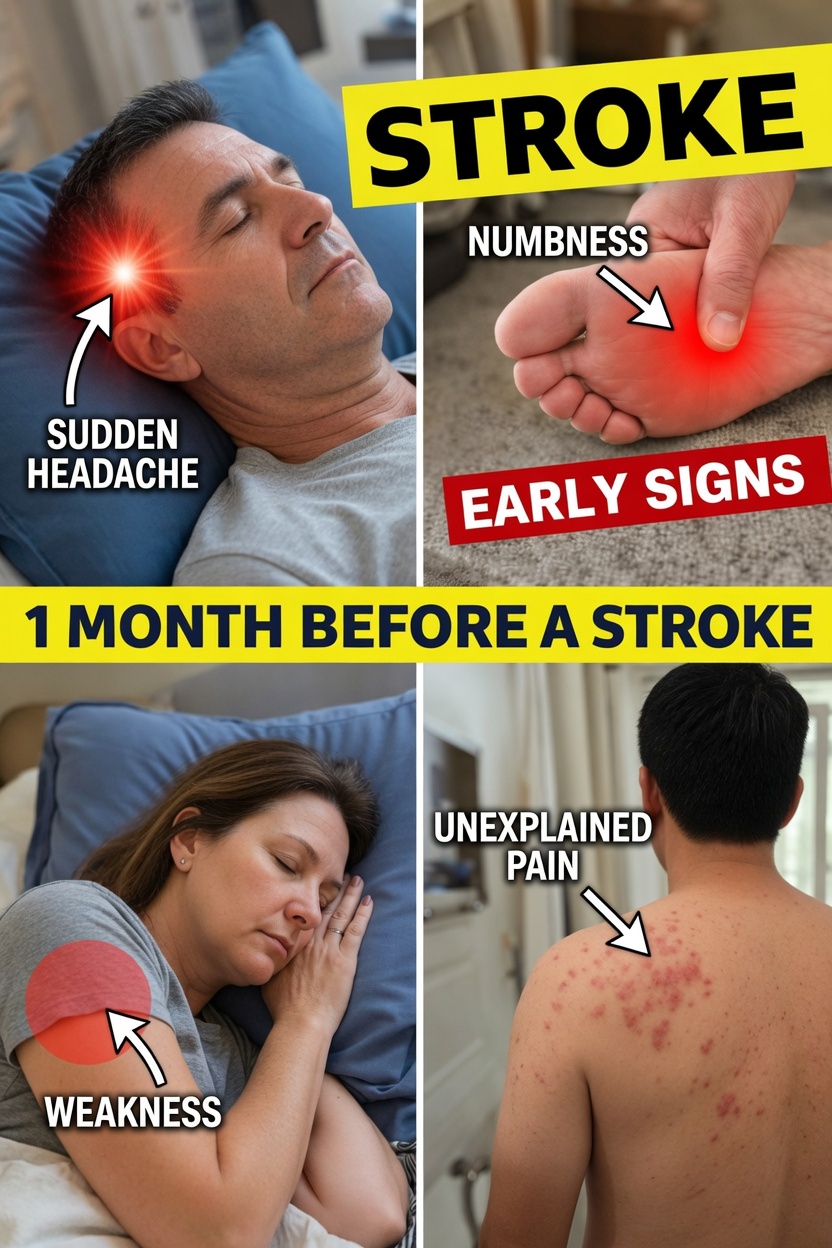
These symptoms do not guarantee that a stroke will happen a month in advance, and not everyone experiences early signs. However, research shows that short-lived or repeated neurological symptoms can sometimes come before a stroke. Any sudden change should be taken seriously.
1. Numbness or weakness that comes and goes
You may notice temporary weakness or tingling in the face, arm, or leg, often on one side of the body. Some people describe it as a brief pins-and-needles feeling that disappears and then returns later.
2. Short episodes of slurred speech or confusion
Difficulty speaking clearly, trouble forming words, or brief confusion can all be early warning signs. Others may notice that your speech sounds unusual even if it improves quickly.
3. Sudden vision problems
Stroke-related vision changes may include blurred vision, double vision, or temporary loss of sight in one or both eyes. Some people describe it as feeling like a curtain briefly drops over their vision.
4. A severe headache that feels different from normal
An intense headache with no clear explanation, especially one that feels very different from your usual headaches, may be a warning sign. Some people describe it as the worst headache they have ever had.
5. Dizziness or balance problems
Sudden spells of dizziness, instability, or difficulty standing and walking can also occur. These episodes may be brief but still deserve attention.
6. Unusual fatigue or abrupt exhaustion
Extreme tiredness that feels out of proportion to your normal routine can sometimes appear alongside other vague symptoms, including nausea or a general feeling that something is off.
7. Coordination issues
If you suddenly feel clumsy, begin dropping things more often, or notice poor control on one side of the body, that change may be significant.
8. Trouble focusing or memory changes
Although less common as a single symptom, unexplained difficulty concentrating or unusual memory lapses may occasionally appear as part of a broader warning pattern.
Many of these symptoms overlap with TIAs, often referred to as warning strokes. Even one short episode should be taken seriously and discussed with a medical professional.
The F.A.S.T. Test: A Simple Way to Recognize Urgent Stroke Symptoms
The American Stroke Association recommends the F.A.S.T. method to help people identify emergency warning signs quickly:
- Face drooping: Does one side of the face droop when the person smiles?
- Arm weakness: If both arms are raised, does one drift downward?
- Speech difficulty: Is speech slurred, strange, or difficult to understand?
- Time to call emergency services: If any of these signs appear, get emergency help immediately.
Even if symptoms disappear after a few minutes, do not assume the danger has passed. Quick medical evaluation is essential because every minute counts.
9 Effective Ways to Help Lower Stroke Risk
The encouraging news is that daily lifestyle choices have a major impact on stroke prevention. Recommendations from the American Heart Association highlight several evidence-based habits that support healthy blood vessels and brain function.
1. Check and control blood pressure
High blood pressure is one of the strongest stroke risk factors. Regular monitoring is important, and if readings are elevated, follow your healthcare provider’s advice on treatment and lifestyle changes.
2. Follow a Mediterranean-style diet
Build meals around:
- Vegetables
- Fruits
- Whole grains
- Fish
- Nuts
- Olive oil
Try to reduce:
- Processed foods
- Excess salt
- Sugary products
Research has linked this eating pattern to a lower risk of stroke and better cardiovascular health overall.
3. Stay active throughout the week
Aim for at least 150 minutes of moderate physical activity each week. Good options include brisk walking, swimming, or cycling. Even shorter periods of movement during the day can be beneficial.
4. Stop smoking and avoid tobacco
Smoking significantly raises stroke risk. Quitting can lead to major health gains, and support tools such as counseling, cessation programs, or mobile apps may make the process easier.
5. Work toward a healthy weight
Weight management can improve blood pressure, blood sugar, and cholesterol levels. Long-term progress usually comes from small, sustainable changes in food choices and physical activity.
6. Manage cholesterol and blood sugar
Routine screenings can help detect problems early. When needed, treatment may include diet changes, exercise, and medication under medical supervision.
7. Get enough quality sleep
Consistently poor sleep is linked to higher cardiovascular risk. Most adults should aim for 7 to 9 hours of sleep per night whenever possible.
8. Limit alcohol
Drinking in moderation or less can help protect the blood vessels in the brain and reduce strain on the cardiovascular system.
9. Keep up with regular medical check-ups
Talk with your doctor about your personal risk factors, including family history, blood pressure, cholesterol, and any previous warning symptoms. A personalized prevention plan can make a real difference.
Daily Habits That Help or Harm Brain Health
Here is a simple comparison of routines that may support brain health versus those that can increase risk.
Helpful habits
- Eating a variety of colorful vegetables every day
- Walking for 30 minutes
- Checking blood pressure regularly
- Getting consistent sleep
- Following up on unusual symptoms
Riskier habits
- Frequently eating high-salt meals
- Sitting for long periods without movement
- Ignoring recurring headaches or numbness
- Skipping health screenings
- Continuing to smoke
Small changes, repeated consistently, can add up to meaningful long-term benefits.
Why These Prevention Strategies Matter
Scientific research continues to show that healthy lifestyle changes can reduce the likelihood of stroke. Mediterranean-style diets, especially those including nuts and healthy fats, have shown benefits in large studies. Regular exercise supports circulation and heart health. Blood pressure control helps reduce stress on blood vessels and lowers the chance of damage over time.
None of these habits can offer a guaranteed outcome, but they do give people more control over modifiable stroke risk factors. Prevention is often built through simple choices made every day.
Final Thoughts
Recognizing possible early warning signs and taking practical action to reduce risk can have a lasting effect on your health. You do not need to change everything at once. Start with one or two steps today, such as taking a walk, checking your blood pressure, or scheduling a routine health visit. Small actions now can help protect your brain in the future.
FAQ
What should I do if I notice one of these symptoms for only a short time?
Get medical attention right away. Even if the symptom goes away quickly, it may still be a TIA or another serious issue. Temporary symptoms should never be ignored.
Can lifestyle changes really help if I already have stroke risk factors?
Yes. Major health organizations report that managing blood pressure, improving diet, increasing physical activity, and addressing other risk factors can significantly reduce stroke risk for many people.
How often should I be screened for stroke risk?
That depends on your age, health history, and existing risk factors. In general, regular check-ups are important, especially for blood pressure, cholesterol, blood sugar, and overall cardiovascular health. If stroke runs in your family or you have concerns, discuss a screening plan with your healthcare provider.