Gentle Tea Choices That May Support Circulation as You Age
With age, blood vessels often lose some of their natural elasticity, and circulation in the lower body may become less efficient. As a result, some older adults experience heavy legs, mild discomfort, or less endurance during everyday activities. Research suggests that healthy endothelial function—the performance of the inner lining of blood vessels—is essential for keeping blood moving smoothly.
One simple way to support vascular health is by enjoying antioxidant-rich drinks such as tea. Certain teas may help protect cells, encourage blood vessel relaxation, and fit easily into a daily wellness routine. For many seniors, this is a pleasant and practical habit to maintain.

Ginger Tea: A Soothing Option for Better Blood Flow
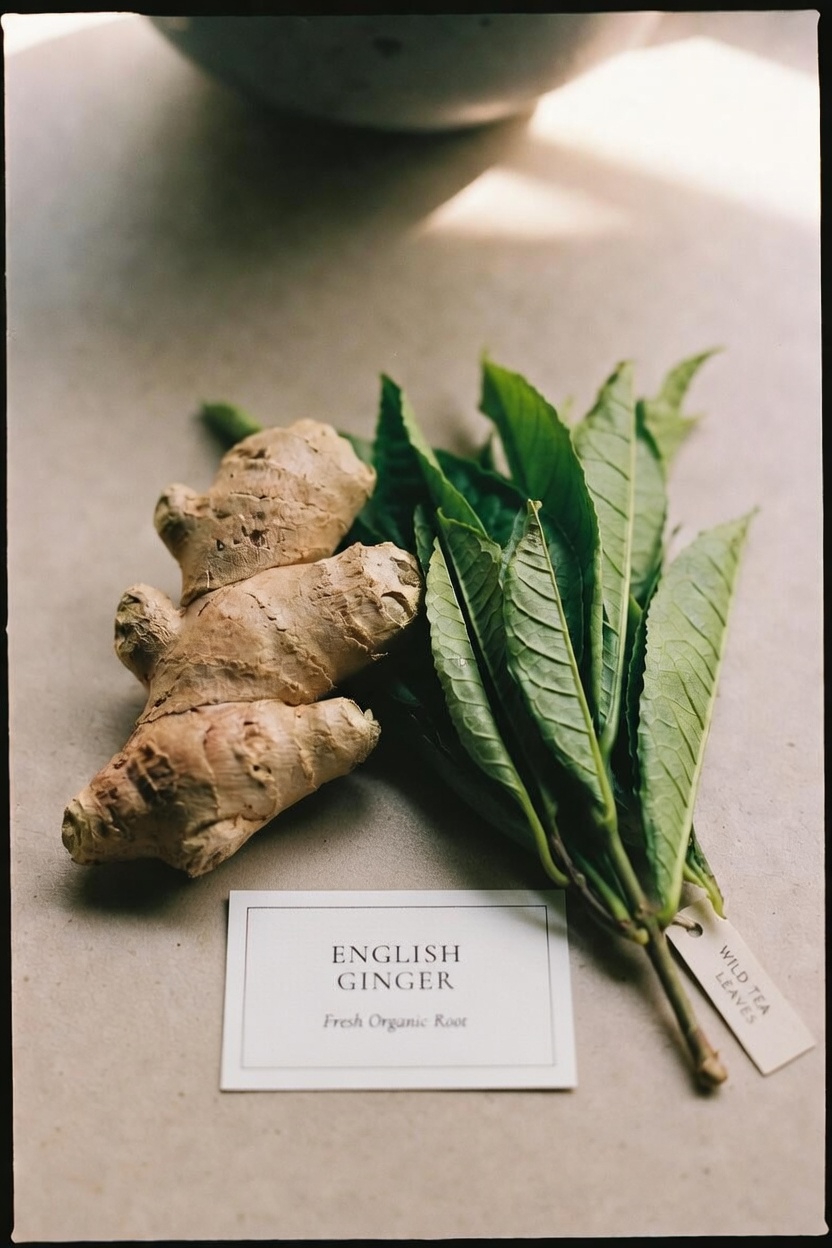
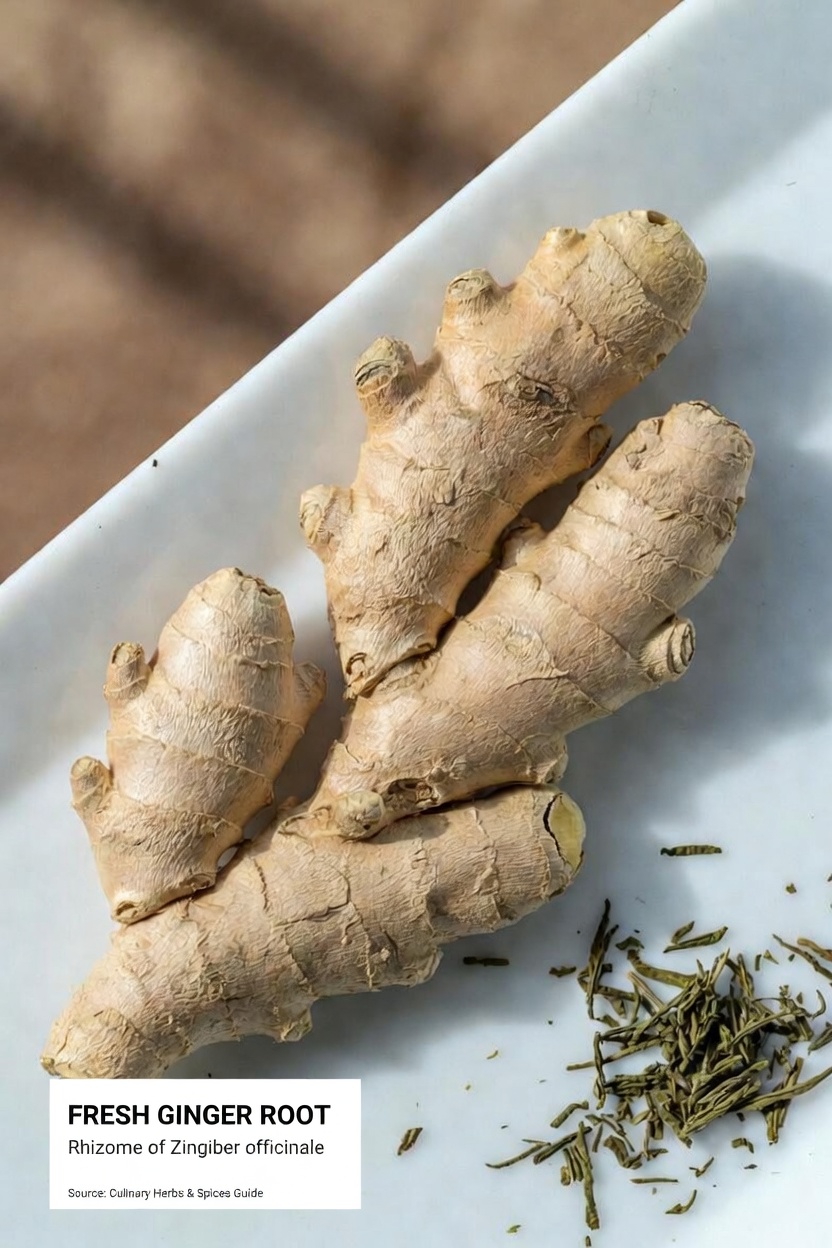
Ginger has a long history of use in traditional wellness practices, and modern studies continue to explore its benefits for circulation. One of its key active compounds, gingerol, may act as a natural vasodilator, which means it can help blood vessels relax and open more easily.
Research also points to ginger’s anti-inflammatory properties and its potential to support blood flow in the limbs. This makes it especially relevant for leg comfort. Many older adults appreciate its warming quality, particularly during colder weather.
How to Prepare Ginger Tea
- Cut 1 to 2 inches of fresh ginger root into thin slices.
- If the ginger is organic, peeling is optional.
- Place the slices into 2 cups of boiling water.
- Lower the heat and let it simmer for about 10 minutes.
- Strain the liquid and drink it warm.
- Aim for 1 to 2 cups per day.
- If desired, add a little lemon juice for taste and a boost of vitamin C.
Some people notice a gentle warming feeling in their hands and feet when they drink ginger tea regularly.
Green Tea: Antioxidant Support for Blood Vessel Health
Green tea is widely known for its high concentration of catechins, especially EGCG. These plant compounds have been linked in research to improved endothelial function and healthier vascular tone. Studies of regular green tea drinkers often show better cardiovascular markers, including stronger blood vessel responsiveness.
For older adults, these antioxidants may help preserve arterial flexibility and support overall circulation. Green tea is also an easy everyday choice, whether enjoyed in the morning or later in the afternoon.
Easy Green Tea Brewing Tips
- Use 1 teaspoon of loose green tea or 1 tea bag for each cup.
- Pour in hot water that is warm but not fully boiling.
- Let it steep for 2 to 3 minutes to keep the flavor smooth and avoid bitterness.
- Drink 2 to 3 cups spaced throughout the day.
- For variety, try styles such as sencha or matcha.
Studies suggest that regular use over several weeks may provide the most noticeable benefits.
Hibiscus Tea: A Refreshing Choice That May Help with Blood Pressure
Hibiscus tea, made from the flower’s calyces, has attracted attention for its possible role in helping maintain healthy blood pressure. Since blood pressure and circulation are closely connected, this may indirectly support blood flow to the legs by reducing strain on the blood vessels.
Meta-analyses have found that regular hibiscus intake may lead to modest improvements in systolic blood pressure. Its bright red color and tart flavor also make it a refreshing option, especially when served cold in warm weather.
How to Brew Hibiscus Tea
- Add 1 to 2 teaspoons of dried hibiscus flowers to a cup.
- Pour in hot water.
- Steep for 5 to 10 minutes, depending on how strong you like it.
- Drink it hot or chilled.
- Enjoy it plain, or add a small amount of honey if preferred.
- Aim for 1 to 2 servings per day.
Rotating hibiscus with other teas can keep your routine more enjoyable and varied.
Quick Overview of the Three Teas
Here is a simple comparison of their potential benefits:
- Ginger tea — Warming and anti-inflammatory; helpful for everyday comfort
- Green tea — High in catechins; supports blood vessel protection and antioxidant intake
- Hibiscus tea — Tart and refreshing; may help maintain healthy blood pressure
Together, these teas offer a senior-friendly option because they are low in calories, hydrating, and generally moderate in caffeine. Green tea contains some caffeine, while ginger and hibiscus are herbal choices.
Why Preparation Quality Matters
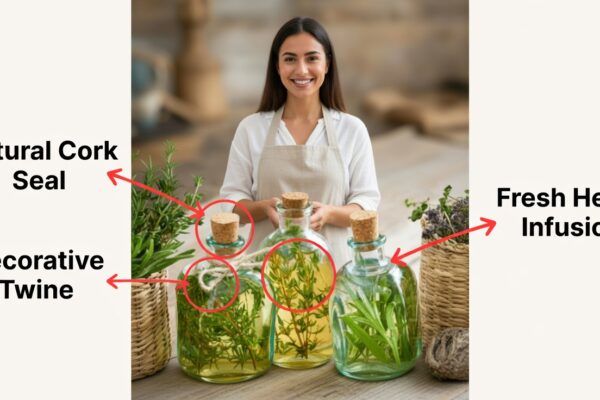
An important detail many people miss is that the benefits of tea depend not only on the type you choose, but also on the way you prepare it. Fresh, good-quality ingredients and proper steeping can help release more of the beneficial plant compounds.
The Simple “Double Brew” Trick
If you want to get more from your tea, try using a double brew method once a day. After the first steep, do not throw away the ingredients right away. Instead, reuse the same tea leaves or herbs for a second infusion, this time letting it steep for 15 to 20 minutes.
This can help draw out additional polyphenols without adding extra cost or work. Many people find that the flavor becomes deeper and that the tea feels more satisfying over time. You can experiment to see which strength suits your taste best.
Other Easy Habits That May Support Leg Circulation
Tea works even better when combined with other simple daily practices. Consider adding the following habits to your routine:
- Take gentle walks each day, even if only for 10 to 15 minutes
- Raise your legs briefly while resting
- Drink enough water in addition to tea
- Eat foods that support circulation, such as berries, nuts, and leafy greens
These small choices can gradually contribute to better mobility, comfort, and energy.
Final Thoughts: Start with One Small Step
Drinking ginger, green, and hibiscus tea can be a gentle and enjoyable way to support circulation as the years go by. They are affordable, easy to find, and supported by research related to vascular wellness.
You do not need to change everything at once. Start with one tea this week—ginger may be a comforting first choice—and build from there. Over time, your legs and your overall sense of steadiness may benefit from this simple addition.
FAQ
How much tea should I drink each day to potentially see benefits?
Most research looks at about 2 to 3 cups spread throughout the day. A good starting point is 1 to 2 cups, then adjust based on how you feel. Pay attention to your body’s response.
Are there any precautions to keep in mind?
Yes. Ginger and hibiscus may interact with blood pressure medications or blood thinners. Green tea contains caffeine, so people who are sensitive to it should monitor their intake. If you take medication or have a health condition, speak with your doctor before adding these teas regularly.
Can these teas replace medical treatment or professional advice?
No. These teas should be viewed as supportive lifestyle habits, not as substitutes for medical care. If you have concerns about circulation or vascular health, consult a healthcare professional for guidance tailored to your needs.