Support Healthy Arteries and Blood Flow with Everyday Foods
As people get older, many begin thinking more seriously about circulation, artery health, and long-term heart function. A fast-paced routine, daily stress, and meals that include ultra-processed ingredients can gradually affect how the cardiovascular system performs. Over time, inflammation, cholesterol accumulation, and less flexible blood vessels may contribute to fatigue during normal activities and increase concern about heart health.
The encouraging part is that your daily food choices can make a real difference. Simple ingredients already found in many kitchens may help support smoother blood flow and overall cardiovascular wellness. Below, we look at research-backed foods that may promote healthier circulation—and at the end, you’ll find an easy combination idea that brings them together.
Why Diet Matters for Artery Health
A large body of research shows that nutrition directly affects important markers of cardiovascular function, including cholesterol balance, inflammation, and blood vessel elasticity. Certain foods rich in antioxidants, phytonutrients, and anti-inflammatory compounds are regularly associated with heart-friendly eating patterns, especially the Mediterranean diet.
Another advantage is that you do not need a complete lifestyle overhaul to benefit. Small but consistent dietary upgrades can support your heart over time.

Best Foods to Support Circulation and Artery Function
Here are four standout ingredients that have attracted scientific interest for their potential cardiovascular benefits.
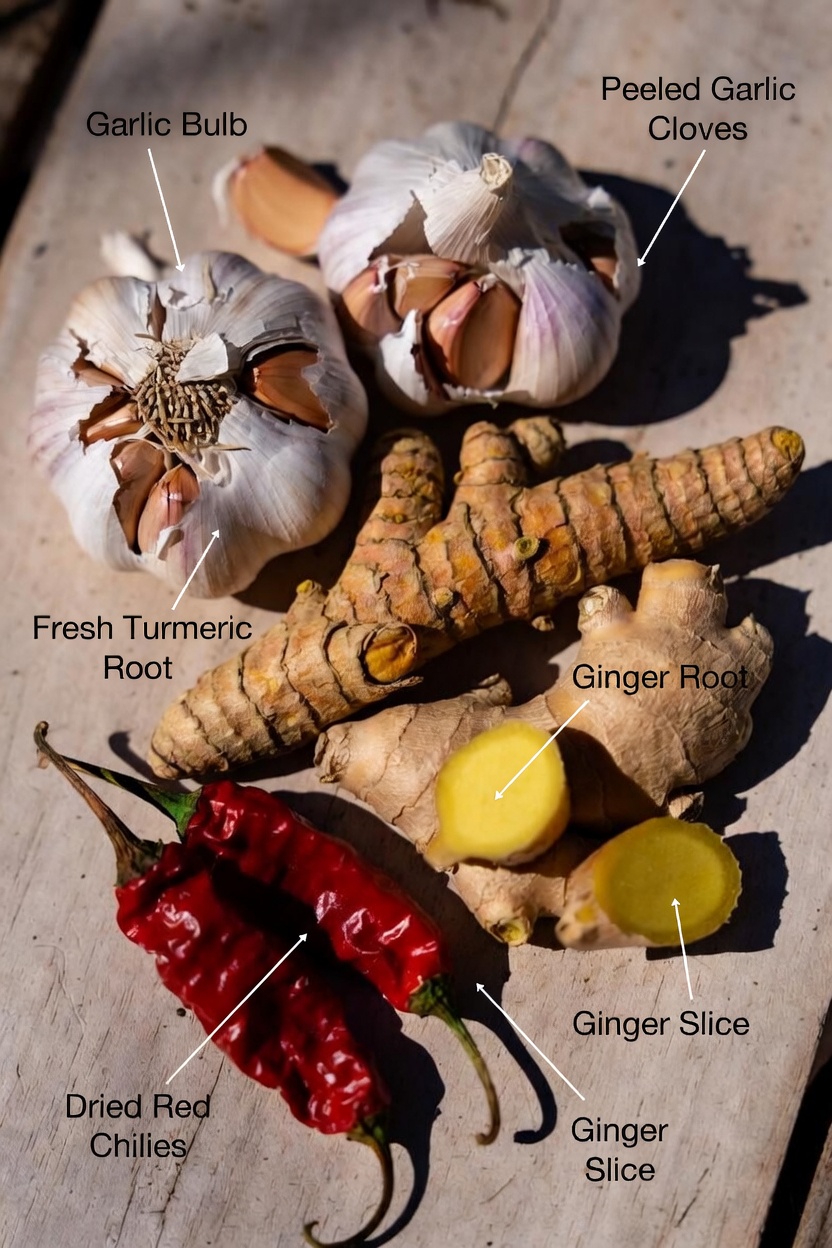
1. Garlic: A Powerful Everyday Ingredient
Garlic is one of the most studied foods for heart support. Its active compounds, especially allicin, may help maintain healthy blood pressure and reduce processes linked to plaque formation. Research reviews also suggest garlic may support endothelial function, which is essential because the endothelium helps regulate blood flow inside the vessels.
Ways to use it:
- Add chopped fresh garlic to soups, stir-fries, sauces, and roasted vegetables.
- Include it in marinades or salad dressings for easy daily use.
- Some studies suggest aged garlic extract may help slow plaque development in people with cardiovascular risk factors.
2. Turmeric: A Bright Spice with Anti-Inflammatory Benefits
Turmeric is widely known for curcumin, the compound responsible for many of its potential health effects. Studies have linked curcumin with lower oxidative stress and better support for blood vessel health. Its anti-inflammatory properties are one reason it continues to receive attention in cardiovascular research.
Ways to use it:
- Stir turmeric into curries, soups, rice dishes, or warm milk drinks.
- Combine it with black pepper to improve curcumin absorption.
- Laboratory and animal studies suggest it may help improve endothelial responsiveness.
3. Ginger: A Natural Circulation Helper
Ginger contains bioactive compounds that may support healthy circulation by helping regulate inflammation and encouraging mild natural blood-thinning activity. It is also often discussed for its role in supporting balanced blood pressure and better overall vascular function.
Ways to use it:
- Grate fresh ginger into tea, smoothies, dressings, or stir-fries.
- Use it in marinades for fish, chicken, or vegetables.
- Research reviews indicate ginger may help reduce excessive clotting tendencies in a natural way.
4. Cayenne Pepper: A Spicy Option for Better Flow
Cayenne pepper contains capsaicin, a compound known to encourage blood vessel relaxation and improved circulation. Some evidence also connects cayenne’s natural salicylate content with mild supportive effects similar to other natural circulation-friendly compounds.
Ways to use it:
- Add a small pinch to eggs, soups, sauces, and roasted vegetables.
- Mix it into spice blends for meat or plant-based proteins.
- Use modest amounts if you are sensitive to heat.
How These Foods May Work Together
Each of these ingredients supports cardiovascular wellness in a slightly different way:
- Garlic helps support healthy cholesterol levels and may reduce inflammation-related markers.
- Turmeric may help manage oxidative stress and support endothelial health.
- Ginger contributes to natural anti-clotting activity and blood pressure balance.
- Cayenne pepper may promote vessel relaxation and healthier circulation.
Used together, they may offer complementary benefits. A simple meal or warm drink that includes all four can be an easy way to build a heart-supportive routine.
Simple Ways to Add Them to Your Daily Routine
If you want to start today, these practical ideas make it easy:
-
Start the morning strong
- Brew a warm tea with ginger and turmeric.
- Add a tiny pinch of cayenne.
- Include a crushed garlic clove if desired, then strain before drinking.
-
Prepare a quick seasoning mix
- Combine equal amounts of ground turmeric, ginger powder, garlic powder, and cayenne.
- Sprinkle it on roasted vegetables, potatoes, tofu, chicken, or fish.
-
Aim for realistic daily amounts
- 1 to 2 fresh garlic cloves
- 1 teaspoon turmeric, ideally with black pepper
- One thumb-sized piece of fresh ginger
- A small dash of cayenne in meals
-
Pay attention to how you feel
- After several weeks, notice whether energy, movement comfort, or overall vitality improves.
-
Use them in evening drinks
- Try a golden milk latte with turmeric, ginger, and a light touch of cayenne for a warming nighttime option.
The key is consistency, not perfection. Begin with one or two additions and build from there.
Pair These Foods with Other Heart-Healthy Habits
These ingredients are helpful, but they work best as part of a broader healthy lifestyle. For better cardiovascular support, also consider the following habits:
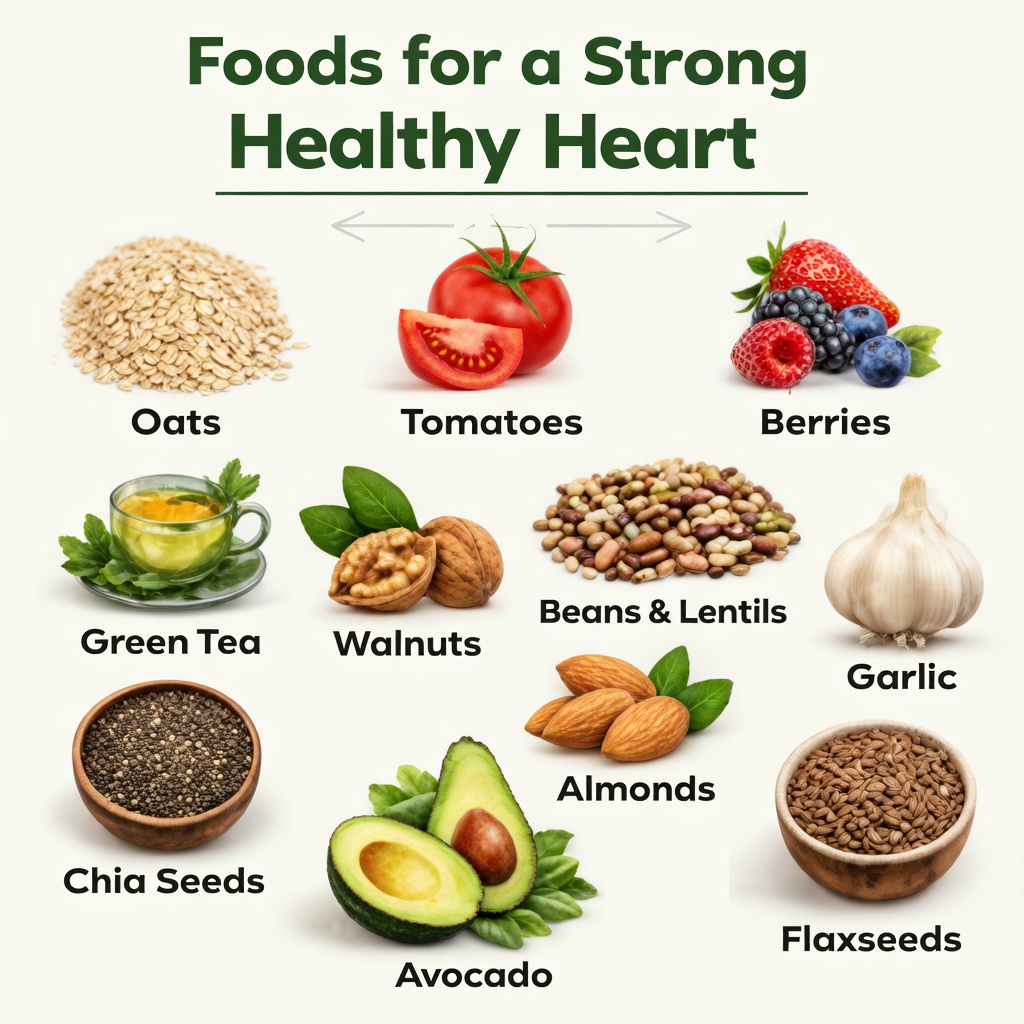
- Eat more leafy greens, berries, and omega-3-rich fish.
- Choose whole grains more often and reduce processed foods.
- Stay physically active with walking, stretching, or light exercise.
- Manage stress through quality sleep, relaxation practices, or mindfulness.
Research consistently suggests that long-term heart health improves most when healthy habits are combined rather than used in isolation.
Conclusion: Flavorful Choices That Support Your Heart
Garlic, turmeric, ginger, and cayenne pepper offer a natural and flavorful way to support circulation and cardiovascular wellness. Together, they provide antioxidant compounds, inflammation-balancing properties, and blood flow support that align with what many studies suggest is beneficial for heart health.
Even modest changes in your kitchen can have meaningful long-term value. Start experimenting with these ingredients in your everyday meals. And for that simple combination tip: try blending all four into a daily tonic or adding them to one regular meal for easy, consistent support.
FAQ
What is the best way to take turmeric for heart health support?
Turmeric is best consumed with black pepper and a source of fat, such as in curries, soups, or golden milk. This helps improve the absorption of curcumin.
Can I use these foods if I already take blood-thinning medication?
Speak with your healthcare provider before making changes. Natural compounds in foods like ginger, turmeric, and garlic may interact with blood-thinning medicines.
How long does it take to notice results?
Some people notice small improvements in energy or comfort within a few weeks. However, research suggests the greatest cardiovascular benefits usually come from regular use over a longer period.