Potato Juice for Hair: The Viral Natural Remedy Everyone Is Talking About
Dealing with hair that feels thinner than usual or sheds more than expected can affect both confidence and everyday life. It often sends people looking for simple, affordable solutions that feel natural and easy to follow. Around the world, traditional home remedies continue to attract attention for their gentle approach to beauty care. One trend gaining major traction online is a potato juice hair treatment, often linked to Japanese-inspired routines. What makes it so appealing is not just the claim itself, but how incredibly easy it is to prepare and use.
Why the Potato Juice Hair Trend Is Everywhere
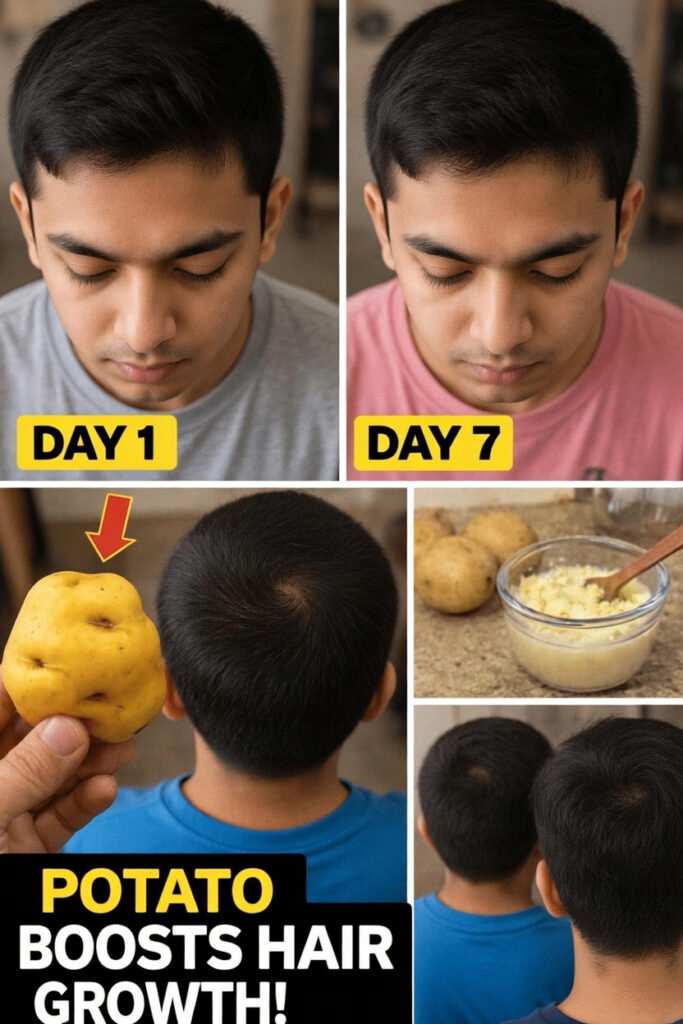
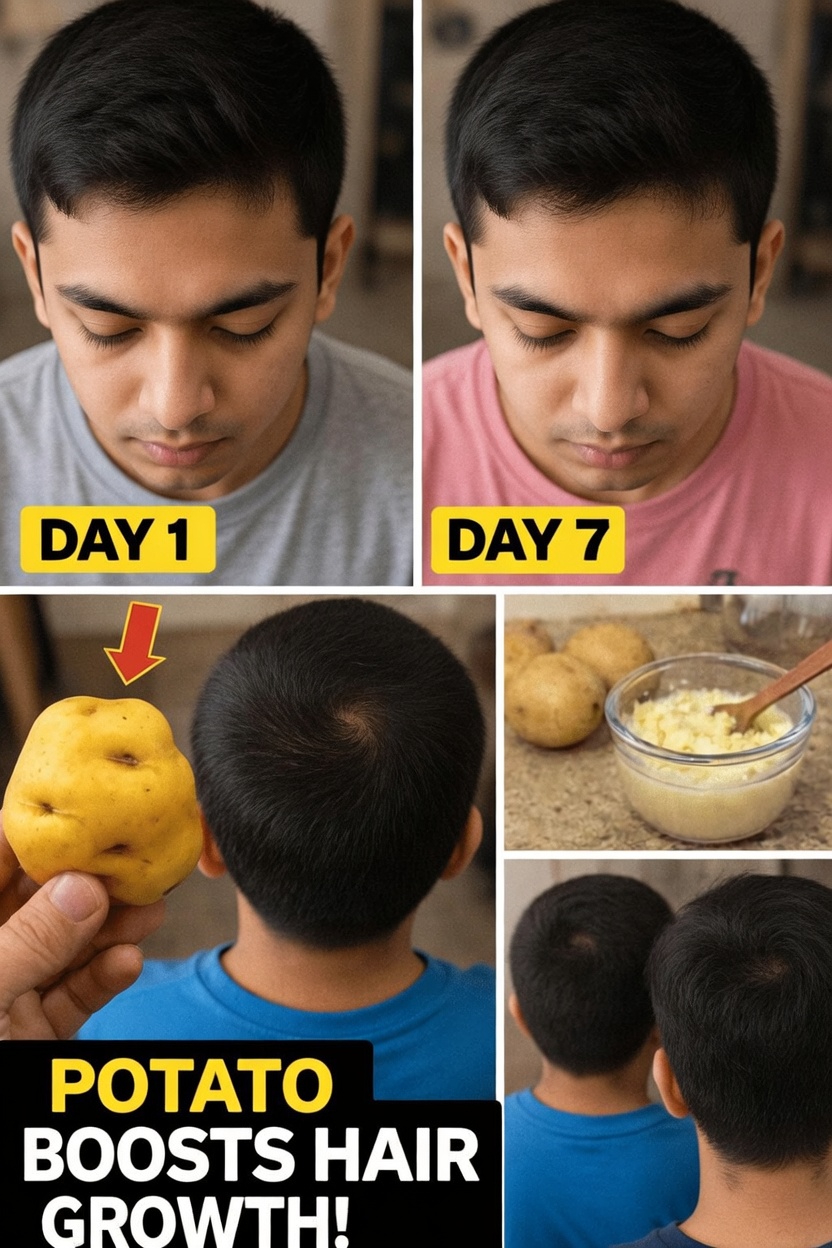
Social media is filled with before-and-after clips showing hair on day one compared with hair after a week or two of use. The message behind the trend is clear: an ordinary ingredient from your kitchen may help support healthier-looking hair. Although the supposed Japanese roots may be part viral storytelling and part tradition, the method has spread quickly because it feels practical, inexpensive, and easy to test at home.
What really draws people in is the simplicity. There are no complex salon steps or costly products involved. Many users say the treatment slides effortlessly into their regular shower routine. Some report softer strands, improved texture, and less visible breakage after consistent use. Results are never universal, of course, since hair health is also shaped by genetics, diet, stress, and overall wellness. Still, the growing interest shows just how much people value accessible hair care options.
Why Potatoes May Be Helpful for Hair Health
Potatoes may seem basic, but they contain several nutrients associated with healthy hair and scalp function. They are a source of vitamin C, which helps support collagen production, an important factor in maintaining strong hair structure. They also provide vitamin B6 and potassium, both of which contribute to general scalp and hair health.
Another reason this remedy stands out is the starch naturally found in potato juice. It may work as a mild cleansing agent, helping lift buildup from the scalp without overly stripping away natural oils. Potatoes also contain trace amounts of minerals such as zinc and iron, which are often linked to stronger, more resilient strands in broader nutritional research. While large clinical studies focused specifically on potato juice for hair are still limited, the nutrients inside potatoes are well known, which makes the trend feel more reasonable than random.
One of the biggest advantages is that fresh preparation helps preserve these nutrients. You do not need special tools or complicated processing methods. A quick homemade batch is usually enough for one treatment.
How to Make Fresh Potato Juice at Home
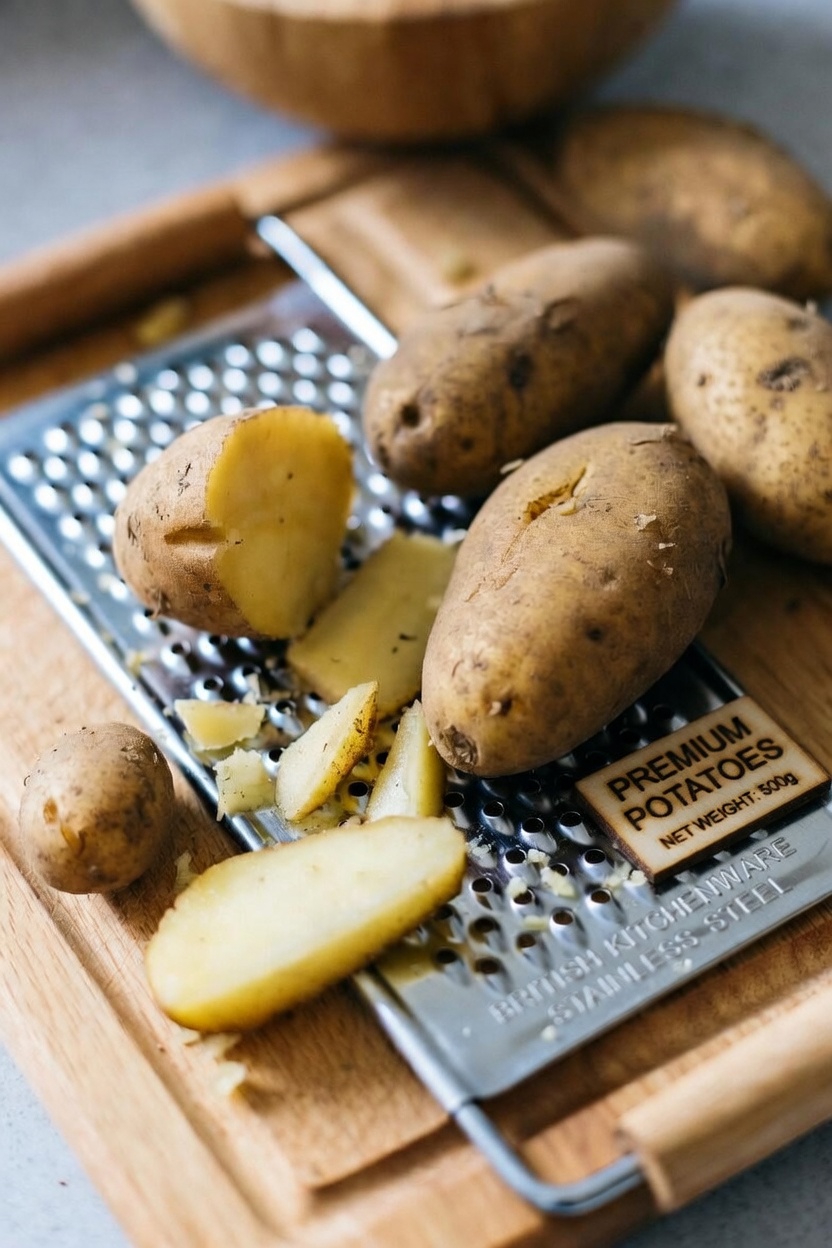
Preparing potato juice is fast and simple, usually taking under ten minutes. You only need two or three medium-sized potatoes, preferably fresh and organic. Begin by washing them thoroughly under running water to remove dirt and surface residue.
Follow these easy steps:
- Peel the potatoes if you prefer, or keep the skin on for additional nutrients.
- Grate them using a standard box grater.
- Place the grated potato into a cheesecloth or a fine mesh strainer set over a bowl.
- Press firmly by hand or with a spoon to squeeze out the liquid.
- Collect about half a cup of cloudy juice, which is typically enough for one use.
- Apply it immediately, or refrigerate it for no more than two days.
Some people like to mix in a teaspoon of honey or a little aloe vera gel for extra softness. However, using plain potato juice first can help you see how your scalp and hair respond before adding anything else.
Ways to Add Potato Juice to Your Hair Care Routine
You do not need to change your entire routine to try this method. Most people begin with a simple rinse once or twice a week. The most important factors are gentle application and regular use.
Here are a few common ways people use potato juice for hair:
- Basic scalp rinse: After shampooing, massage fresh potato juice into the scalp, leave it on for about 15 minutes, then rinse with cool water.
- Hydrating hair mask: Combine the juice with a tablespoon of yogurt or coconut oil, apply to damp hair, cover with a shower cap, and leave on for 20 minutes.
- Overnight moisture treatment: Mix the juice with a few drops of diluted essential oil, apply lightly before bed, and wash it out the next morning.
- Scalp spray between washes: Blend equal parts potato juice and water, pour into a spray bottle, and mist lightly onto the roots.
Before applying any of these methods to your scalp, do a patch test on your inner arm. This quick step can help you spot irritation before using it more widely.
What People Are Reporting After Using It
Many online comments mention hair feeling smoother, shinier, and easier to manage after a couple of weeks. Some users say they noticed less breakage during brushing, while others found their chemically treated or dry hair felt softer. These personal stories are a big reason the trend continues to grow, though they should not be taken as guaranteed results.
In reality, hair care works best when natural remedies are paired with healthy habits. Balanced nutrition, enough sleep, low-stress routines, and gentle styling practices all play a role. For many people, potato juice works best as a supportive step rather than a miracle solution. Those who continue using it for several weeks often say their hair feels fuller and more manageable, which helps keep interest in the remedy strong.

Safety Tips to Keep in Mind
Any new beauty routine should be approached carefully, even when the ingredients are natural. If you have sensitive skin, a scalp condition, or a history of irritation, it is best to check with a dermatologist before trying potato juice on your hair or scalp.
Keep these precautions in mind:
- Start with one application per week and increase only if your scalp feels comfortable.
- Stop using it immediately if you notice redness, itching, or irritation.
- If your hair is very dry, avoid leaving the treatment on overnight, since the starch may feel slightly tightening.
- Rinse thoroughly with lukewarm water to prevent residue from building up.
Final Thoughts on the Potato Juice Hair Trend
This viral potato juice remedy offers a low-cost, natural way to add extra care to your weekly hair routine. It is easy to make, simple to apply, and flexible enough to fit different hair care preferences. While dramatic overnight transformation is unlikely, many people enjoy the ritual itself along with the added softness and shine it may bring.
If you want to test it properly, try using it consistently for at least four weeks and take progress photos along the way. Its biggest strength is its simplicity, and that alone is why so many people keep coming back to it.
FAQ
How often should I use potato juice on my hair?
Most people begin with two to three applications per week, then adjust based on how their scalp and hair respond. Consistency is usually more important than using it too often.
Is potato juice safe for color-treated or chemically processed hair?
In many cases, yes, because it does not contain harsh chemicals. Still, it is smart to do a strand test first and follow with your usual conditioner to help maintain moisture.
Can I combine potato juice with other ingredients?
Yes. Many people mix it with honey, aloe vera, yogurt, or essential oils. It is usually best to start with plain potato juice first so you can clearly see how your hair reacts.
Disclaimer
This article is provided for informational purposes only and should not be considered medical advice. Speak with a qualified healthcare professional or dermatologist before starting any new hair care routine, especially if you have underlying scalp or health concerns. Individual results may vary.