
Garlic and Healthy Aging: How to Get the Benefits Without the Common Mistakes
Garlic is rich in sulfur-based compounds, especially allicin, which is created when a clove is chopped, crushed, or chewed. Research suggests these natural compounds may provide antioxidant support and help maintain healthy blood pressure and cholesterol levels when consumed in moderation. For older adults, garlic can be a smart addition to a balanced eating plan that supports overall well-being.
As we age, however, the body often becomes more sensitive. Digestion may be less tolerant of strong foods, and many adults over 50 are more likely to take medications such as blood thinners or diabetes drugs. That makes the way garlic is prepared—and the amount eaten—more important than ever.

Common Garlic Mistakes That Can Reduce Benefits or Trigger Discomfort
Below are some of the most common garlic-related mistakes, especially for adults over 50.
Mistake 1: Eating Large Amounts of Raw Garlic at One Time
Raw garlic is especially potent because it contains more active allicin. But eating too much at once, particularly on an empty stomach, can irritate the digestive tract. This may lead to heartburn, bloating, gas, or nausea.
Studies suggest these side effects are often stronger with raw garlic than with cooked garlic. For many adults, limiting intake to about 1 to 2 cloves per day is a more comfortable and reasonable range.
Mistake 2: Overlooking Garlic’s Interaction With Medications
Garlic naturally has mild blood-thinning effects. Because of this, it may increase the impact of medicines such as warfarin, aspirin, and some blood pressure treatments. In some cases, this could raise the chance of bruising or bleeding.
If you take prescription medications regularly, it is a good idea to speak with your healthcare provider before increasing your garlic intake.
Mistake 3: Using Garlic That Is Old, Soft, or Sprouted
Fresh garlic usually offers the best taste and the greatest potential value. When bulbs begin to soften, sprout, or grow green shoots, their compounds may decline and the flavor can become bitter.
Choose bulbs that feel firm, full, and free from soft spots. To keep garlic fresh longer, store it in a cool, dry place rather than in the refrigerator.
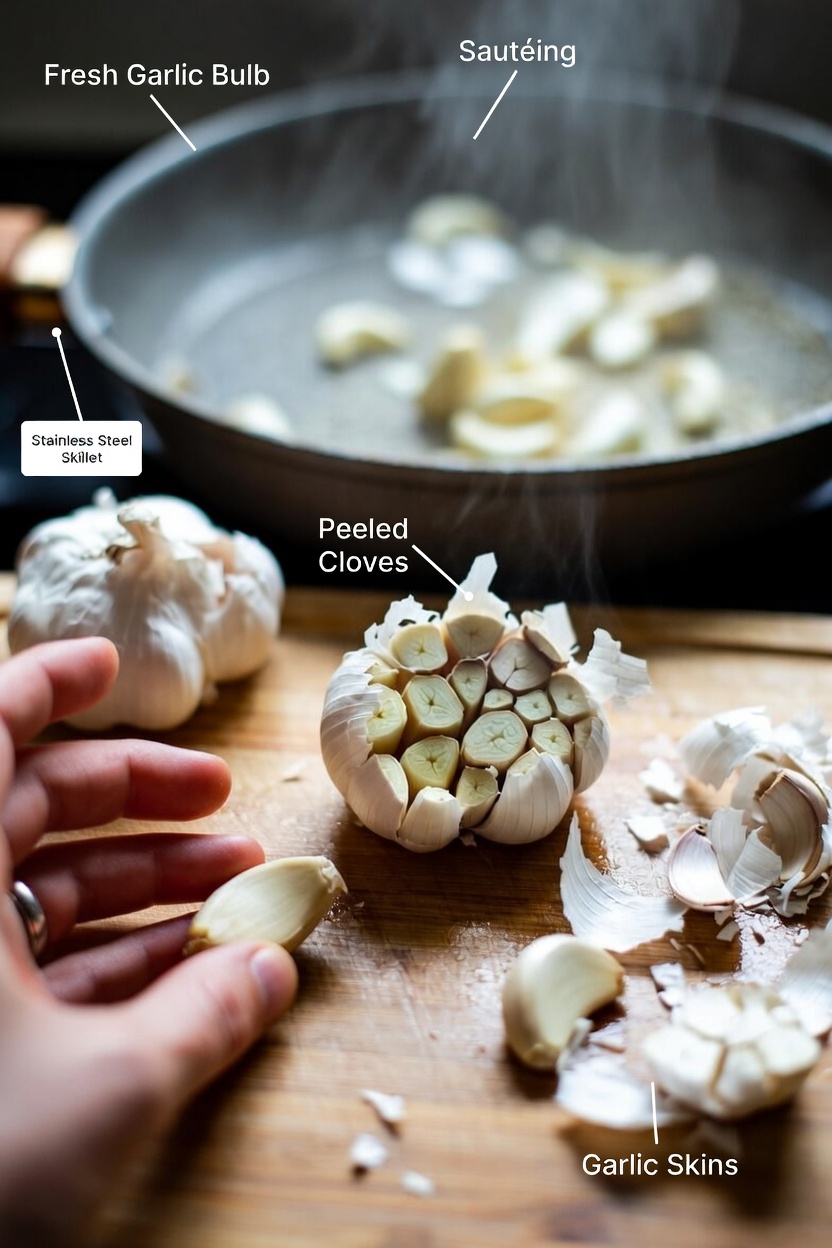
Mistake 4: Cooking Garlic Too Soon or Over High Heat
Allicin is sensitive to heat and can break down quickly. If garlic goes into a very hot pan right away, much of this important compound may be lost before the food is even served.
A smarter method is to crush or chop the garlic and let it rest for 10 to 15 minutes before cooking. You can also add it later in the cooking process to help preserve more of its beneficial compounds.
Mistake 5: Storing Garlic-Infused Oil the Wrong Way
Homemade garlic oil can be risky if it is left at room temperature. Under those conditions, harmful bacteria linked to botulism can develop, which is rare but serious.
If you make garlic-infused oil at home, keep it refrigerated and use it within one week. Commercially prepared products are generally safer because they are made under controlled food safety standards.
Mistake 6: Swallowing Whole Cloves Without Crushing Them
Garlic’s key beneficial compounds are only released when the clove is damaged through chopping, crushing, or chewing. Swallowing whole cloves means you may miss much of the allicin and other sulfur compounds.
For best results, mince or crush garlic first, then allow it to sit briefly before eating or cooking.
Mistake 7: Depending Too Much on Supplements Without Professional Advice
Garlic supplements are not all the same. Their quality, strength, and allicin content can vary widely. Some may also upset the stomach or interfere with medications.
If you are considering a supplement, choose a trusted brand and check with a doctor first, especially if you have an existing health condition or take medication daily.
Raw vs. Cooked Garlic: What’s the Difference?
Here is a simple comparison of common ways to use garlic:
- Raw garlic, crushed and rested: Offers higher allicin potential, but may be harder on digestion
- Cooked garlic, added late: Has a milder taste, is often easier on the stomach, and still provides benefits
- Aged garlic extract: Found in some supplements, typically odor-reduced and gentler for some people
Practical Tips for Enjoying Garlic Safely After 50
Use these simple habits to get the benefits of garlic while avoiding common problems:
- Start with a small amount: Try half a clove with a meal and see how your body reacts
- Crush and wait: Let chopped or crushed garlic rest for 10 to 15 minutes before using it
- Eat it with food: Avoid eating garlic alone to reduce stomach irritation
- Cook gently: Light sautéing or adding garlic near the end of cooking can help preserve its value
- Drink enough water: Staying hydrated may support easier digestion
- Pay attention to your body: Watch for signs like stomach discomfort, stronger body odor, or unusual bruising
- Ask a professional: If you take medications or have digestive issues, consult your doctor or a registered dietitian
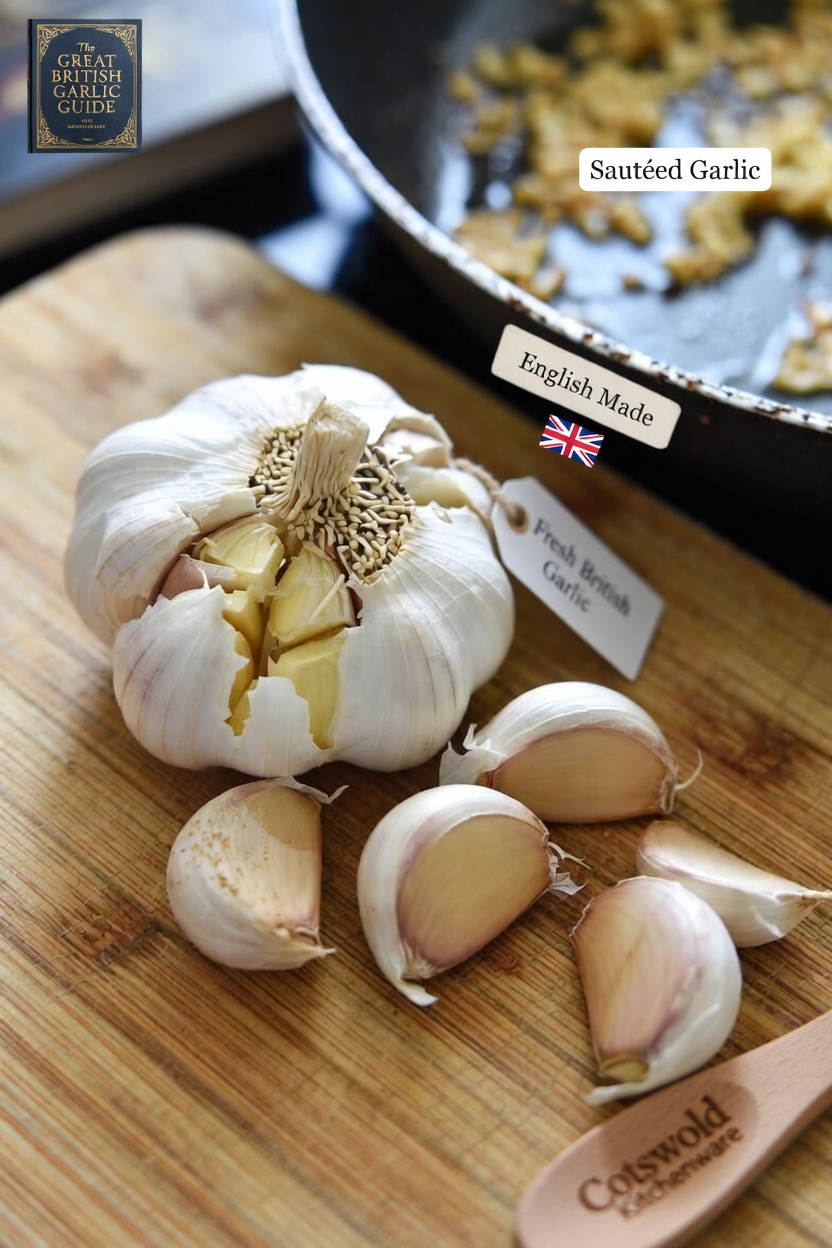
The Simple Trick That Helps Garlic Work Better
One of the easiest ways to get more from garlic is also one of the most overlooked. Many people chop it and immediately toss it into the pan. But allowing garlic to rest after crushing gives the enzyme reaction time to fully activate, helping more allicin form.
This short waiting period can help preserve more of garlic’s natural sulfur compounds. Try it the next time you prepare a sauce, soup, or stir-fry—you may notice better flavor and a gentler overall experience.
Final Thoughts
Garlic can be a flavorful and supportive part of a healthy diet for adults over 50 when used carefully. By avoiding excess raw intake, staying aware of medication interactions, choosing fresh bulbs, and using better preparation methods, you can reduce potential side effects while still enjoying its benefits.
Often, the most effective health habits are the small ones you practice consistently. Use garlic thoughtfully, start slowly, and pay attention to how your body responds.
FAQ
How much garlic is generally safe per day for seniors?
Many sources consider 1 to 2 cloves per day a moderate amount for general use. Still, tolerance varies from person to person, so it is best to begin with a smaller amount and adjust if needed.
Is raw garlic healthier than cooked garlic?
Raw garlic may provide more allicin at first, but it can also be more irritating to the stomach. Cooked garlic is usually milder and easier to tolerate. Both forms can be useful depending on your needs and comfort level.
Can garlic cause bad breath, and how can it be reduced?
Yes. Garlic’s sulfur compounds are a common cause of lingering breath odor. To help reduce it, try chewing parsley, drinking milk, or eating apples after your meal.