
How Sleep Position May Support Memory and Brain Health in Older Adults
Many seniors feel that their memory and mental sharpness are not quite what they once were. While aging plays a role, everyday habits, especially nighttime routines, may influence brain health more than many people realize. Growing research suggests that sleep quality, sleep duration, and even the way you position your body in bed can affect how the brain functions over time.
Scientists are especially interested in how sleep helps the brain clear away waste. If that process is disrupted by poor rest or less favorable sleep posture, it may have consequences for long-term cognitive health. The good news is that a few simple changes to your sleeping habits may help support better rest and healthier brain aging.
Why Sleep Position Deserves Attention
The way you sleep affects more than comfort. Your posture at night can influence circulation, pressure inside the head, and the movement of important fluids involved in brain maintenance.
During sleep, the brain activates a built-in cleaning network called the glymphatic system. This system helps flush out waste products that accumulate during the day. Research in both animals and humans indicates that this cleanup process may work more effectively in certain sleeping positions than in others.

The Link Between Sleep Posture and Brain Waste Removal
Studies from research centers such as Stony Brook University have examined how body position affects the brain’s nightly cleansing process. In one notable investigation using imaging technology, sleeping on the side appeared to promote better movement of cerebrospinal fluid than other postures.
Animal studies support this idea as well. Rats, for example, often rest curled on their sides, and this position was linked with more efficient waste removal compared with lying on the back or stomach. Human observations show a similar pattern: individuals with cognitive concerns are often found to spend more time sleeping on their backs.
Some observational research has connected long periods in the supine position—sleeping flat on the back—with patterns commonly seen in neurodegenerative disease. These findings do not prove that back sleeping causes memory decline, but they do suggest that sleep posture may be an important piece of the brain-health puzzle.
There is also interest in the right-side sleeping position. Some researchers believe it may offer a slight advantage because of the way major veins drain blood from the brain. The combination of gravity and vein anatomy may allow somewhat smoother clearance on the right side than on the left.
Comparing Common Sleep Positions
Older adults tend to favor a few main sleep postures, and current evidence suggests they may not all affect the brain in the same way.
1. Side Sleeping
The lateral position, or sleeping on your side, is most often associated with better brain waste clearance in research. It may help fluid move more smoothly through the brain and support the natural overnight cleansing process.
2. Back Sleeping
The supine position may be less ideal for this type of brain cleanup. Some studies have found that older adults with certain cognitive concerns tend to spend more time sleeping on their backs.
3. Stomach Sleeping
The prone position, or sleeping on the stomach, is less common among seniors because it can strain the neck and lower back. It also appears less supportive of efficient fluid movement involved in brain cleansing.
These differences are thought to result from how gravity affects pressure and fluid circulation when the body is lying down. Side sleeping may create a more favorable alignment for drainage and flow.
Practical Ways to Improve Your Sleep Position
If you want to adjust your sleep posture, small steps can make the transition easier. Here are a few simple strategies to try:
- If you usually sleep on your back, begin experimenting with side sleeping.
- Use a body pillow for extra support, or place a pillow between your knees to improve alignment.
- If changing positions feels uncomfortable, start with short naps on your side to build the habit gradually.
- Choose a pillow that keeps your neck in a neutral position. A pillow that is too high or too flat can create strain.
- If you often roll onto your back during the night, place a pillow behind you as a gentle barrier.
- Pay attention to how you feel after a week of sleeping on your side. Notice your energy, morning alertness, and overall sleep quality.
These adjustments may seem minor, but over time they could make a meaningful difference.
Sleep Habits Beyond Position Also Matter
Body position is only one part of healthy sleep. For brain function and memory, total sleep time and sleep quality are equally important.
Research suggests that regularly getting about 7 to 8 hours of sleep per night is linked with better cognitive outcomes. In contrast, consistently sleeping too little—under 6 hours—or too much—over 9 hours—has been associated in some studies with faster mental decline.
Sleep quality matters just as much as quantity. Frequent awakenings or fragmented sleep can interrupt the deeper stages of rest, which is when much of the brain’s maintenance and waste-clearing activity takes place.
To improve both the amount and quality of your sleep:
- Keep a consistent bedtime and wake-up time, even on weekends.
- Develop a calming evening routine with dim lighting, less screen exposure, and relaxing activities such as reading or gentle stretching.
- Make your bedroom cool, dark, and quiet.
- Avoid caffeine in the afternoon and evening.
- Skip heavy meals right before bed.
When combined with a supportive sleep position, these habits can help give your brain the overnight recovery it needs.
If Side Sleeping Is Hard for You
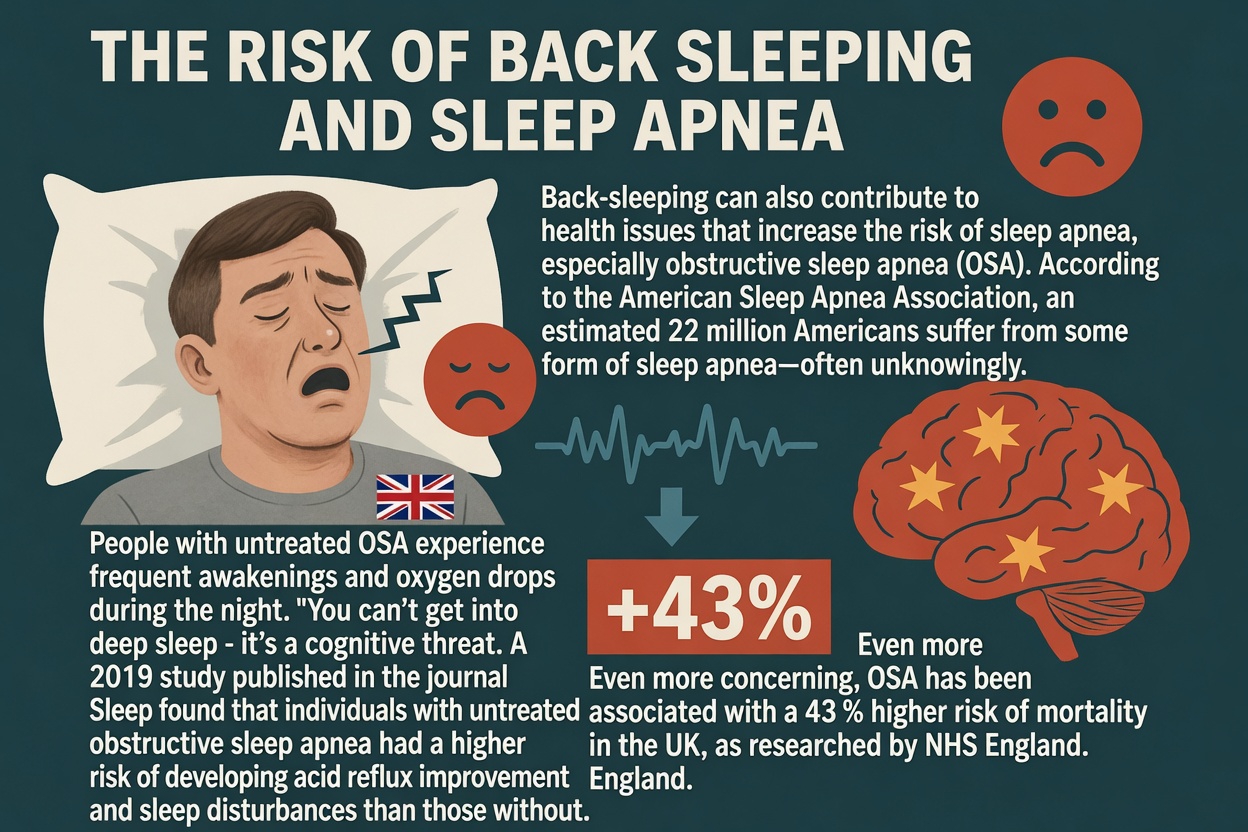
Not everyone can comfortably sleep on their side. Many older adults deal with arthritis, shoulder pain, acid reflux, or breathing problems that make certain positions difficult.
If side sleeping is uncomfortable, consider slightly raising your upper body with an adjustable bed, a wedge pillow, or extra support under the head and shoulders. This may improve comfort and circulation without requiring a full change in position.
Most importantly, listen to your body. If a new sleep posture causes pain or leads to worse sleep, it is best to speak with a healthcare professional for advice tailored to your needs.
Final Thoughts: Small Sleep Changes May Offer Long-Term Benefits
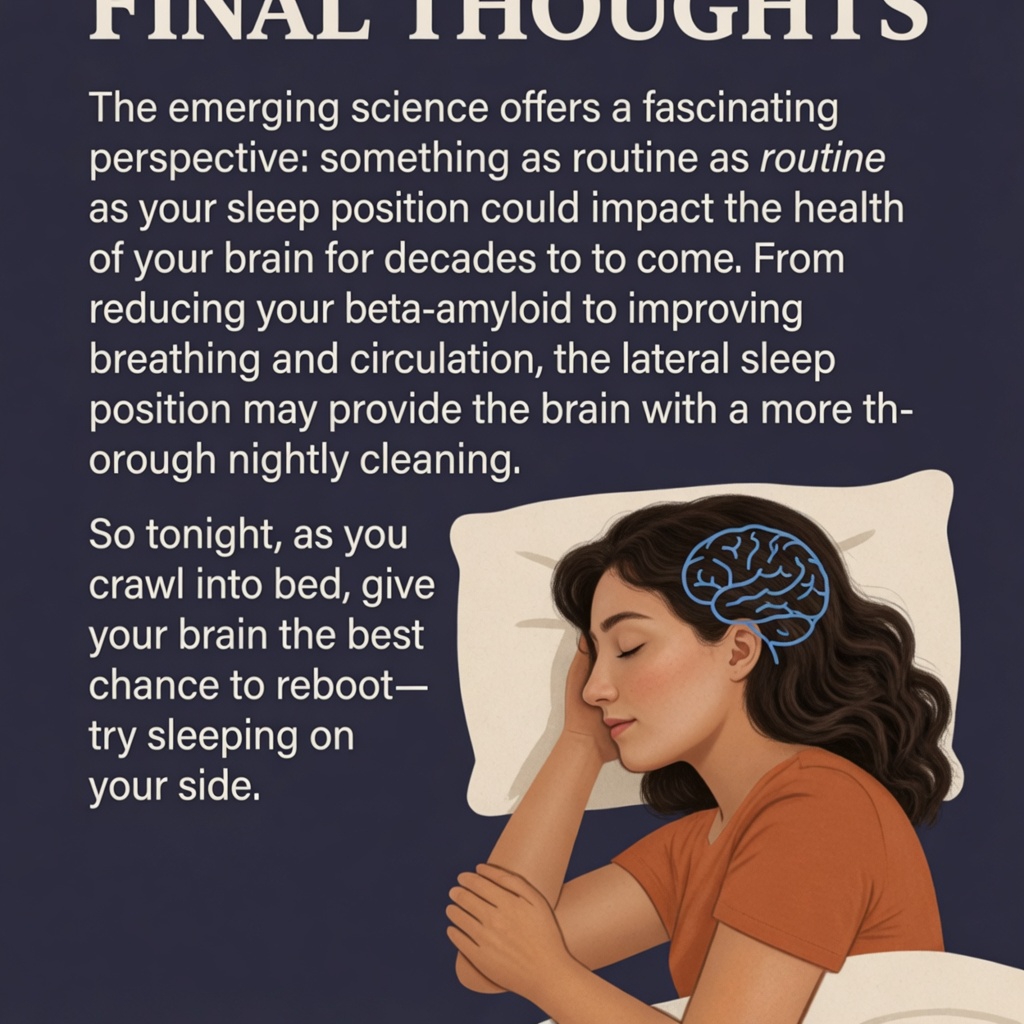
Your sleep habits are not just nightly routines—they may be an important way to support your brain as you age. Although research is still evolving, current findings suggest that side sleeping, good sleep quality, and a consistent sleep schedule may all help the brain during its natural overnight cleaning cycle.
You do not need to overhaul everything at once. Start with one simple change, such as using a pillow to stay on your side, and see how your body responds. Over time, these small adjustments may support better rest and potentially healthier cognitive aging.
FAQ
Does it matter whether I sleep on my left or right side?
Some evidence suggests that right-side sleeping may support slightly better brain drainage because of vein structure and gravity. However, the biggest takeaway is that side sleeping in general appears more favorable than sleeping on the back or stomach. Comfort is still important, so choose the side that helps you rest best.
How long should I try a new sleep position?
Give yourself about 1 to 2 weeks to adapt to a new sleep posture. Many people adjust within days, and improvements in comfort or sleep quality may show up before any long-term brain benefits.
Can sleep position by itself cause memory problems?
No. Sleep posture is only one factor among many, including genetics, exercise, nutrition, medical conditions, and overall lifestyle. Still, improving your sleep position is a simple and practical step that may support better brain health over time.