Bay Leaves and Cloves for Kidney Wellness: A Gentle Herbal Tradition Worth Knowing
Kidney health plays an important role in everyday well-being. It can influence energy, fluid regulation, comfort, and how the body removes waste. When kidney function becomes a concern, many people look for simple, natural ways to support the body without adding unnecessary strain. Common goals often include staying hydrated, lowering oxidative stress, and encouraging healthy urinary function in a mild, balanced way.
Because of this, many people explore familiar culinary herbs and spices for possible supportive effects. One traditional pairing that has gained attention is bay leaves and cloves, often prepared as a warm herbal infusion. In folk use, and in some early research, this combination has been associated with gentle support for urinary and kidney health.
So, what makes this herbal duo interesting? Here is a closer and more practical look.
What Are Bay Leaves and Cloves?
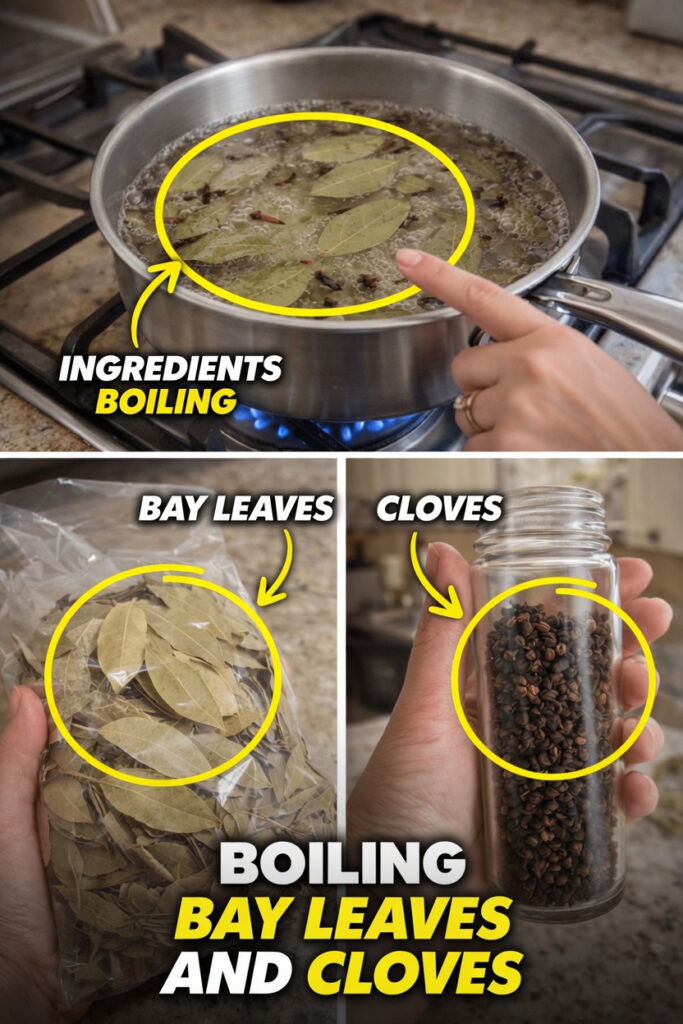
Bay leaves come from Laurus nobilis, an evergreen tree native to the Mediterranean region. They are widely used in cooking to add aroma and depth to soups, sauces, rice dishes, and stews.
Cloves are the dried flower buds of Syzygium aromaticum. They have a bold, warm, slightly sweet flavor and are commonly used in baked goods, teas, spice blends, and savory dishes.
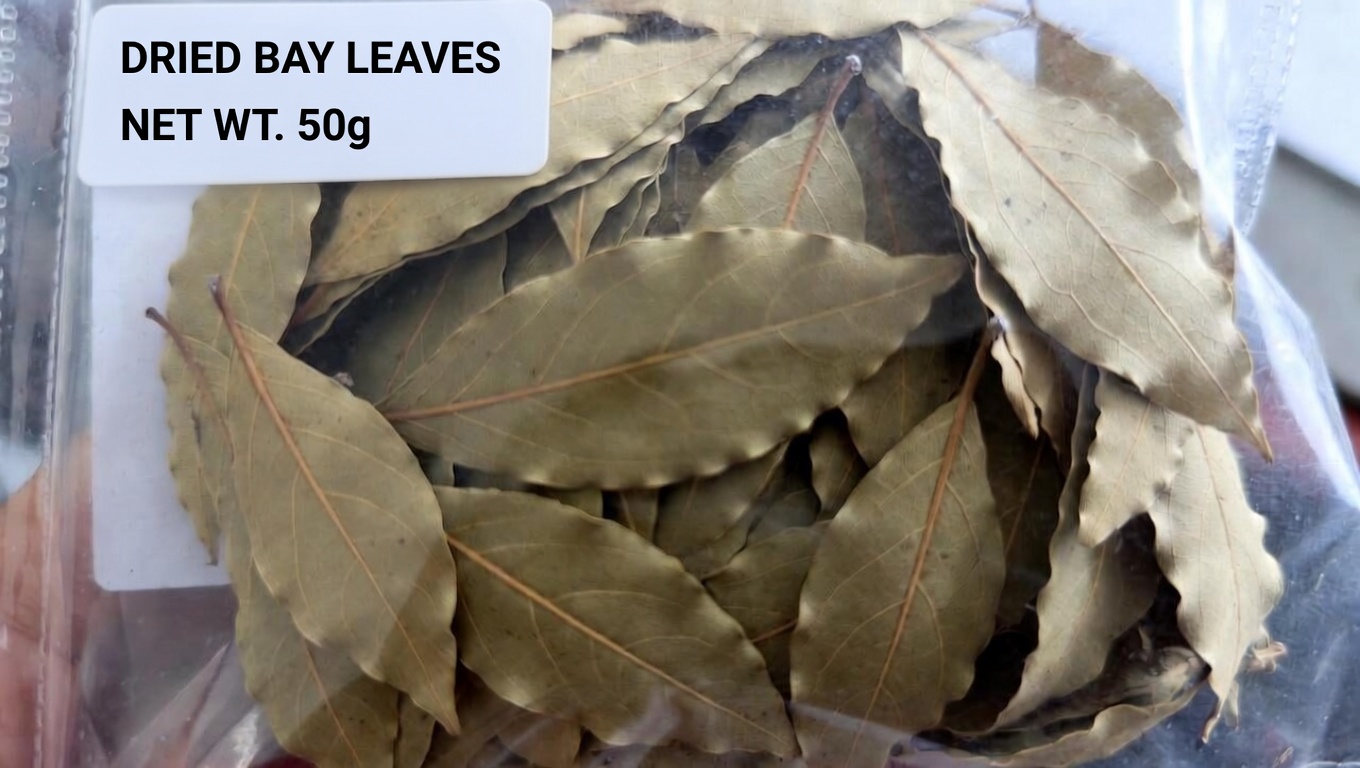
Both ingredients are easy to find in most supermarkets. Bay leaves are usually sold dried in packets or jars, while cloves are commonly available whole in small spice containers. Since both store well for long periods, they are practical staples to keep in the kitchen.
Why Bay Leaves and Cloves Are Used Together in Traditional Remedies
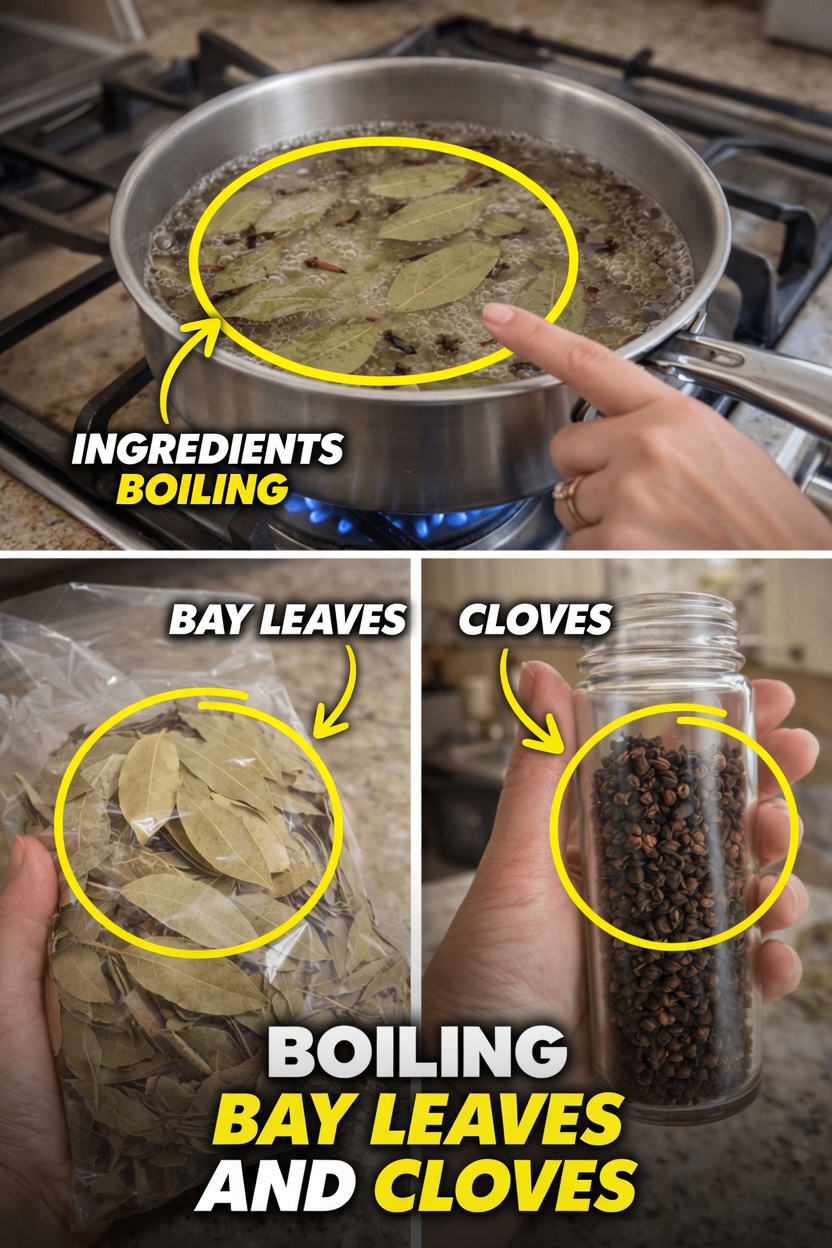
In traditional wellness practices, bay leaves and cloves are often simmered in water to create a fragrant herbal drink. This custom is linked to the natural plant compounds found in both ingredients.
Bay leaves contain compounds such as:
- 1,8-cineole
- Quercetin
Cloves are especially known for:
- Eugenol
These substances have attracted scientific interest in laboratory and animal studies because of their possible antioxidant, anti-inflammatory, and mild diuretic-like properties. Some early investigations have also explored whether these compounds may affect enzymes connected to urinary health.
For example, certain studies involving bay leaf extracts have examined their interaction with urease, an enzyme sometimes associated with urinary tract concerns. Animal research has also suggested that bay leaf compounds may offer some protective effects for kidney tissue under specific stress conditions. Clove extracts, meanwhile, have shown potential for helping reduce oxidative stress in preclinical research.
That said, it is important to stay realistic. Most of the current evidence comes from test-tube studies, animal models, or traditional use, not strong human clinical trials. The available findings are still preliminary, so this herbal combination should be seen as a complementary option rather than a treatment.
Possible Benefits Suggested by Early Research
Although more human studies are needed, current early findings point to several areas where bay leaves and cloves may offer gentle support.
1. Antioxidant Support
Both bay leaves and cloves are rich in antioxidant compounds. Antioxidants help the body manage oxidative stress, which may otherwise affect cells over time, including those in the kidneys.
2. Mild Support for Urine Flow
Some animal research suggests that bay leaves and cloves may have mild diuretic-like effects, which could support natural fluid regulation and urinary elimination.
3. Anti-Inflammatory Activity
Clove compounds such as eugenol, along with various phytochemicals in bay leaves, have been studied for their ability to help regulate inflammatory responses. This may be relevant to tissues in the urinary system.
4. Enzyme-Related Effects
In laboratory settings, compounds in bay leaves have demonstrated urease-inhibiting activity. Some early models have linked this action to possible support in reducing factors associated with urinary stone formation.
Even with these promising signs, caution is essential. Much of this research has not been confirmed in humans. Health organizations such as the National Kidney Foundation advise care when using herbs, especially for people who already have kidney issues, since herbs may affect electrolyte balance or interact with medications.

How to Make a Simple Bay Leaf and Clove Infusion at Home
If you want to try this traditional drink, keep the preparation simple and moderate. This is not a medical treatment, and it is best to speak with a healthcare professional before using it regularly, especially if you are pregnant, taking medication, or managing kidney problems.
Ingredients
For 1 to 2 servings, you will need:
- 3 to 4 dried bay leaves
- 4 to 5 whole cloves
- 2 to 3 cups of water
Preparation Steps
- Rinse the bay leaves and cloves under cool running water to remove dust or debris.
- Add them to a small saucepan with the water.
- Bring the mixture to a light boil.
- Lower the heat and let it simmer gently for 10 to 15 minutes.
- Remove the pan from the heat and allow it to steep for another 5 to 10 minutes.
- Strain the liquid into a cup.
- Drink it warm, or let it cool before consuming.
How Much to Start With
Begin with a small amount, such as:
- Half a cup once daily
Pay attention to how your body responds before increasing frequency or amount.
Tips for Better Use
- Choose good-quality herbs, preferably organic if available.
- Avoid boiling too aggressively, as this may reduce some delicate plant compounds.
- Keep intake moderate rather than excessive.
Safety Considerations
Bay leaves and cloves are generally considered safe in normal cooking amounts, but larger or concentrated doses may not be suitable for everyone.
A few points to keep in mind:
- Bay leaves may influence blood sugar levels, so people with diabetes should use caution and monitor closely.
- Cloves contain eugenol, which may interact with blood-thinning medications.
- People with kidney disease should be especially careful, since herbal products can affect filtration load and mineral balance.
The National Kidney Foundation recommends discussing herbal use with a doctor or registered dietitian, particularly for anyone with chronic kidney disease or complex medical conditions.
Everyday Habits That Support Kidney Health
Herbal infusions can only play a small supportive role. For stronger kidney support, it helps to combine them with proven lifestyle habits.
Helpful daily practices include:
- Drink enough plain water throughout the day
- Follow a balanced diet with less processed sodium
- Eat more fruits and vegetables
- Keep blood pressure and blood sugar within healthy ranges
- Stay physically active
- Limit alcohol intake
- Avoid smoking
- Schedule regular health check-ups to monitor kidney function
Final Thoughts
Bay leaves and cloves are simple kitchen ingredients that may offer mild wellness benefits thanks to their natural plant compounds. Their traditional use and early scientific interest make them an appealing option for people seeking a gentle, everyday herbal infusion.
Still, they are not a replacement for medical care, especially when kidney symptoms or diagnosed conditions are involved. The best approach is to view them as part of a broader routine focused on hydration, nutrition, and professional guidance. Listen to your body, use herbs responsibly, and seek personalized advice from a qualified healthcare provider.
FAQ
Is bay leaf and clove infusion safe to drink every day?
For most healthy adults, small amounts similar to culinary use are generally considered acceptable. Start with a low amount and speak with a healthcare professional if you have any medical condition.
Can bay leaves and cloves help with kidney stones?
Some laboratory findings suggest bay leaf compounds may affect enzymes related to urinary health, but there is no strong human evidence showing this infusion can treat or prevent kidney stones. Medical evaluation is important if you suspect stones.
Are there any side effects?
Some people may experience mild digestive discomfort or, more rarely, an allergic reaction. Anyone taking medication should check for possible herb-drug interactions before using this infusion regularly.