
How a Partner’s Everyday Habits at Home May Influence Breast Cancer Risk
When people think about breast cancer risk factors, they often focus on personal choices such as eating well, exercising, maintaining a healthy weight, and drinking less alcohol. Those steps matter. However, health is also shaped by the home environment, and some daily habits shared between partners can affect everyone in the household.
Growing research suggests that repeated exposure to certain substances and routines may contribute to long-term health risks, including factors associated with breast cancer. That can be difficult to think about, especially when it involves someone you love. Still, understanding these links can help couples make realistic, positive changes together.
The encouraging part is that many of these habits can be changed. Below, we look at two common household behaviors supported by scientific evidence, why they matter, and what families can do to reduce their impact over time.
Looking Beyond Personal Lifestyle Choices
Breast cancer does not result from one single cause. It is influenced by a combination of age, genetics, hormones, environment, and lifestyle. No everyday habit guarantees that cancer will or will not develop, but research shows that some exposures may modestly raise overall risk.
One of the most important concerns is secondhand tobacco smoke. Large studies and meta-analyses have found that women who regularly inhale smoke from other people’s cigarettes may face a higher risk, especially if they do not smoke themselves. In one broad review of many studies, women exposed to secondhand smoke showed roughly a 24% higher relative risk than women with no such exposure. Longer and heavier exposure appears to increase that association.
A second widely studied factor is alcohol use. Evidence consistently shows that drinking alcohol, even at moderate levels, is linked to a small increase in breast cancer risk in women. Health organizations note that as intake rises, so does risk, and even one drink a day may contribute to a measurable increase over time.
When smoking or alcohol use becomes part of daily home life, those habits can stop being individual choices and become shared household influences.

Habit #1: Smoking In or Around the Home
Why It Matters
Tobacco smoke contains thousands of chemicals, including substances known to damage cells and affect the body in ways linked to cancer. If a husband or partner smokes inside the house, near entrances, or around shared spaces, the smoke does not simply disappear. It can remain in the air and settle onto furniture, clothing, curtains, and car interiors, increasing exposure for other family members.
Research looking specifically at spousal smoking has found meaningful associations with breast cancer risk in women who do not smoke. Cohort studies from countries such as Japan, along with broader meta-analyses, have reported higher risk among women living with smoking partners, especially when exposure continues for years. Some findings suggest that younger premenopausal women may be particularly sensitive, with certain studies reporting substantially higher relative risk in high-exposure situations.
This is not only a concern for one person. Children and other household members may also experience harmful effects from secondhand smoke, making it a broader family health issue.
Signs This Habit Needs Attention
You may want to address smoking-related exposure if any of these sound familiar:
- Smoking regularly happens indoors
- Cigarettes are smoked just outside doors or windows, and smoke drifts back inside
- Clothes, furniture, or the car often smell like smoke
- A partner smokes several cigarettes a day in shared areas
Practical Ways to Reduce Exposure
Couples can take meaningful steps without trying to solve everything overnight:
- Make the home smoke-free: Set a clear rule that no one smokes inside the house or in the car
- Move smoking well outdoors: If quitting is not immediate, smoke only outside and far from windows, doors, and ventilation points
- Support quitting together: Consider nicotine replacement, counseling, digital tools, or smoking cessation programs
- Improve airflow when needed: Open windows and use fans after possible exposure, though avoiding exposure completely is still the most effective solution
These changes can help reduce potential long-term risks while also improving indoor air quality, breathing comfort, and overall family health.
Habit #2: Regular Alcohol Use at Home
Why Alcohol Matters
Alcohol influences hormone activity and other biological processes involved in cell growth and repair. Because of this, researchers have repeatedly linked alcohol intake with a modest increase in breast cancer risk. According to major health organizations, even light drinking, such as one drink per day, may raise risk by about 5% to 10%, while heavier drinking is associated with a greater increase.
At home, alcohol habits are often shared. If one partner drinks regularly, keeps alcohol stocked, or encourages a nightly drink together, it can make higher intake feel normal for both people. Over many years, that routine may contribute to cumulative exposure without either person noticing how consistent it has become.
Research also shows a dose-response relationship, meaning the more alcohol consumed, the stronger the association with risk. In many studies, the connection appears more pronounced in postmenopausal women, partly due to hormonal and body composition factors.
Patterns That May Be Adding Up
Some household routines can seem harmless but gradually increase intake:
- A nightly glass of wine, beer, or spirits becoming automatic
- Keeping large amounts of alcohol at home
- Frequent social drinking on weekends or at gatherings
- Encouraging each other to drink without thinking about moderation
Simple Changes That Feel Realistic
Reducing alcohol does not have to mean giving up all enjoyment. Small changes can be effective:
- Set clear limits: Follow health guidance by keeping intake moderate, with no more than one drink a day for women, or none for the lowest risk
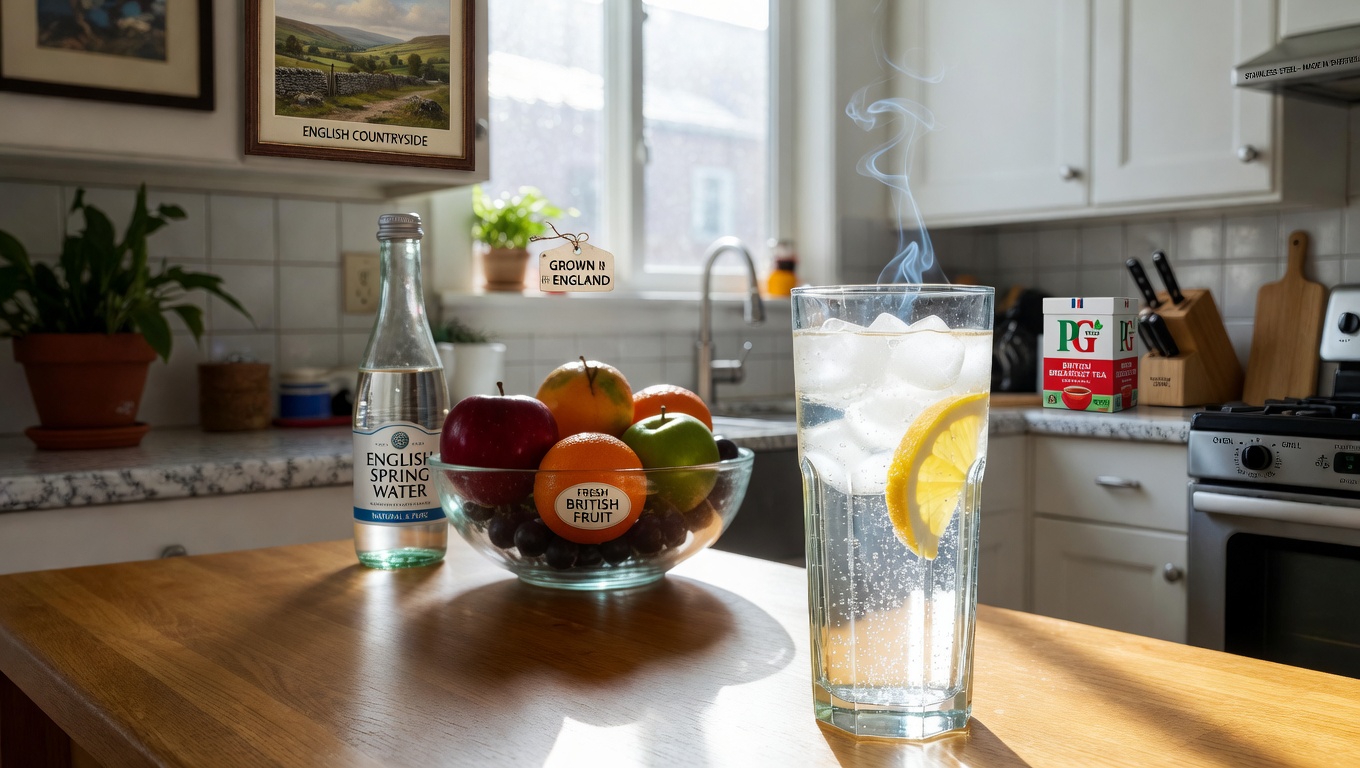
- Keep alcohol-free options available: Stock sparkling water, mocktails, alcohol-free beer, or non-alcoholic wine
- Track drinking habits: Use a journal or app to notice patterns and count alcohol-free days
- Create new routines together: Replace evening drinks with tea, a walk, conversation time, or a shared hobby
These adjustments can support breast health awareness while also improving sleep, energy, and general well-being.
Why These Changes Help the Entire Household
Reducing exposure to smoke and cutting back on alcohol can make the home healthier in several ways. The benefits go well beyond breast cancer risk awareness.
- Cleaner air can lower respiratory irritation and support better health for adults and children
- Less alcohol supports liver function, healthy weight, mood balance, and mental sharpness
- Shared goals often improve communication and strengthen relationships
- Long-term habits that are maintained over time can contribute to better overall health outcomes
When couples work on these issues together, the result is often a home environment that feels safer, healthier, and more supportive for everyone.
Key Takeaways
Paying attention to household habits such as smoking and alcohol consumption is a practical way to support long-term health. These are not the only factors involved in breast cancer risk, but current evidence suggests they are worth addressing.
A good place to begin is small and specific:
- Talk openly with your partner about shared habits at home
- Set one or two realistic goals together
- Monitor progress without blame
- Ask a healthcare professional for personalized advice
- Stay current with recommended screenings, including mammograms when appropriate
Awareness alone can be powerful. Small changes made consistently may create meaningful benefits for the whole family over time.
Frequently Asked Questions
Does occasional secondhand smoke matter?
Research suggests that the strongest links appear with frequent and long-term exposure, but reducing any secondhand smoke exposure is a smart step for overall health.
Is moderate drinking still a concern?
Yes. Studies show that even light but regular alcohol use is associated with a small increase in breast cancer risk. Many experts recommend limiting alcohol or avoiding it entirely for the lowest possible risk.
Are there other home habits that affect breast cancer risk?
Yes. A healthy household routine that includes balanced eating, physical activity, and weight management can support overall risk reduction. The most sustainable approach is to build habits that are realistic and enjoyable for the whole family.