5 Everyday Drinks That May Stress Your Liver More Than You Think
Many people assume that drinking less alcohol is enough to keep the liver healthy. But alcohol is not the only issue. Several common drinks can place similar pressure on the liver — and sometimes even more — without drawing much attention.
What makes this more concerning is how often these beverages are consumed. Many are seen as normal, harmless, or even healthy, so people drink them several times a day. Over time, high sugar content, additives, and fast-absorbing calories can burden the liver, drain your energy, and leave you feeling tired without knowing why.
The encouraging part is that once you identify the main problem drinks, simple replacements can improve how you feel and support your body in the long run.
Before looking at easy alternatives, it helps to understand which beverages research has linked to faster liver strain than most people expect.
Why Sugary Drinks Can Be So Hard on the Liver
Your liver processes nearly everything you eat and drink. When beverages contain large amounts of fructose or added sugar, the liver has to handle those calories quickly, often turning them into fat.
Research suggests this can contribute to fat buildup in the liver, even in people who drink little or no alcohol. In many cases, the effects show up gradually as low energy, bloating, or a general feeling that something is off.
The problem is easy to miss because sugary drinks do not carry the same obvious warnings as alcohol. As a result, many people continue drinking them every day without realizing the long-term impact.
1. Sugary Sodas and Soft Drinks
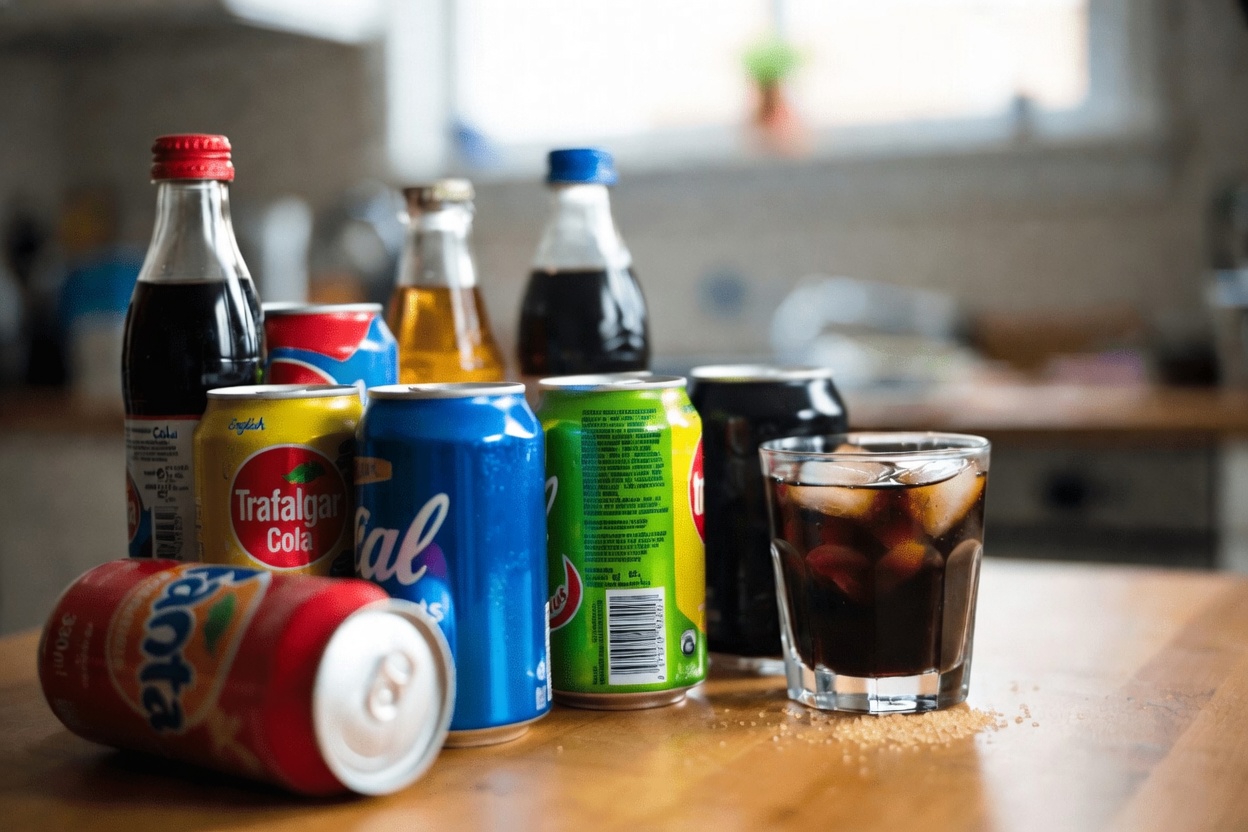
Regular soda is one of the biggest offenders. A single can often contains more than 30 grams of sugar, much of it from high-fructose corn syrup. That type of sugar is processed rapidly by the liver, which can convert excess amounts into fat.
Frequent soda consumption has been linked to a greater risk of liver fat accumulation because the liver cannot efficiently manage such repeated sugar overload.
Diet soda may seem like a better option, but it is not always the ideal solution. Some research suggests artificial sweeteners may still influence metabolism and the way the body handles sugar over time.
If you enjoy fizzy drinks, sparkling water with fresh lemon or lime is a much lighter choice.
2. Energy Drinks
Energy drinks are marketed as quick solutions for focus and stamina, but they often combine high sugar levels with caffeine and added ingredients such as niacin. This mix can place extra stress on the liver, especially when consumed regularly.
Daily use can be particularly problematic because the liver must process both the rapid sugar spike and the stimulant load. Many people reach for these drinks in the morning or during an afternoon slump without realizing the strain they may cause.
A gentler alternative is plain black coffee or green tea, which can provide a lift without the same sugar burden.
3. Sweetened Fruit Juice
Packaged fruit juice often has a healthy image, but many versions contain concentrated sugars and little to no fiber. Once the fiber is removed, the sugars are absorbed much faster, sending a large amount of fructose to the liver at once.
Even products labeled as 100% juice can still deliver a concentrated sugar hit because the pulp and fiber are missing. Without fiber to slow digestion, the liver has to process the sugar quickly, and some of it may be stored as fat.
Eating whole fruit is usually the better option. You still get vitamins and natural sweetness, but the fiber helps reduce the sudden load on the liver.
4. Coffee or Tea Filled With Syrups and Sugar
Coffee and tea themselves are not the issue. The real concern is what gets added to them. Flavored lattes, sweet iced teas, and specialty coffee drinks often contain caramel, vanilla, chocolate, or other syrups that turn a simple beverage into a high-sugar treat.
A single serving can easily provide 20 to 40 grams of sugar, making it more like a dessert than a daily drink. That sugar is still processed by the liver just like sugar from soda or juice.
The good news is you do not need to stop drinking coffee or tea. A practical first step is using half the usual syrup, then gradually moving toward unsweetened versions. Cinnamon, unsweetened cocoa, or a few crushed berries can add flavor without a major sugar spike.
Many people notice more stable energy after making this change for just a couple of weeks.
5. Flavored Milk and Chocolate Drinks
Chocolate milk, sweetened milk drinks, and creamy bottled beverages are popular across all age groups. However, they often contain a surprising amount of added sugar.
From the liver’s perspective, these drinks can create the same kind of problem as other sugary beverages. Extra calories from sugar are still processed quickly and may contribute to fat buildup over time.
This is especially easy to overlook because these drinks are often associated with calcium, protein, or childhood nutrition. But switching to plain milk or unsweetened plant-based alternatives can keep the nutritional benefits while cutting unnecessary sugar.
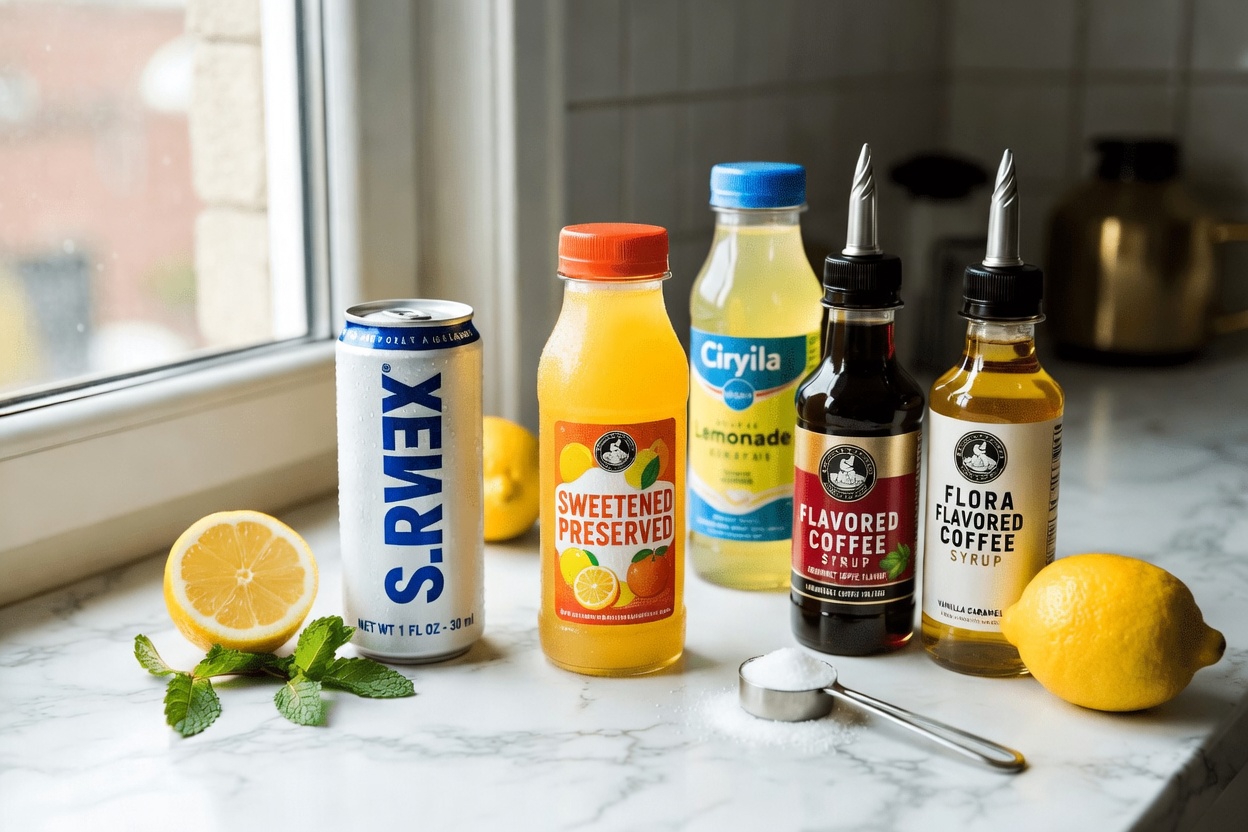
Quick Comparison of These Drinks
| Drink Type | Main Concern | Typical Sugar per Serving | Why the Liver Responds Quickly |
|---|---|---|---|
| Sugary sodas | High-fructose corn syrup | 30–40 g | Excess fructose is rapidly converted into fat |
| Energy drinks | Sugar, caffeine, niacin | 20–30 g | The liver has to process both stimulants and sugar |
| Sweetened fruit juices | Concentrated natural sugars | 25–35 g | No fiber to slow absorption |
| Flavored coffee or tea | Syrups and added sugar | 20–40 g | A simple drink becomes a high-sugar dessert |
| Flavored milks | Added sugar in a creamy base | 15–25 g | Hidden calories build up over time |
Looking at the numbers side by side makes the pattern much clearer — and makes healthier decisions easier.
Simple Changes You Can Start Today
Improving your drink choices does not have to be complicated. A few realistic steps can make a meaningful difference:
- Check labels for added sugars. Ingredients ending in -ose or listed as syrup count.
- Limit yourself to one sweet drink per day and choose water or sparkling water the rest of the time.
- Carry a reusable water bottle and flavor water naturally with cucumber, mint, lemon, or berries.
- Pay attention to how you feel after one week of cutting back. Many people notice better energy and fewer afternoon crashes.
Small changes like these can support liver health without forcing a complete lifestyle overhaul.
Better Drinks for Everyday Health
If you want options that are easier on the liver, consider these:
- Plain water
- Infused water with fruit, cucumber, or herbs
- Unsweetened black coffee
- Green tea without sugar
- Herbal teas such as chamomile, ginger, or peppermint
- Sparkling water with citrus
- Low-sugar vegetable juice in moderation
You do not have to give up taste. The goal is simply to choose drinks that support your body instead of working against it.
Final Thoughts
The liver does far more than most people realize, and the beverages you drink every day can influence its health just as much as — or even more than — alcohol in some cases.
By recognizing these five common drinks and replacing them with smarter alternatives, you can reduce unnecessary strain on the liver and often feel better day to day. More stable energy, fewer slumps, and better overall well-being can start with very small choices.
FAQ
1. Is one sugary drink a day really that harmful?
Even one sweetened drink per day can add up over time. Research suggests that regular intake, even in moderate amounts, may contribute to liver fat buildup over the months and years.
2. Are diet or zero-sugar drinks better for the liver?
They may reduce sugar intake, but they are not always the best everyday choice. Some studies suggest artificial sweeteners may still affect metabolism and gut health. Water and unsweetened drinks remain the safest long-term options.
3. How do I know if my liver may need attention?
Possible signs include persistent fatigue, mild discomfort on the upper right side of the abdomen, or unexplained weight changes. The best next step is to speak with a doctor and get routine health checks for a clearer picture.