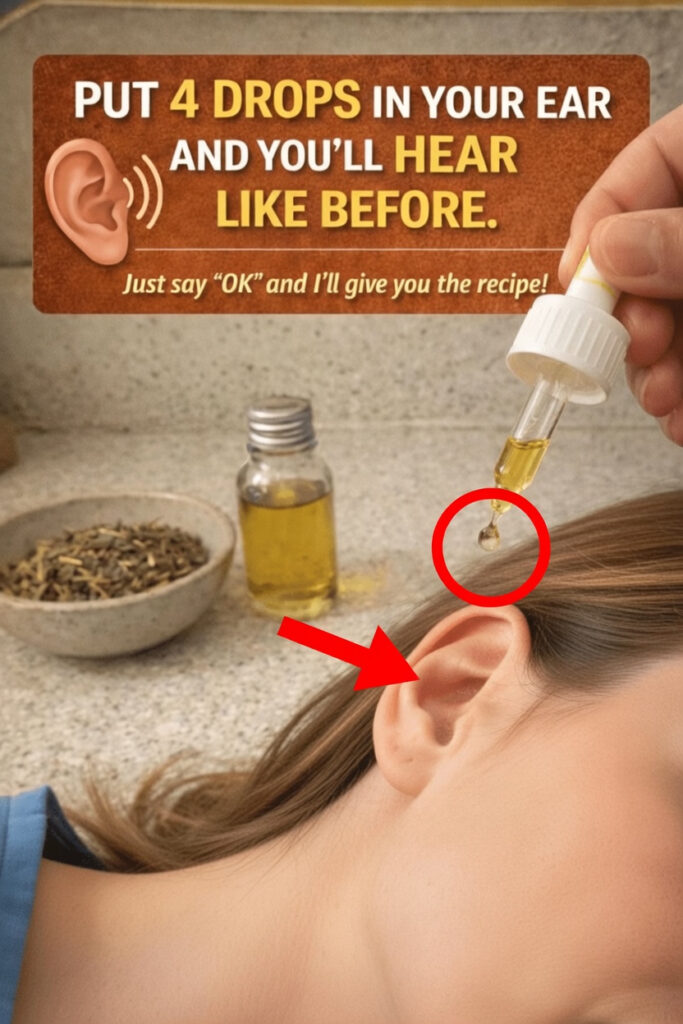
Understanding Earwax Buildup and Muffled Hearing
The ear canal naturally makes wax as a protective barrier against dust, small particles, and everyday irritants. However, when too much wax collects, it can create a blocked feeling and make sounds seem dull or muffled before they reach the inner ear clearly. Age, environmental exposure, and common habits such as frequent earbud use may all play a role in this buildup.
Studies suggest that gentle softening techniques may help the ear’s own cleaning process work more effectively. Although home care should never replace medical treatment, supportive practices can still be useful for general ear wellness.
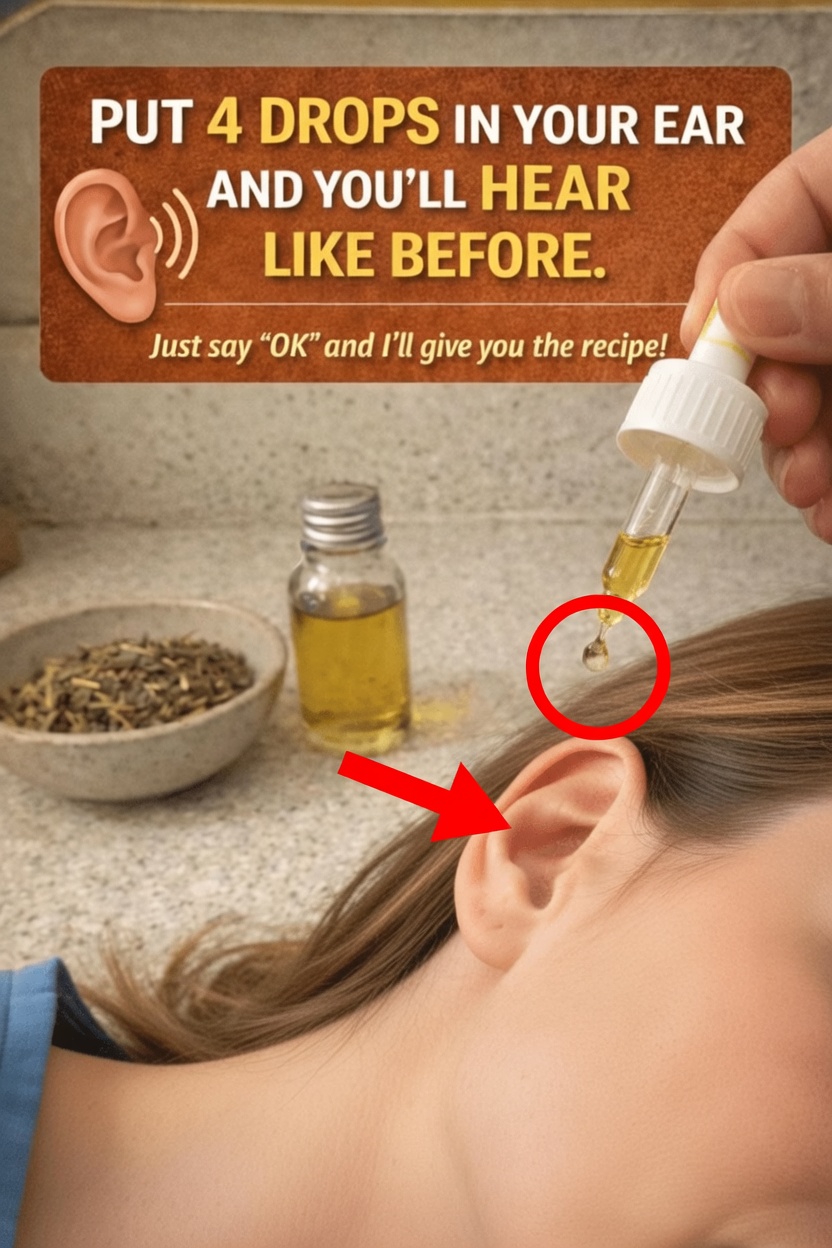
There is more to natural ear care than wax softening alone. Many people also look to traditional herbal ingredients known for their calming and comforting qualities.
Herbal Ingredients Commonly Used for Ear Comfort
Two herbs often mentioned in natural ear care are garlic and mullein, usually infused in a carrier oil such as olive oil.
- Garlic (Allium sativum): Garlic contains naturally occurring compounds like allicin, which have been examined in laboratory research for possible antimicrobial activity against certain microorganisms. It has also been used traditionally to support ear comfort.
- Mullein (Verbascum thapsus): In herbal traditions, mullein is appreciated for its soothing and anti-inflammatory properties. Some research on herbal combinations indicates that mullein may help ease discomfort related to ear issues.
- Olive oil: Olive oil works as a mild carrier and can help soften wax in the ear canal. This is similar to guidance from reputable health sources that recommend oils to support the natural removal of excess wax.
These ingredients are often found in ready-made herbal ear oils and have been used in folk wellness practices for generations.
People are drawn to these remedies because they offer a gentle, at-home approach that feels comforting and fits well with natural health routines.
How to Make a Simple Herbal Ear Oil at Home
Preparing a small batch of herbal ear oil is relatively easy and requires only a few basic ingredients. This method reflects the kind of infusion commonly described in herbal wellness resources.
Ingredients
- 1/4 cup extra virgin olive oil
- 1 to 2 fresh garlic cloves, peeled and lightly crushed
- 1 to 2 tablespoons dried mullein flowers, or a small handful
Instructions
- Add the crushed garlic and dried mullein flowers to a clean glass jar.
- Pour the olive oil over the herbs until everything is fully submerged.
- Close the jar tightly and place it in a warm area, such as near a sunny window or in a lightly warmed double boiler. Avoid strong direct heat, which may reduce the quality of the infusion.
- Let the mixture infuse for 4 to 7 days, shaking the jar gently once a day.
- When ready, strain the oil through cheesecloth into a clean dropper bottle and discard the plant material.
- Store the finished oil in a cool, dark place. If made carefully and kept clean, it may last for several months.
Always test a small amount on your skin first to make sure you do not react to the ingredients.
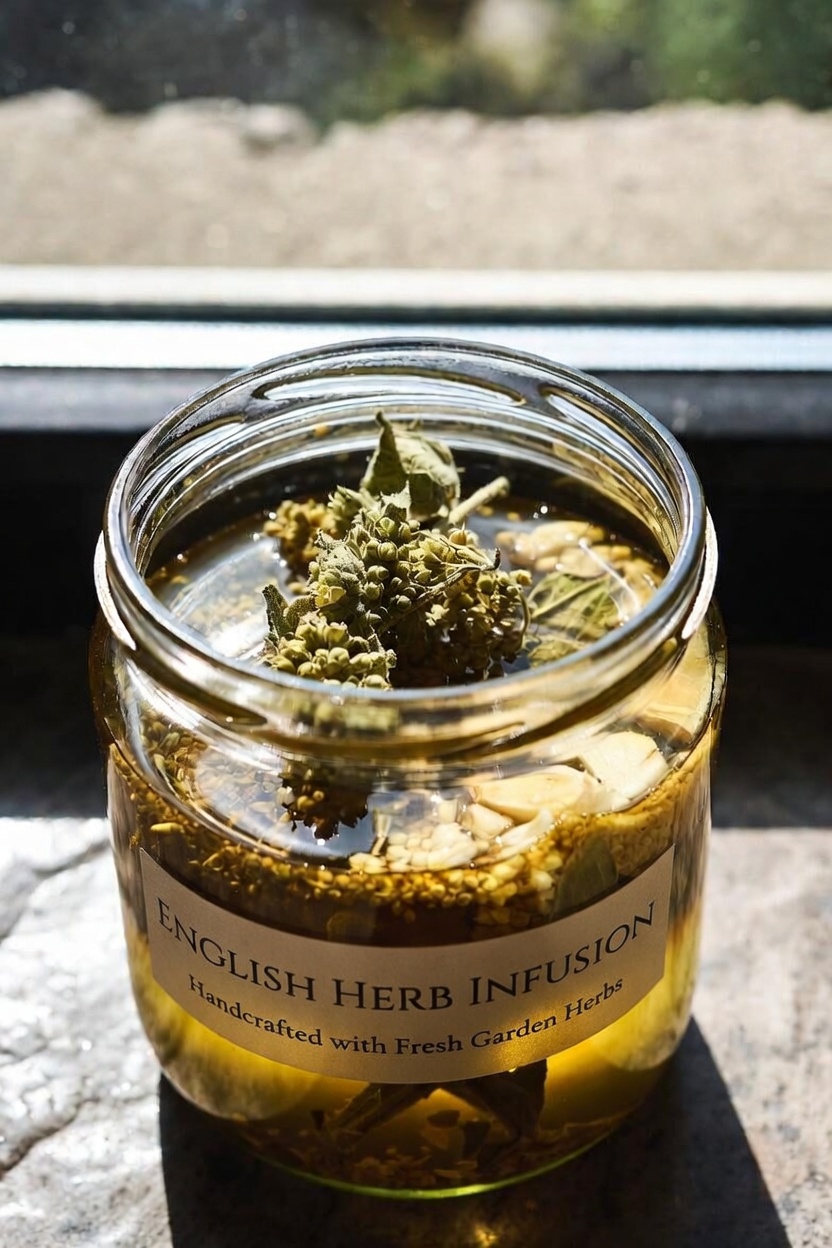
This creates a mild herbal oil that many people use as part of a supportive ear care routine.
How to Use Herbal Ear Oil Safely
If you want to try herbal ear oil for general comfort, follow these steps carefully:
- Warm the oil slightly until it reaches body temperature. Test it on your wrist first and never use it hot.
- Lie on your side with the ear you want to treat facing upward.
- Using a clean dropper, place 2 to 4 drops into the ear canal.
- Remain in that position for 5 to 10 minutes so the oil can settle.
- Gently massage the outside of the ear area.
- Tilt your head to let any excess oil drain out, then wipe away residue with a soft cloth.
This can be done once or twice a day for a few days. Stop immediately if irritation, discomfort, or any unusual reaction occurs. It is not meant for serious or deep ear problems.
Many people find this process both soothing and relaxing while supporting a sense of ear clarity.
Important Safety Notes and When to Get Medical Help
Natural remedies can be helpful, but they are not risk-free. Keep these precautions in mind:
- Do not use ear oil if you think you may have a perforated eardrum, have had recent ear surgery, or notice active drainage from the ear.
- Do not use on children unless a pediatrician has approved it.
- Patch test first, since garlic may irritate the skin in some individuals.
- Do not rely on home remedies alone if symptoms continue or worsen.
Medical professionals recommend seeing a healthcare provider if you have ongoing muffled hearing, pain, sudden hearing changes, or any symptoms that do not improve. These signs may point to an underlying problem that needs proper evaluation.
Benefits of Supporting Ear Health Naturally
Adding gentle ear care habits to your routine may improve everyday comfort in several ways:
- Helps support the ear’s natural wax management for clearer hearing
- Encourages relaxation during use, which may reduce stress
- Uses simple, plant-based ingredients that many people already trust
- Works well alongside healthy habits, such as avoiding deep use of cotton swabs in the ear canal
Research into herbal wellness approaches suggests they may offer soothing effects, although results can vary from person to person.
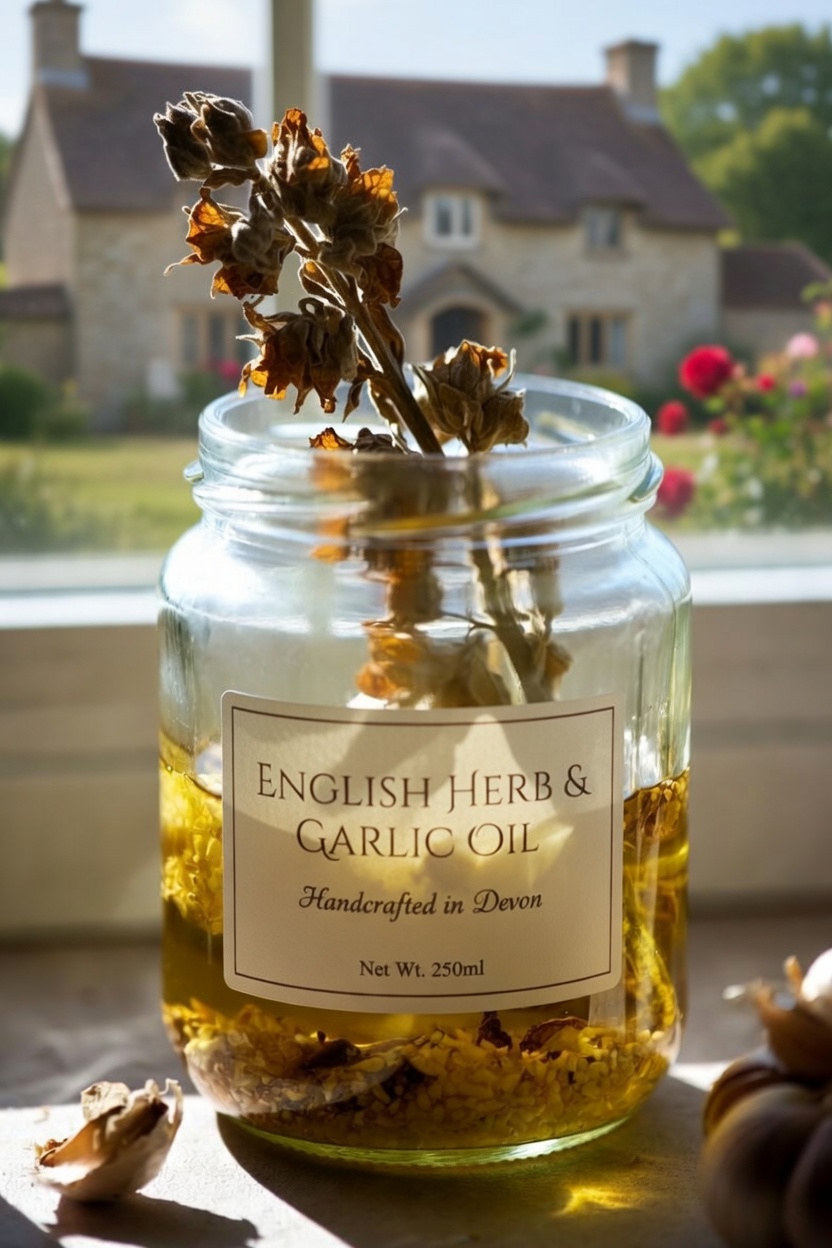
Extra Tips for Daily Ear Care
For better long-term ear comfort and clearer hearing, consider these practical habits:
- Drink enough water to support healthy mucous membranes
- Address allergies or sinus congestion, since both can affect the ears
- Wear hearing protection in loud environments
- Try gentle jaw movement or yawning to help balance pressure
- Visit an audiologist or ENT specialist regularly if wax buildup keeps returning
Small steps like these can make a meaningful difference over time.
Conclusion: A Gentle Approach to Ear Wellness
Using a simple herbal oil infusion as part of your self-care routine can be a calming way to support ear comfort when done carefully. By gently softening wax buildup and drawing on traditional herbal ingredients, many people report better day-to-day comfort and improved sound clarity. The purpose is not to deliver dramatic results, but to provide thoughtful, supportive care.
Always pay attention to how your body responds, and seek professional advice whenever symptoms persist or feel concerning.
FAQ
What can cause muffled hearing in one or both ears?
Muffled hearing is often linked to excess earwax, congestion from a cold, or changes in pressure. In many cases, softening the buildup gently may help the ear clear itself naturally.
How often should homemade ear oil be used?
It is generally best to use it once or twice a day for up to one week. If you notice no improvement or develop irritation, stop using it and consult a doctor.
Is it risky to put oil in the ear?
Yes, there can be risks, including irritation, allergic reactions, or complications if the eardrum is damaged. Always test first and avoid using ear oil if you are unsure about the condition of your ears.