Tiny Red Bites in the Backyard? How to Make Outdoor Spaces Less Attractive to Bed Bugs
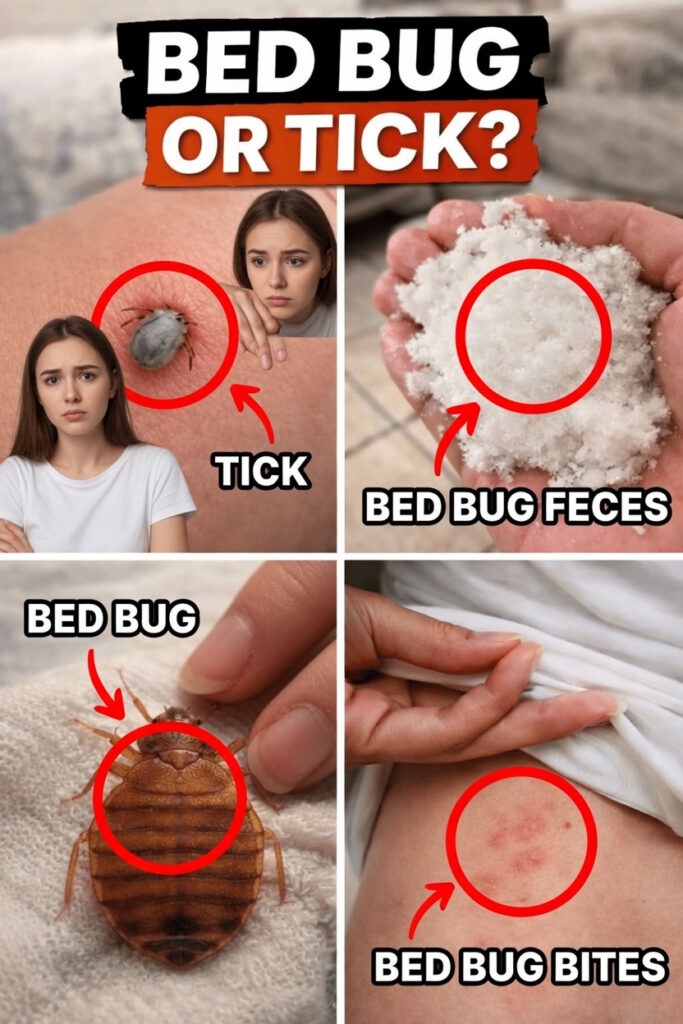
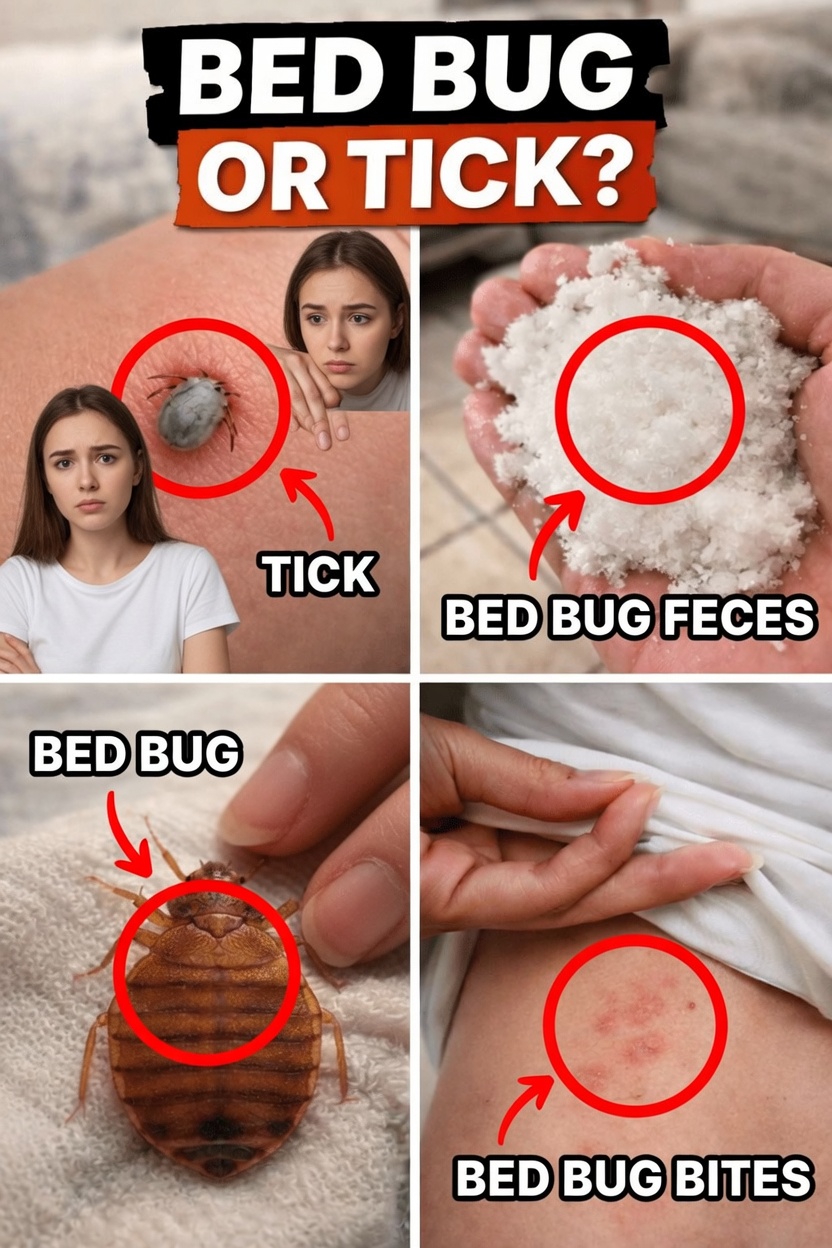
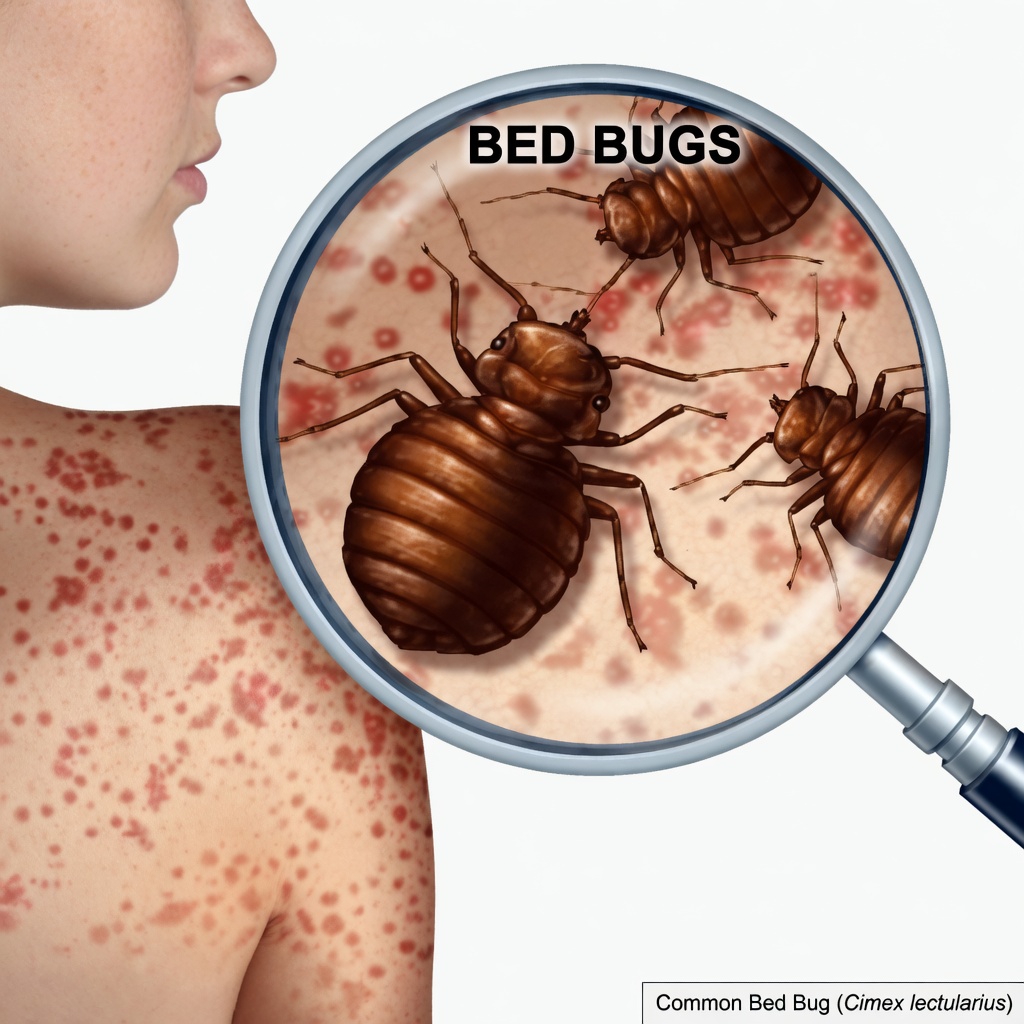
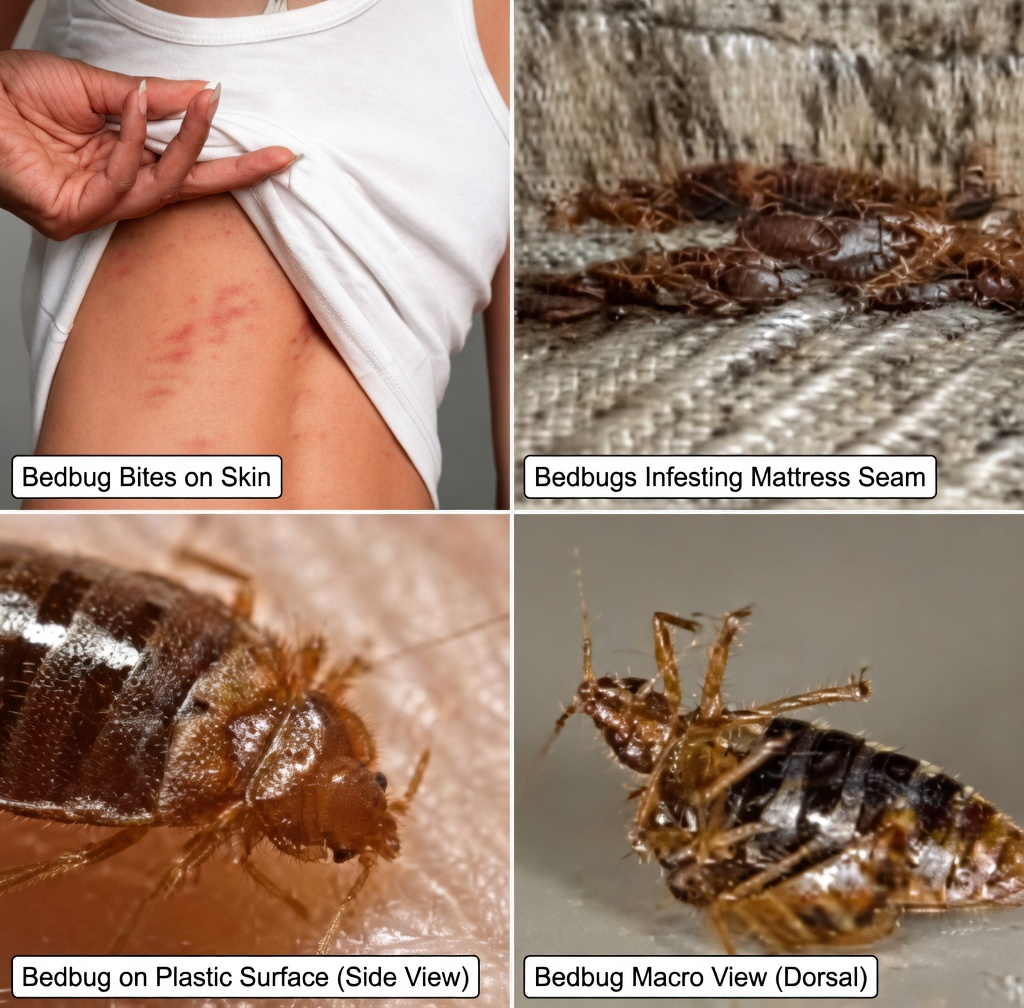
It is incredibly annoying to spot tiny red bites on your arms or legs after relaxing outside. It gets even worse when you notice small brown insects moving across patio chairs or hiding inside garden cushions. What should be a peaceful evening in the yard can quickly become uncomfortable.
These pests often seem more noticeable in warm weather, exactly when people spend more time on decks, patios, and in the garden. Fortunately, a handful of simple habits can make your outdoor areas much less appealing to them.
Below, you’ll learn practical methods already used by many homeowners, along with one easy garden-based trick that is often overlooked. Be sure to read through to the end for the detail many people miss.
Why Bed Bugs Can Show Up in Yards and Gardens
Bed bugs are mainly indoor pests that spread by hitchhiking, but under favorable conditions they may survive outdoors for a while and move through exterior spaces. Unlike ants or fleas, they do not build colonies in soil or reproduce in the ground. Instead, they are usually carried outside on people, pets, second-hand patio furniture, or belongings stored in garages and sheds.
Outdoor areas with warmth and humidity can create temporary shelter for them. Thick plant growth, piles of leaves, bird feeding areas, and padded furniture may all provide protected hiding spots during the day. From there, they can wait until a person passes nearby, especially around dawn or dusk.
Understanding how they behave is the first step to making your yard less inviting without relying on costly treatments or harsh chemicals.
Daily Habits That Help Reduce Outdoor Bed Bug Activity
Small, repeated actions often have the biggest impact. If you want a realistic place to start, these routines are practical and easy to adopt.
Clear Clutter Near Seating Areas
Stacks of cushions, folded tarps, unused planters, and decorative items can create countless hiding places. A quick cleanup once a week can remove many of the protected spaces bed bugs prefer.
Wash Removable Covers With Heat
If your outdoor cushion covers, throws, or fabric accessories are washable, clean them regularly and dry them on high heat. A hot dryer cycle of about 60 minutes is one of the most effective non-chemical ways to kill bed bugs.
Check Used Furniture Before Bringing It Home
Buying second-hand patio furniture can save money, but it also comes with risk. Use a flashlight to inspect seams, folds, undersides, and tufted areas before bringing anything into your yard or home.
Keep Mulch and Grass Away From the House
Maintaining a bare strip of about 30 to 45 cm, or 12 to 18 inches, around your home’s foundation helps reduce easy movement between outdoor spaces and indoor entry points.
These habits are highly useful, but they are only part of the solution. One plant-based method can also make a noticeable difference in problem areas.
The Simple Garden Trick Many Homeowners Overlook
One surprisingly effective approach involves dried aromatic herbs. Strongly scented herbs can make certain outdoor zones feel less hospitable to crawling insects. Among the most popular combinations are two familiar kitchen staples: lavender and rosemary.
Many people report good results by using them in dried sachets around patios, decks, and garden borders.
How to Create a Dried Herb Barrier
This method is simple, affordable, and easy to maintain.
- Gather fresh lavender and rosemary, either harvested from the garden or purchased.
- Tie the herbs into small bundles, using about 8 to 10 stems per bundle.
- Hang them upside down in a shaded, dry, and well-ventilated area such as a porch, covered patio, or garage.
- Let them dry for 7 to 14 days, until the herbs feel crisp.
- Crush a small handful of each dried herb and mix them together.
- Fill breathable sachets made of cotton or muslin with the crushed herbs. Clean socks tied at the top can work as well.
- Place 4 to 6 sachets in useful locations, such as:
- Under outdoor chair cushions
- Inside empty planters near sitting areas
- Along fence edges
- At the base of dense shrubs
- Replace or refresh the sachets every 4 to 6 weeks, or sooner after heavy rain.
The slowly released aromatic compounds from dried herbs can make those spaces less comfortable for many crawling pests. While no scent-based method guarantees complete protection, this easy habit often helps lower visible activity around seating areas within a few weeks during the warmer months.
Popular Outdoor Scent Options Compared
Many people experiment with several herb choices before deciding what works best for their yard.
| Scent Option | Strength | Outdoor Duration | Easy to Find | Notes |
|---|---|---|---|---|
| Dried Lavender | Medium to strong | 4 to 6 weeks | Very easy | Pleasant scent for most people |
| Dried Rosemary | Strong | 4 to 6 weeks | Very easy | Woody and highly aromatic |
| Dried Peppermint | Very strong | 3 to 5 weeks | Easy | Can feel too intense at close range |
| Dried Sage | Medium | Around 4 weeks | Easy | Earthy fragrance |
| Commercial Repellents | Varies | 1 to 4 weeks | Convenient | May include synthetic ingredients |
Lavender and rosemary are a popular starting point because they are inexpensive, widely available, and usually smell pleasant to people. They are also easy to grow in sunny gardens, making future batches simple to prepare at home.
Extra Ways to Improve Your Outdoor Protection
Using multiple strategies together usually works better than depending on just one. You can strengthen your results with these additional steps:
- Vacuum seams, folds, and cracks in outdoor furniture once a month.
- Empty the vacuum canister outdoors immediately after cleaning.
- Cut back overgrown shrubs and climbing plants that touch furniture or walls.
- Store seasonal items in tightly sealed plastic bins instead of cardboard boxes.
- Maintain a bird-friendly yard, since birds and some spiders help reduce populations of small crawling insects.
What Research Suggests About Natural Repellents
University extension programs and entomology researchers have examined plant oils and dried herbs as part of integrated pest management. Although much of the available research has focused on indoor conditions or controlled testing, reports continue to suggest that strong aromatic compounds may interfere with bed bug host-seeking behavior and make treated areas less appealing.
Natural methods alone may not remove every pest. However, combining several layers of defense, such as heat treatment, regular cleaning, fewer hiding places, and herbal barriers, offers a more practical and balanced approach.
Quick 5-Minute Action Plan
If you want an easy starting point for this weekend, begin here:
- Remove clutter around patio and seating zones.
- Wash and heat-dry removable outdoor fabric covers.
- Dry a few bundles of lavender and rosemary.
- Make your first sachets and place them in key areas.
- Recheck the space in two weeks and adjust if needed.
Simple habits done consistently often bring the best long-term relief.
Frequently Asked Questions
Can bed bugs live in mulch or garden soil?
No. Bed bugs do not normally live or reproduce in soil. They prefer dry, sheltered cracks and crevices. Mulch and leaf litter may only act as temporary cover, especially if cushions or furniture are placed directly nearby.
How long do dried herb sachets remain effective outdoors?
Most people notice the scent remains useful for about 4 to 6 weeks. Rain and weather exposure can shorten that time, so replacing sachets after storms is a smart idea.
Do I have to grow the herbs myself?
No. You can use store-bought dried culinary herbs with no problem. They are convenient and save time. Freshly harvested and home-dried herbs may have a stronger aroma, but either option can work well.