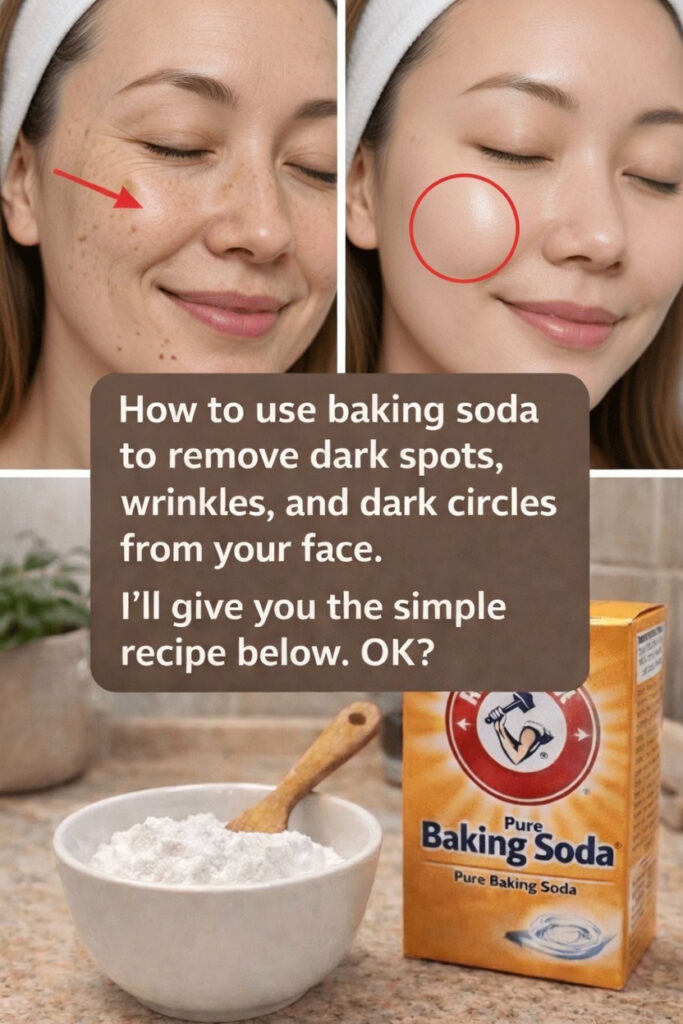
Baking Soda for Skin: Can It Really Brighten, Smooth, or Fade Dark Spots?
Baking soda is a popular ingredient in DIY skincare because it is cheap, easy to find, and slightly gritty, which helps remove dead skin cells from the surface. Many people claim that after using it, their skin feels softer, looks smoother, and appears a bit more even-toned for a short time.
There is some support for its exfoliating effect in limited situations. Research suggests baking soda can work as a mild physical exfoliant in certain applications, including baths used to calm skin issues such as eczema or psoriasis by helping loosen and remove flaky buildup. However, when it comes to facial concerns like hyperpigmentation, fine lines, or dark under-eye circles, solid scientific evidence is minimal. Most claims in these areas are based on personal experience rather than strong clinical studies.
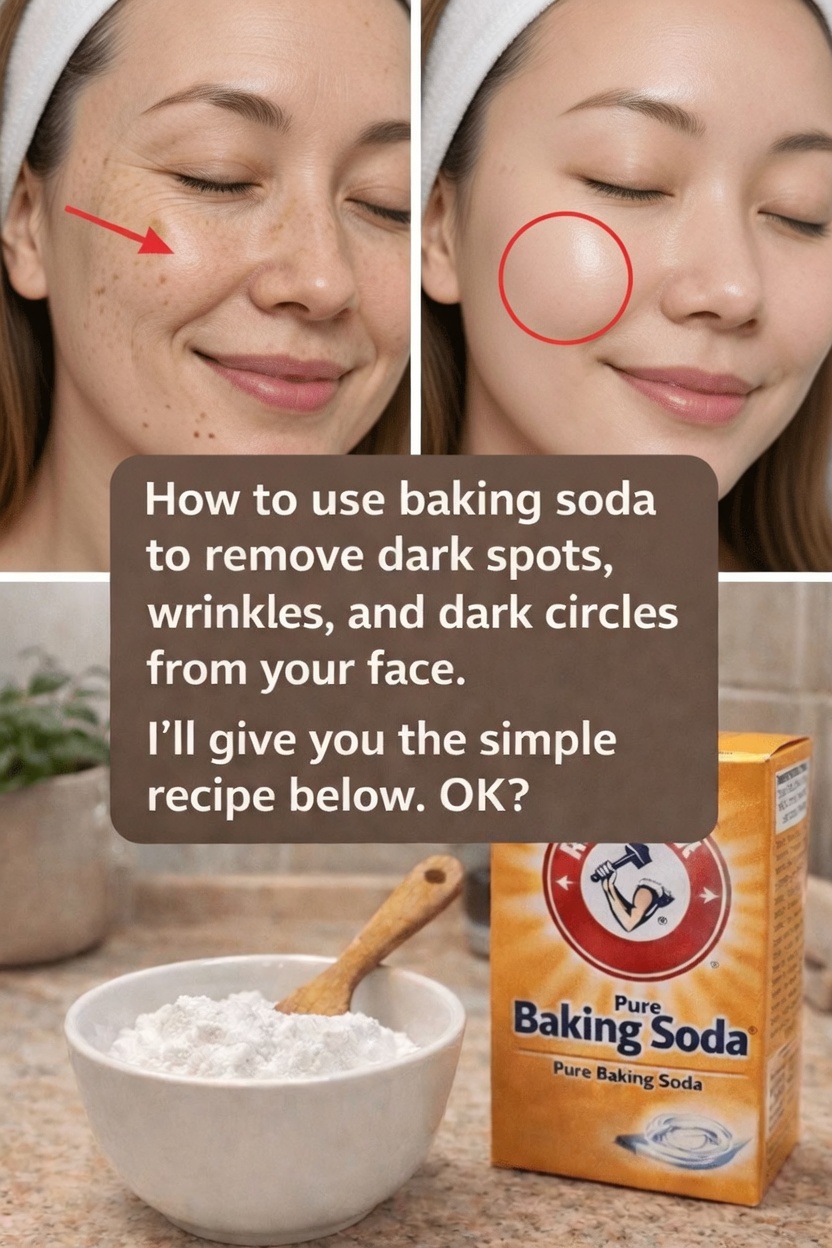
Dermatologists commonly explain that exfoliation can temporarily improve dull-looking skin by clearing away surface debris and dead cells. That may create a brighter appearance, but it does not meaningfully treat deeper pigmentation or structural skin changes such as wrinkles.
At the same time, there is an important downside. Healthy skin naturally maintains a slightly acidic pH, usually around 4.5 to 5.5, which helps preserve moisture and defend against irritation. Baking soda is alkaline, with a pH of about 9. Because of this, using it too often or in a concentrated form may disturb the skin barrier and lead to dryness, redness, or increased sensitivity.
Possible Benefits of Baking Soda on Skin
If baking soda is used carefully, in small amounts, and properly diluted, its exfoliating effect may help reveal newer-looking skin by lifting away dead surface cells. As a result, the skin may seem temporarily fresher and more radiant, much like it would after using any mild scrub.
General research on exfoliation shows that gentle removal of dead skin buildup can improve skin texture and may help moisturizers or serums absorb more effectively. For concerns such as uneven tone or dark spots, exfoliation can support a more luminous look, but it tends to work best when combined with ingredients that are better studied, such as vitamin C or niacinamide.
For wrinkles and dark circles, though, baking soda is not considered a proven solution. Wrinkles are linked to collagen loss and deeper structural changes in the skin, while dark circles are often caused by thinning skin, visible blood vessels, puffiness, or shadowing. Surface exfoliation does not address those underlying causes.
Some commonly mentioned potential benefits include:
- Temporary brightening from removing surface buildup
- Reduced shine due to mild oil control
- Limited antibacterial effects in certain uses, though this is not strongly proven for acne or facial spots
The most important point is to avoid overuse. More is not better, and excessive application can quickly irritate the skin.
Risks and Dermatologist Concerns
Many dermatologists recommend being very cautious with baking soda on the face. Because it is highly alkaline, it can weaken the skin’s acid mantle, which plays a major role in barrier protection. Once that barrier is disrupted, several problems may follow:
- Dryness and a tight, uncomfortable feeling
- Redness, stinging, or visible irritation
- Weakened barrier function, which can make skin more reactive or breakout-prone
- In some cases, worsening of hyperpigmentation due to inflammation
Skincare experts and dermatology sources often point out that there is very little scientific support for using baking soda as a facial treatment. For people with dry or sensitive skin, it may do more harm than good. Extra caution is also important for individuals with deeper skin tones, since irritation can sometimes trigger post-inflammatory hyperpigmentation.
Before trying it, always perform a patch test on a small area such as the inner arm. If you notice burning, redness, itching, or discomfort, stop using it right away.
Better Alternatives for Brighter and Smoother Skin
Rather than depending on a DIY scrub alone, it is often smarter to choose skincare options backed by stronger evidence. Professionals commonly recommend the following:
- Gentle chemical exfoliants: Low-strength lactic acid, glycolic acid, or enzyme exfoliants can smooth the skin while being less disruptive to the barrier when properly formulated.
- Tone-evening ingredients: Vitamin C, niacinamide, and licorice root extract are often used to support a brighter and more even complexion over time.
- Moisture and daily sunscreen: A reliable moisturizer and broad-spectrum SPF 30+ are essential because sun exposure can deepen dark spots and speed up visible aging.
- Targeted eye care: Products with caffeine or hyaluronic acid may help improve hydration and reduce puffiness in the under-eye area.
A steady routine built around these products usually delivers safer and more lasting results.
If You Still Want to Try Baking Soda
If you are curious about baking soda and your skin handles exfoliation well, some people use it in a very cautious way. Still, it should not be seen as a dermatologist-preferred primary skincare method.
A careful approach may look like this:
- Mix a small amount only: Combine 1/2 teaspoon of baking soda with enough water or gentle cleanser to create a thin paste.
- Apply lightly: Massage it onto the skin with your fingertips using small circular motions for no longer than 20 to 30 seconds.
- Avoid the eye area completely: Never apply it near under-eye skin.
- Rinse well: Use lukewarm water, then gently pat the skin dry.
- Moisturize immediately: Follow with a calming, hydrating moisturizer.
- Keep usage minimal: Use it no more than once or twice weekly, and only if your skin shows no signs of irritation.
The under-eye area deserves special caution. That skin is thinner, more delicate, and more vulnerable to damage, so baking soda should never be used there.
Baking Soda vs Other Exfoliating Options
Here is a simple comparison of common choices:
-
Baking soda scrub
- Low cost
- Physically exfoliating
- Alkaline and potentially abrasive
- Higher risk of irritation
-
Chemical exfoliants like AHA/BHA
- Often available in pH-balanced formulas
- More effective for texture and clogged pores
- Usually gentler when used correctly
-
Physical scrubs with jojoba beads
- Smoother, milder particles
- Less likely to disturb skin pH
- Better suited for those who prefer manual exfoliation
The right option depends on your skin type, sensitivity level, and specific skincare goals.
Final Thoughts: Gentle, Consistent Care Works Best
Simple ingredients like baking soda can seem appealing when you want a quick skincare fix. But healthy, glowing skin usually comes from consistency rather than shortcuts. Protecting the skin barrier, using well-supported ingredients, staying hydrated, and wearing sunscreen every day are far more important for long-term results.
Exfoliation can help, but it should be just one part of a balanced routine. When paired with moisturizer, sun protection, and targeted active ingredients, gentle exfoliation can support a smoother and more radiant complexion without unnecessary risk.
Frequently Asked Questions
Can baking soda help reduce dark spots or fine lines?
There is very limited evidence that it can make a significant difference. It may briefly smooth the surface and make skin look brighter, but concerns like dark spots and fine lines usually respond better to proven ingredients such as retinoids, antioxidants, and pigment-correcting serums.
Is baking soda safe for dark circles under the eyes?
No. It should not be used under the eyes. That area is too delicate, and irritation may make dark circles, swelling, or discomfort worse.
How often should you exfoliate your face?
For most people, exfoliating 1 to 3 times a week is enough, depending on skin type and the method used. Pay attention to how your skin reacts, and cut back if you notice dryness, redness, or sensitivity.