
7 Everyday Foods That May Help Support Muscle Strength After 70
Getting older can come with physical changes that many people do not openly discuss. You may notice your legs feeling unsteady while walking through a store, or find yourself short of breath after climbing only a few stairs. For many adults over 70, declining muscle strength develops gradually and often goes unnoticed until daily tasks start to feel harder.
The encouraging news is that nutrition can play a supportive role. When paired with regular movement and healthy daily habits, certain common foods may help maintain muscle health, energy, and mobility. Even more surprising, one of the most helpful options may already be in your fridge.

1. Greek Yogurt: A Protein-Packed Choice for Aging Muscles
As the body ages, it naturally begins to lose muscle tissue. This age-related decline, often referred to as sarcopenia, can affect strength, balance, and independence. Nutrition research shows that getting enough protein is especially important for preserving muscle as we grow older.
Greek yogurt is an easy and practical food to include in the diet.
Compared with regular yogurt, it usually contains more protein and provides essential amino acids that help muscles stay strong.
Benefits of Greek yogurt include:
- High-quality protein that helps support muscle maintenance
- Calcium that contributes to bone health
- Probiotics that may promote healthy digestion
Another advantage is its texture. Greek yogurt is soft, convenient, and easy to eat, which makes it especially helpful for older adults who have trouble chewing tougher protein foods.
A simple idea many health professionals suggest is adding a small bowl of Greek yogurt at breakfast or enjoying it as an afternoon snack.
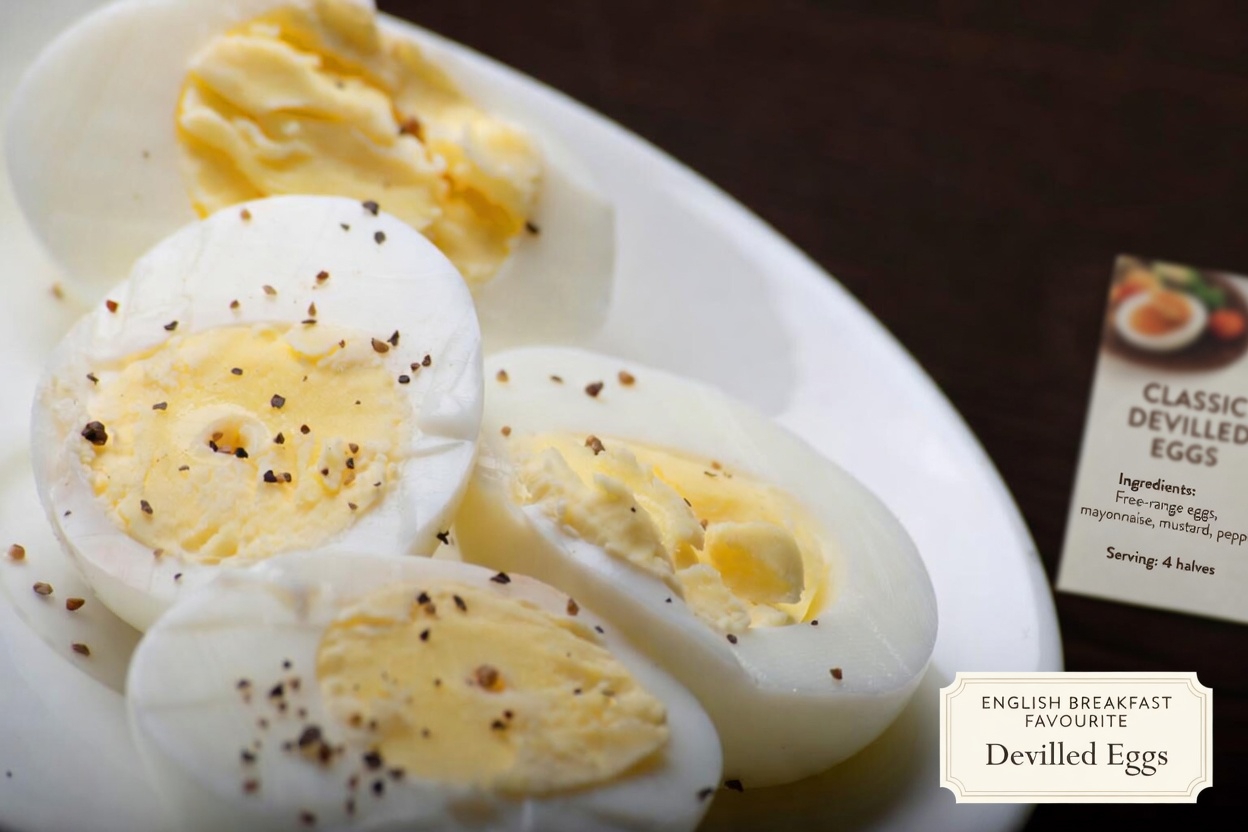
2. Eggs: One of the Most Complete Foods for Muscle Support
Eggs have earned a strong reputation as one of the most nutritious everyday foods available. That reputation is well deserved.
They provide high-quality protein along with important nutrients such as vitamin B12 and vitamin D, both of which contribute to healthy muscle and nerve function.
Studies on aging and nutrition suggest that distributing protein intake across the day may be especially helpful for older adults. Eggs make that easy because they are affordable, versatile, and simple to prepare.
You can enjoy eggs in many forms:
- Scrambled with vegetables
- Boiled as a quick snack
- Mixed into soups or rice dishes
Just two eggs deliver around 12 grams of protein, making them a convenient option for supporting muscle health throughout the day.
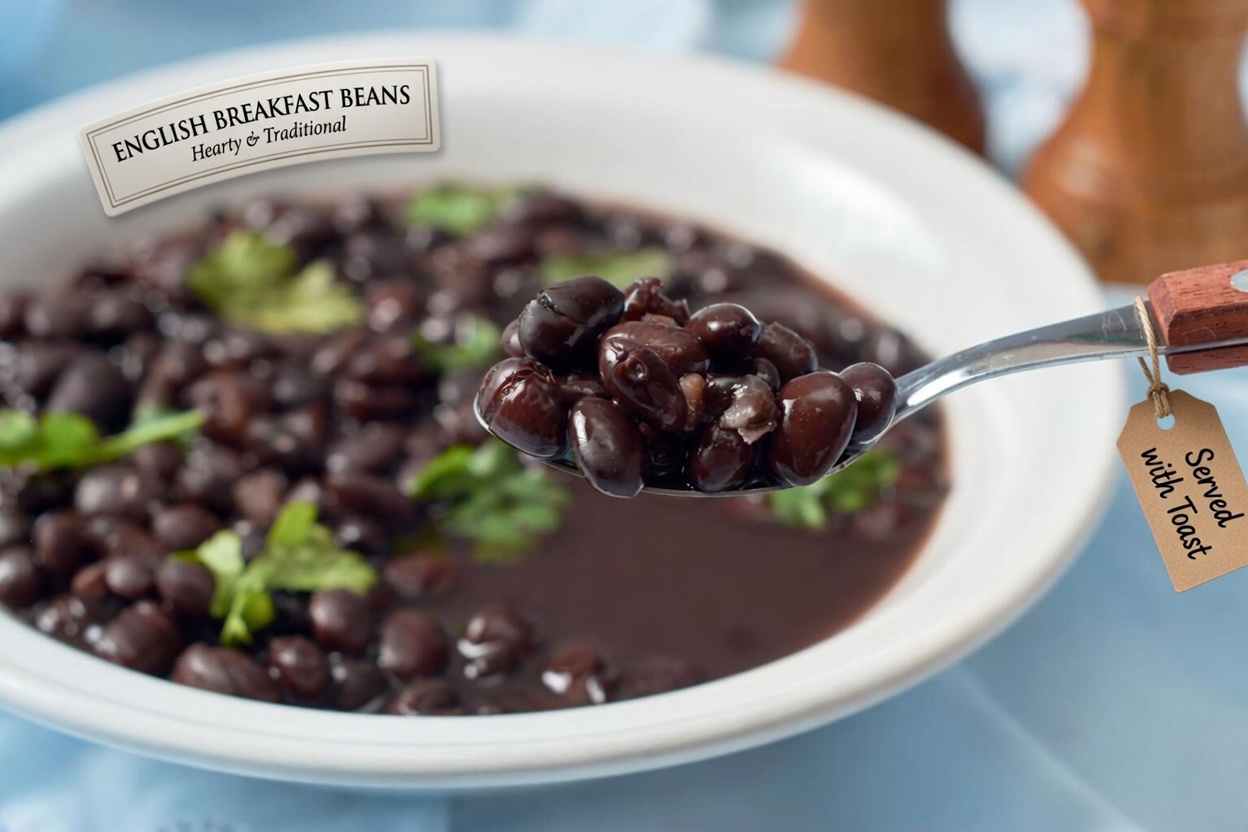
3. Beans: A Traditional Staple That Helps Sustain Strength
For many people, especially those raised with traditional Mexican meals, beans have long been a daily essential. That familiar habit may also be beneficial for healthy aging.
Beans offer plant-based protein along with fiber, magnesium, and potassium. These nutrients support multiple systems in the body, including muscle function and energy production.
Some excellent choices are:
- Black beans
- Pinto beans
- Lentils
Beans also digest slowly, which helps provide more stable energy over time. For older adults, that steady energy may make everyday activities such as walking, gardening, or housework feel more manageable.
Including beans regularly in meals is a simple way to combine tradition, nutrition, and practicality.

4. Salmon: Omega-3 Nutrition for Mobility and Muscle Function
Fatty fish such as salmon are well known for their omega-3 fatty acids. These healthy fats have been studied for their possible role in supporting muscle function and helping reduce inflammation associated with aging.
Some nutrition research suggests that omega-3s may support muscle protein synthesis in older adults. In simple terms, this means they may help the body use dietary protein more effectively.
Salmon also provides:
- Vitamin D
- High-quality protein
- Selenium for overall cellular health
Eating salmon once or twice a week can be a smart addition to a balanced eating pattern. And if fresh fish is not always available, canned salmon can also be a practical and nutritious option.
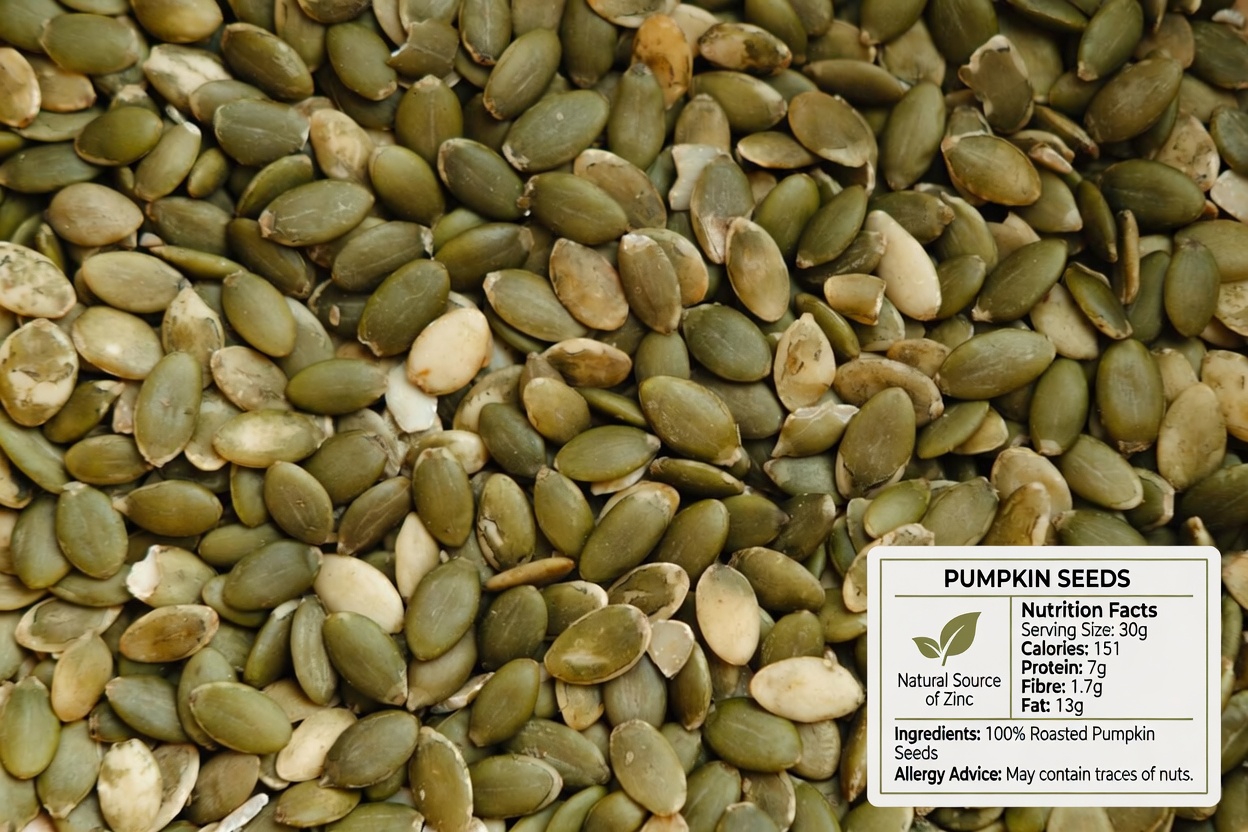
5. Pumpkin Seeds: Small Seeds With Big Nutritional Value
Pumpkin seeds, also known as pepitas, are often overlooked despite being packed with important nutrients.
These small seeds contain magnesium, zinc, and plant protein, all of which can support healthy muscle function. Magnesium is especially important because it plays a role in both muscle contraction and nerve signaling. When intake is too low, muscles may feel weaker or tire more easily.
A small handful of pumpkin seeds can be an easy way to boost nutrient intake.
They can be added to:
- Salads
- Yogurt
- Oatmeal
This is one of those simple daily habits that can fit into almost any routine without much effort.
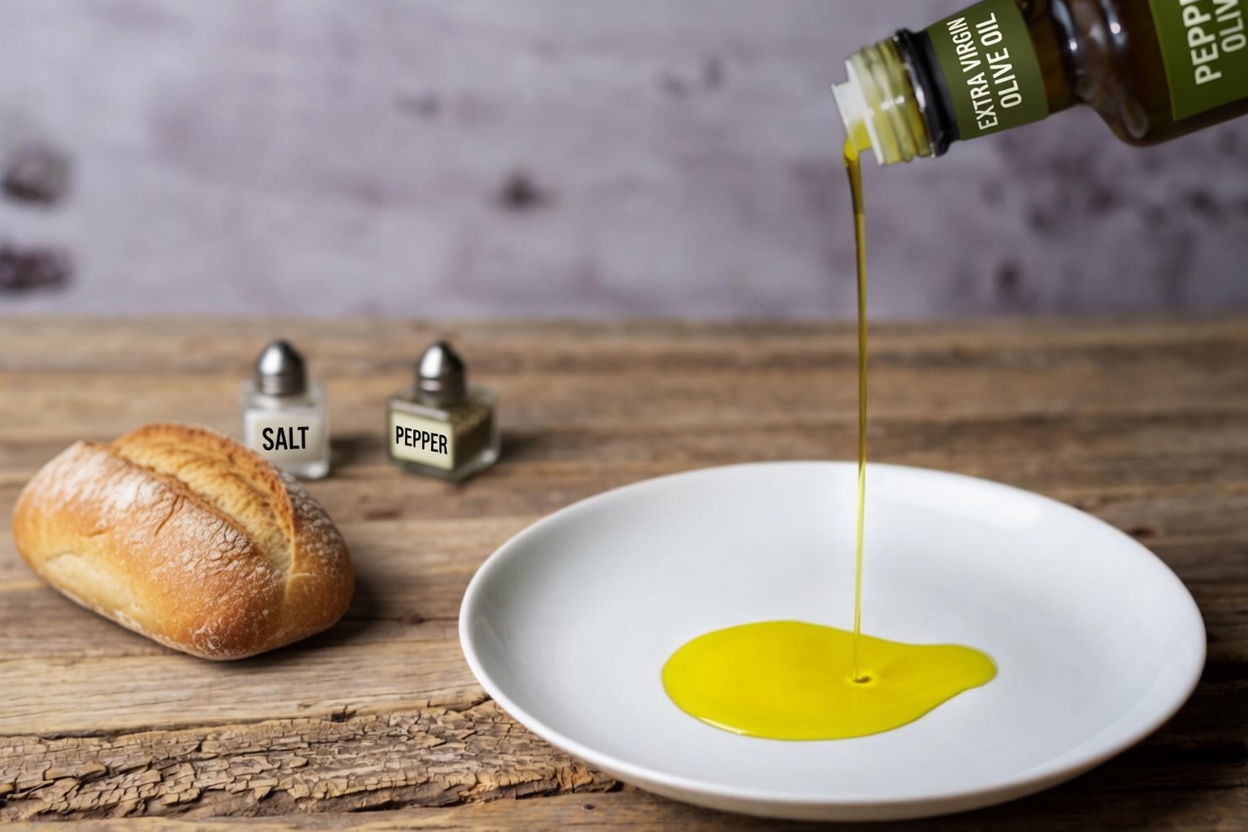
6. Olive Oil: A Healthy Fat for Active Aging
When it comes to fats, quality matters. Extra virgin olive oil is a central part of the Mediterranean diet, an eating pattern often linked with healthy aging.
Olive oil contains antioxidants and natural anti-inflammatory compounds that may help protect cells and support metabolic wellness. Although it is not a source of protein, it works well alongside muscle-supporting foods by helping the body absorb certain fat-soluble nutrients.
Easy ways to use olive oil include:
- Cooking vegetables
- Dressing salads
- Drizzling over beans or fish
Even a small amount each day can improve both the flavor and nutritional quality of meals.
7. Oats: A Simple Way to Fuel Muscles With Lasting Energy
Protein is important, but muscles also need fuel to function well. That is where oats can be helpful.
Oats provide complex carbohydrates, which release energy gradually instead of all at once. They also contain fiber, iron, and magnesium, making them a solid choice for older adults who want more steady energy during the day.
For activities like walking, light exercise, gardening, or household chores, that slow and lasting energy can make a real difference.
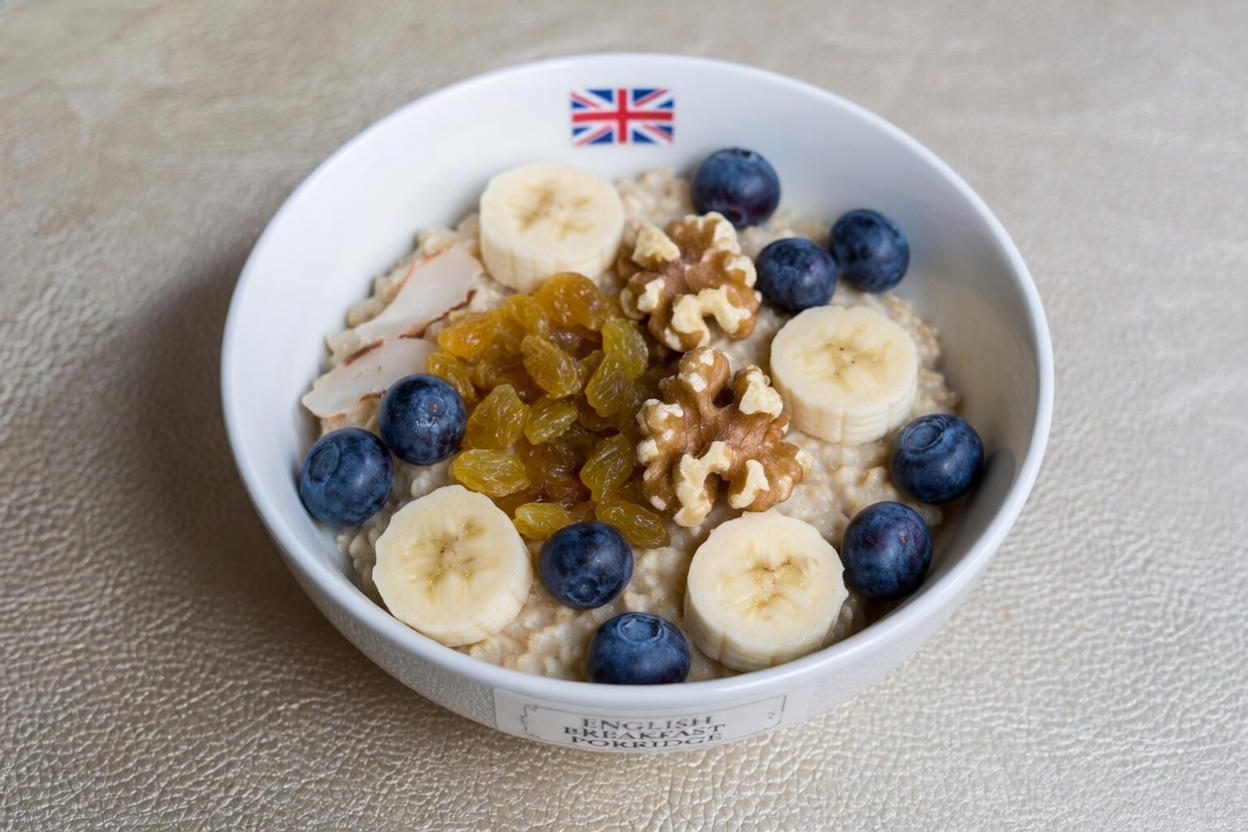
A balanced bowl of oatmeal might include:
- Oats
- Greek yogurt
- Pumpkin seeds
- Fresh fruit
This combination offers protein, healthy fats, fiber, and sustained energy in one easy meal.
Comparison Table: Foods That May Help Support Muscle Health
| Food | Main Nutrient | Potential Benefit for Active Aging |
|---|---|---|
| Greek yogurt | Protein | Helps preserve muscle tissue |
| Eggs | Complete protein | Supports muscle repair and maintenance |
| Beans | Plant protein and fiber | Provides nutrition and steady energy |
| Salmon | Omega-3 fats | Supports muscle metabolism |
| Pumpkin seeds | Magnesium and zinc | Aids nerve and muscle function |
| Olive oil | Healthy fats | Supports overall metabolic health |
| Oats | Complex carbohydrates | Provides long-lasting energy |
Simple Daily Habits That Can Help Support Strength
Food works best when it is part of a broader healthy lifestyle. Older adults may benefit from combining good nutrition with consistent daily habits such as:
- Including protein in every meal
- Drinking enough water throughout the day
- Walking regularly, even for short periods
- Doing light resistance exercise when possible
The most important thing to remember is that progress does not require perfection.
Small actions repeated every day often matter more than occasional big efforts. Over time, these habits may help support strength, movement, and independence.
Conclusion
Losing muscle strength with age is common, but that does not mean nothing can be done. Daily choices can play a meaningful role in supporting mobility and helping older adults stay active for longer.
Foods such as Greek yogurt, eggs, beans, salmon, pumpkin seeds, olive oil, and oats provide valuable nutrients that nourish muscles and help maintain energy.
There is no single miracle food.
Instead, the real benefit comes from combining balanced nutrition, regular physical activity, and steady healthy routines. In many cases, some of the most helpful tools for aging well are already in your kitchen.
Frequently Asked Questions
What foods may help older adults maintain muscle strength?
Foods rich in protein and other important nutrients may support muscle health. Good examples include eggs, yogurt, fish, beans, seeds, and whole grains as part of a balanced diet.
How much protein do older adults usually need?
Many nutrition experts believe older adults may benefit from a somewhat higher protein intake than younger people. However, exact needs can vary depending on overall health, activity level, and medical conditions.
Can diet alone preserve muscle strength after age 70?
Nutrition is important, but it is usually not enough by itself. Physical activity, including walking and light resistance exercise, also plays a major role in maintaining muscle function and mobility.
Medical Disclaimer
This article is intended for educational purposes only and should not be considered medical advice. Always speak with a qualified healthcare professional before making major changes to your diet or lifestyle, especially if you have existing health concerns.