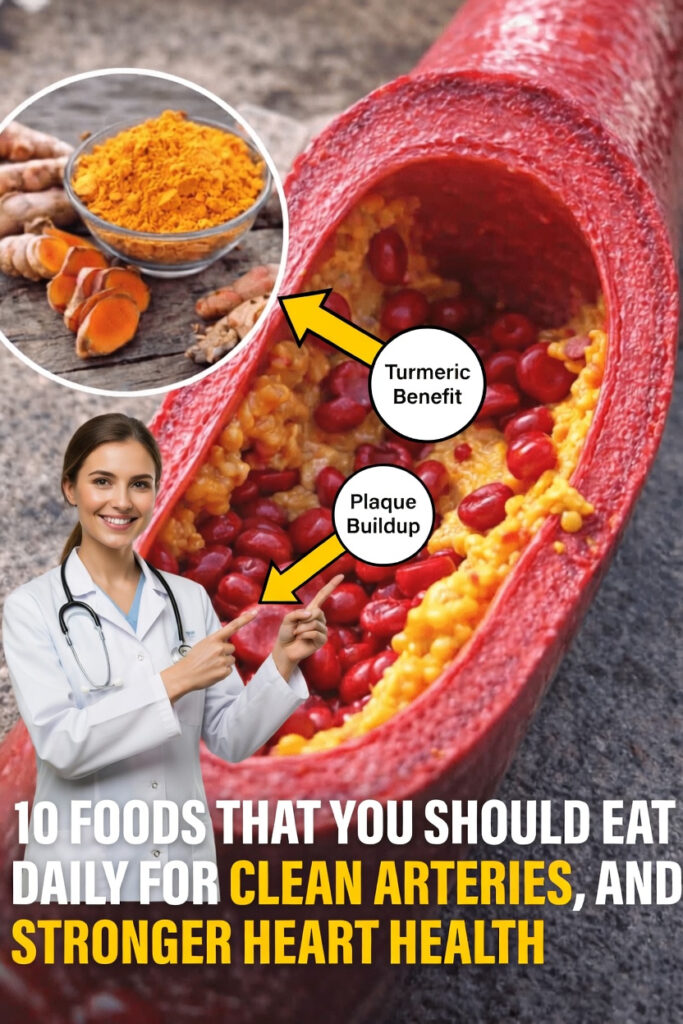
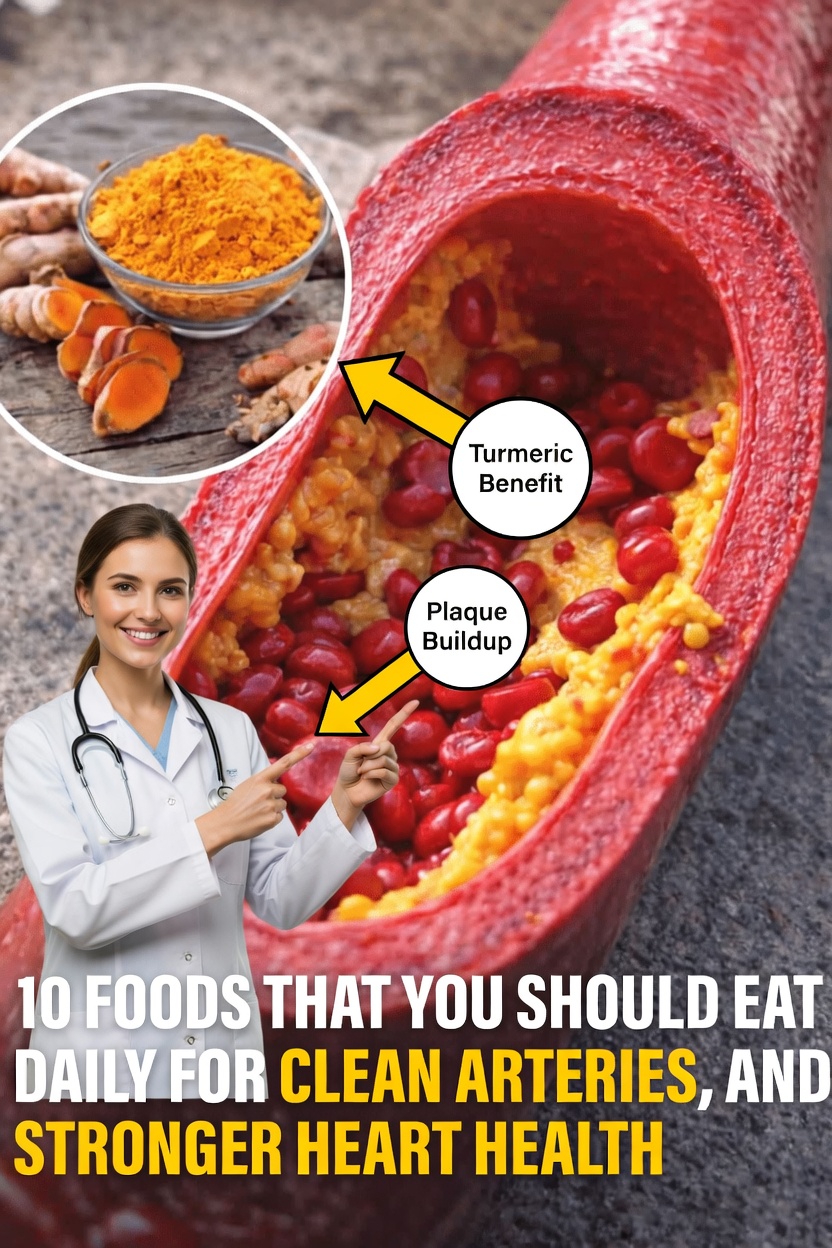
Heart-Healthy Foods Many People Overlook in Daily Life
In Mexico, heart issues are often noticed long before anyone reaches a hospital. Sometimes it starts with getting winded on the stairs. Other times, it happens during a routine visit when a doctor casually says cholesterol is “a bit elevated.” That moment can feel uncomfortable.
The reality is simple: years of fried foods, sugary beverages, and too little physical activity can gradually strain the arteries. What makes it more concerning is that many people do not realize anything is wrong until the body begins to send clear signals.
The encouraging news is that certain everyday foods may help support healthy circulation and normal heart function when they are included regularly in a balanced diet. And one of the simplest items on this list may be the most surprising.
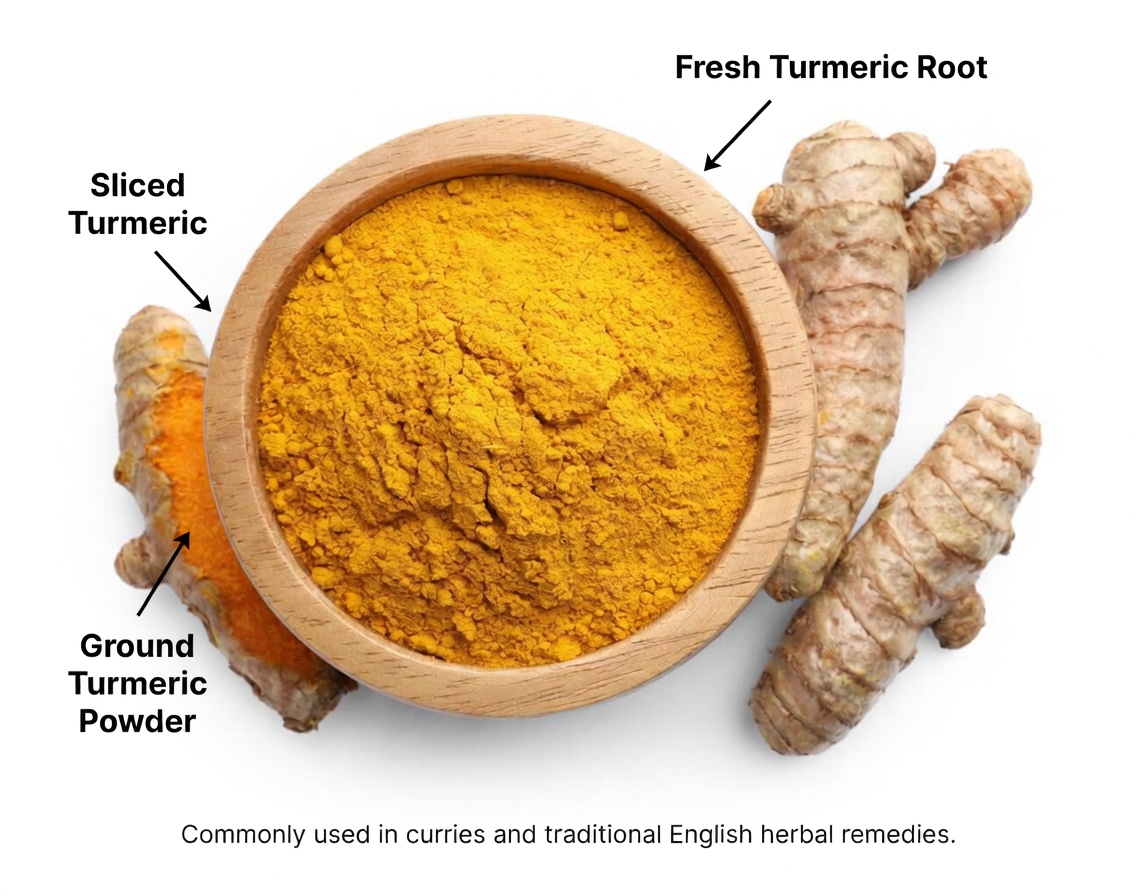
1. Turmeric
Turmeric has been part of traditional eating and herbal practices for generations. Today, nutrition science continues to examine how it may contribute to cardiovascular well-being.
Its bright golden color comes from curcumin, a natural compound known for antioxidant and anti-inflammatory properties. Research suggests these qualities may help support healthy blood vessels and circulation.
One detail many people miss is that turmeric is better absorbed when combined with black pepper and a healthy fat such as olive oil.
Easy ways to use turmeric every day
- Add about half a teaspoon to soups or broths
- Stir it into warm milk or plant-based milk before bed
- Dust a small amount over roasted vegetables
Small daily habits can create meaningful long-term benefits.
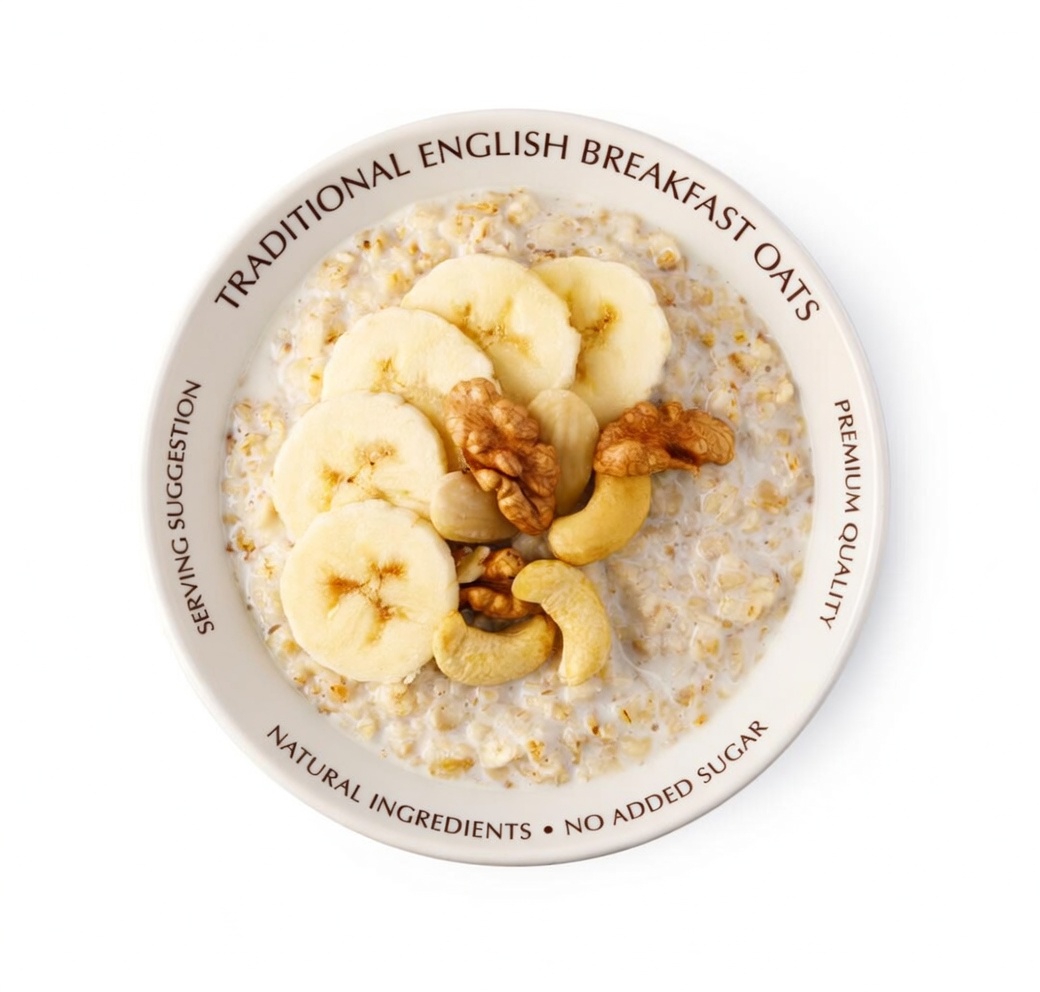
2. Oats
Oats are one of the most researched foods for heart support.
They provide a soluble fiber called beta-glucan, which helps the body remove excess cholesterol through digestion and supports a healthier cholesterol balance.
They do more than that, though. Oats may also help keep blood sugar steadier, which matters because frequent spikes and drops can increase metabolic stress.
Simple ways older adults can eat more oats
- A warm bowl of oatmeal with cinnamon and fruit
- Oat smoothies blended with banana
- Homemade oat tortillas or pancakes
A basic breakfast can become strong long-term support for heart wellness.
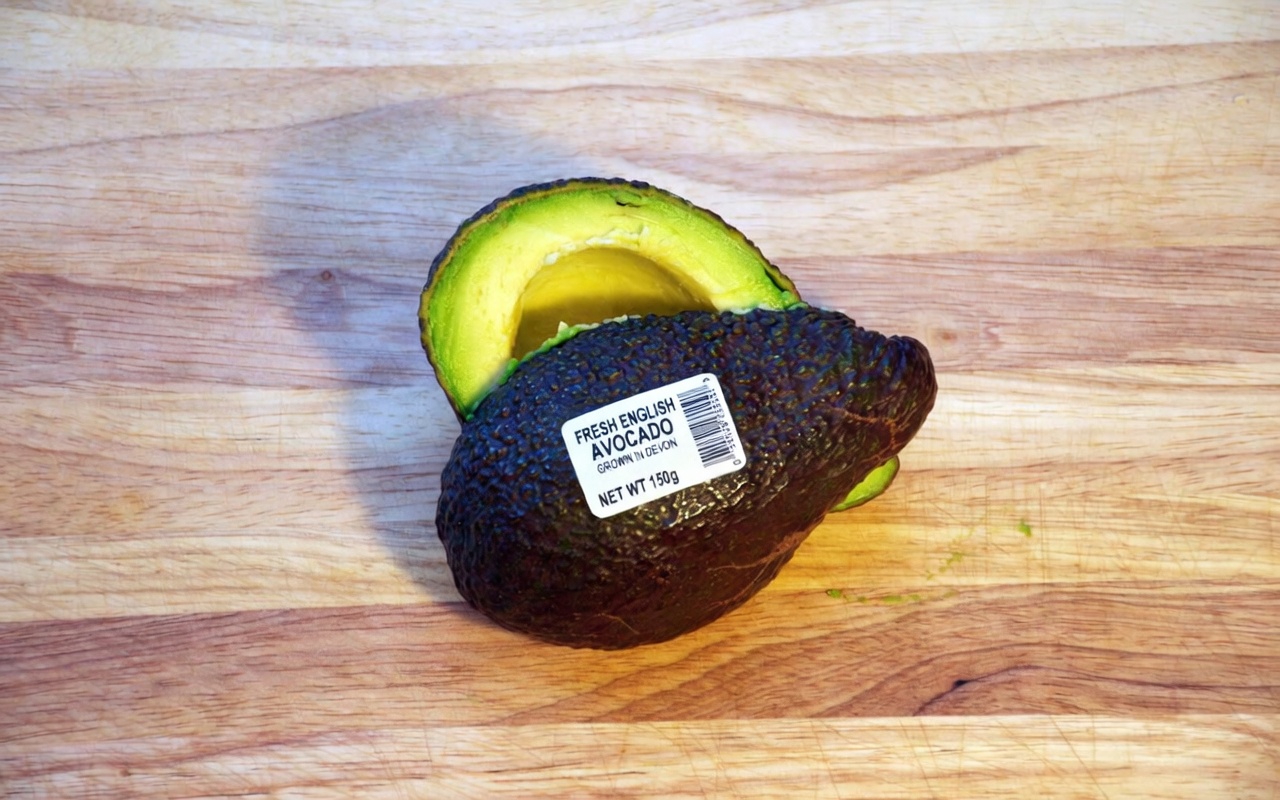
3. Avocados
Avocados are already a familiar favorite in Mexico, and they offer more than great flavor.
They are rich in monounsaturated fats, the same type of heart-friendly fat found in olive oil. When these replace saturated fats in the diet, they may help support healthier cholesterol levels.
Avocados also supply potassium, an important mineral involved in maintaining normal blood pressure.
A smart serving idea
For many people, half an avocado a day is enough.
Try avocado with
- Whole-grain toast
- Salads
- Fresh salsa
Your heart may benefit from this simple upgrade.
4. Garlic
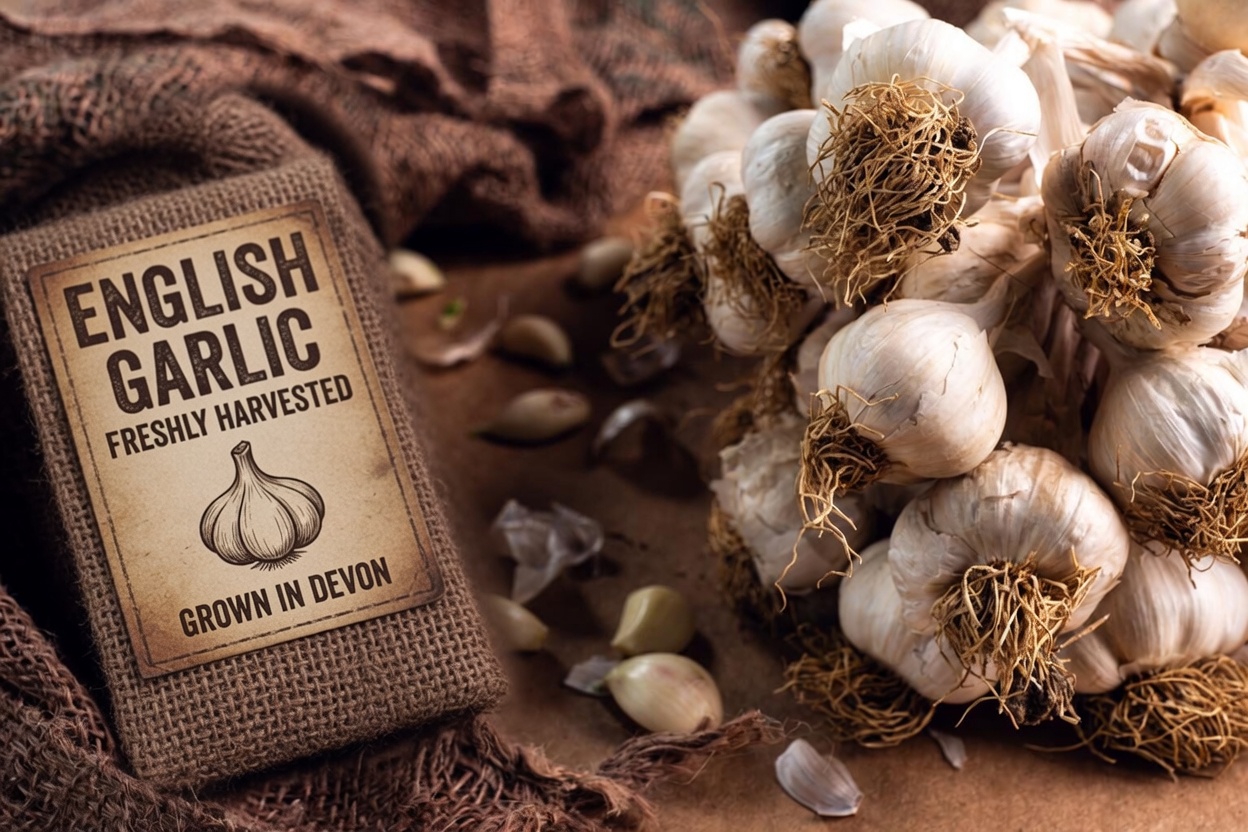
Garlic has been used in cooking for thousands of years, and its value goes beyond taste.
It contains active compounds such as allicin, which researchers continue to study for potential cardiovascular support. Some studies suggest regular garlic intake may help maintain healthy blood pressure and circulation.
The most important tip is this: crush the garlic and let it sit for around 10 minutes before cooking. This helps activate its beneficial compounds.
Easy ways to use garlic more often
- Add it to beans and soups
- Mix it with olive oil and lemon for a salad dressing
- Stir it into roasted vegetables
Small cooking choices can become powerful wellness habits.
5. Fatty Fish
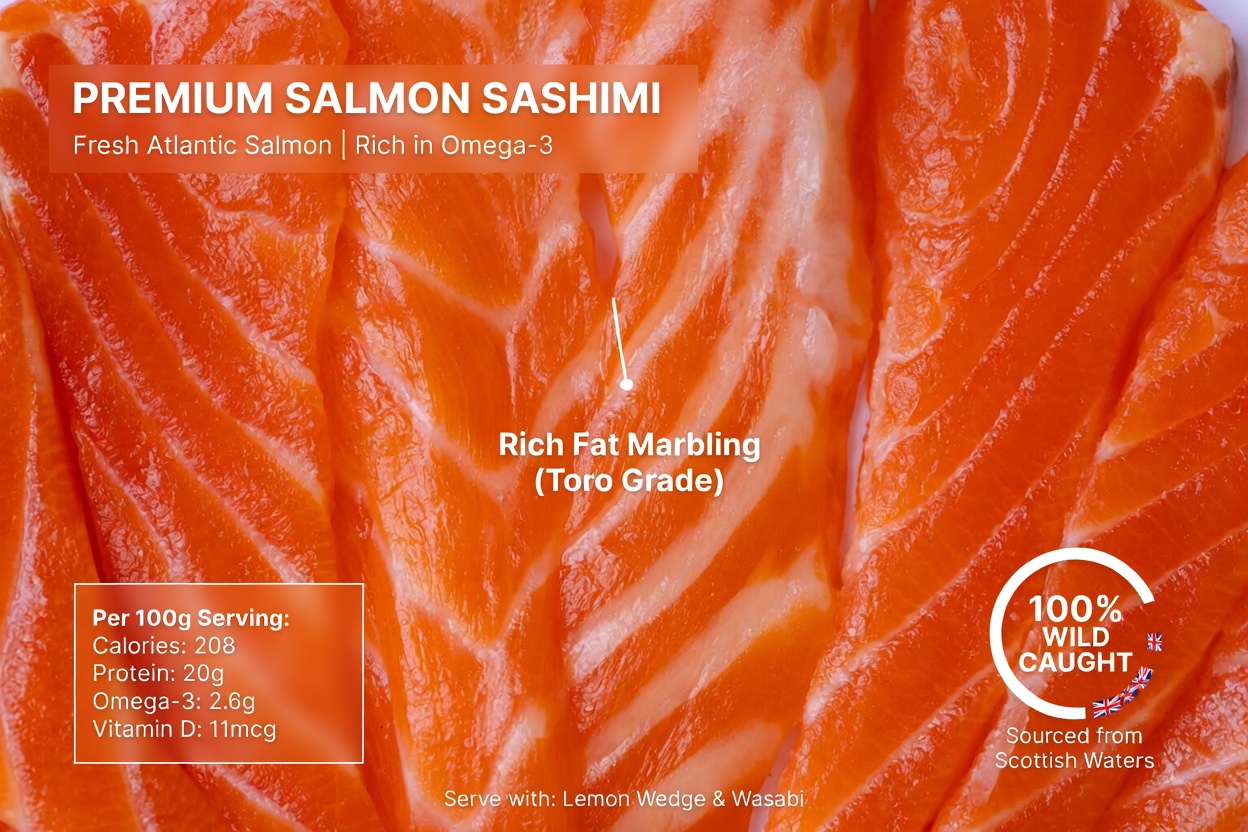
Fish like salmon, sardines, and mackerel are excellent sources of omega-3 fatty acids.
These healthy fats are well known for helping support the heart and circulatory system. Omega-3s may help maintain balanced triglyceride levels and support normal blood vessel function.
Nutrition research often links eating fatty fish twice a week with better heart health markers.
If fish is not a regular part of your diet, start with simple meals.
Ideas to try
- Grilled sardines with lime
- Salmon tacos with cabbage
- Fish soup with vegetables
You may be surprised by how enjoyable and easy it can be.
6. Leafy Green Vegetables
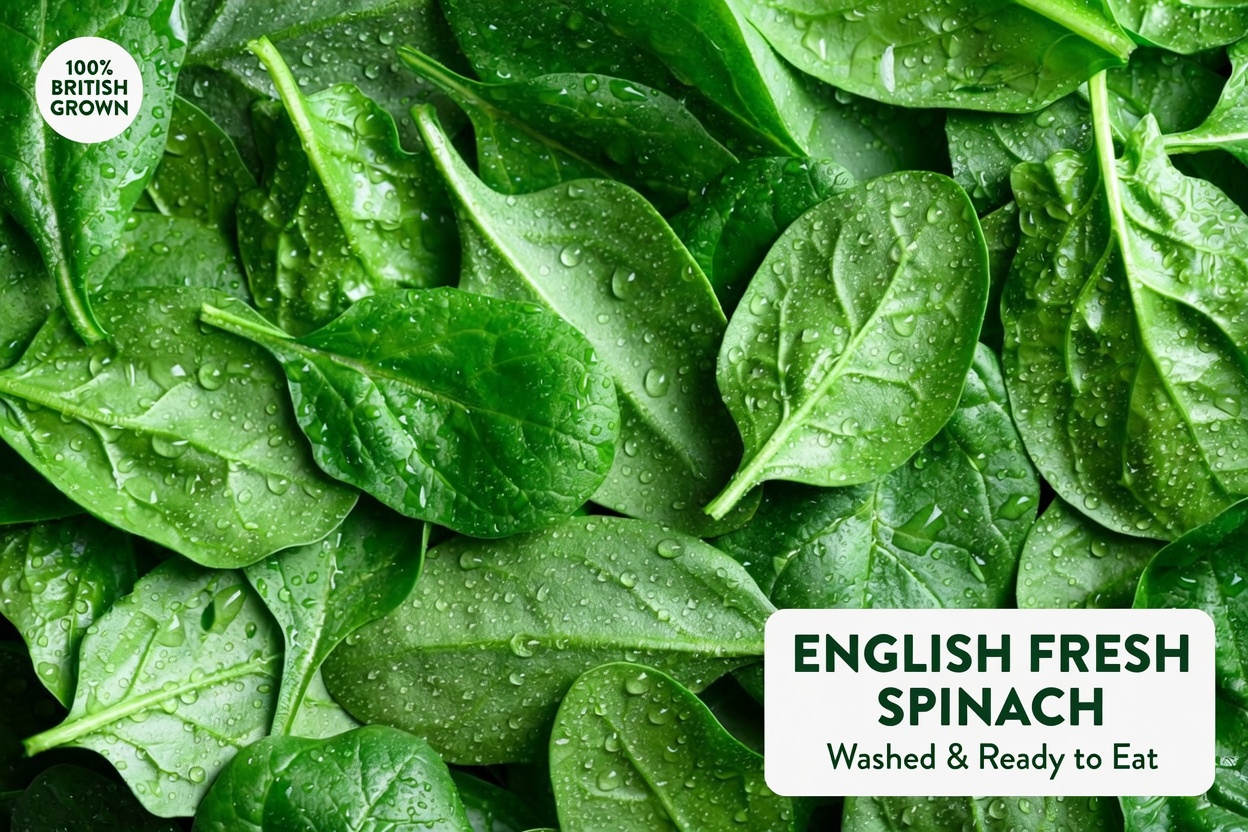
Leafy greens such as spinach, kale, and arugula provide natural nitrates.
These compounds can help support normal relaxation of blood vessels and healthy circulation. They also contain antioxidants, vitamins, and minerals that contribute to overall cardiovascular health.
The key is consistency. Eating vegetables once in a while is helpful, but regular intake is where the real benefit appears.
Daily ways to add more greens
- Add spinach to eggs
- Blend greens into smoothies
- Mix kale into soups
Progress matters more than perfection.
7. Walnuts
Walnuts are among the most studied nuts when it comes to heart health.
They offer plant-based omega-3 fats, fiber, and antioxidants. Research suggests that people who eat nuts regularly often show better cardiovascular health markers.
Even so, portion size matters because nuts are calorie-dense.
A good serving size
A small handful per day is usually enough.
Quick walnut ideas
- Walnuts with apple slices
- Sprinkle them over oatmeal
- Add them to salads for crunch
Simple additions like these can make meals more satisfying and more nourishing.

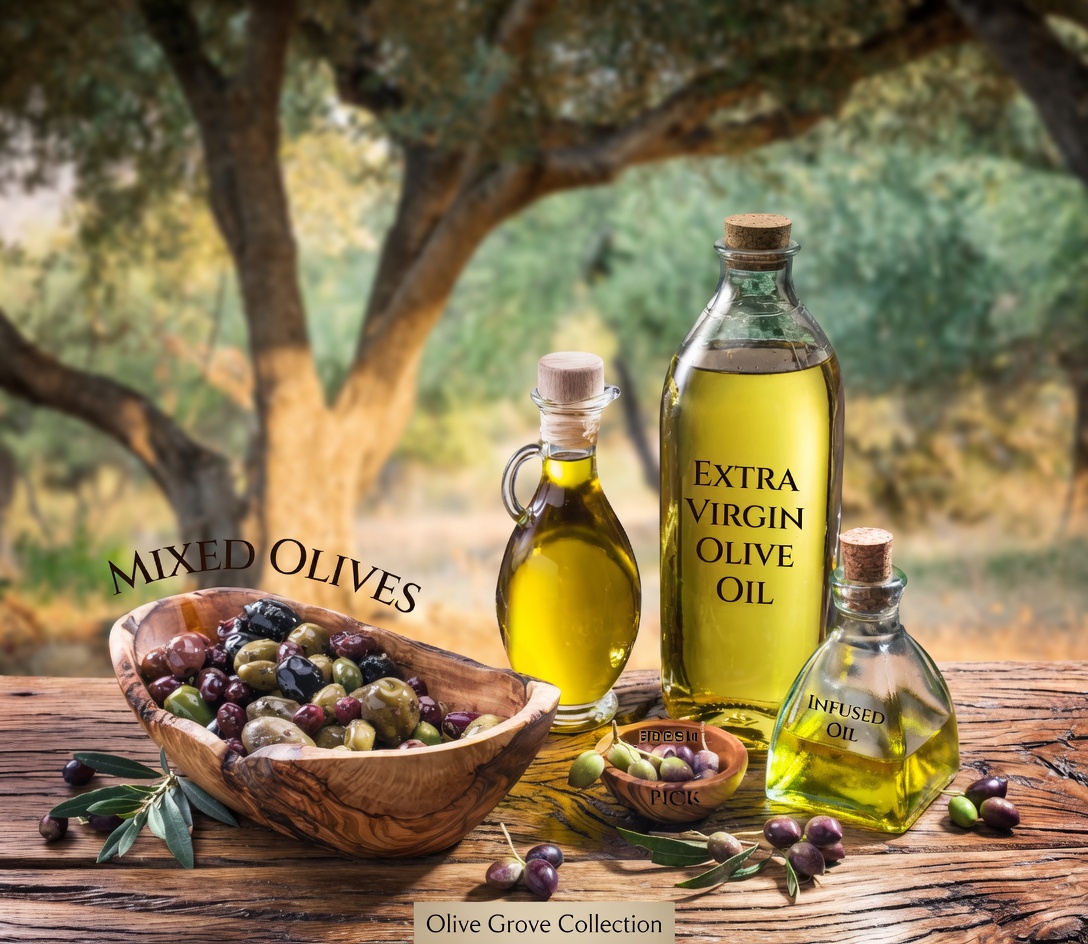
8. Olive Oil
Extra virgin olive oil is a major part of the Mediterranean eating pattern, which is consistently associated with better cardiovascular outcomes.
It contains polyphenols and monounsaturated fats that may help support healthy cholesterol levels and lower oxidative stress.
To get the most benefit, choose extra virgin olive oil and avoid overheating it.
Best ways to use olive oil
- As a salad dressing
- Drizzled over vegetables
- For light sautéing
Switching from heavily processed oils to olive oil may be a smart move for your arteries.
9. Beans and Lentils
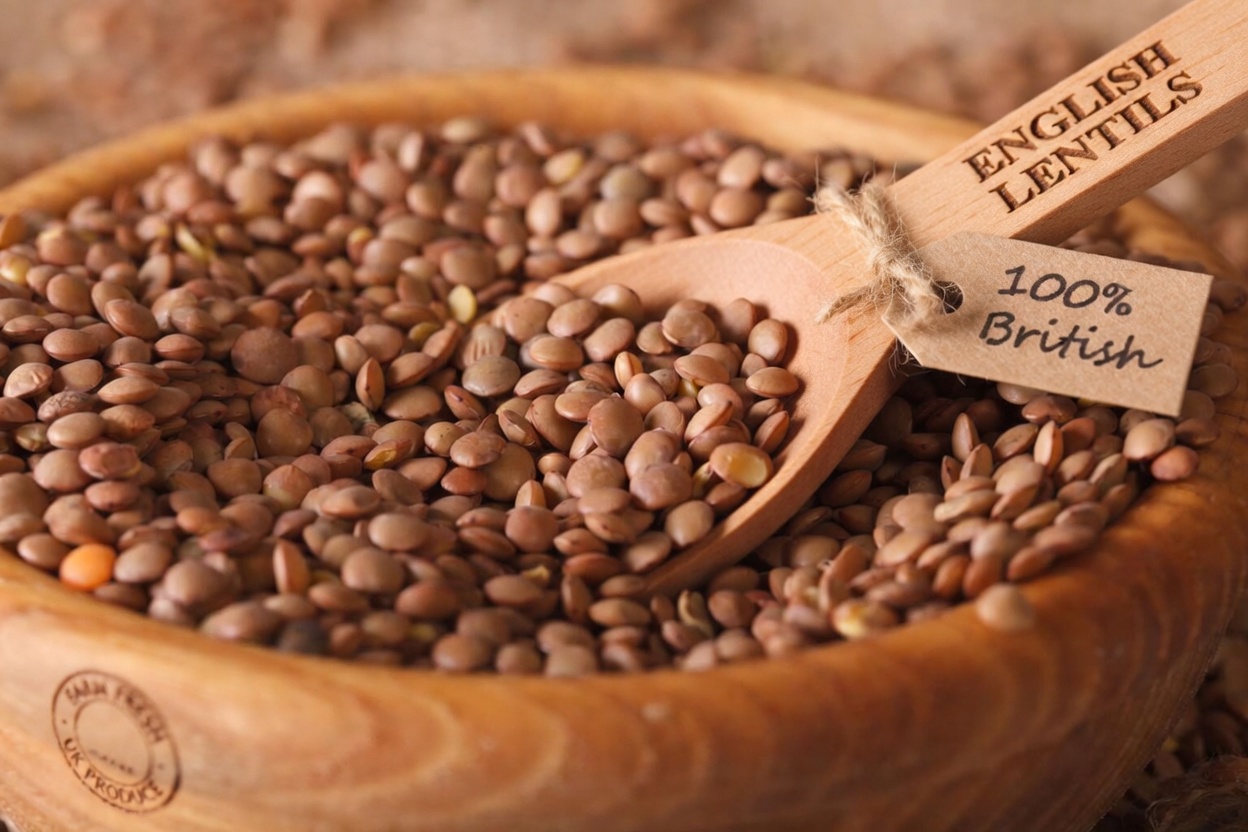
Beans are deeply connected to Mexican cuisine, and they are true nutritional powerhouses.
They are rich in fiber, plant protein, and key minerals that support metabolic health. The soluble fiber in beans may help maintain a healthier cholesterol balance.
An often-overlooked benefit is that fiber also feeds helpful gut bacteria, which may influence heart health in important ways.
Easy daily ideas
- Traditional frijoles de olla
- Lentil soup
- Bean salads with lime and herbs
This is one of those foods traditional wisdom appreciated long before research explained why.
10. Berries
Strawberries, blueberries, and raspberries contain antioxidants called anthocyanins.
These compounds help protect cells from oxidative stress, and some research suggests that diets rich in antioxidant-packed fruits are associated with better cardiovascular markers.
The biggest benefit often comes when fruit replaces sugary desserts and snacks.
Smart swaps
- Berries with yogurt
- Fresh fruit instead of pastries
- Berries blended into smoothies
Sweet foods do not always have to work against your health.

Quick Comparison: Foods That Support Heart-Friendly Eating
| Food | Key Nutrient | Simple Daily Habit |
|---|---|---|
| Oats | Soluble fiber | Eat oatmeal for breakfast |
| Avocado | Healthy fats | Enjoy half an avocado daily |
| Fatty fish | Omega-3 | Eat two servings each week |
| Beans | Fiber and plant protein | Add them to soups or meals |
| Olive oil | Polyphenols | Use it instead of refined oils |
Consistency matters more than doing everything perfectly.
Daily Habits That Help Protect Artery Health
Doctors often repeat the same message: food is powerful, but it is not magic on its own.
When healthy eating is combined with supportive lifestyle habits, the effect becomes much stronger.
Helpful habits include
- Walking for 20 to 30 minutes each day
- Cutting back on ultra-processed foods
- Choosing water instead of sugary drinks
- Sleeping at least 7 hours per night
These small decisions, repeated over time, can help protect the heart for decades.
Conclusion
Heart health usually does not improve or worsen overnight.
Instead, it reflects the sum of thousands of daily choices made over the years. Adding foods such as oats, beans, olive oil, leafy greens, and fatty fish to your routine may help support normal circulation and heart function.
The most effective strategy is not perfection.
It is consistency.
Even modest changes made today can influence how your heart feels and functions years from now.
FAQ
Can food really help keep arteries healthy?
Certain foods provide nutrients that support normal cholesterol balance, blood vessel function, and circulation when they are part of a balanced lifestyle.
How often should these foods be eaten?
Many experts recommend eating heart-supportive foods regularly, with staples like beans, oats, greens, olive oil, and fruit included often, while fatty fish can be enjoyed about two times per week.
Is one food enough to protect the heart?
No single ingredient can do everything. The biggest benefit comes from combining several nutritious foods with regular activity, quality sleep, and fewer sugary or ultra-processed products.