Understanding Pancreatic Cancer: Key Facts, Risks, Symptoms, and Healthy Habits
Hearing about pancreatic cancer can be deeply unsettling. Many people feel anxious when they learn how quietly this disease can grow and how difficult it often is to identify in its early stages. Because it may remain unnoticed for a long time, many diagnoses happen only after the cancer has already progressed. For patients and families, this can bring fear, confusion, and a strong need for reliable, straightforward information.
Still, one fact matters greatly: learning the essentials about pancreatic cancer, its risk factors, warning signs, and health-supporting habits can help you feel more informed and better prepared.
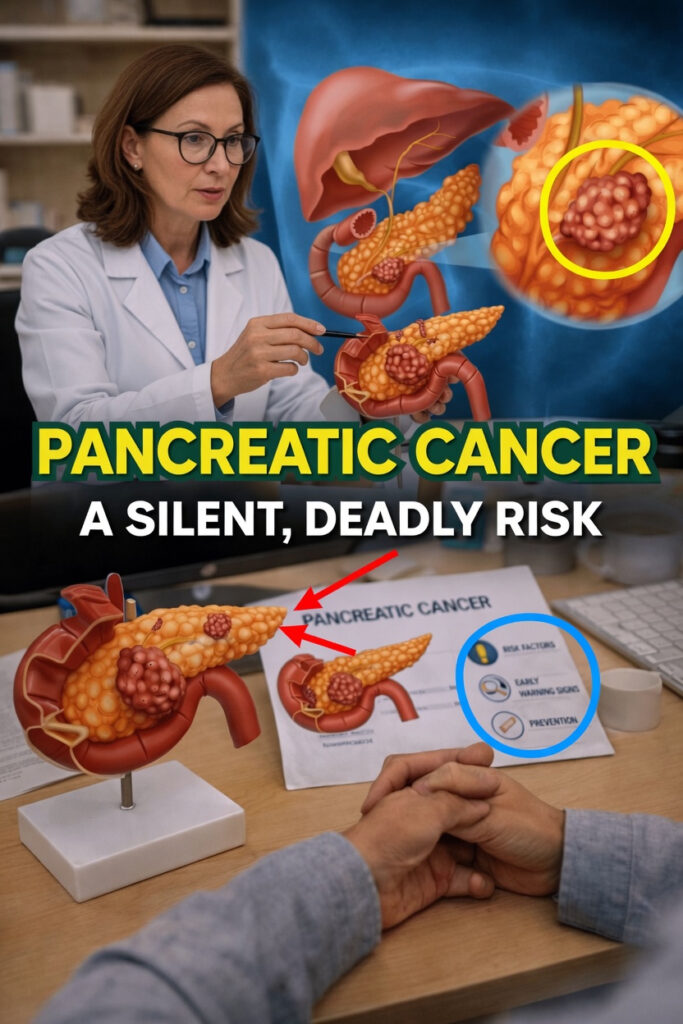
What Is Pancreatic Cancer?
Pancreatic cancer begins in the tissues of the pancreas, a small organ located behind the stomach. Although small, the pancreas has major responsibilities. It helps digest food by producing enzymes and supports blood sugar control by releasing hormones such as insulin.
When pancreatic cells start multiplying abnormally and without control, a tumor may develop. Most pancreatic cancers begin in the exocrine cells, which make digestive enzymes. A smaller number arise in the endocrine cells, which produce hormones.
This disease is associated with a high death rate largely because symptoms often appear late. In many cases, the early warning signs are subtle and can resemble common digestive or metabolic issues, which makes awareness especially important.
Why Pancreatic Cancer Is Often Missed Early
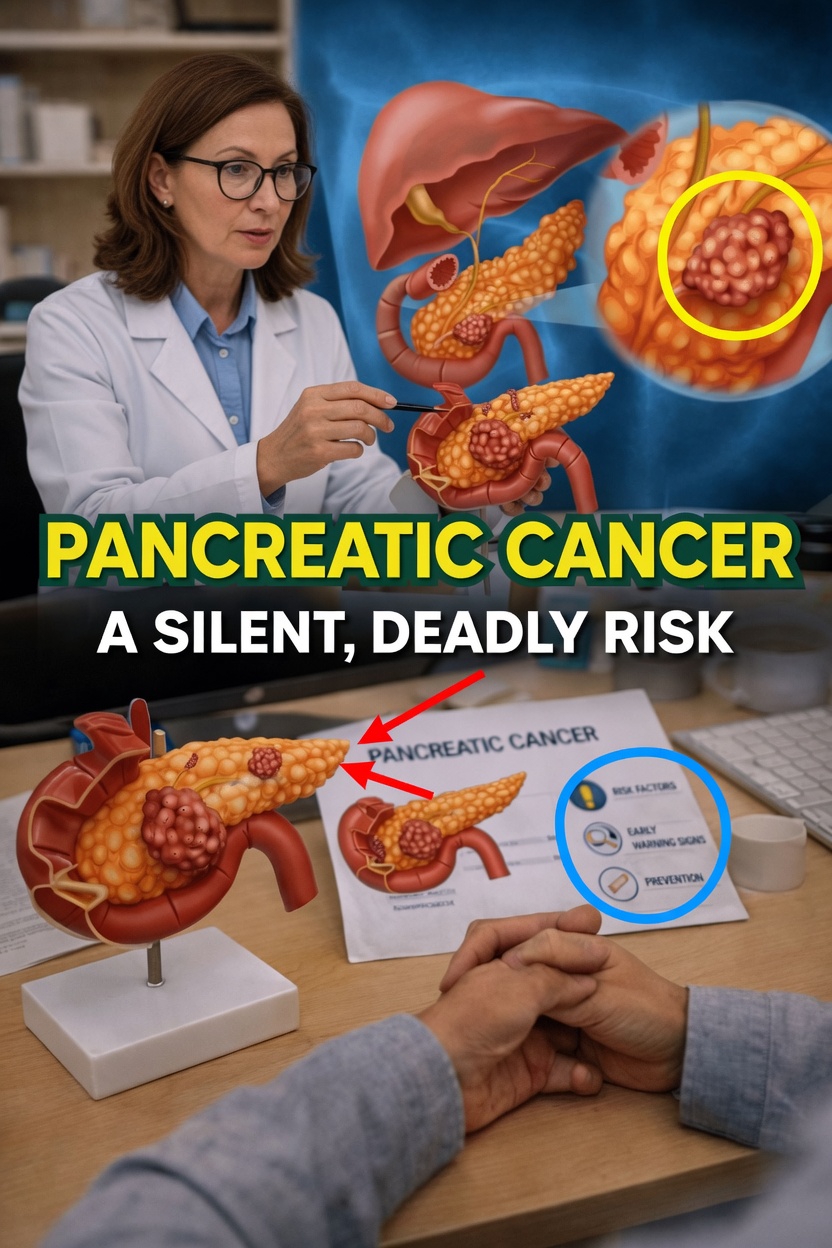
One of the main difficulties with pancreatic cancer is that it can progress with very few clear signs. The pancreas is located deep in the abdomen, so changes are not easy to detect during routine physical exams.
Some of the possible early symptoms include:
- Ongoing pain in the upper abdomen that may move toward the back
- Reduced appetite and unexpected weight loss
- Jaundice, which causes yellowing of the skin and eyes
- Digestive problems such as nausea or changes in stool
What surprises many people is that these symptoms often become noticeable only when the disease is already more advanced. That is why it is so important to pay attention to persistent bodily changes and bring them to a healthcare professional’s attention.
Major Risk Factors to Be Aware Of
Certain factors can raise the chance of developing pancreatic cancer. Some are beyond personal control, while others are linked to lifestyle and can be influenced over time.
Important risk factors include:
- Older age — pancreatic cancer is more frequently seen after age 65
- Smoking — long-term tobacco use is one of the strongest preventable risks
- Obesity and a diet heavy in processed foods
- Family history or inherited genetic syndromes
- Long-term diabetes or chronic pancreatitis
Research suggests that everyday habits can have a meaningful effect on overall health. For example, avoiding tobacco and maintaining a healthy body weight may help reduce risk and support better long-term outcomes.
Daily Habits That May Support Pancreatic Health
No single behavior can fully prevent pancreatic cancer, but building healthier routines may lower risk and improve overall body function.
Consider these practical habits:
- Eat a balanced diet with plenty of fruits, vegetables, whole grains, and lean protein
- Reduce intake of red meat and processed meat
- Aim for at least 150 minutes of moderate physical activity each week
- Maintain a healthy weight through sustainable nutrition and regular movement
- Avoid smoking and keep alcohol intake limited
- Manage chronic conditions such as diabetes with consistent medical care
These choices may seem simple, but they matter. Small decisions repeated every day can influence inflammation, metabolism, and how well the body handles stress over time.

Why Regular Check-Ups Matter
Routine health visits become increasingly important with age. There is currently no standard screening test for pancreatic cancer for the general public, but people with elevated risk may benefit from more personalized medical discussions.
During regular appointments, healthcare providers may:
- Review your personal medical background
- Ask about family history of pancreatic cancer or other related diseases
- Order imaging scans or laboratory tests when symptoms or risks justify them
- Monitor conditions such as diabetes or chronic pancreatitis more carefully
This kind of proactive care can help identify concerning changes sooner and create an opportunity for earlier medical decision-making.
Symptoms to Watch and When to Get Medical Advice
Recognizing possible warning signs can help you respond more quickly if something changes.
You should pay attention to symptoms such as:
- Persistent fatigue that does not improve with rest
- New digestive discomfort or worsening stomach-related symptoms
- Unexplained weight loss despite eating normally
- Dark urine or pale stools
- Yellowing of the skin or eyes
The goal is not to become alarmed by every symptom. Instead, it is wise to notice what is unusual, ongoing, or getting worse. If a symptom persists, speaking with a healthcare professional can provide clarity and peace of mind.
How Pancreatic Cancer Is Currently Managed
Treatment for pancreatic cancer depends on the stage of the disease and the individual’s overall condition. Doctors may use one or more approaches, including surgery, chemotherapy, radiation therapy, or targeted treatments designed around specific cancer characteristics.
Care is typically guided by a multidisciplinary medical team that works closely with the patient and family. The aim is to treat the disease as effectively as possible while also preserving comfort and quality of life.
Ongoing medical research continues to explore new therapies and more personalized treatment options, offering hope to many people facing this diagnosis.

Practical Steps to Support Better Overall Health
If you want to build habits that strengthen long-term wellness, this simple routine can help:
- Begin the day with a nourishing breakfast that includes protein and fiber.
- Add colorful vegetables to at least two meals each day.
- Take a 30-minute walk after dinner to support movement and digestion.
- Schedule yearly health check-ups and openly discuss family medical history.
- Keep track of persistent symptoms in a notebook so you can share accurate details with your doctor.
These actions may not feel dramatic, but they can create a strong foundation for better health over time.
The Future of Pancreatic Cancer Research and Awareness
Researchers around the world are working to improve early detection and develop more personalized treatment strategies. Greater public awareness has already encouraged more people to seek medical advice sooner when unusual symptoms appear.
Staying informed through trustworthy health sources can help you make better decisions in partnership with your medical team.
FAQ
What are the most common signs of pancreatic problems?
Persistent abdominal pain, unexplained weight loss, and jaundice are among the most commonly reported signs. However, these symptoms can also be linked to many other medical conditions.
Can lifestyle changes really help?
Yes. Healthier eating habits, regular exercise, weight management, and avoiding tobacco are all supported by research as valuable steps for improving overall health and lowering risk.
Is there a standard screening test for everyone?
No. At present, there is no routine pancreatic cancer screening recommended for the general population. However, people with a strong family history or known genetic risk factors may benefit from individualized monitoring plans discussed with their doctor.