
Are You Taking Levothyroxine the Right Way?
Have you ever taken your thyroid pill with a quick sip of coffee and headed out the door, confident you were following your treatment correctly? Many people do exactly that, only to feel discouraged when their energy stays low despite taking medication every day. Over time, that frustration can turn into confusion when symptoms such as fatigue, weight fluctuations, or mental fog do not improve.
What many patients do not realize is that a few ordinary daily habits can affect how well levothyroxine is absorbed. In some cases, one small change in routine can make a noticeable difference.

Why Timing Matters More Than Most People Think
For many adults, especially older adults, mornings follow a familiar pattern: wake up, drink coffee, take medications, and maybe eat breakfast. But with levothyroxine, the timing of each of those steps matters more than most people expect.
Levothyroxine is a replacement for a hormone normally made by the thyroid gland. That hormone helps regulate metabolism, body temperature, energy, and many other vital functions. Because thyroid hormone balance is so sensitive, the medication is absorbed best only under specific conditions.
Research in endocrinology and metabolism has shown that levothyroxine is usually absorbed most effectively when taken on an empty stomach with plain water. If food or certain beverages are already in the digestive tract, the medication may not dissolve and enter the bloodstream as efficiently.
In daily life, however, many people take levothyroxine with breakfast or coffee because it is convenient. The problem is that coffee, in particular, may reduce absorption and lower the amount of medication the body actually uses.
This does not mean the medicine stops working completely. Instead, its effect may become less consistent, and that inconsistency can leave people wondering why they still feel exhausted.
A common routine recommended for many patients
- Take levothyroxine immediately after waking up.
- Use a full glass of plain water.
- Wait around 30 to 60 minutes before eating breakfast.
- Avoid coffee until that waiting period is over.
Even this single adjustment may help support steadier thyroid hormone levels.

The Overlooked Role of Coffee, Calcium, and Supplements
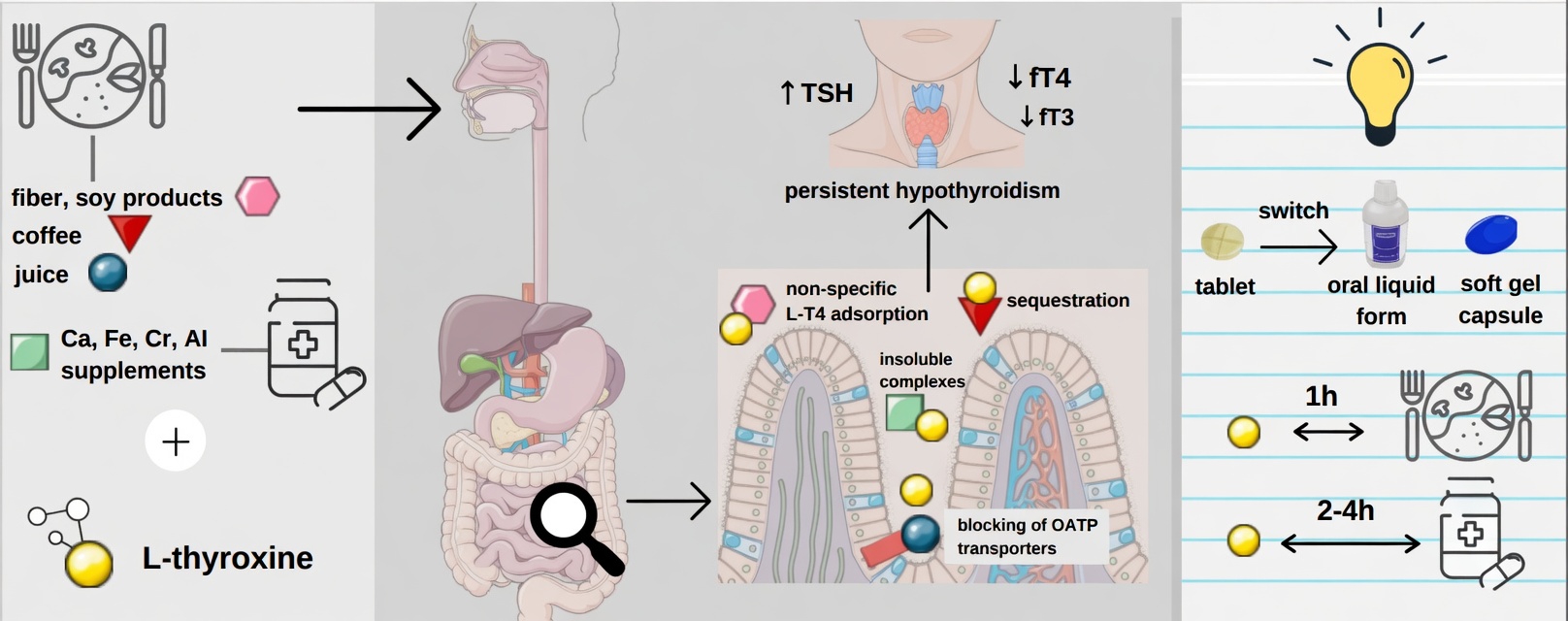
There is another issue that many patients are not told clearly at the beginning: some common foods, drinks, and supplements can compete with levothyroxine during digestion.
Coffee is one of the best-known examples. Studies suggest that drinking it too soon after taking levothyroxine can reduce how much medication is absorbed.
But coffee is not the only concern. Calcium and iron can also interfere with thyroid medication.
Common products that may affect absorption
- Calcium supplements
- Iron tablets
- Multivitamins that contain minerals
- Certain antacids
These substances can bind to levothyroxine in the stomach or intestines, making it harder for the body to absorb the full dose.
Consider a simple example: someone takes levothyroxine first thing in the morning and then takes a multivitamin with breakfast. It may seem harmless, but the timing could quietly reduce how effective the medication is.
Suggested spacing after taking levothyroxine
- Coffee or breakfast: wait 30 to 60 minutes
- Calcium supplements: wait about 4 hours
- Iron supplements: wait about 4 hours
- Antacids: wait 3 to 4 hours
Creating this space helps reduce interference and gives the medication a better chance to absorb properly.
Your Digestive Health Also Affects Absorption
Many people assume a medication works based only on the dose written on the label. In reality, the digestive system plays a major role in how well levothyroxine gets into the bloodstream.
Before the medication can work, it must move through the stomach and into the small intestine, where absorption takes place. If digestion is disrupted, the amount absorbed may also vary.
Several digestive issues may influence this process.
Conditions that may affect levothyroxine absorption
- Chronic gastritis
- Low stomach acid
- Certain digestive disorders
- Inflammation in the intestinal lining
Research suggests that people with digestive conditions may sometimes need dose adjustments because their absorption is less predictable.
The good news is that habits that support digestive health may also help create more stable medication absorption over time.
Daily habits that may support gut health
- Eat fiber-rich foods such as beans, vegetables, and whole grains
- Maintain a varied diet to support balanced gut bacteria
- Avoid frequent heavy meals late at night
- Drink enough water throughout the day
When digestion functions more smoothly, medication absorption often becomes more stable as well.

Consistency Often Matters More Than Perfection
Many patients worry that they must follow every rule flawlessly every day. Fortunately, the bigger goal is not perfection. It is consistency.
Levothyroxine tends to work best when it is taken in the same way at roughly the same time every day. A stable routine helps the body maintain more predictable hormone levels.
What usually causes problems is not a minor mistake once in a while, but repeated changes in the routine.
Common patterns that can lead to fluctuation
- Taking the medication at different times each day
- Sometimes taking it with food and other times without food
- Missing doses from time to time
When these habits vary too often, thyroid hormone levels may fluctuate. That can contribute to symptoms such as:
- Fatigue
- Trouble concentrating
- Feeling unusually cold
- Mood changes
A dependable routine can help reduce those ups and downs.
Simple ways to stay consistent
- Keep the medication beside your bed.
- Take it as soon as you wake up.
- Place a glass of water nearby the night before.
- Use a daily medication reminder if needed.
These small habits remove uncertainty from the morning and make it easier to stick with the plan.

Morning Habits That May Improve Your Results
The encouraging part is that many factors affecting levothyroxine are tied to everyday behavior. In other words, small practical changes may help improve how consistently the medication works.
Helpful morning habits
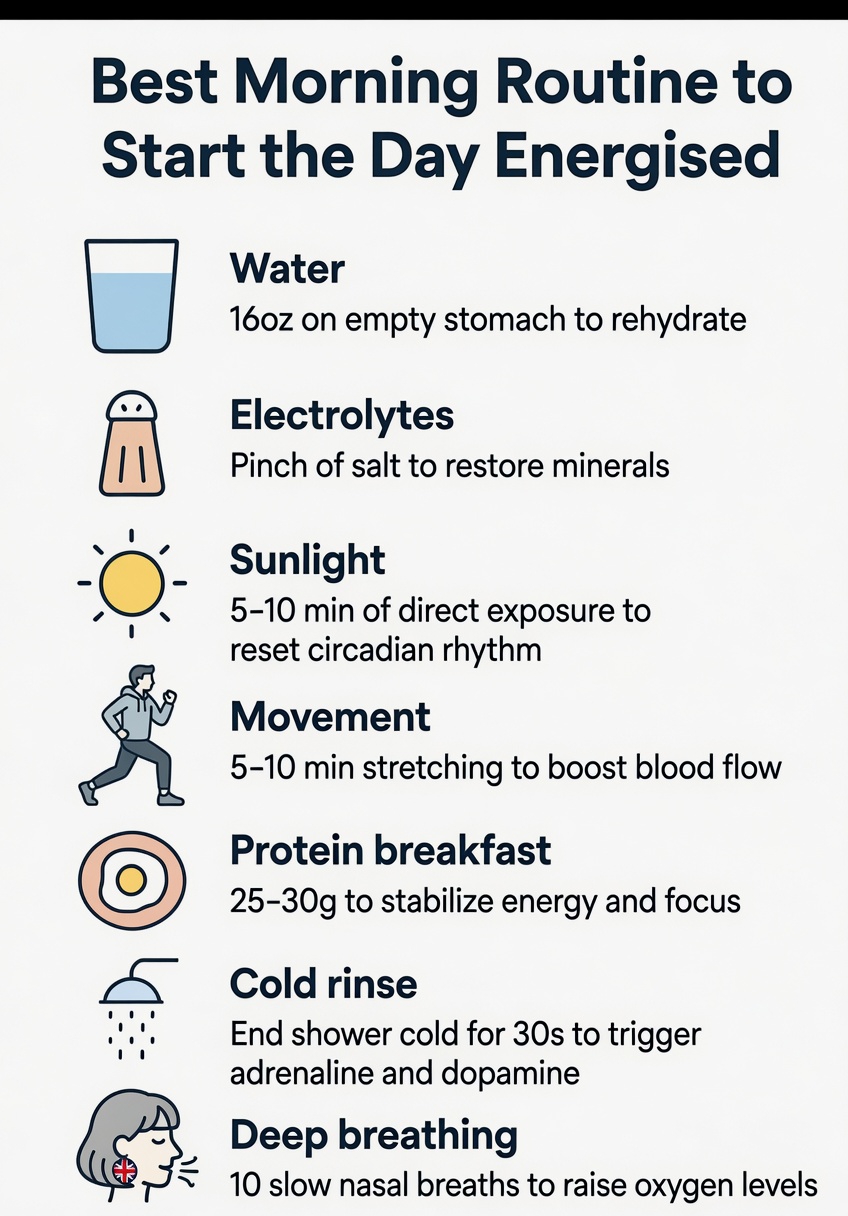
- Drink water before anything else
- Wait before having coffee
- Take supplements at a different time from thyroid medication
- Follow the same schedule every day
- Speak with a healthcare professional before changing your dose
These are simple steps, but they can reduce common absorption problems.
And that brings us back to the frustration many people feel. Sometimes the issue is not the medication itself. Sometimes the routine around the medication needs a small adjustment.
Key Takeaway
Levothyroxine can help restore healthy thyroid hormone balance, but the way you take it matters. Timing, meals, coffee, supplements, and digestive health can all influence absorption. Taking the medication with water on an empty stomach, waiting before eating or drinking coffee, and separating it from calcium or iron may help support more stable hormone levels. Over time, small habits can have a meaningful impact.
Frequently Asked Questions
Can I drink coffee after taking levothyroxine?
Many experts recommend waiting about 30 to 60 minutes before drinking coffee. This gives the medication time to move through the stomach and begin absorbing more effectively.
Can levothyroxine be taken at night instead of in the morning?
Some studies suggest that evening dosing may work for certain people if it is taken several hours after the last meal. However, any schedule change should be discussed with a healthcare professional first.
What should I do if I miss a dose?
Missing one dose occasionally is fairly common. Many patients simply return to their normal schedule the next day. If missed doses happen often, it is a good idea to talk with a healthcare professional about ways to improve consistency.
Medical Disclaimer
This article is intended for educational purposes only and is not a substitute for personalized medical advice. Always consult a qualified healthcare professional regarding medications, treatment decisions, or changes to your health routine.