
Why Some People Chew Two Cloves on an Empty Stomach Each Morning
Many people deal with small but frustrating everyday issues, such as mild digestive discomfort after eating, occasional mouth irritation, or a general feeling that their body could use a little extra support for daily energy and balance. While these concerns may seem minor, they can gradually affect how comfortable and focused we feel throughout the day.
Because of this, more individuals are turning to simple, traditional habits to complement a healthy lifestyle. One practice that has recently gained attention is chewing two whole cloves first thing in the morning before eating or drinking anything.
So why is this ritual becoming so popular, and what is the best way to try it? Let’s look at the background, the possible benefits, and the safest way to make it part of your routine.
What Are Cloves?
Cloves are dried flower buds taken from the clove tree, whose scientific name is Syzygium aromaticum. This fragrant spice has long been valued in cooking, herbal drinks, and traditional wellness practices in many parts of the world. Its taste is warm, bold, slightly sweet, and pleasantly sharp, which makes it a favorite in both sweet and savory recipes.
One of the main natural compounds in cloves is eugenol, which gives them their distinct aroma. Eugenol has attracted scientific interest in many studies. In addition to this, cloves contain antioxidants and other plant compounds that help explain their strong reputation in natural wellness traditions.

Why Chewing Whole Cloves Has Drawn Interest
What makes this habit unique is the method itself. When whole cloves are chewed slowly, their natural oils and active compounds are gradually released into the mouth and mixed with saliva. Many people prefer to do this in the morning on an empty stomach as a simple part of their daily ritual.
Studies suggest that cloves are rich in antioxidants. These compounds help the body manage free radicals, which are unstable molecules linked to oxidative stress over time.
Beyond that, traditional use and early scientific findings suggest that cloves may offer support in several wellness-related areas.
Possible Benefits of Chewing Cloves
Research into clove consumption has focused on a variety of possible effects. Based on current evidence, the main areas of interest include:
- Supporting oral freshness: Cloves may help maintain a healthier oral environment when used alongside brushing, flossing, and regular dental care.
- Promoting digestive comfort: In traditional practices, cloves have often been used to support digestion and encourage digestive enzyme activity.
- Offering antioxidant protection: Compared with many common spices, cloves are especially high in antioxidants, which may support overall cellular wellness.
- Helping daily balance and vitality: Some people include cloves in their routine because they feel it helps them start the day with a greater sense of comfort and steadiness.
Cloves contain eugenol along with other polyphenols that researchers have studied for their possible role in supporting normal bodily functions. Early laboratory and animal research has also examined their impact on inflammatory processes and certain liver-related markers, although stronger human evidence is still needed before making definite claims.
That said, cloves remain appealing because they are easy to use, inexpensive, and simple to fit into a morning routine.
How to Chew Two Cloves Daily: A Simple Guide
If you want to try this habit for yourself, follow these easy steps:
- Pick good-quality whole cloves from a reliable source. Choose buds that are full, fragrant, and not dried out.
- Take exactly two cloves in the morning before consuming food or beverages.
- Chew them slowly for 1 to 2 minutes so the oils and flavor are released gradually.
- Swallow the softened pieces if that feels comfortable, or spit out what remains if you prefer.
- Drink a glass of room-temperature water afterward to help rinse the mouth and support hydration.
The entire process takes only a few minutes. For many people, it becomes an easy and natural part of the morning after a week or two of consistency.

Ways to Make the Habit Easier and More Pleasant
If you want this practice to feel sustainable, a few small adjustments can help:
- Pair it with another morning habit, such as drinking water or doing a short stretch.
- Keep your cloves in an airtight container away from sunlight to preserve their aroma and strength.
- Try using cloves in other forms later in the day, such as adding a little ground clove to tea or food.
- Write down how you feel after 7, 14, or 30 days to notice any changes in your experience.
These simple steps can turn an experiment into a lasting wellness habit.
Other Easy Ways to Use Cloves During the Day
If chewing whole cloves does not appeal to you right away, there are several other ways to enjoy them:
- Steep two cloves in hot water for about 5 minutes to make a mild, fragrant tea.
- Add a very small amount of ground cloves to oatmeal, yogurt, or smoothies.
- Cook with whole cloves in dishes like curries, soups, or rice recipes.
- Include them in baked goods or homemade spice blends for extra flavor.
This versatility is one reason cloves are such an easy spice to include in a balanced lifestyle.
Important Safety Notes
Cloves are generally considered safe when used in small food-based amounts. A daily intake of two whole cloves is modest and in line with traditional use as well as common culinary practice.
Still, moderation is important. Their strong taste may cause slight mouth tingling or sensitivity, especially for beginners.
You should be extra cautious if you:
- Are pregnant or breastfeeding
- Take medication regularly
- Manage blood sugar concerns
- Have an ongoing medical condition
- Know you are sensitive to strong spices
In these situations, it is best to speak with a qualified healthcare professional before starting the habit.
The most important approach is to begin gradually, pay attention to your body, and remember that this is only one small part of an overall healthy lifestyle.
What Current Research Says About Cloves
A number of respected health and nutrition sources point to cloves as a rich source of bioactive compounds. Reviews frequently mention the antioxidant and antimicrobial potential of eugenol seen in laboratory research. Some animal studies have also explored possible effects related to digestion, blood sugar regulation, and liver support.
Even so, more high-quality human studies are needed to confirm these effects clearly.
It is encouraging to see traditional practices being explored through modern science, but cloves should still be viewed as a supportive dietary addition rather than a cure-all.
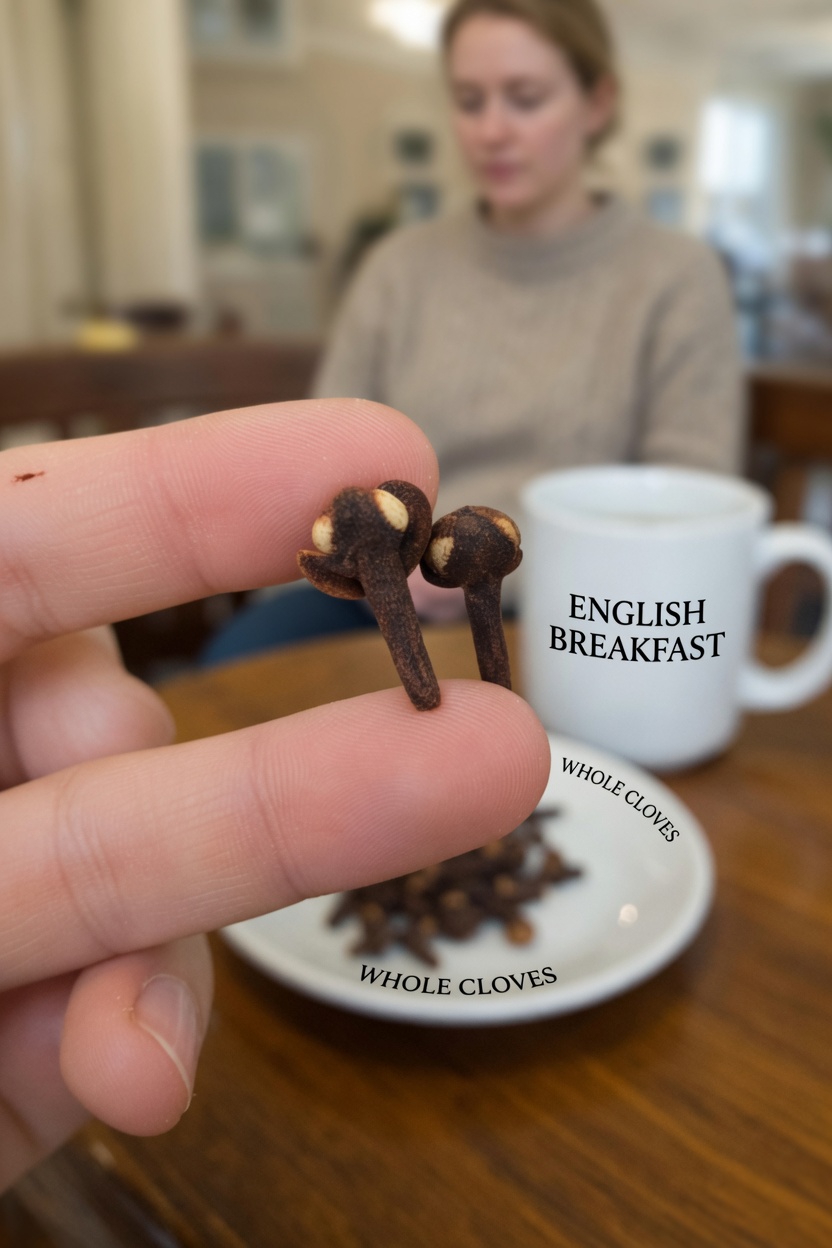
A Simple Morning Ritual Worth Considering
Chewing two cloves on an empty stomach is a low-effort habit with deep roots in traditional wellness culture. Thanks to their antioxidant content, strong aroma, and long history of use in both food and ritual, cloves offer an easy way to bring a mindful moment into the start of your day.
Whether you choose to chew them exactly this way or prefer to use them in tea or meals, the bigger idea stays the same: small, consistent habits can play a meaningful role in how you feel each day.
Real wellness is built on steady choices involving nutrition, movement, sleep, and stress care. A simple clove ritual may be a pleasant addition to that larger foundation.
Frequently Asked Questions
Is chewing two cloves every day safe?
For most healthy adults, two whole cloves per day is generally considered a safe and moderate amount as part of a varied diet. If you have health concerns or take medication, consult your healthcare provider first.
Why do people chew cloves on an empty stomach?
Traditional wellness practices suggest that taking cloves first thing in the morning may allow their natural compounds to interact more directly with the digestive system. Many people also find the routine refreshing and easy to remember at that time of day.
Can I use ground cloves or clove oil instead?
Whole cloves are usually the preferred choice for this habit because they release their compounds slowly as you chew. Ground cloves can be added to food or drinks, but they do not create the same experience. Clove oil is much more concentrated and should not be used the same way unless guided by a professional.
Do I need to swallow the cloves?
Not necessarily. Some people swallow the softened clove pieces, while others chew them thoroughly and spit out the remains. Both methods are commonly used.
How long does it take to notice a difference?
That can vary from person to person. Some individuals notice the habit simply feels refreshing right away, while others prefer to track their experience over several weeks to see whether it supports their daily comfort and routine.