When Leg Veins Become More Noticeable With Age
It often happens at the least convenient time. You sit down, cross your legs, and suddenly the blue veins in your calves seem more obvious than they used to be. Maybe you tug your pant leg down and hope nobody saw. For many older adults, especially after decades of standing, working, and caring for others, changes in leg circulation can feel uncomfortable, frustrating, and sometimes a little alarming.
Online, the confusion gets worse. You may see bold claims about a “hidden vitamin” that supposedly fixes everything. The reality is much more grounded. Certain nutrients can help support the body’s normal circulation processes, especially when paired with healthy daily habits. One vitamin in particular has drawn growing interest in recent research. By the end of this article, you will see why it often comes up in conversations about healthy aging and leg comfort.
Why Leg Circulation Changes as We Get Older
If you are over 60, noticing changes in your legs is very common. Many people experience:
- Veins that appear more visible
- Mild swelling later in the day
- A heavy sensation in the legs after sitting
- Slower circulation than in earlier years
What many people do not realize is that circulation depends on several systems working together. These include:
- The elasticity of blood vessels
- Muscle activity in the legs
- Nutrient intake
- Hydration levels
- Everyday movement
Studies in cardiovascular health have shown that circulation naturally changes with age because veins have to work harder to move blood upward against gravity. When the leg muscles are used less often, that process can become less efficient.
That is only one part of the picture, though. Nutrients also contribute to the body’s normal regulation of blood flow, and one vitamin is mentioned more and more in this discussion.
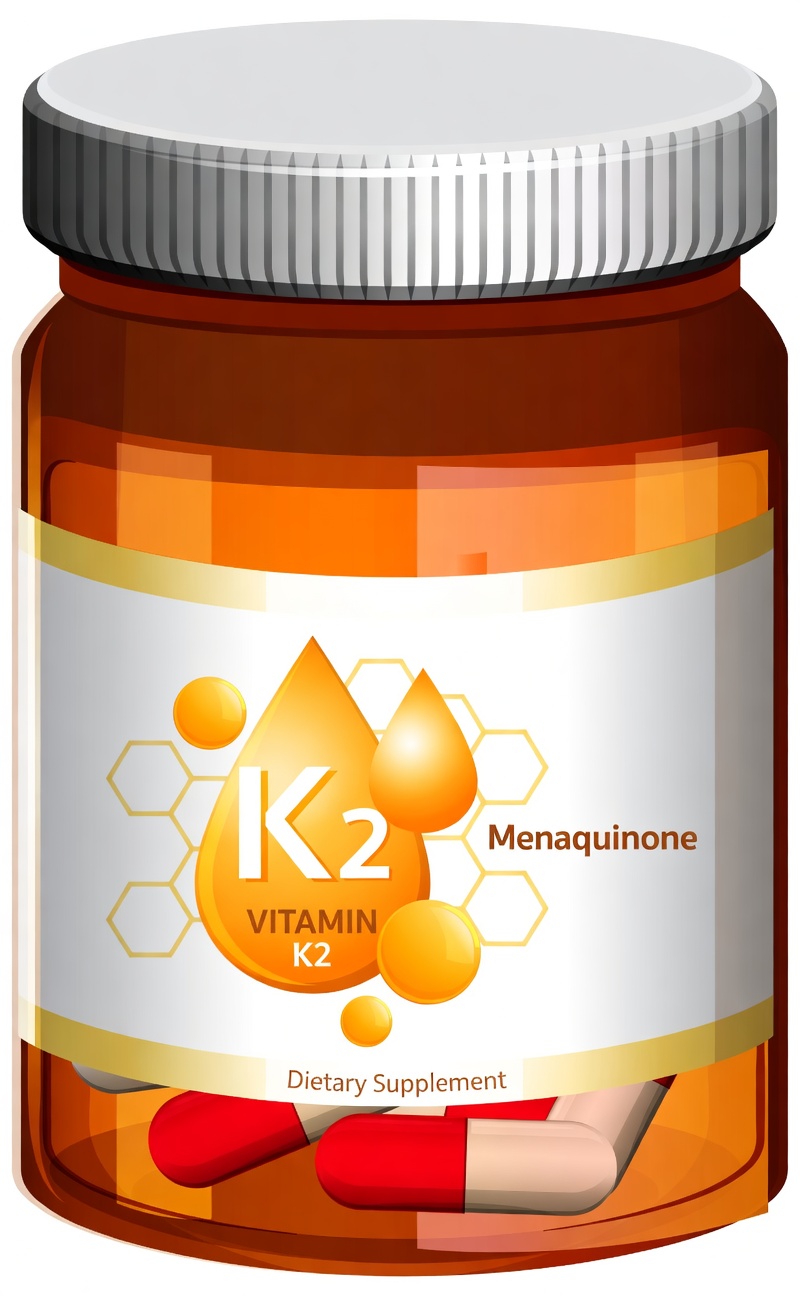
The Vitamin Commonly Connected to Circulation Support
When people think about circulation, they often assume Vitamin C or Vitamin D is the main answer. However, researchers are increasingly examining Vitamin K in relation to vascular health and circulation balance.
Vitamin K is widely recognized for helping support normal blood clotting. But that is not its only role. Some research suggests that certain forms of Vitamin K may also help support:
- Normal calcium use in the body
- Healthy flexibility of blood vessels
- Vascular balance during aging
There are two main forms of Vitamin K:
| Type | Common Food Sources | Main Role |
|---|---|---|
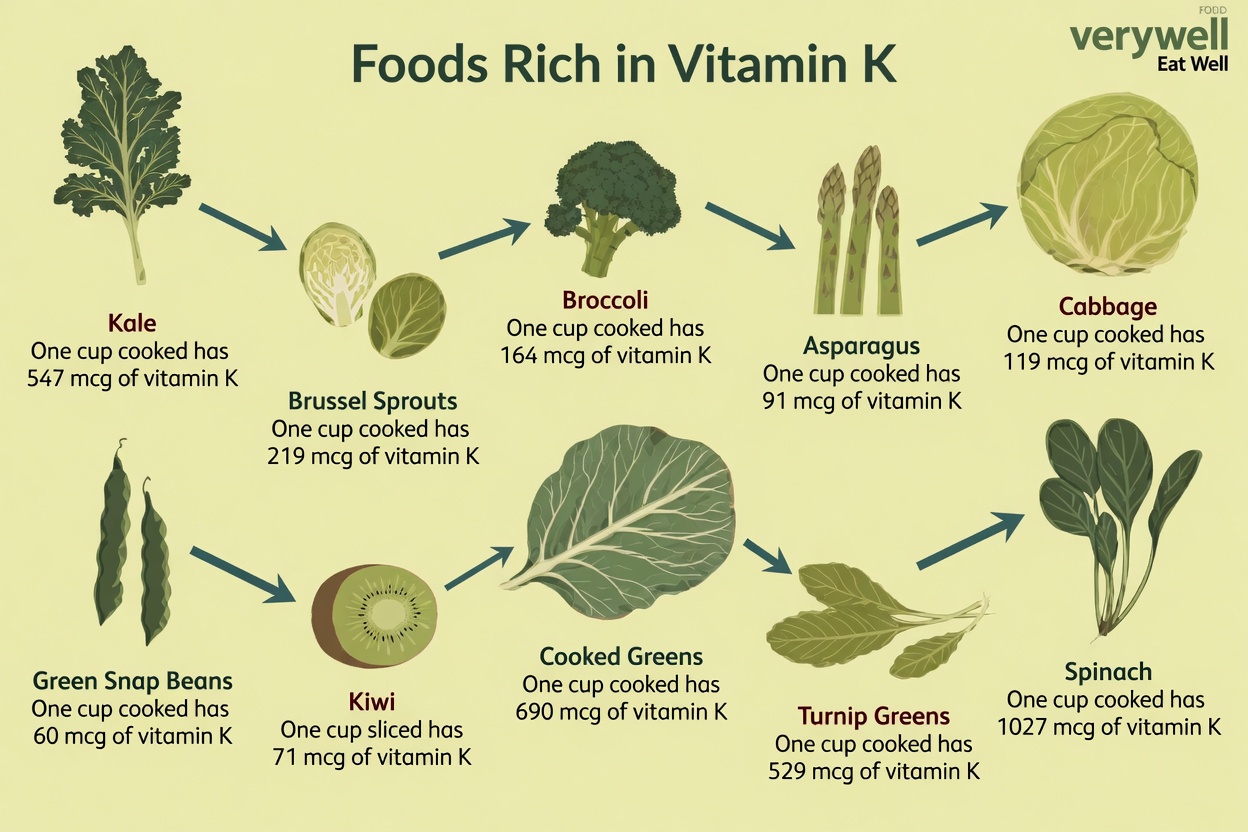
| Vitamin K1 | Spinach, kale, broccoli | Supports normal blood clotting |
| Vitamin K2 | Fermented foods, eggs, cheese | Supports vascular and bone balance |
The especially interesting point is the role of Vitamin K2. It helps direct calcium toward the bones instead of allowing it to build up in blood vessels.
Why is that important? Because arteries and veins function best when they stay flexible. When blood vessels become stiffer, the legs may feel heavier and circulation may seem less comfortable.
Still, one point is essential: no vitamin is a miracle cure. The body depends on a mix of nutrition, movement, hydration, and consistent daily habits.
Daily Habits That Help Support Healthy Blood Flow
A common mistake is searching for a single supplement while ignoring the everyday behaviors that have the greatest effect on circulation. In practice, doctors often recommend simple routines done consistently.
These habits may help support healthy blood flow:
- Walk for about 20 minutes each day
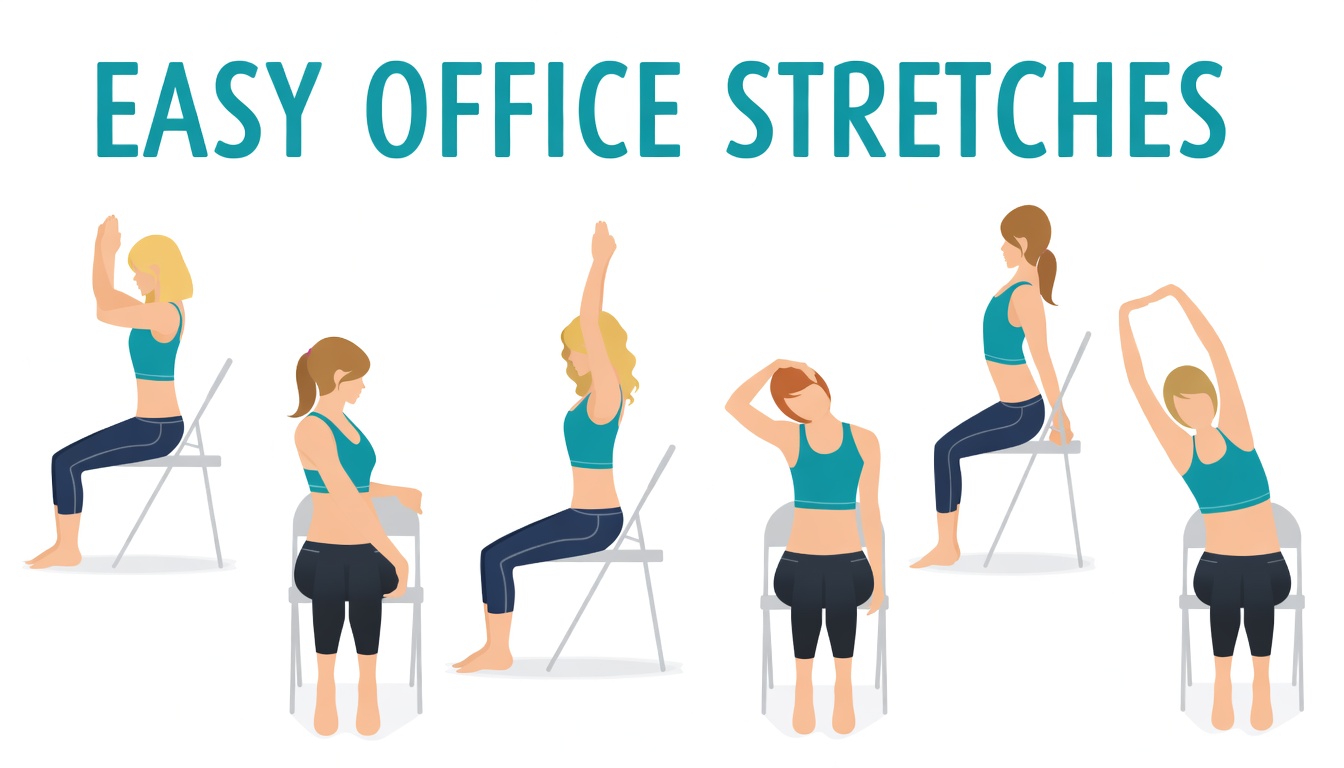
- Do gentle calf movements while seated
- Drink enough water during the day
- Choose foods rich in natural nutrients
- Avoid sitting for long periods without getting up
There is also a very simple technique many physiotherapists suggest. While sitting, lift your heels and lower them slowly for one minute. This activates the calf muscle pump, which helps move blood upward through the legs.
It may sound almost too basic to matter, but many older adults report that their legs feel lighter when they do it regularly.
Another important piece is diet. Nutrition influences vascular health more than many people expect.
Foods That Naturally Contain Vitamin K
Rather than focusing only on supplements, many nutrition professionals encourage people to prioritize foods that naturally provide Vitamin K.
Leafy Green Vegetables
- Spinach
- Kale
- Swiss chard
- Broccoli
Fermented Foods
- Natto
- Some cheeses
- Fermented soy products
Other Sources
- Eggs
- Chicken
- Dairy products
That said, balance matters. A varied diet supports overall vascular health much better than relying on one nutrient alone. Researchers often focus more on long-term eating patterns than on a single vitamin.
For example, Mediterranean-style diets rich in vegetables, olive oil, and fish have been associated with healthier circulation in older adults. So instead of searching for one “miracle” vitamin, it is more helpful to think in terms of a daily routine that supports the body little by little.
A Simple Daily Routine for Healthier-Looking, More Comfortable Legs
Many doctors recommend a practical, sustainable routine for older adults who want to support normal circulation.
Morning
- Stretch your calves for two minutes
- Eat a breakfast that includes both protein and vegetables
- Drink a glass of water after waking up
Afternoon
- Take a 15 to 20 minute walk
- Do not stay seated for more than an hour without standing
Evening
- Raise your legs for about 10 minutes
- Eat a balanced dinner that includes leafy greens
These habits may help support normal circulation and improve leg comfort over time. What matters most is consistency, not quick fixes.
Final Thoughts
Changes in leg circulation are a normal part of aging for many people, and it is understandable to feel concerned when veins become more visible or the legs feel heavier. While the internet often promotes dramatic solutions, healthy circulation usually depends on a combination of nutrition, movement, hydration, and lifestyle habits.
Vitamin K is one nutrient receiving attention for its possible role in vascular balance, but it is most effective as part of a broader healthy routine. The encouraging news is that simple actions such as walking, stretching, drinking enough water, and eating leafy greens can make a meaningful difference over time.
Frequently Asked Questions
Can a vitamin quickly fix circulation problems in the legs?
No. There is no single vitamin that works instantly. Nutrients support the body’s natural processes gradually, especially when combined with healthy habits.
Which vitamin is most often linked to vascular health?
Vitamin K, Vitamin D, and Vitamin C are all commonly studied for their roles in blood vessel health and circulation support.
When should someone speak with a doctor about leg circulation?
If you notice ongoing swelling, pain, warmth, or sudden changes in your legs, it is important to seek medical evaluation to rule out more serious conditions.
Medical Disclaimer
This article is intended for educational purposes only and is not a substitute for professional medical advice. Always speak with a qualified healthcare professional before changing your diet, taking supplements, or starting a new health routine.