Stomach Discomfort After Meals: Simple Relief Strategies for Older Adults
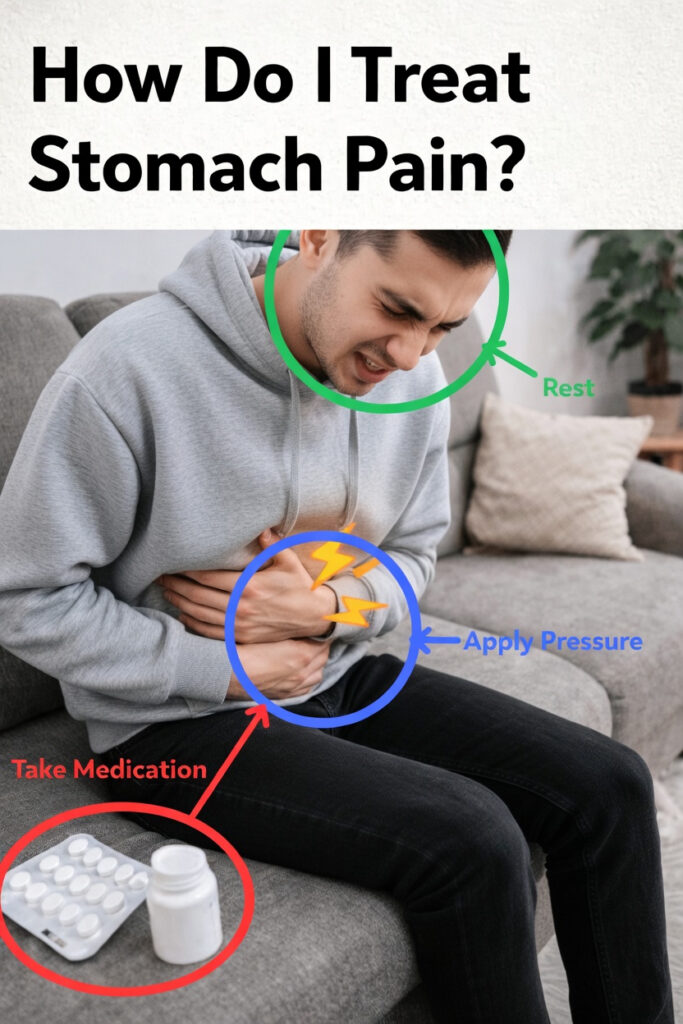
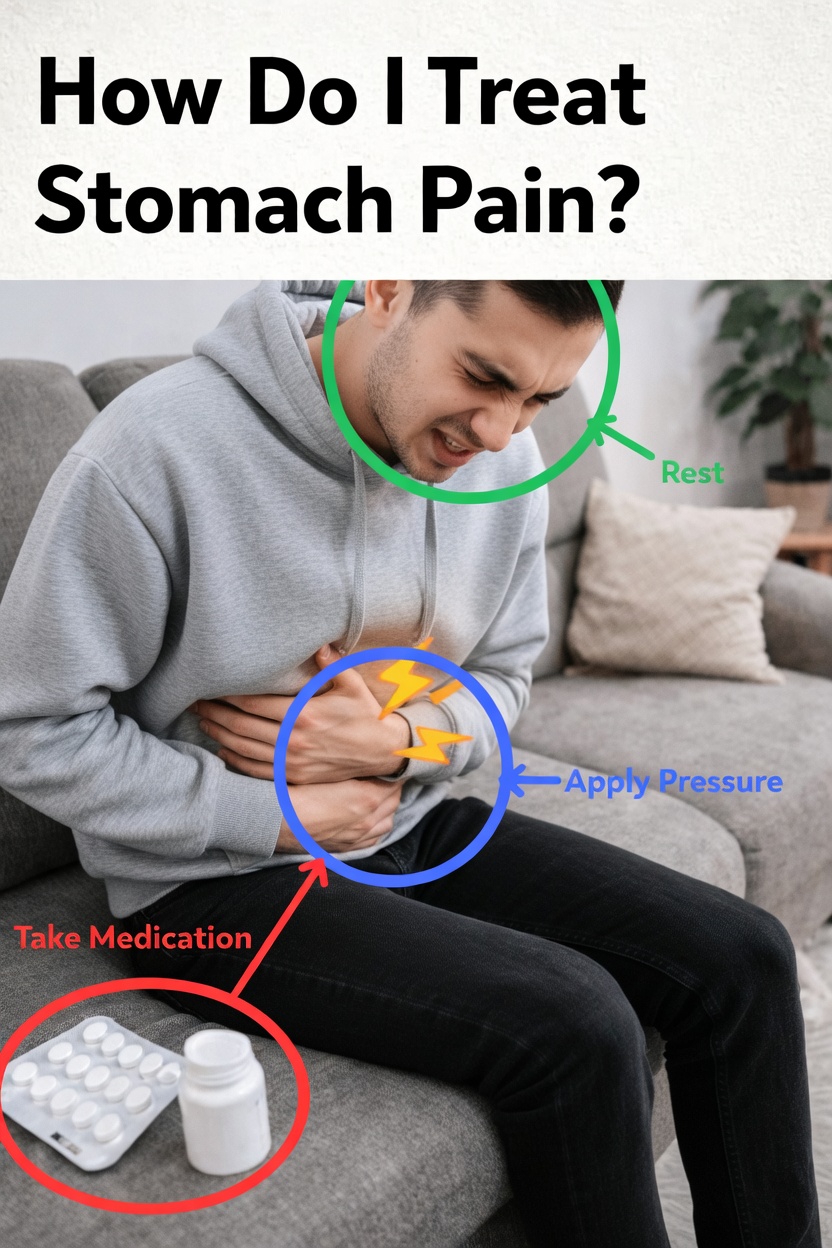
Picture this: dinner is over, the family conversation is winding down, and you finally settle onto the sofa to relax. Then, without warning, your stomach starts to feel tight, heavy, or irritated. The pain may not be severe enough to require urgent care, but it is uncomfortable enough to make you hold your abdomen and wait for it to pass.
This is a common experience for many older adults in Mexico, even if they do not talk about it openly. Bloating, pressure, and that burning sensation often seem to appear at exactly the wrong moment. In many cases, the cause is not a serious illness but small everyday habits that go unnoticed.
The encouraging news is that a few easy home remedies and common over-the-counter products can often bring more relief than expected. And one of the most valuable tips comes later in this article.
Why Stomach Pain Becomes More Common With Age
Many people assume stomach discomfort happens without a reason. In truth, it usually develops from a pattern of digestive changes and daily routines.
As the body gets older, digestion naturally slows down. Food may remain in the stomach longer, acid production can vary, and some medications may irritate the stomach lining.
There is also an important point many seniors overlook: habits that caused no problem at age thirty may start creating discomfort later in life.
Common causes include:
- Eating large meals late in the evening
- Drinking coffee before eating anything
- Taking certain medications on an empty stomach
- Frequently eating greasy or spicy foods
- Stress and poor sleep patterns
Digestive health experts often point out that mild stomach discomfort is more often linked to lifestyle factors than to serious disease. That means small changes can sometimes lead to noticeable improvement.
Here is a simple way doctors often explain it:
| Habit | Possible Effect on the Stomach |
|---|---|
| Eating too quickly | Swallowing air and causing bloating |
| Skipping meals | Increased stomach acid |
| Heavy evening meals | Slower digestion at night |
| Too much coffee | Acid irritation |
| Stress | Tightening of digestive muscles |
Recognizing these triggers is the first step toward feeling better.
Gentle Home Remedies That May Soothe the Stomach
In many Mexican homes, kitchen-based remedies are still a trusted first response to stomach discomfort. Interestingly, several of these traditional approaches are also supported by research.
These methods are mild, practical, and easy to try.
Warm herbal tea
Warm drinks may help relax digestive muscles and encourage gentle movement in the stomach.
Popular choices include:
- Ginger tea
- Chamomile tea
- Peppermint tea
Studies suggest that ginger may support digestion and reduce feelings of nausea.
A warm compress on the abdomen
This is one of the simplest remedies, yet it can be surprisingly effective.
Place a warm towel or heating pad over the stomach for about 15 minutes. The warmth may help the muscles relax and improve circulation in the area.
A short walk after eating
Doctors often recommend light movement after meals.
A slow walk for about 10 minutes can help digestion and reduce bloating. One important rule, however, is to avoid lying down right after eating, since this can worsen reflux and stomach discomfort.
Smaller meal portions
Large meals force the stomach to stretch and work harder. For many people, that increases pressure and irritation.
A better approach is to:
- Eat smaller amounts
- Slow down while eating
- Chew thoroughly
These simple adjustments can reduce digestive strain significantly.
Still, home remedies are not always enough. When symptoms continue, many people look for help at the pharmacy.
Common Over-the-Counter Options for Stomach Discomfort
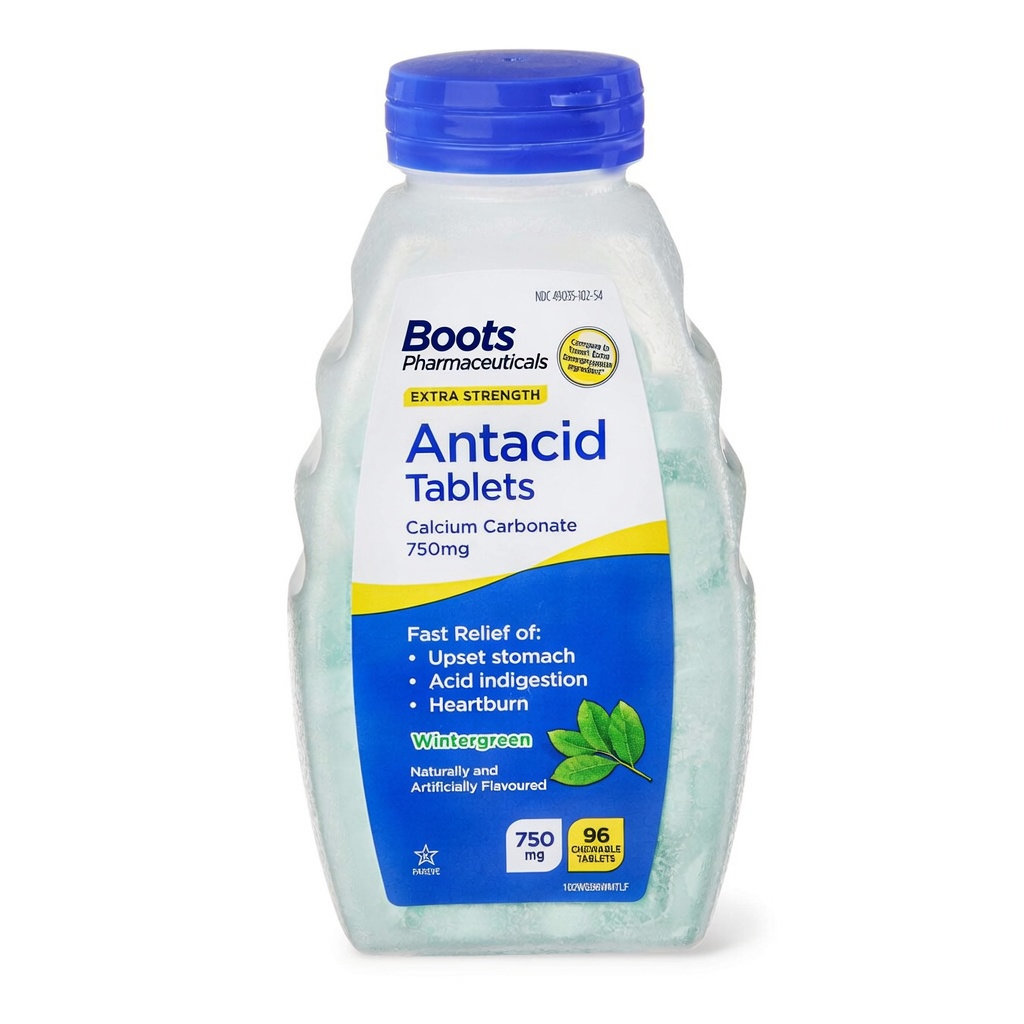
Non-prescription medicines can help relieve occasional stomach symptoms, but each type works in a different way.
Antacids
Antacids are often used to neutralize stomach acid quickly. They may help with:
- A burning feeling in the stomach
- Acid-related irritation
- Occasional indigestion
Many people feel relief within minutes.
Gas relief tablets
In some cases, the discomfort is caused more by trapped gas than by acid.
Gas relief products are designed to break up gas bubbles in the digestive tract. They can be helpful for bloating, pressure, and abdominal fullness.
Digestive enzyme supplements
These products assist the body in breaking down food during digestion. Some people find them useful after large or heavy meals.
It is important to follow product directions carefully and speak with a pharmacist or doctor if symptoms happen often.
One point should be clear: medicine may help in the moment, but it should not replace healthy daily habits.

Everyday Habits That Help Protect Your Stomach
Many doctors say prevention is much easier than dealing with recurring discomfort later. Daily habits can make a major difference in stomach health.
Eat more slowly
The stomach needs time to signal when it is full. Eating too fast can overwhelm digestion and increase bloating.
Stay hydrated
Water helps food move more smoothly through the digestive system and supports normal digestion. During meals, however, smaller sips are often better than drinking large amounts at once.
Reduce trigger foods
Certain foods commonly bother sensitive stomachs, including:
- Fried foods
- Very spicy dishes
- Too much alcohol
- Large amounts of caffeine
This does not mean you must avoid them forever. For many people, moderation is enough.
Manage stress
Stress has a real effect on digestion. The brain and digestive system are closely linked through what researchers call the gut-brain connection.
Relaxation habits that may help include:
- Deep breathing exercises
- Light stretching
- Walking outside
These small actions can reduce digestive tension and support stomach comfort.
Warning Signs You Should Not Ignore
Most stomach discomfort is mild and temporary. Still, some symptoms should never be brushed aside.
Seek medical attention if you notice:
- Severe pain or pain that does not go away
- Unexplained weight loss
- Ongoing vomiting
- Blood in the stool
- Trouble swallowing
Doctors consistently stress that persistent digestive symptoms need proper evaluation. Getting help early is the safest approach.
And remember: embarrassment should never stop someone from listening to their body. Ignoring symptoms can delay treatment that could be very helpful.
A Simple Step-by-Step Routine for Occasional Stomach Discomfort
Many people want to know what to do the moment stomach discomfort begins. This practical routine can help:
- Stop eating for the moment and sip warm water or herbal tea.
- Sit upright instead of lying down.
- Apply a warm compress to the abdomen.
- Take a slow 10-minute walk if you feel able to.
- If the discomfort continues, consider an appropriate over-the-counter product and follow the instructions carefully.
In many cases, symptoms ease gradually after these steps.
The most important message is this: regular healthy habits matter more than occasional quick fixes.
Conclusion
Occasional stomach discomfort is very common, especially as digestion changes with age.
The good news is that many cases improve with gentle home remedies, smart lifestyle adjustments, and careful use of over-the-counter medicines. Habits like eating more slowly, walking after meals, and limiting irritating foods can have a lasting positive effect.
What many people eventually learn is simple: the stomach usually responds best to patience, moderation, and daily care, not rushed solutions.
Frequently Asked Questions
What foods are easiest to eat when the stomach feels upset?
Simple foods are often best during discomfort. Good options include:
- Rice
- Bananas
- Toast
- Oatmeal
- Broth
These foods are usually easier to digest when the stomach feels sensitive.
Is stomach discomfort after eating normal in older adults?
Occasional discomfort can happen because digestion slows with age or because certain foods are harder to tolerate. However, symptoms that are frequent, intense, or worsening should be discussed with a healthcare professional.
Can stress really affect the stomach?
Yes. Research shows that the digestive system and nervous system are closely connected. Emotional stress can increase tension in the digestive tract and make symptoms like bloating, burning, or discomfort feel worse.