Is Vaping Really Safer? Understanding “Popcorn Lung” and How to Protect Your Lungs
Picture this: you are relaxing with family after dinner when a younger relative takes out a vape and casually says it is much safer than smoking. You may feel unsure, maybe even a little awkward, and choose not to say anything. Later that evening, you come across the term “popcorn lung” and start questioning whether that sweet-scented vapor is as harmless as people claim.
Many adults share this uncertainty. The encouraging part is that this topic is not as complicated as it sounds. In fact, learning the basics of popcorn lung and making one or two simple habit changes may help protect your breathing for years.
What Is “Popcorn Lung”?
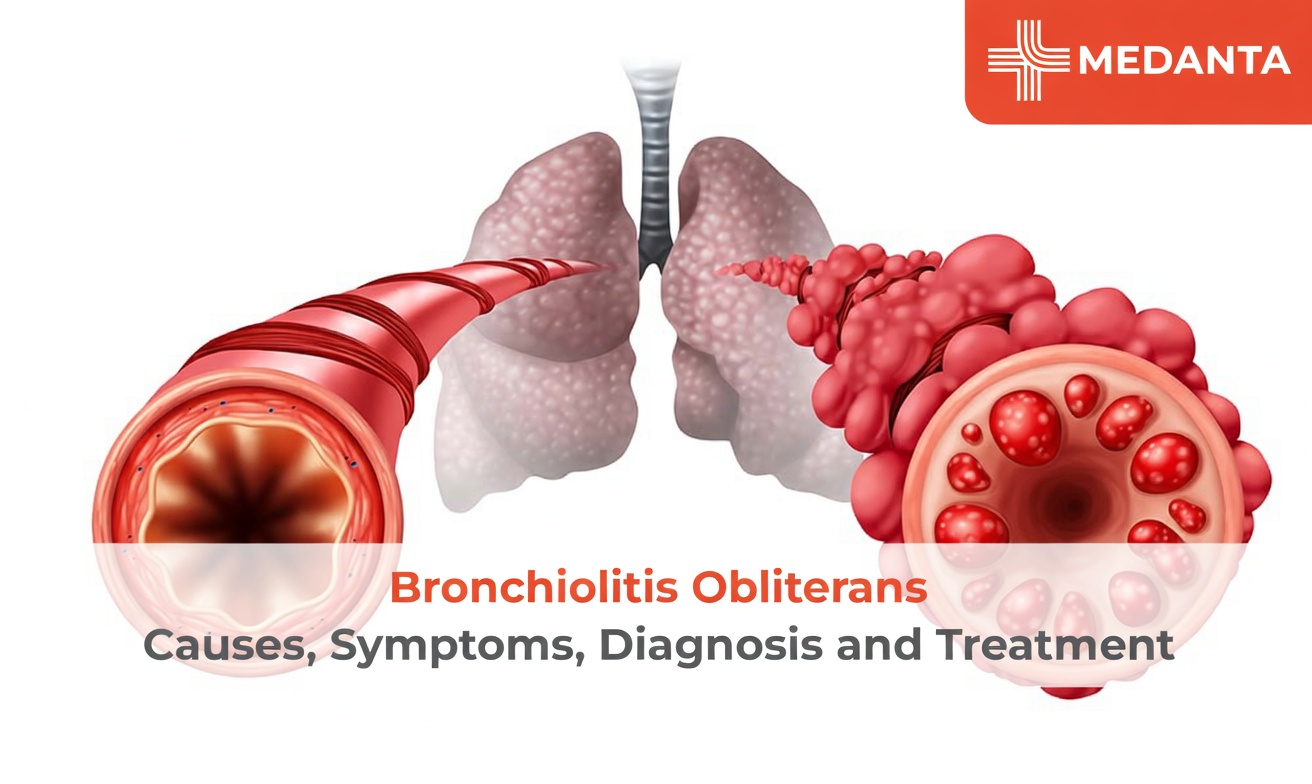
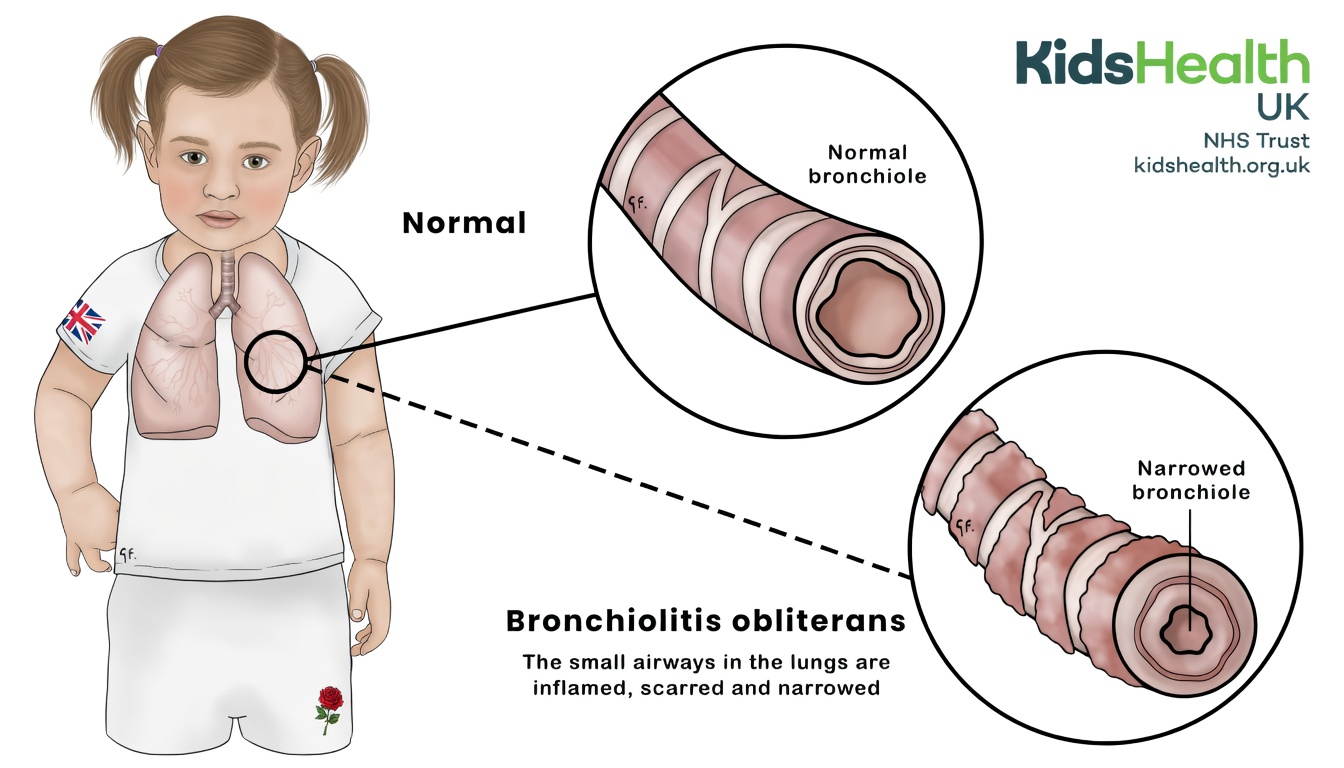
Although the name sounds unusual, popcorn lung is the informal term for bronchiolitis obliterans, a condition that harms the smallest airways in the lungs.
These tiny passages are responsible for helping oxygen move efficiently through the body. When they become inflamed, irritated, or scarred, breathing can gradually become more difficult.
The nickname came from an earlier workplace health issue. Workers in microwave popcorn factories were exposed to a flavoring chemical called diacetyl, and some developed serious lung irritation after inhaling it repeatedly over time.
Later, medical experts raised similar concerns when certain flavored vape liquids were found to contain compounds that could potentially irritate lung tissue when inhaled.
Research from respiratory health organizations has suggested that some flavoring chemicals may be harmful to airway cells. Because vaping products differ so much in ingredients and quality, specialists remain cautious about their long-term effects on the lungs.
Symptoms That May Signal Airway Irritation
Common symptoms linked to small-airway irritation include:
- A cough that does not go away
- Shortness of breath during normal daily tasks
- Wheezing
- Tiredness after mild activity
One important challenge is that these symptoms often appear slowly. Because of that, many people dismiss them until breathing problems become more obvious.
How Vaping Can Affect the Small Airways
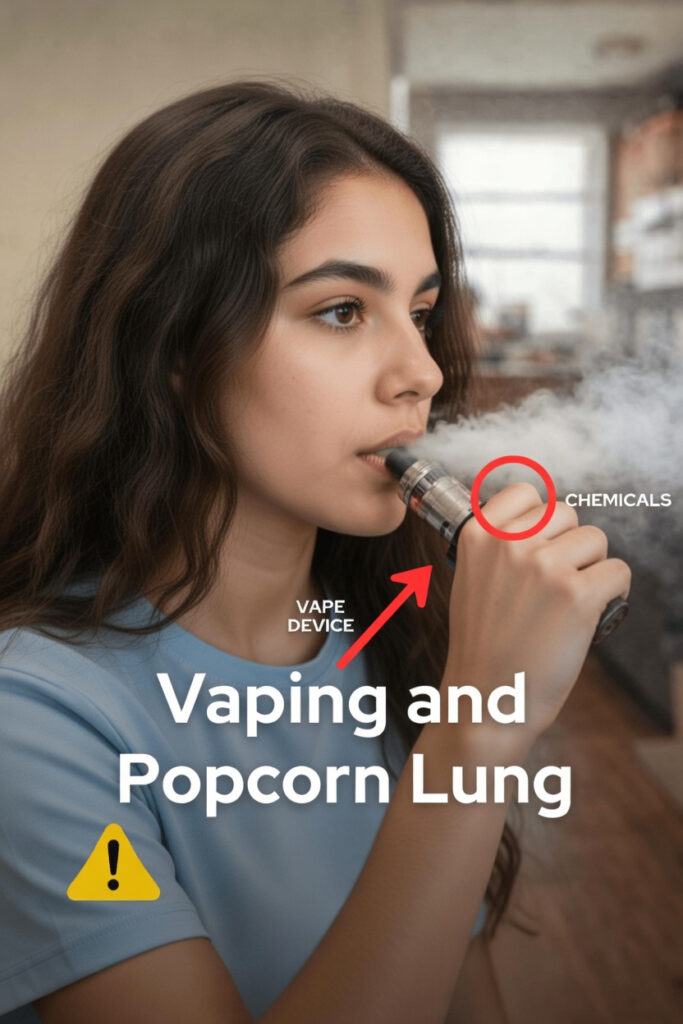
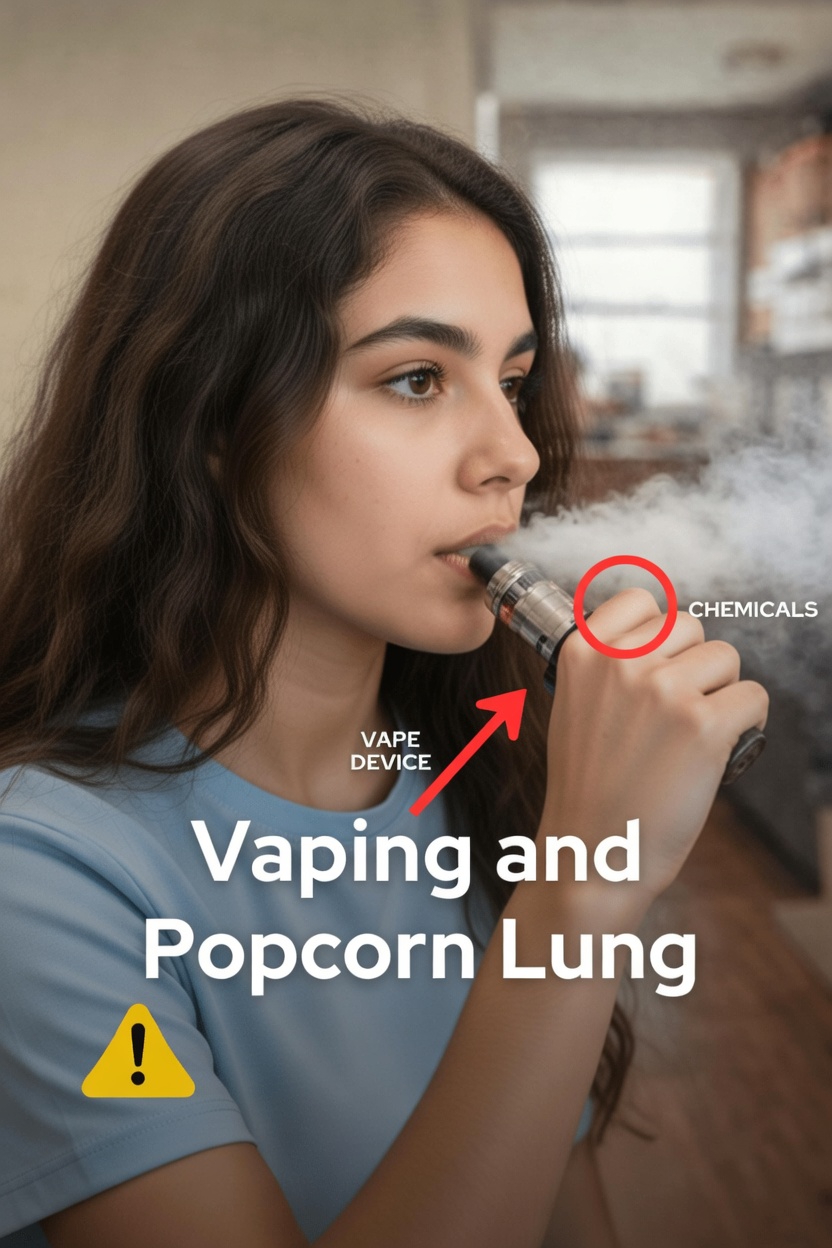
Vaping devices work by heating liquid into an aerosol that is then inhaled. That aerosol may contain:
- Flavoring chemicals
- Solvents
- Nicotine
- Fine particles
A common misconception is that vape vapor is simply harmless water mist. In reality, it can contain a mix of heated chemicals and microscopic particles that reach deep into the lungs.
Some studies in respiratory medicine have found that repeated exposure to certain flavor compounds may irritate the cells lining the airways. This matters because the lungs contain millions of delicate bronchioles, or very small air passages, that are easily affected by inhaled substances.
When these tiny airways are exposed to repeated irritation, inflammation can develop. Over time, that irritation may contribute to narrowing or scarring.
Doctors stress that the level of risk is not identical for everyone. It can depend on:
- The ingredients in the product
- How often a person vapes
- Length of exposure
- Overall lung health and medical history
Even so, the long-term effects of inhaling heated chemical aerosols are still being studied, which is one reason experts advise caution.
A Simple Comparison of Lung Exposure Risks
Here is an easy way to think about how different exposures may affect the lungs:
| Exposure Source | Possible Lung Irritation Risk | Why Doctors Pay Attention |
|---|---|---|
| Clean outdoor air | Very low | This is the natural environment the lungs are designed for |
| Occasional smoke exposure | Moderate | Smoke particles can irritate the airway lining |
| Regular vaping aerosols | Uncertain but concerning | Heated chemicals may reach the smallest airways |
| Industrial chemical inhalation | Higher risk | Some chemicals are known lung irritants |
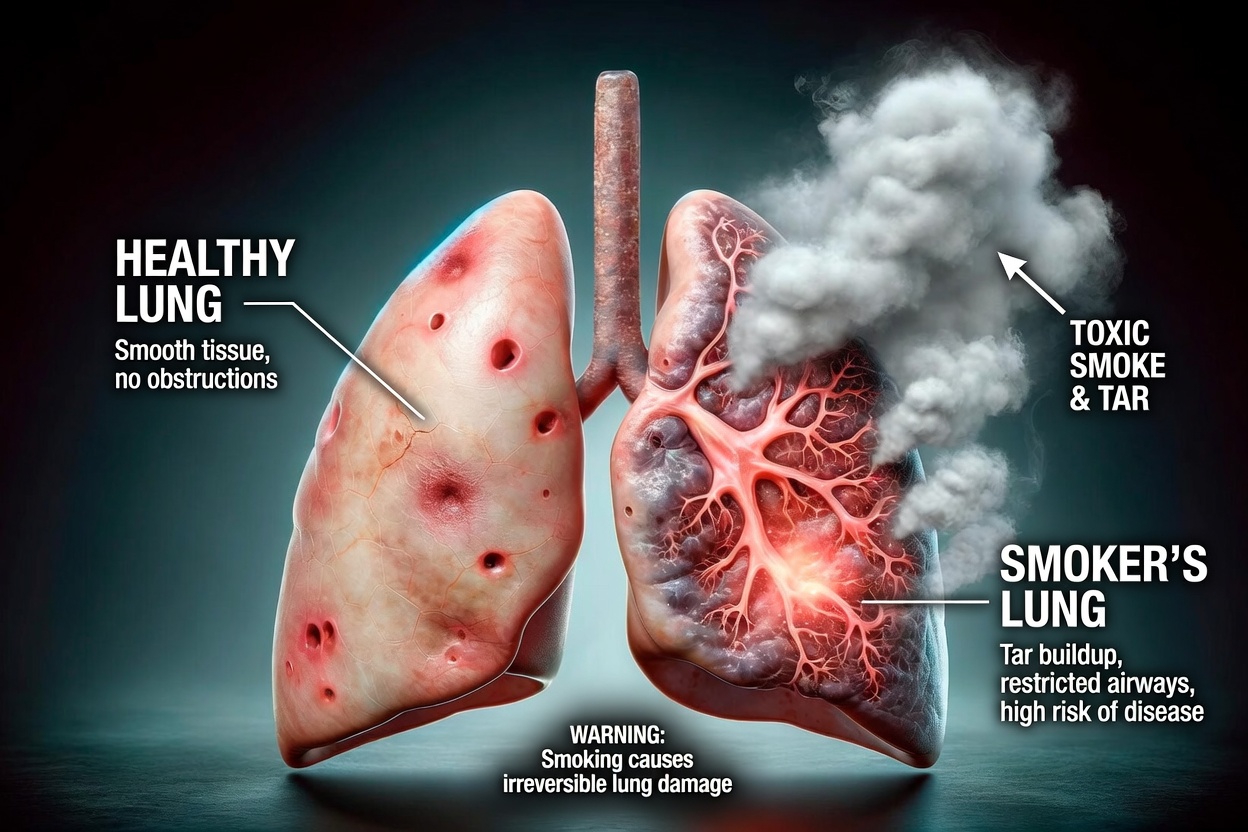
The main takeaway is straightforward: human lungs function best with clean air. Any other inhaled substance can place added stress on sensitive airway tissue.
Warning Signs Your Lungs May Be Under Strain
Many people in their fifties or sixties assume getting winded more easily is just part of aging. Sometimes that is true. But sometimes it is an early warning sign from the lungs.
Respiratory specialists often encourage adults to notice subtle changes such as:
- A cough lasting for weeks
- Breathlessness during short walks
- A feeling of tightness in the chest
- Wheezing while breathing
- Less stamina than a few years earlier
What many people miss is that lung-related symptoms often develop gradually. Instead of noticing a sudden decline, a person may simply begin adjusting without realizing it by:
- Avoiding stairs
- Walking more slowly
- Taking more breaks
- Limiting physical activity
In other words, the body adapts quietly while breathing capacity may be decreasing.
Paying attention early gives doctors a better chance to evaluate lung function and identify possible sources of irritation before the problem worsens.
Everyday Habits That Can Help Protect Lung Health
The good news is that supporting your lungs does not always require complex treatment. In many cases, protection begins with simple daily choices.
1. Cut Down on Inhaled Chemicals
If you use vaping products, reducing how often you use them may help lower irritation. Avoiding flavored liquids with unclear ingredient lists may also be a smarter choice.
2. Improve Indoor Air Quality
Clean indoor air matters more than many people realize. Helpful habits include:
- Opening windows when possible
- Using kitchen exhaust fans while cooking
- Limiting strong chemical sprays indoors
3. Stay Active
Regular movement supports breathing efficiency. Even 20 minutes of walking a day can help maintain lung function and endurance.
4. Drink Enough Water
Hydration helps the respiratory system maintain healthy mucus balance, which supports normal airway function.
5. Keep Up With Routine Checkups
A basic medical evaluation can help detect early breathing changes and provide peace of mind if you have concerns.
Many people are surprised to learn that even modest lifestyle improvements can strengthen lung resilience over time. When exposure to irritants goes down, the lungs have a better chance to recover and maintain function.

Final Thoughts
Popcorn lung may have a strange name, but the health message behind it is serious. The smallest airways in the lungs are fragile, and repeated exposure to inhaled chemicals may place them under ongoing stress.
Vaping products continue to change, and researchers are still studying their long-term impact. Still, respiratory experts agree on one clear principle:
The healthiest air for your lungs is clean air.
If you or someone in your household uses a vape, staying informed and reducing exposure may help preserve breathing comfort over the long term.
Sometimes the most important decision for lung health is simply choosing what not to inhale. That small choice could make every breath feel easier in the years ahead.

Frequently Asked Questions
Can vaping directly cause popcorn lung?
Earlier concerns focused on chemicals such as diacetyl, which was linked to lung irritation in factory workers. Today’s vaping products vary widely, and research is still ongoing. Even so, many health experts recommend caution because some inhaled flavoring chemicals may irritate lung tissue.
Is popcorn lung a common condition?
Bronchiolitis obliterans is considered relatively uncommon. However, doctors take airway irritation seriously because damage to the smallest airways can reduce breathing ability and affect quality of life.
What are early ways to support lung health?
Yes, there are practical steps that may help. These include:
- Reducing exposure to smoke and aerosol inhalation
- Staying physically active
- Seeking medical advice if you have an ongoing cough or unexplained shortness of breath
Medical Disclaimer
This article is intended for educational purposes only and should not be considered a substitute for professional medical advice. If you have persistent breathing symptoms or other concerning health changes, consult a qualified healthcare professional for proper evaluation.