
A Simple Rosemary and Clove Water Routine for Thinning Hair
Many adults feel quietly self-conscious when they start seeing extra hair in the shower, on a brush, or across the pillow in the morning. It is often upsetting to watch hair that once seemed thick and healthy begin to look finer, flatter, and more fragile.
What starts as a minor concern can slowly turn into an everyday source of stress, even though few people openly discuss it. The good news is that there are simple scalp care habits worth exploring. One traditional approach that has gained renewed attention is rosemary and clove water for hair care.
By the end of this article, you will understand how this herbal rinse works, how to prepare it, and how to use it as part of a consistent routine.

Why Hair Often Becomes Thinner With Age
Changes in hair texture and density are extremely common as people get older. Many adults in their 40s, 50s, and later years notice that their hair no longer feels as full or resilient as it once did.
Several everyday factors can gradually affect hair thickness, including:
- Natural hormonal changes
- Reduced blood flow to the scalp
- Stress and lack of quality sleep
- Low intake of key nutrients
- Frequent use of strong or drying hair products
Studies published in dermatology research have shown that the hair growth cycle tends to slow with age. Hair follicles may remain in the resting stage longer and produce strands that are thinner than before.
However, age is not the only factor.
Daily habits also shape overall scalp condition. When the scalp is dry, circulation is poor, or styling products build up over time, hair can appear weaker, duller, or less voluminous than it actually is.
This helps explain why traditional herbal scalp care methods continue to attract interest. Among the most frequently mentioned ingredients are rosemary and cloves.
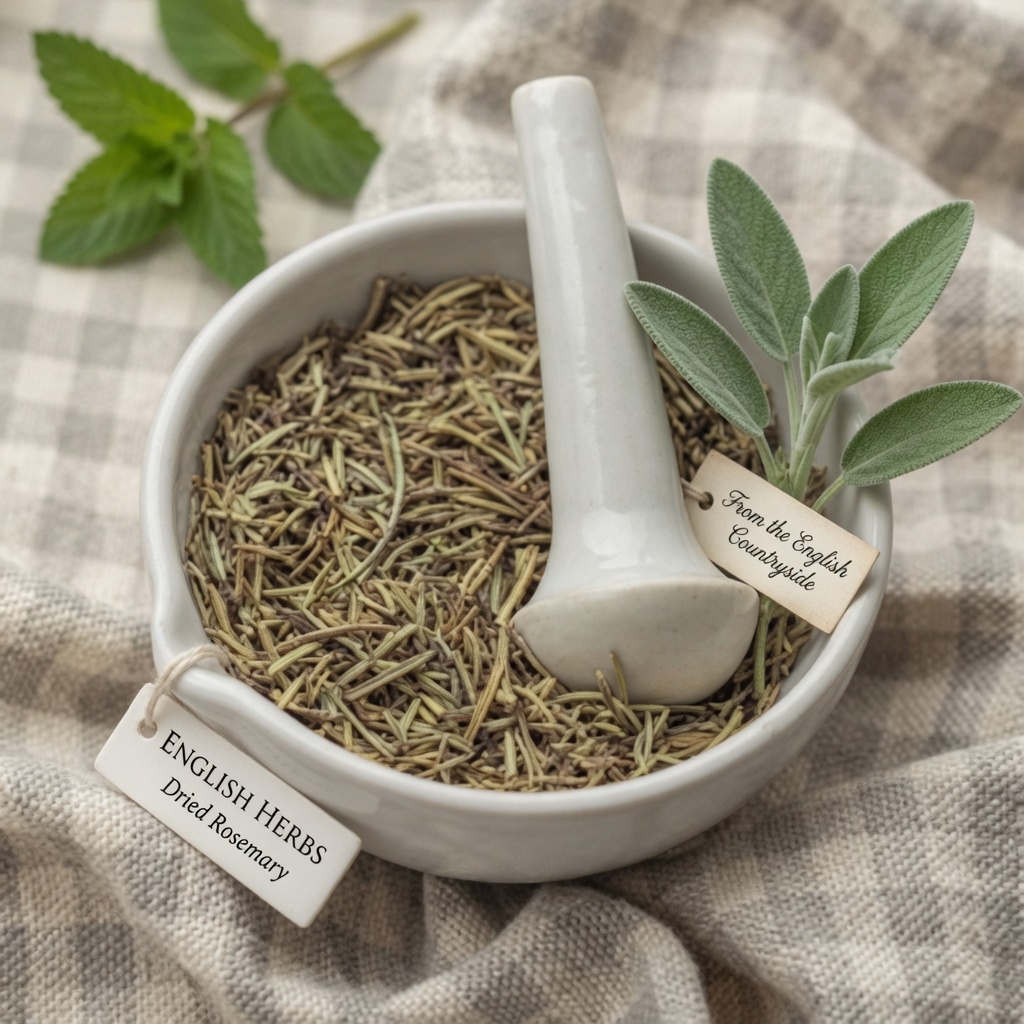
Rosemary and Clove Water: A Traditional Herbal Scalp Care Practice
For generations, many cultures have included herbal rinses in their beauty and wellness routines. Rosemary and cloves are often highlighted because they contain aromatic plant oils and naturally occurring compounds associated with scalp care.
Rosemary has been studied for compounds that may help support healthy scalp circulation. Cloves are known for their antioxidants and fragrant oils, which have long been used in traditional wellness practices.
Some smaller studies suggest that rosemary oil may help support scalp comfort and improve the appearance of healthy hair when used regularly. Clove extracts have also been researched for their antimicrobial properties, which may contribute to better scalp balance.
That said, it is important to stay realistic.
These herbs are not miracle treatments and should not be viewed as instant fixes for hair loss. Instead, they may help create a healthier scalp environment when paired with good hair care habits and used consistently over time.
Rosemary vs. Cloves for Scalp Care
| Ingredient | Key Natural Components | Traditional Use |
|---|---|---|
| Rosemary | Antioxidants and aromatic oils | Herbal rinses and scalp massage |
| Cloves | Eugenol and plant antioxidants | Scalp refresh treatments and herbal tonics |
When used together in a gentle rinse, these ingredients can create a refreshing scalp treatment that many people enjoy adding to their weekly routine.
So how do you make it at home?

How to Make Rosemary and Clove Water at Home
This is the part many readers want to know most. The good news is that the recipe is simple and uses only a few basic ingredients.
Ingredients
- 1 tablespoon dried rosemary or a small handful of fresh rosemary
- 1 teaspoon whole cloves
- 2 cups of water
Step-by-Step Instructions
- Pour the water into a small pot and bring it to a gentle boil.
- Add the rosemary and cloves.
- Let the mixture simmer for about 10 to 15 minutes.
- Turn off the heat and leave it to cool completely.
- Strain out the herbs.
- Transfer the liquid into a clean bottle or spray container.
That is all you need to make a basic rosemary and clove water rinse for your scalp care routine.
But preparation is only part of the process. Proper application matters too.
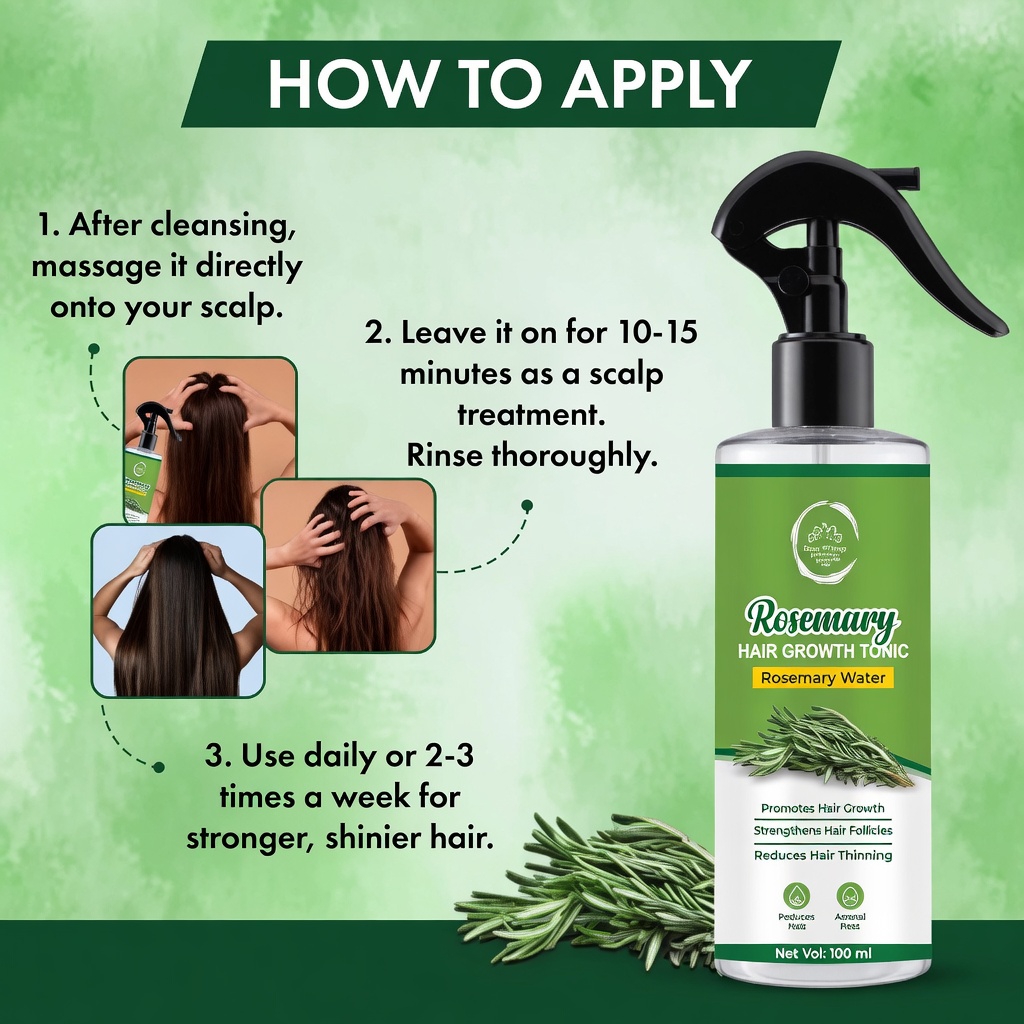
The Best Way to Use Rosemary and Clove Water for Scalp Care
When using herbal hair water, consistency matters much more than speed. Most people who include it in their routine use it regularly rather than expecting immediate results.
Simple Application Routine
- Wash your hair as usual.
- Gently towel dry the scalp and hair.
- Spray the rosemary and clove water directly onto the scalp.
- Use your fingertips to massage the scalp for 1 to 2 minutes.
- Leave it on without rinsing.
- Repeat 3 to 4 times per week.
Why Scalp Massage Matters
The massage step is important because gentle scalp stimulation may help encourage circulation and spread natural oils more evenly. Dermatology experts often note that scalp massage can support the overall appearance of hair by improving blood flow around the follicles.
Still, patience is essential.
Hair growth is a slow biological process, and visible changes usually require weeks or even months. There is also another piece of the puzzle that many people ignore: lifestyle habits.
Daily Habits That Support Healthy-Looking Hair
Even a well-made herbal rinse works better when it is part of a broader hair wellness routine. Healthy-looking hair usually reflects what you do consistently each day, not just one treatment.
Dermatologists often recommend the following habits:
- Eat protein-rich foods such as eggs, beans, fish, and nuts
- Add leafy greens for iron and antioxidants
- Limit excessive use of heat styling tools
- Choose gentle shampoos instead of harsh cleansers
- Reduce stress through walking, meditation, or regular sleep habits
Helpful Hair Health Comparison
| Habit | Why It Matters |
|---|---|
| Balanced nutrition | Supports the natural hair growth cycle |
| Gentle scalp care | Helps prevent unnecessary breakage |
| Regular sleep | Supports healthy hormonal balance |
| Stress management | May help reduce stress-related shedding |
The key point is simple: hair health rarely depends on one single product. It usually reflects a combination of steady habits that support both the scalp and the body over time.

Final Thoughts
Thinning hair can be discouraging and, for many people, deeply frustrating. Because the change often happens gradually, it may feel especially difficult to address. Still, simple habits such as herbal rinses, scalp massage, and balanced nutrition may help support stronger, healthier-looking hair when practiced consistently.
Rosemary and clove water is one traditional scalp care remedy that many people are rediscovering today. While it should never be treated as a miracle cure, it can be an affordable, gentle, and easy addition to a regular hair care routine.
Sometimes the most overlooked habits are also the simplest ones to start.
Frequently Asked Questions
How often should rosemary and clove water be used on the scalp?
Most people apply it 3 to 4 times per week as a scalp spray or rinse. In most cases, consistency matters more than using it every day.
Can rosemary and clove water replace shampoo?
No. This herbal water works best as an addition to your normal wash routine, not as a substitute for shampoo.
How long does it take to notice a difference in hair appearance?
Hair typically grows at around 1 centimeter per month, so changes are usually gradual. Supportive routines may take several weeks or months before visible improvements are noticed.
Medical Disclaimer
This article is intended for educational purposes only and is not a substitute for professional medical advice. Anyone dealing with scalp conditions, excessive hair shedding, or ongoing hair concerns should speak with a qualified healthcare professional for personalized guidance.