
Why You Keep Waking Up at 3 or 4 AM
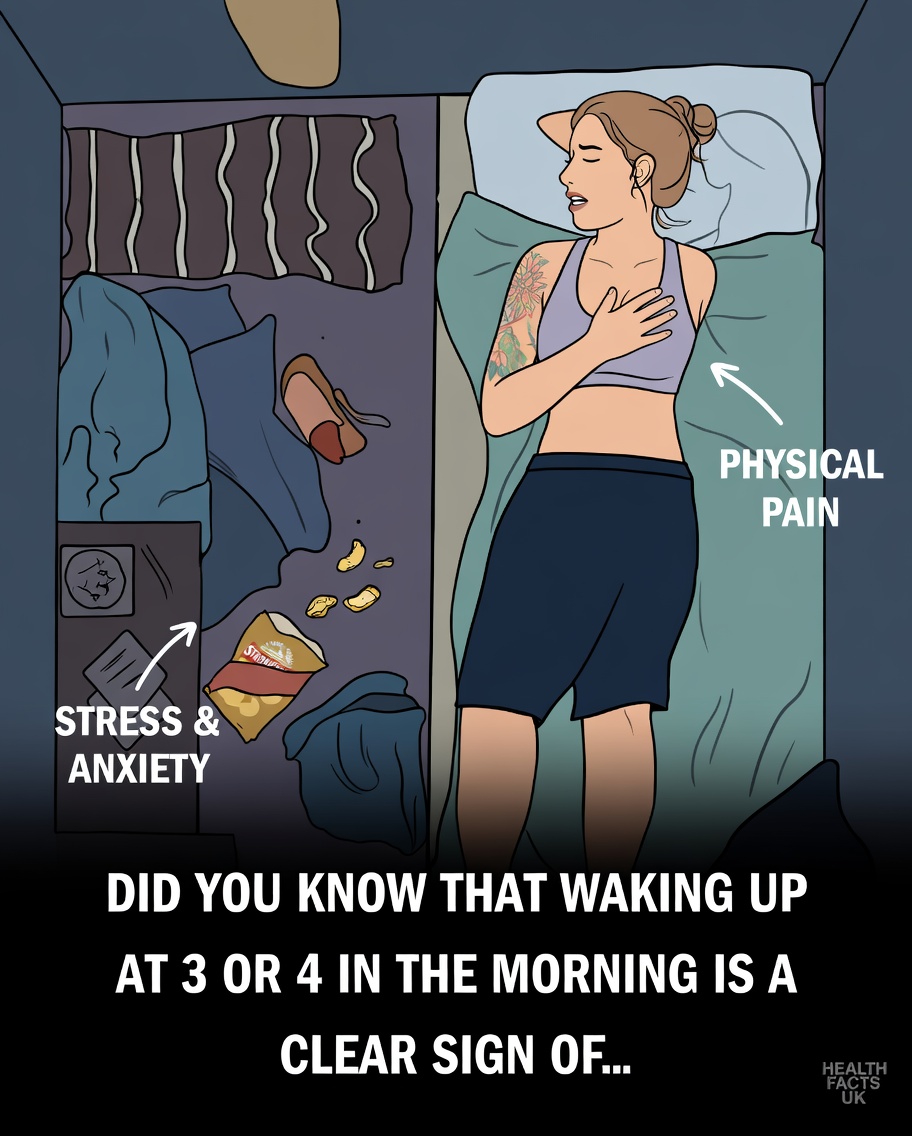
Have you ever suddenly opened your eyes at 3 or 4 in the morning, feeling slightly tense and instantly wide awake? You lie there staring into the dark, wondering why sleep disappeared yet again. It is a frustrating experience, and it can leave you exhausted the next day.
The reassuring part is that this pattern is very common. In many cases, waking up in the early morning is connected to normal sleep rhythms, daily habits, and stress rather than anything unusual or dangerous. Below, we’ll look at the most common reasons this happens and the practical things you can do tonight to sleep more soundly.
What Your Sleep Cycle May Be Revealing
Sleep is not one steady state from bedtime to sunrise. Your body moves through repeating sleep cycles, each lasting about 90 minutes. Earlier in the night, deep sleep tends to dominate. As morning gets closer, lighter sleep and REM sleep become more frequent.
Because of this shift, the second half of the night is when you are easier to wake. For people who usually fall asleep between 10 PM and midnight, the 3 to 4 AM window often happens during these lighter phases. Even minor disruptions can be enough to interrupt rest.

Another important factor is cortisol, the body’s natural stress hormone. Cortisol starts rising in the early morning to help prepare you to wake up and become alert. Sleep research suggests this increase commonly builds between 2 and 4 AM. If you are dealing with ongoing stress, this normal hormonal change may feel stronger and make waking up more likely.
Some holistic traditions also connect this time of night to liver function. In Traditional Chinese Medicine, the period from 1 to 3 AM is associated with the liver and the body’s process of detoxification and emotional regulation. Waking during this period, or soon after, is sometimes viewed as a sign that stress, emotions, or diet may be affecting overall balance.
Common Reasons You Wake Up at This Hour
A number of everyday habits and outside influences can trigger early morning wake-ups. In most cases, the cause is not just one thing but a combination of factors.
Stress and Mental Overactivity
When the house is quiet and distractions are gone, worries often become louder. Thoughts about work, relationships, money, or unfinished tasks can surface in the middle of the night and make it difficult to fall asleep again.
A Disruptive Sleep Environment
Your surroundings have a major effect on sleep quality. A room that is too warm, sudden sounds outside, light coming through the window, or movement from a partner can easily wake you during lighter sleep stages.
Food, Caffeine, and Alcohol
What you eat and drink can strongly influence your sleep. Heavy meals late in the evening may make rest less comfortable. Caffeine consumed in the afternoon or evening can linger in the body longer than many people realize. Alcohol may seem relaxing at first, but it often disrupts sleep later in the night and can lead to waking up after only a few hours.
Hormones, Aging, and Physical Needs
Hormonal fluctuations, age-related sleep changes, and practical issues like waking to use the bathroom can also contribute. As people get older, sleep often becomes lighter and more fragmented, which can make early wake-ups more common.
Quick Overview of Common Triggers
- Stress and anxiety: racing thoughts, higher cortisol levels
- Sleep environment: noise, light, or uncomfortable room temperature
- Diet and habits: late caffeine, alcohol, large evening meals
- Natural body rhythms: lighter REM sleep and early morning hormonal shifts
Simple Ways to Sleep More Consistently Through the Night
You do not need an extreme routine overhaul to see results. Small, consistent changes can make a noticeable difference.
1. Build a Relaxing Bedtime Routine
Give your body a clear signal that sleep is approaching. Lower the lights and avoid screens for at least an hour before bed. This helps support melatonin production, which is essential for healthy sleep timing.
2. Improve Your Bedroom Setup
A cool, dark, and quiet room usually supports better sleep. Aim for a temperature around 60 to 67°F, or 15 to 19°C. If outside light or sound is a problem, blackout curtains, earplugs, or a white noise machine may help.
3. Be Mindful of Evening Intake
Try to avoid caffeine after midday. Limit heavy meals close to bedtime, and pay attention to how alcohol affects your sleep pattern. Even small reductions can make nighttime sleep more stable.
4. Reduce Stress Before Bed
Calming practices in the evening can make a big difference. Deep breathing, light stretching, meditation, or journaling may help your mind process the day before your head hits the pillow.
5. If You Wake Up, Stay Calm
Checking the time or reaching for your phone often makes the situation worse. Instead, keep the lights off, stay relaxed, and focus on slow breathing. Progressive muscle relaxation or another simple calming method can help you drift back to sleep more easily.

Additional Habits That Can Support Better Sleep
Daytime choices also affect what happens at night. Gentle physical activity, especially a walk outdoors in daylight, can help regulate your circadian rhythm. Natural light exposure during the day reinforces the body’s internal clock and may improve sleep timing.
Hydration matters too, but it helps to reduce fluid intake later in the evening if bathroom trips are interrupting your rest.
If you prefer a more holistic wellness approach, supporting liver health through balanced eating may also contribute to better overall well-being. A diet rich in vegetables, adequate hydration, and moderate protein intake can be a helpful foundation.
If these wake-ups continue, keeping a simple sleep log for a week may reveal useful patterns. Track your bedtime, wake-up time, evening meals, alcohol, caffeine, and stress levels to identify possible triggers.
Frequently Asked Questions About Waking at 3 or 4 AM
Why do I wake up at the same time every night?
This often happens because your sleep cycles repeatedly line up with that hour, especially when combined with the body’s natural early morning rise in cortisol. Consistent sleep habits can help, and small routine adjustments may gradually shift the pattern.
Is waking up at 3 or 4 AM always a warning sign?
No. For many people, it is a normal and occasional part of sleep. It often reflects how the body moves through lighter sleep stages rather than a serious problem.
What should I do if nothing works?
If early wake-ups become frequent and start affecting your energy, mood, or daily functioning, it may be worth speaking with a healthcare professional. Persistent sleep disruption can sometimes be linked to underlying sleep disorders or other health concerns.
Important Note
This article is intended for informational purposes only and should not replace professional medical advice. If you have ongoing concerns about your sleep or general health, consult a qualified healthcare provider.