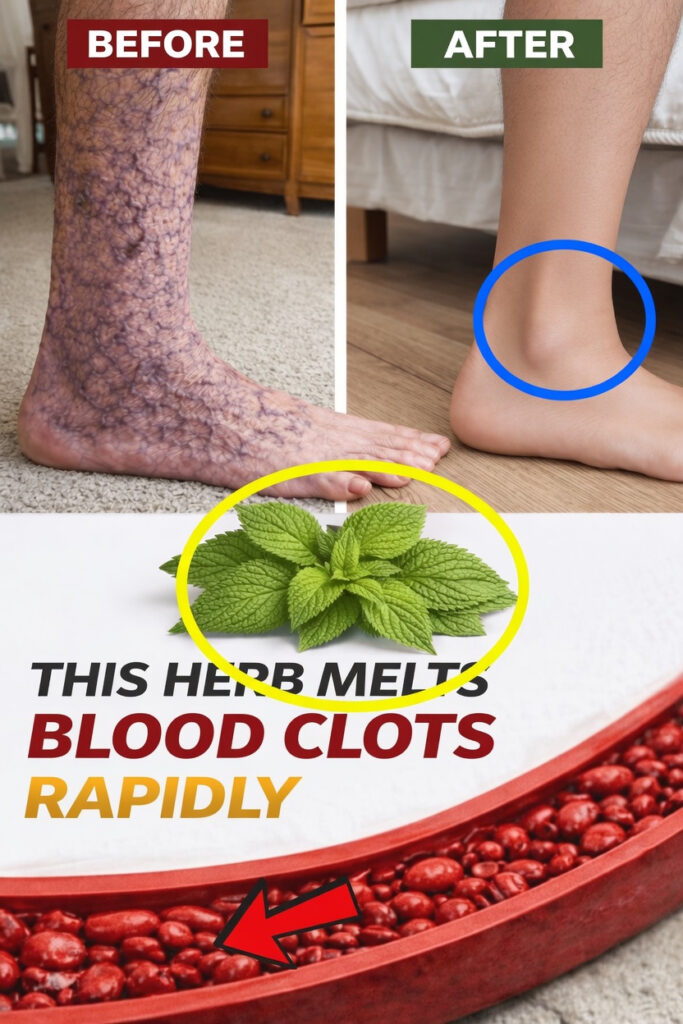
Natural Herbs That May Help Support Healthy Leg Circulation
Poor circulation in the legs often happens when veins have difficulty moving blood upward against gravity. As blood begins to collect in the lower limbs, it can contribute to heaviness, puffiness, aching, or more noticeable veins. Evidence suggests that improving vascular support through smart daily habits and diet may help make legs feel more comfortable over time.
Plant-based compounds with anti-inflammatory and blood vessel-supporting properties have drawn growing scientific attention. They are not cures, but they may promote better vein health when used as part of a balanced wellness routine.
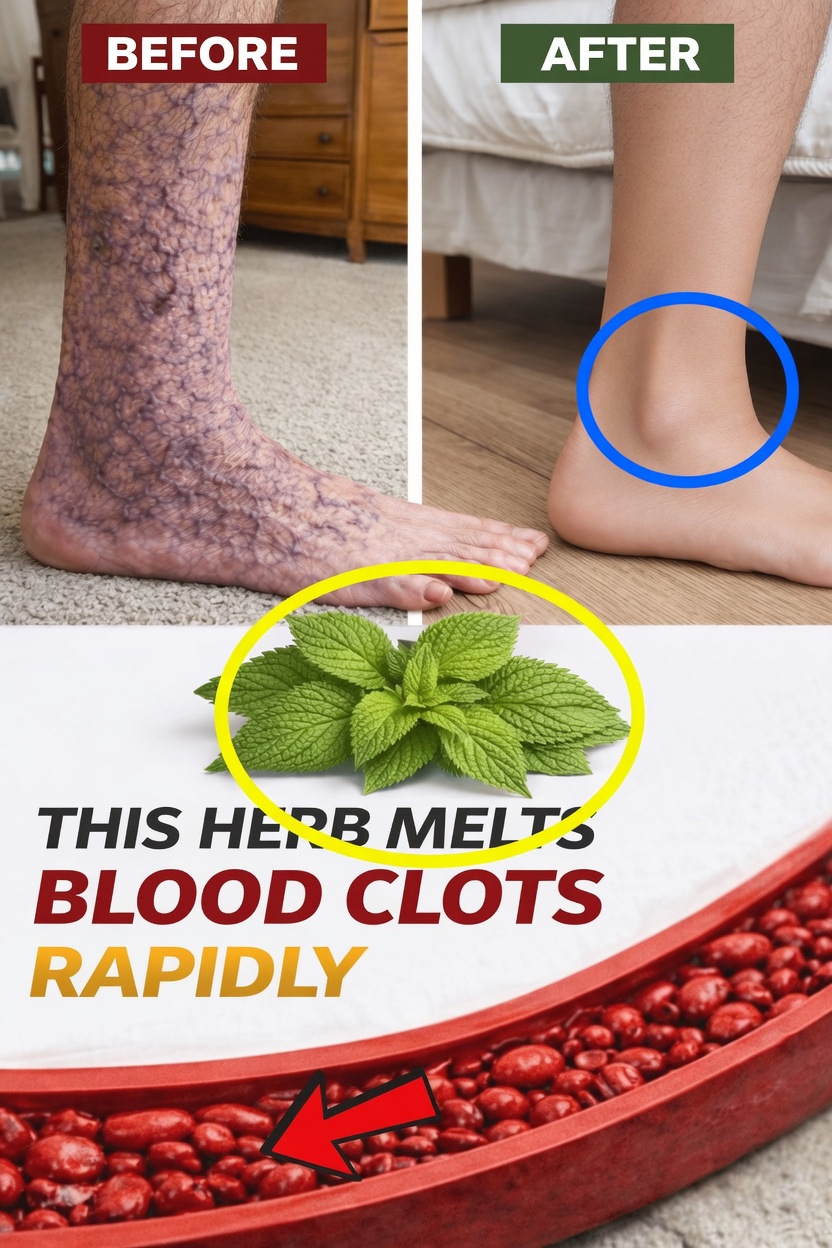
Best Herbs Commonly Used for Blood Flow Support
A number of herbs are frequently mentioned in research for their potential to encourage circulation and reduce discomfort in the legs. Below are some of the most widely discussed options.
1. Horse Chestnut Seed Extract
Horse chestnut, or Aesculus hippocastanum, is known for a compound called aescin. This ingredient has been studied for its potential effects on vein strength and fluid retention.
- Reviews of clinical studies suggest it may help reduce swelling, leg heaviness, and discomfort linked to chronic venous concerns.
- Among herbal options for circulation, horse chestnut is often considered one of the better-researched choices.
Typical use: Standardized extracts are often used in studies, commonly around 300 mg daily, usually providing 50-150 mg of aescin. Always read the product label carefully.
2. Butcher’s Broom
Butcher’s broom, or Ruscus aculeatus, has a long history of traditional use for vein support. Its active compounds, including ruscogenins, may help support blood vessel tone and improve blood movement.
- Trial analyses indicate that it may help ease leg cramps, swelling, and pain related to poor circulation.
- It is often included in formulas with other herbs for broader vascular support.
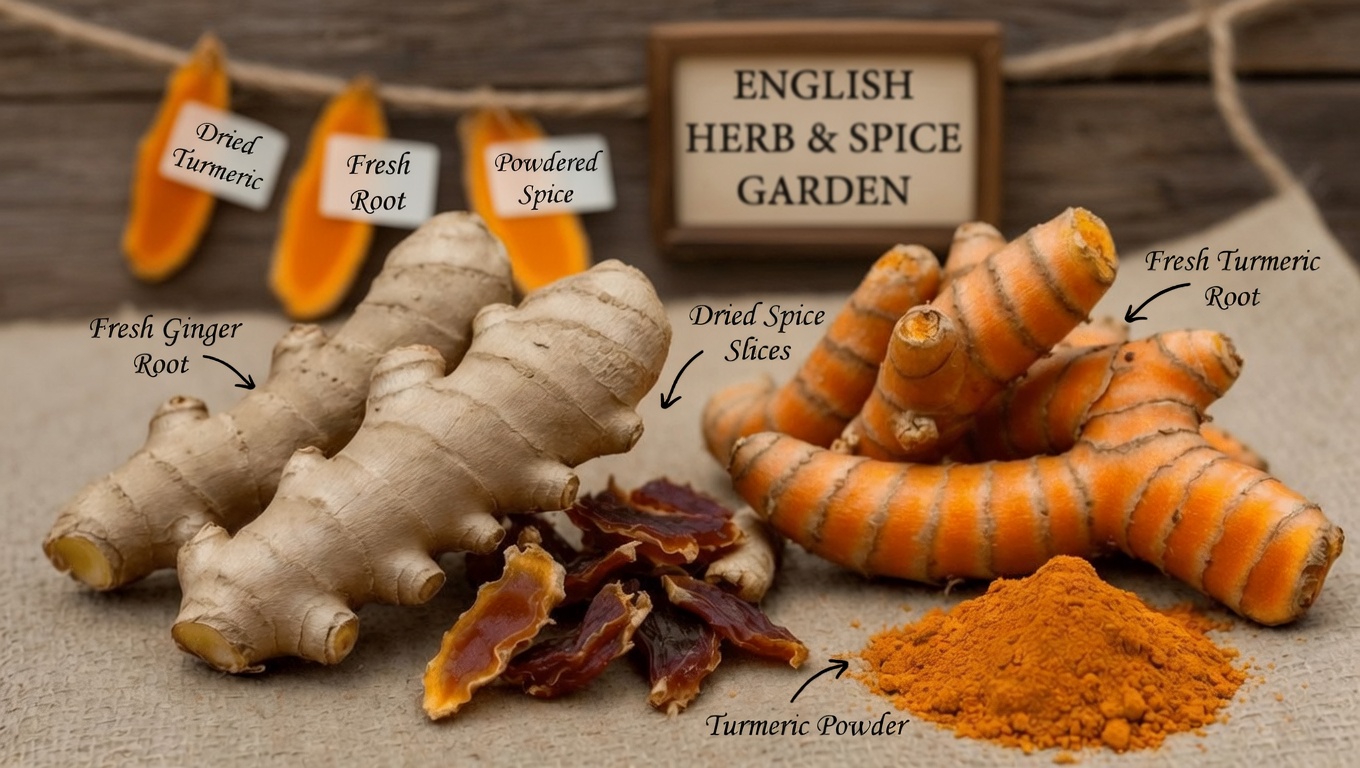
3. Ginger
Ginger, known botanically as Zingiber officinale, contains gingerol, a natural compound associated with anti-inflammatory effects and blood vessel relaxation.
- Research suggests ginger may support healthy blood pressure balance and peripheral circulation.
- It may be especially helpful for people who often experience cold feet, sluggish circulation, or a heavy feeling in the legs.
Its warming effect also makes it a practical choice for everyday use.
4. Cayenne Pepper
Cayenne pepper, from Capsicum annuum, contains capsaicin. This compound may help stimulate nitric oxide activity, which supports the widening of blood vessels.
- Scientific reviews suggest cayenne may encourage healthier circulation.
- It has also been discussed in connection with long-term vascular support.
If you are sensitive to spicy foods, it is best to begin with a small amount.
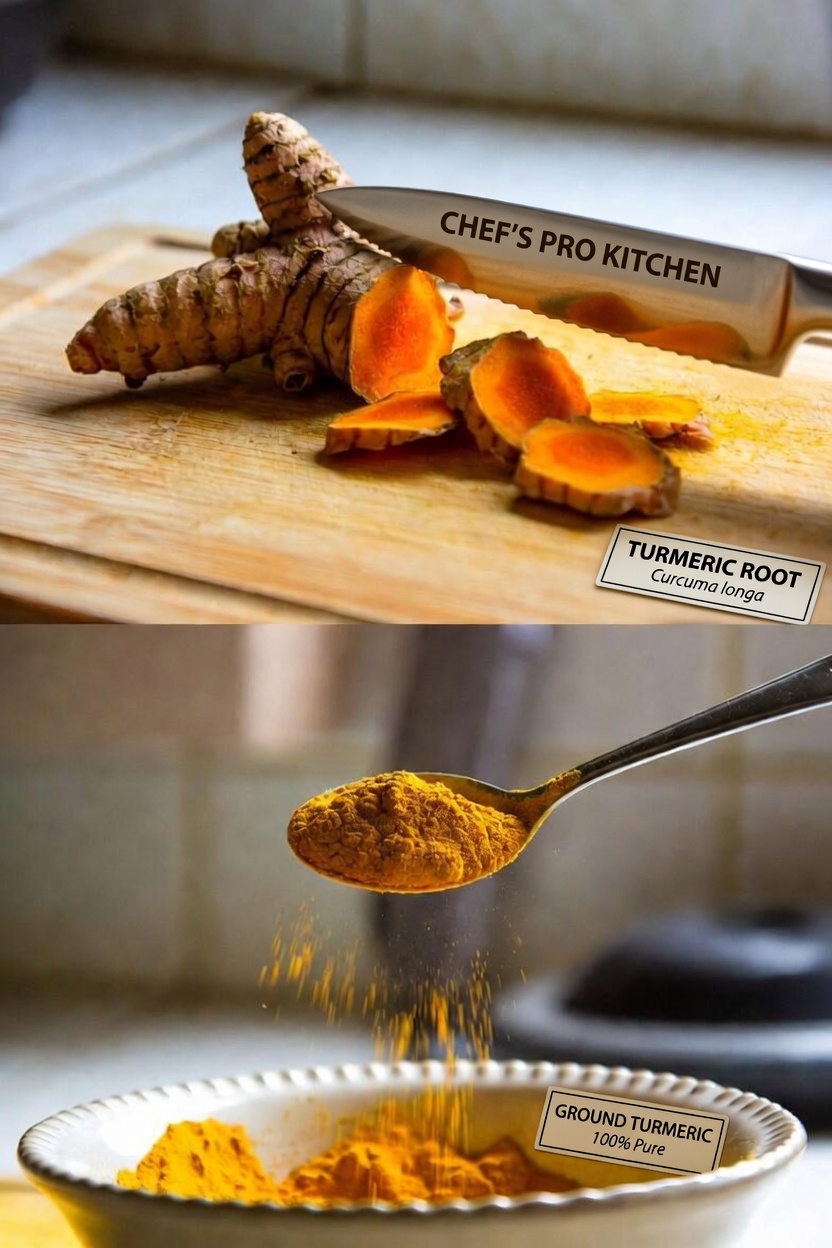
5. Turmeric
Turmeric, or Curcuma longa, is valued for curcumin, a compound known for strong anti-inflammatory and antioxidant properties.
- Studies link curcumin to improved blood vessel function and lower oxidative stress.
- It may help support circulation as part of a broader anti-inflammatory lifestyle.
For better absorption, turmeric is commonly paired with black pepper.
6. Gotu Kola
Gotu kola, also called Centella asiatica, is often used to support connective tissue and microcirculation.
- Traditional use and some modern studies suggest it may help maintain vein wall integrity.
- It is also associated with reduced swelling and better small-vessel support.
In addition to these herbs, flavonoid-rich supplements such as grape seed extract and maritime pine bark are also frequently mentioned for their antioxidant effects on blood vessels.
How to Add These Herbs to Your Daily Routine Safely
Using circulation-supportive herbs does not have to be complicated. The most effective approach is usually steady, moderate use combined with healthy lifestyle habits.
Here are simple ways to start:
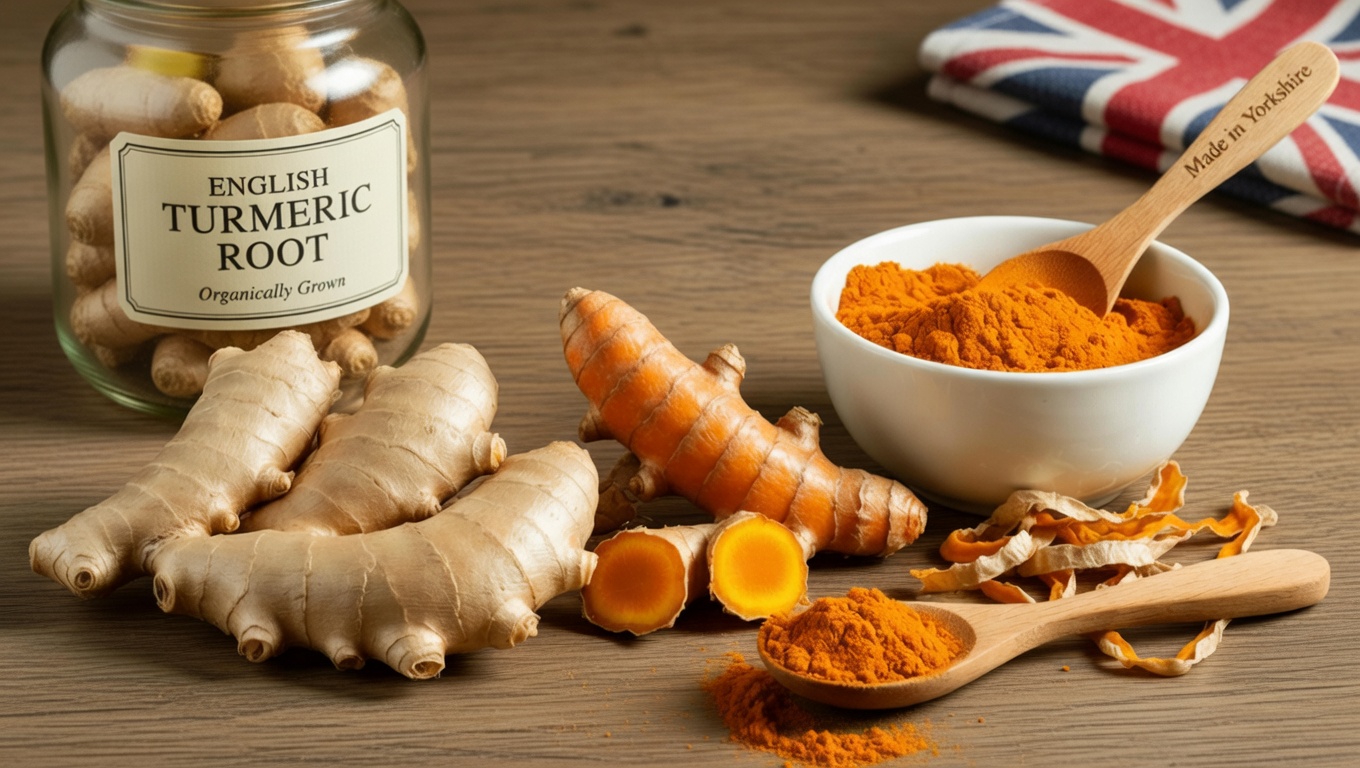
- Drink herbal teas: Steep 1-2 inches of fresh ginger root in hot water for about 10 minutes, or add 1/2 teaspoon of turmeric powder with a pinch of black pepper.
- Use them in meals: Add ginger or cayenne to soups, stir-fries, sauces, or smoothies for gentle daily support.
- Choose standardized supplements: For herbs like horse chestnut or butcher’s broom, select reputable brands with clear dosing information.
- Try smart combinations: A ginger-turmeric drink can be soothing. Mix 1 teaspoon of each powder into warm water and add honey if desired.
- Support circulation with movement: Walk for 30 minutes, raise your legs for 15 minutes daily, or do calf raises to help blood move upward.
- Stay hydrated and eat flavonoid-rich foods: Berries, citrus fruits, garlic, and onions pair well with an herb-based circulation routine.
It is best to introduce one herb at a time so you can observe how your body responds.
Quick Comparison of Popular Herbs for Circulation
| Herb | Key Compound | Main Potential Benefit | Common Form | Research Notes |
|---|---|---|---|---|
| Horse Chestnut | Aescin | May reduce swelling and heaviness | Extract capsules | Has some of the strongest research for venous symptoms |
| Butcher’s Broom | Ruscogenins | May ease cramps and support vein tone | Capsules, tea | Often studied in combination formulas |
| Ginger | Gingerol | Supports warmth and vessel relaxation | Fresh root, tea, powder | Easy to use daily |
| Cayenne Pepper | Capsaicin | May stimulate blood flow through nitric oxide activity | Spice, powder | Start with low amounts |
| Turmeric | Curcumin | Provides anti-inflammatory vascular support | Powder, tea | Works better with black pepper |
Lifestyle Habits That Can Improve Results
Herbs tend to work best when combined with simple circulation-friendly habits.
- Stay active with low-impact exercise: Walking and swimming can help push blood back upward through the legs.
- Avoid sitting or standing too long: Take regular breaks to stretch and move.
- Use compression socks if advised: They may offer added support for vein function.
- Maintain a healthy body weight: Less pressure on the veins can improve comfort and circulation.
Conclusion: Small Daily Habits Can Make a Difference
Natural support for leg circulation often includes herbs such as horse chestnut, ginger, turmeric, and butcher’s broom, along with movement and other healthy habits. With regular use, many people notice their legs feel lighter, less swollen, and more comfortable.
One especially simple option is a daily ginger-turmeric tea. It is easy to prepare, naturally warming, and supported by interest in the complementary effects of both herbs.
Make gradual changes, pay attention to how you feel, and build a routine that works for your body.
Frequently Asked Questions
Can herbs replace medical treatment for leg swelling or vein problems?
No. Herbs may offer supportive benefits, but they should not replace professional medical care, especially if symptoms continue, worsen, or become painful.
How long does it take to notice improvement in circulation?
Some people report mild improvements in comfort within 4 to 8 weeks of consistent use. Results can vary depending on the person, the herb, and lifestyle factors.
Are there any risks with circulation-supporting herbs?
Yes. Certain herbs, especially horse chestnut, may interact with medications or cause mild digestive discomfort in some individuals. It is wise to speak with a healthcare provider before starting any new supplement.