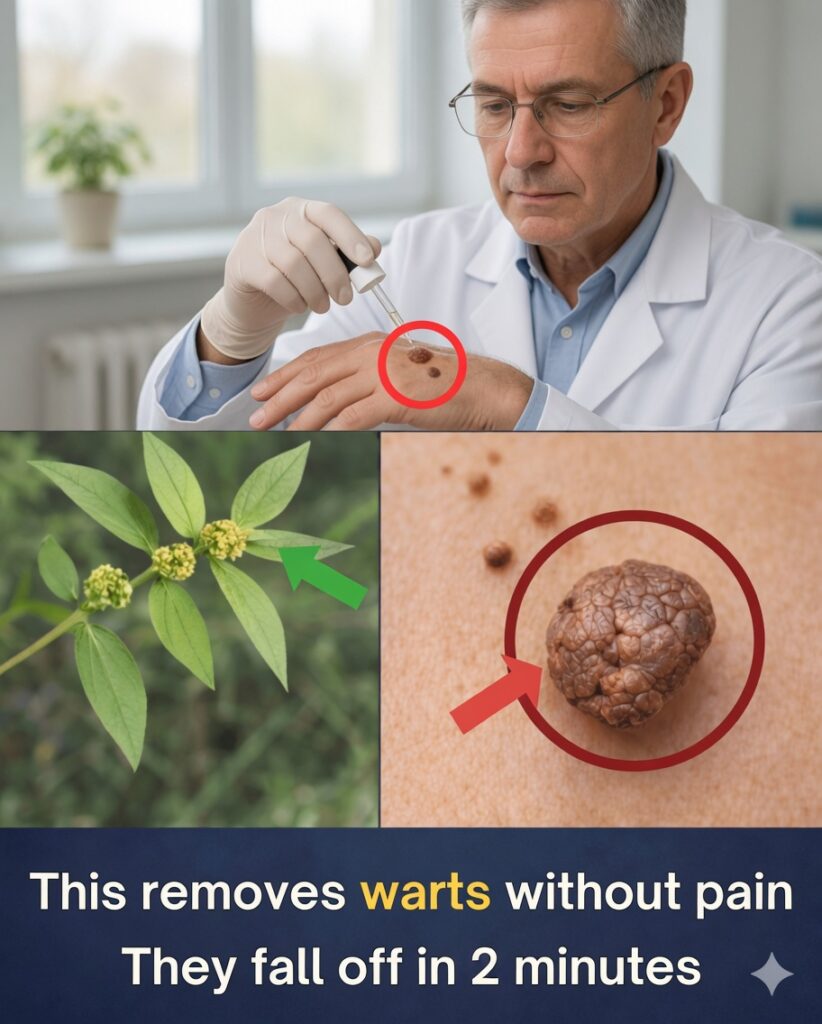
Warts Going Away Naturally? 7 Simple Methods That May Help Your Skin Recover Faster (Read Before You Try Anything)
Warts can be incredibly annoying. These small, rough, uneven skin growths—most often caused by the human papillomavirus (HPV)—commonly show up on the hands, feet, or other areas of the body. They can make everyday activities uncomfortable or even painful, especially when they catch on surfaces or sit in pressure areas.
For many people, warts also come with embarrassment in social settings or at work. And when a wart sticks around for months—or starts spreading—the frustration only grows.
The reassuring part: many warts resolve on their own over time as the immune system recognizes and responds to the virus. While your body is doing that work, some gentle, natural approaches may support the process and help keep the surrounding skin calmer and more comfortable.
There’s an important catch, though: no home remedy is guaranteed. Still, several low-cost methods and common ingredients are widely used because they may encourage the skin’s natural clearing process. Below are seven well-known options that people often try.
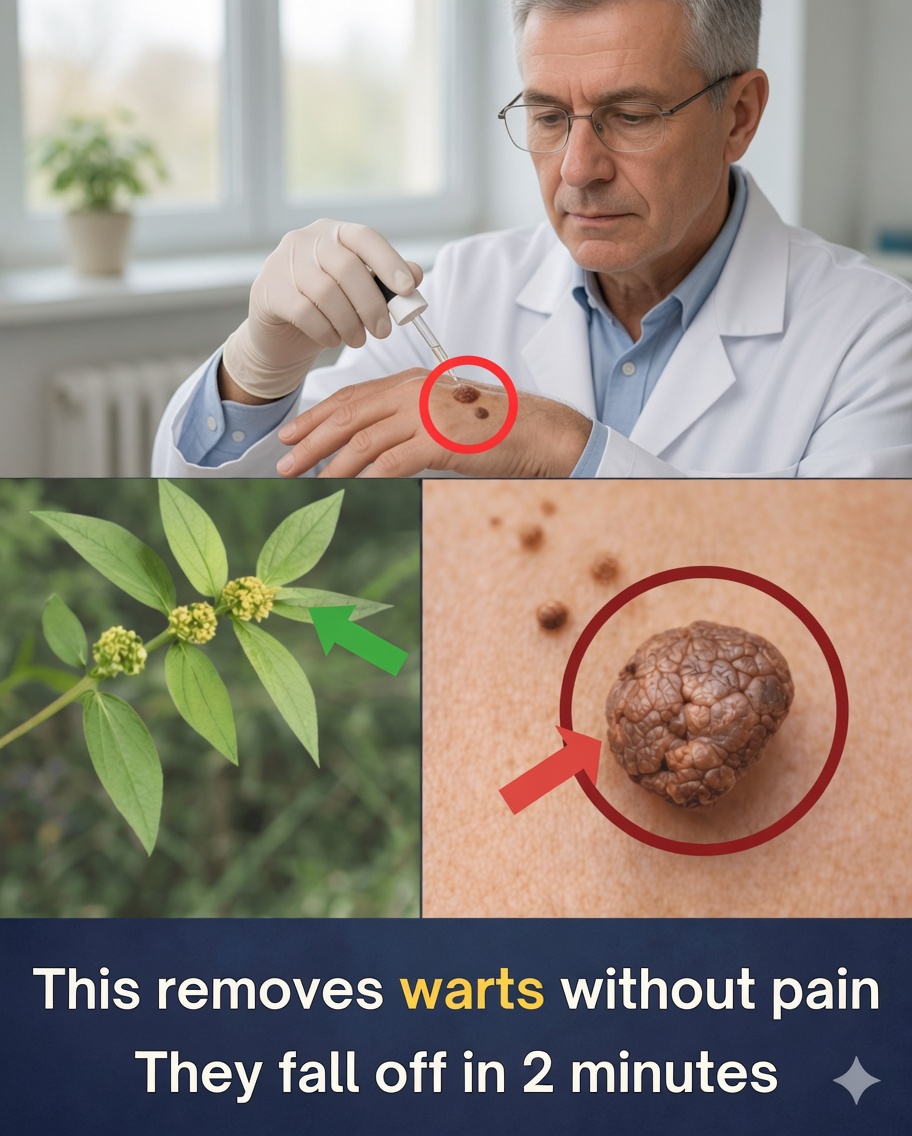
Why Do Warts Appear—and Why Can They Last So Long?
Warts develop when HPV enters the skin through tiny cuts, cracks, or abrasions. Once inside, the virus triggers rapid growth of skin cells, which creates the typical raised, rough bump.
HPV tends to thrive in warm, moist environments, which is why warts frequently appear on hands and feet. Plantar warts (on the soles) can be especially uncomfortable because walking puts constant pressure on them.
It’s estimated that 10%–20% of people will have warts at some point, with higher rates in children and teens. Around half of warts may clear within a year, but factors such as stress, weaker immunity, or repeated friction and irritation can make them persist longer.
Because of this, many natural strategies focus less on “aggressive removal” and more on supporting the immune response and encouraging gradual skin renewal.
7 Natural Approaches That May Help
1) Duct Tape Method
One of the simplest at-home methods involves covering the wart to limit air exposure and create mild, localized irritation—something that may prompt an immune response in the area.
How to try it:
- Wash the area and dry it thoroughly.
- Place a small piece of duct tape directly over the wart.
- Leave it in place for about 6 days.
- Remove the tape, soak the area in warm water, then gently file away dead skin with a pumice stone.
- Repeat for several weeks.
Some research suggests this technique may help in certain cases, though results vary from person to person.
2) Salicylic Acid
Salicylic acid is one of the most studied over-the-counter wart treatments. It works by slowly dissolving layers of infected skin over time.
How to use it:
- Soak the wart in warm water for 5–10 minutes.
- Apply salicylic acid directly to the wart (as directed on the product).
- Use it daily.
- Gently remove dead skin between applications (do not overdo it).
With consistent use, many people see improvement over several weeks.
3) Apple Cider Vinegar (Diluted)
Apple cider vinegar is a popular home remedy largely because of its mild acidity.
How to apply:
- Dilute it: 1 part vinegar to 1–2 parts water.
- Soak a cotton ball in the mixture and place it on the wart.
- Secure with a bandage and leave it on overnight.
- Rinse in the morning.
Some people report gradual shrinking over time, but irritation is possible—especially if used undiluted.
4) Garlic
Garlic contains allicin, a compound known for antimicrobial activity. It’s commonly used topically in home routines.
How to use it:
- Crush a fresh garlic clove into a paste.
- Apply a small amount to the wart.
- Cover with a bandage for a few hours or overnight.
- Wash off and repeat daily.
Stop if you notice burning, redness, or significant irritation.
5) Tea Tree Oil (Melaleuca)
Tea tree oil is an essential oil often used for its antiseptic properties.
Safer use guidelines:
- Always dilute it in a carrier oil (such as coconut oil).
- Apply a small amount to the wart once daily.
- Cover with a bandage if you prefer.
Do a patch test first, since essential oils can trigger sensitivity reactions.
6) Aloe Vera
Aloe vera gel is well known for soothing and moisturizing irritated skin.
How to apply:
- Use fresh gel from the plant or a high-purity product.
- Apply twice daily to the wart and surrounding skin.
Evidence specifically for wart removal is limited, but aloe may help keep the area less inflamed and support overall skin comfort.
7) Euphorbia hirta (Traditional Herb)
In some Asian traditions, the plant’s latex is applied to warts because it can have a drying effect.
Important caution:
The sap can be highly irritating and may cause burns or allergic reactions. This approach is not recommended without professional guidance.
Safety Tips and Realistic Expectations
Natural methods rarely work overnight. Even when warts clear on their own, it can take weeks or months. Consistency, patience, and gentle skin care matter.
Stop any method immediately if you develop:
- intense irritation or burning
- worsening pain
- bleeding, swelling, pus, or other signs of infection
When to See a Healthcare Professional
Seek medical advice if the wart:
- is very painful
- grows quickly or changes appearance
- appears on sensitive areas (face, genitals, around nails)
- does not improve after several weeks of consistent care
Disclaimer: This article is for informational purposes only and does not replace professional medical advice. Always consult a qualified healthcare provider before starting any treatment—especially if you have underlying medical conditions or if warts persist.