8 Everyday Habits That Can Make Amlodipine Less Effective
Taking amlodipine each day for high blood pressure or chest pain often brings peace of mind. Still, many people notice that their blood pressure readings are not always stable, or they feel more drained, dizzy, or swollen than they expected. In many cases, the reason is not the medication alone. Everyday habits can quietly interfere with how well amlodipine works or increase side effects such as fatigue, ankle swelling, headaches, and light-headedness.
The encouraging news is that small, practical changes can improve how this treatment supports your heart.
What many people are not told early enough is that certain foods, drinks, supplements, and routines can reduce the benefits of amlodipine or make unwanted effects more noticeable.
The eight habits below are especially important. Avoiding them may help you get more consistent blood pressure control and fewer unpleasant surprises.
Why These Habits Matter
Amlodipine belongs to a group of medicines called calcium channel blockers. It works by relaxing blood vessels, allowing blood to move more easily through the body. Reliable health sources, including the NHS, explain that some foods, beverages, and common behaviors can either increase the amount of amlodipine in your body or weaken its intended effect.
When that happens, you may experience:
- More dizziness
- Ankle or foot swelling
- Headaches
- Flushing
- Blood pressure readings that remain difficult to control
The good part is that these are not extreme lifestyle changes. Most are simple adjustments you can start making right away.
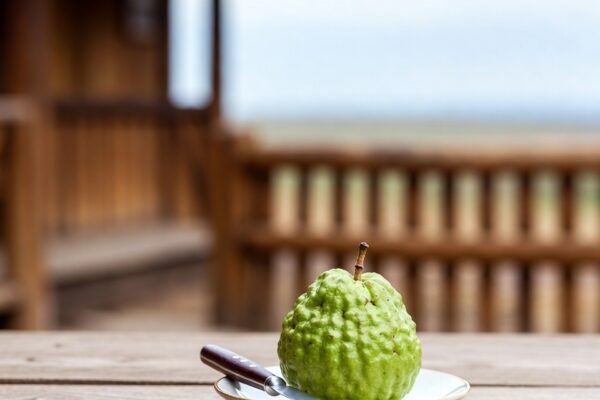
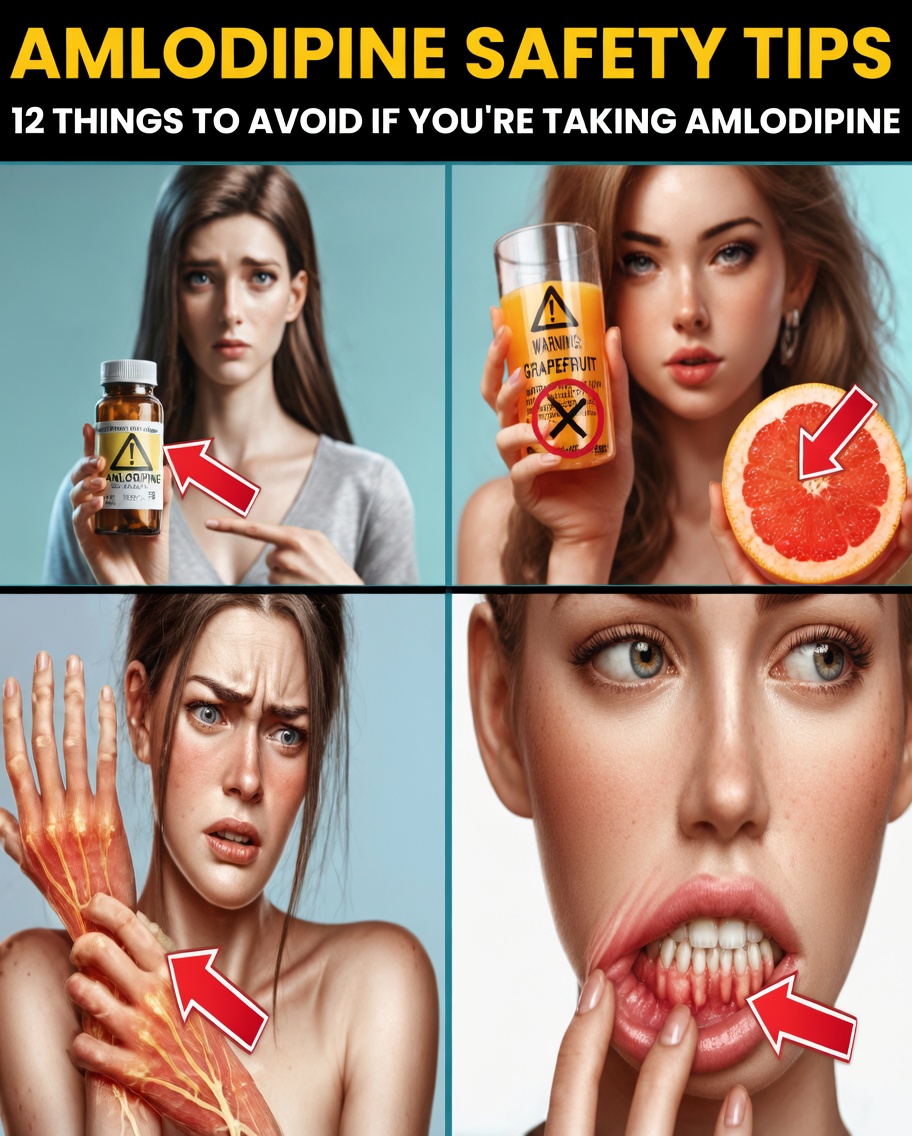
1. Stop Having Grapefruit or Grapefruit Juice Regularly
Grapefruit can raise the level of amlodipine in your bloodstream. According to the NHS, this happens because grapefruit interferes with an enzyme that normally helps break down the medicine. As a result, the drug may stay in your system longer and cause stronger side effects.
Possible effects include:
- Increased dizziness
- Flushing
- A larger drop in blood pressure than expected
Helpful tip: Replace grapefruit at breakfast with fruit such as apples or oranges. Also check drink labels, since grapefruit may be included in mixed juices or flavored beverages. A small amount once in a while may be acceptable, but daily use is better avoided.
2. Stop Drinking Alcohol Frequently
Alcohol can intensify the blood-pressure-lowering effect of amlodipine. Sources such as Medical News Today note that this combination may lead to more dizziness, headaches, or feeling faint when standing up. Even moderate drinking can make side effects feel worse, especially when you first start treatment.
Helpful tip: Try swapping your usual evening alcoholic drink for sparkling water with lime for a couple of weeks. Many people notice steadier energy and fewer dizzy moments within a short time.
3. Stop Eating Too Many High-Sodium Foods
A diet high in salt can work against amlodipine and make blood pressure harder to control. MedlinePlus reminds patients that a lower-sodium diet supports the medication and helps maintain healthier blood pressure levels.
Common high-sodium foods include:
- Chips and salty snacks
- Processed meats
- Canned soups
- Fast food
- Restaurant meals
Helpful tip: Aim to stay below 2,300 mg of sodium per day. Spend one week reading nutrition labels and you may quickly spot hidden sources of salt. Use herbs, garlic, black pepper, or lemon juice to add flavor instead.
4. Stop Smoking or Vaping
Smoking increases blood pressure and adds stress to the heart and blood vessels. The NHS emphasizes that quitting can help lower blood pressure and allow amlodipine to work more effectively. Even occasional smoking can reduce the progress you are trying to make.
Helpful tip: Choose a quit date within the next few weeks and let your pharmacist know. Many pharmacies offer smoking cessation support, including nicotine replacement options that can be used safely alongside your medication.
5. Stop Using NSAIDs Like Ibuprofen Frequently Without Advice
Common pain relievers such as ibuprofen may increase the risk of kidney stress when used with amlodipine. Research also suggests that regular NSAID use can slightly raise blood pressure in some people. Using them once in a while is often not a problem, but frequent or daily use should be discussed with a healthcare professional.
Helpful tip: For everyday aches, acetaminophen (paracetamol) may be a better option for many people. Before starting any new pain medicine, check with your pharmacist or doctor.
6. Stop Missing Doses or Taking Amlodipine at Different Times
Amlodipine works best when the amount of medicine in your body stays steady. If you skip doses or take it at random times, your blood pressure may fluctuate more and the medication may not protect you as well.
Helpful tip: Connect your dose with a regular daily activity, such as brushing your teeth or eating breakfast. Setting a phone reminder for the first couple of weeks can help make the routine stick.
7. Stop Sitting for Most of the Day
A sedentary lifestyle can undermine the benefits of amlodipine. Regular physical activity naturally supports lower blood pressure and better heart health. Studies show that even light daily movement can improve the overall effect of blood pressure treatment.
Helpful tip: Begin with a 10-minute walk after dinner. Then build from there by adding one or two short walks during the day. You do not need a gym membership to make a difference. Consistency matters more than intensity.
8. Stop Taking St. John’s Wort or Other Herbal Supplements Without Checking First
St. John’s Wort may cause your body to clear amlodipine faster, which can make the medicine less effective. Other herbal products may also interact with prescription drugs. A supplement that seems natural and harmless can still interfere with blood pressure control.
Helpful tip: Bring all supplement bottles, vitamins, and herbal remedies to your next doctor or pharmacy visit. A pharmacist can often identify potential interactions very quickly.
Quick Comparison: Habits and What May Improve
| Habit You Stop | What May Improve | When You Might Notice |
|---|---|---|
| Grapefruit products | Less dizziness and flushing | Within a few days |
| Alcohol | More stable blood pressure and energy | 1 to 2 weeks |
| High-sodium foods | Better blood pressure control overall | 1 to 4 weeks |
| Smoking | Less strain on the heart | Immediately to 1 month |
| Frequent NSAID use | Reduced kidney stress | As soon as you switch |
| Irregular dosing | More stable daily readings | About 1 week |
| Sedentary lifestyle | Stronger support for blood pressure control | 2 to 4 weeks |
| Unchecked herbal supplements | Full effect of your prescribed dose | Within days |
Small Changes Can Bring Big Results
You do not need to change your entire lifestyle overnight. Start with two or three habits from this list and focus on those first. For many people, even these small adjustments lead to more stable blood pressure readings and fewer side effects within a few weeks.
Improving the way you take amlodipine today can benefit both your heart and your long-term health.
FAQ
Can I still drink wine occasionally while taking amlodipine?
Yes, moderate and occasional alcohol is often acceptable. The important word is occasional. If you notice headaches, dizziness, or feeling faint afterward, it may be a sign that you should cut back further.
If I stop these habits, can I reduce my amlodipine dose?
Do not change your dose on your own. Lifestyle improvements can help the medication work better, but only your doctor can decide whether your dose should be adjusted.
I already eat well and exercise. Could something else still be affecting my medication?
Yes. Even people with healthy routines may overlook grapefruit juice, occasional ibuprofen use, herbal supplements, or inconsistent pill timing. A quick medication review with your pharmacist can uncover interactions you may not realize are important.