
Frequent Foot Numbness or Pain? Don’t Ignore These Quiet Warning Signs
Do your feet often feel numb, tingly, or painful? What starts as a mild annoyance—fatigue, aging, or standing too long—can gradually turn into discomfort that affects walking, rest, and even simple daily tasks.
Many people dismiss these symptoms, but foot numbness and foot pain are commonly linked to nerve problems or poor circulation. The sooner you understand the cause, the better your chances of preventing complications.
So what is your body trying to tell you when your feet go numb or start hurting? Below are the three most common causes you should address before the problem worsens—plus practical habits that can support foot health.
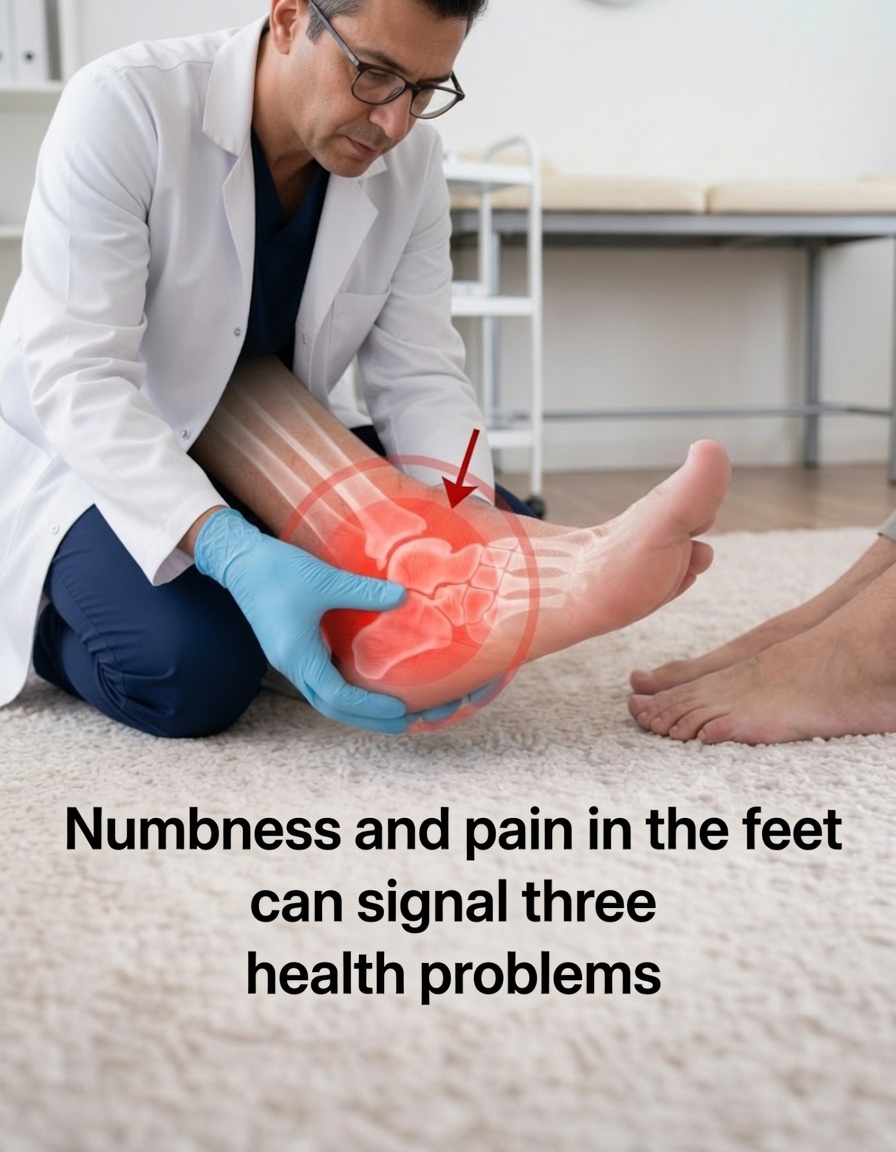
What Do Foot Numbness and Foot Pain Usually Mean?
Numbness often feels like reduced sensation, “pins and needles,” burning, or complete loss of feeling. Pain can range from sharp stabs to a constant ache.
In most cases, these symptoms happen when:
- Nerve signals are disrupted, or
- Blood flow to the feet decreases, limiting oxygen and nutrients to tissues
In real-world clinical practice, three health issues show up again and again as top contributors.
1. Peripheral Neuropathy (A Very Common Cause)
Peripheral neuropathy occurs when nerves outside the brain and spinal cord become damaged. Because the nerves to the feet are long and vulnerable, the feet are often affected first.
One of the strongest risk factors is diabetes. Over time, elevated blood sugar can injure nerves and lead to progressive symptoms.
Common signs include:
- Tingling or a “prickling” sensation
- Burning pain, often worse at night
- Numbness that makes it harder to feel heat, cold, or injuries
- Muscle weakness or balance problems
This can be dangerous: small cuts, blisters, or sores may go unnoticed, increasing infection risk.
Diabetes is not the only cause. Peripheral neuropathy can also be linked to:
- Vitamin deficiencies
- Excessive alcohol use
- Certain medications
2. Tarsal Tunnel Syndrome (Nerve Compression Near the Ankle)
Inside the ankle, a narrow passageway allows the tibial nerve to travel into the foot. If this space becomes compressed—due to inflammation, injury, or structural changes—tarsal tunnel syndrome can develop.
This pressure disrupts nerve signaling and may trigger:
- Electric shock–like pain in the sole or heel
- Tingling that spreads into the toes
- Numbness that worsens after walking or standing for long periods
Higher-risk groups include people with:
- Flat feet
- Prior ankle injuries
- Arthritis
3. Circulation Problems (Reduced Blood Flow to the Feet)
Poor circulation can also lead to numbness and pain. When blood flow drops, the nerves and tissues in the feet receive less oxygen, which can cause discomfort and sensory changes.
One example is Raynaud’s phenomenon, where blood vessels constrict in response to cold or stress. Toes may turn pale or bluish before numbness sets in.
Other circulation-related symptoms can include:
- Foot pain or cramping while walking
- Persistently cold feet
- Frequent numbness
In many cases, conditions such as diabetes can also raise the risk of circulation problems.
Red Flags You Should Never Overlook
Seek professional evaluation if you notice:
- Numbness lasting several days
- Symptoms spreading up into the legs
- Weakness or loss of balance
- Skin color changes or swelling
- Wounds that don’t heal
- Pain that disrupts sleep or daily routine
Early identification can help prevent more serious complications.
Simple Habits That Can Support Foot Health
While you arrange medical guidance, these steps may help reduce discomfort and protect your feet. They don’t replace treatment, but they can support circulation and daily foot care.
Daily Foot Care
- Check your feet every day for cuts, blisters, or irritated areas
- Wear comfortable shoes with solid support
- Avoid prolonged pressure (including sitting with legs crossed for long periods)
Encourage Better Circulation
- Choose gentle movement (light walking or low-impact activities)
- Elevate your legs for 10–15 minutes when resting
- Keep feet warm in cold weather
At-Home Comfort Strategies
- Soak feet in warm (not hot) water for 10–15 minutes
- Try gentle foot massage
- Use orthotic insoles if recommended by a professional
Conclusion
Numbness and pain in the feet should not be brushed off. They often point to issues such as peripheral neuropathy, nerve compression, or circulation difficulties.
The good news: when caught early, many of these conditions can be managed or treated effectively. Paying attention to what your body is signaling—and adopting supportive daily habits—can make a meaningful difference in mobility and quality of life.
If your feet are trying to tell you something, it’s worth listening before the problem becomes bigger.
Medical Disclaimer
This content is for informational purposes only and does not replace advice from a qualified healthcare professional. Always seek medical evaluation for proper diagnosis and treatment.