Feeling More Eye Fatigue and Lower Energy After 50?
If your eyes feel drier, your joints seem a bit stiffer, or your energy dips more easily than it used to, you’re not alone. These shifts often show up after 50—even for people who believe they eat well.
One common reason is a “quiet” nutrition gap: not getting enough key micronutrients such as vitamin A, vitamin C, and protective antioxidants that help the body manage everyday oxidative stress.
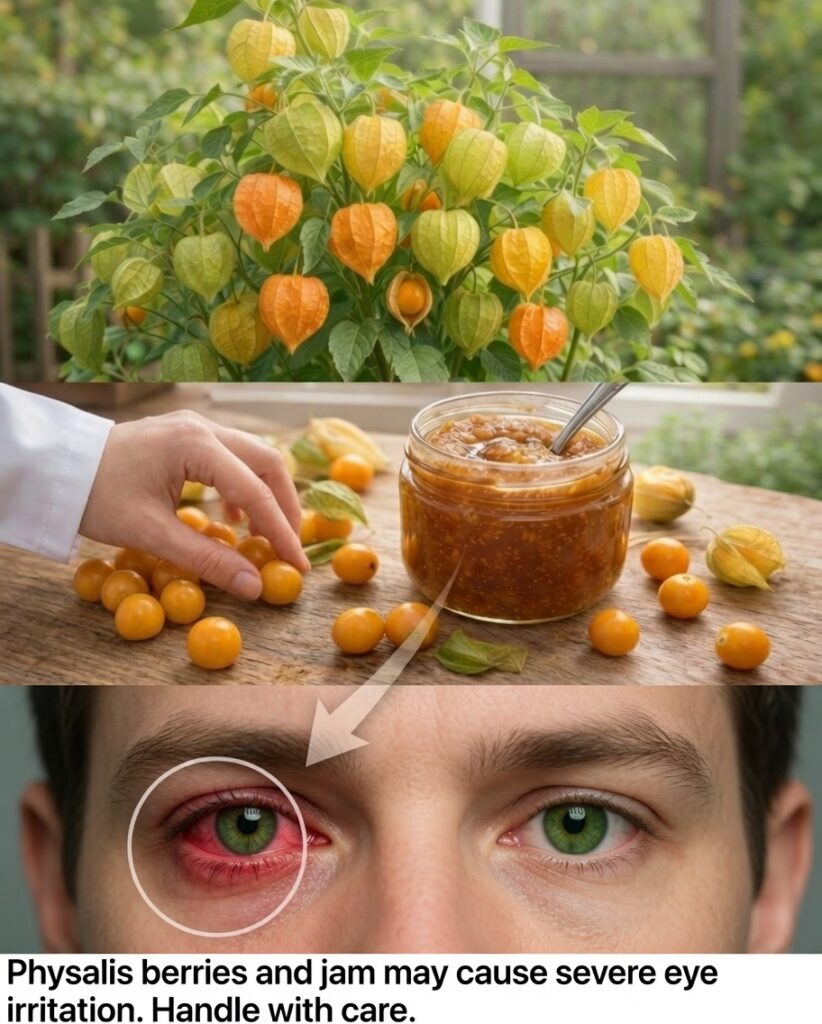
Many fruits (like oranges and blueberries) can help. But there’s a lesser-known option with an unusually strong nutrient mix: goldenberries (Physalis peruviana)—also known as physalis, Inca berry, or cape gooseberry.
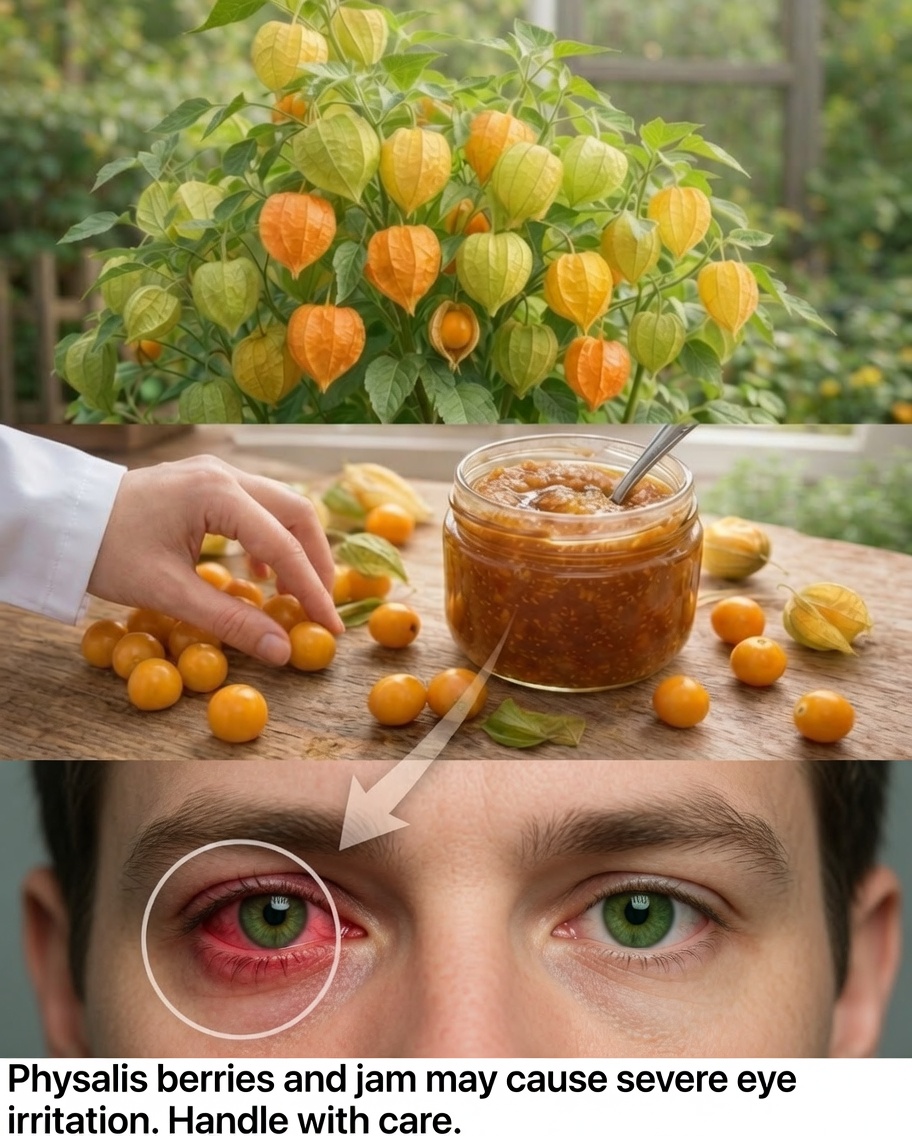
These small golden fruits contain a range of vitamins, antioxidants, and unique plant compounds. Research highlights their vitamin C, beta-carotene (a precursor to vitamin A), and special compounds called withanolides, which may support overall balance in the body. Below are 12 science-backed ways goldenberries may support daily health—plus simple ways to add them to your routine.
The “Silent” Nutrient Shortfall After 50
As we age, the body often experiences:
- Higher oxidative stress
- Low-grade inflammation
- Reduced nutrient absorption
Studies suggest many adults don’t consistently reach optimal intakes of micronutrients—especially vitamins A and C, which are closely linked to vision, immune defense, and skin health.
Goldenberries can help bridge that gap. A typical serving (around 1 cup / 140 g) provides fiber, vitamin C, and vitamin A precursors, along with antioxidants that are less common in many everyday fruits.
What Makes Goldenberries So Nutrient-Dense?
In roughly 100 g of goldenberries, you can find:
- Vitamin C: about 11–28 mg
- Vitamin A activity (from beta-carotene): up to ~163 mcg RAE
- Fiber: often higher in larger portions (around 6 g)
- Other beneficial compounds: potassium, lutein, zeaxanthin, polyphenols, and withanolides
Together, these nutrients help neutralize free radicals and support the body’s natural protective systems.
12 Potential Benefits of Goldenberries (Physalis)
1. Meaningful support for eye health
Goldenberries provide beta-carotene, lutein, and zeaxanthin—nutrients associated with retinal protection. They may help filter harmful light and support long-term vision maintenance.
2. Immune system support
Their vitamin C content supports immune cell function and contributes to collagen production, important for skin strength and wound healing.
3. Natural inflammation support
Goldenberries contain withanolides, plant compounds being studied for their potential role in helping regulate inflammatory processes.
4. More stable energy during the day
Thanks to fiber and a relatively low glycemic impact, goldenberries may support steadier blood sugar—helping reduce energy spikes and crashes.
5. Extra protection for the macula
Lutein and zeaxanthin are also associated with protecting the eyes from modern stressors like blue light exposure from screens.
6. Additional immune-balancing compounds
Certain natural polysaccharides in goldenberries may help support a balanced immune response.
7. Antioxidants for healthier-looking skin
Their polyphenols help combat oxidative stress that can accelerate visible skin aging.
8. Heart-friendly nutrition
Potassium supports healthy blood pressure regulation and overall cardiovascular balance.
9. Support for bones and blood vessels
Goldenberries contain vitamin K1, a nutrient involved in calcium metabolism and bone health.
10. A lighter snack that helps manage hunger
With roughly 50–70 calories per 100 g, goldenberries can be a sweet, nutrient-rich option for healthier snacking.
11. Easy to use in many meals
Their tangy-sweet flavor works in both sweet and savory dishes, making it easier to avoid diet boredom.
12. A powerful nutrient synergy
The combination of vitamins, fiber, and antioxidants may work together to support energy, metabolic balance, and overall wellbeing.
How to Eat Goldenberries Daily (Simple and Practical)
Start small and increase gradually, especially if you’re boosting fiber intake.
Fresh
- Rinse well and enjoy ¼ to ½ cup as a snack.
Dried
- Add ¼ cup to yogurt, granola, or a trail mix with nuts and seeds.
In smoothies
- Blend ½ cup with banana and spinach for a nutrient-packed smoothie.
A simple routine idea
- Week 1: a small handful daily
- Week 2: mix into breakfast (yogurt or oats)
- After that: try them in salads with goat cheese or nuts
When possible, choose organic and store in a cool, dry place.
Final Thoughts
Small dietary upgrades can lead to meaningful long-term benefits. Goldenberries are a great example: a tiny fruit with a surprisingly strong nutritional profile that may support vision, immunity, and daily energy—especially after 50.
Adding a small handful to your routine is a simple step toward feeling more nourished. Try them for a few weeks and pay attention to how your body responds.
Frequently Asked Questions
Can I eat goldenberries every day?
Yes—in moderate amounts, as part of a balanced diet.
Are goldenberries better fresh or dried?
Both provide valuable nutrients. Dried goldenberries are more concentrated, while fresh ones are juicier and lighter.
Where can I buy goldenberries?
Look for them in health food stores, specialty markets, or the dried fruit section of many supermarkets.
This content is for informational purposes only and does not replace medical advice. Speak with a qualified healthcare professional before making significant dietary changes, especially if you have medical conditions or take medications.